
The Homebuyer's Guide to Buying a House With Solar Panels
Solar panels have become a common sight in homes across the country. Green real estate continues to grow rapidly as more buyers seek energy-efficient properties. Many listings now highlight solar installations as a major selling point.
For many people, buying a house with solar panels feels like a smart financial move. The idea of significantly lower or even zero electricity bills creates immediate excitement. Yet smart buyers know they must perform careful due diligence before closing the deal. While purchasing a solar-equipped home delivers strong financial and environmental benefits, understanding system ownership, condition, and warranties remains essential.
Quick Takeaways:
Always verify if the solar panels are owned outright, financed, or leased.
State mandates, like California's Title 24, are making solar standard on new constructions.
Ensure the age of the solar panels aligns with the age of the roof beneath them.
Warranties and Net Energy Metering (NEM) agreements must be legally transferred to the new owner.
The California Title 24 Effect: Why Solar Homes Are the New Normal
In many progressive housing markets, solar panels are no longer just a luxury upgrade. They are a legal requirement. California's Title 24 Building Energy Efficiency Standards is the clearest example of this shift, and it is reshaping how buyers think about solar-equipped properties across the entire country.
Starting in 2020, California required the majority of new single-family homes to include solar panel installations. The mandate has since expanded significantly — the 2022 standards, effective January 2023, extended the solar requirement to all new multifamily buildings of more than three stories and many commercial buildings. The 2025 energy Code, now in effect, continues to build on these requirements.
If you are purchasing newer construction in California or other states adopting similar requirements, do not view the solar array as a negotiable add-on. It is a standard, integrated utility of the home, just like plumbing or electrical wiring. Understanding this reality from the outset sets you up for a smoother transaction and more realistic expectations about what you are buying.
The most critical question: Who owns the solar panels?
The financing structure of the solar system dictates exactly how the home sale will proceed. You cannot assume that because the panels are attached to the roof, they automatically belong to the house. There are three main scenarios you will encounter.
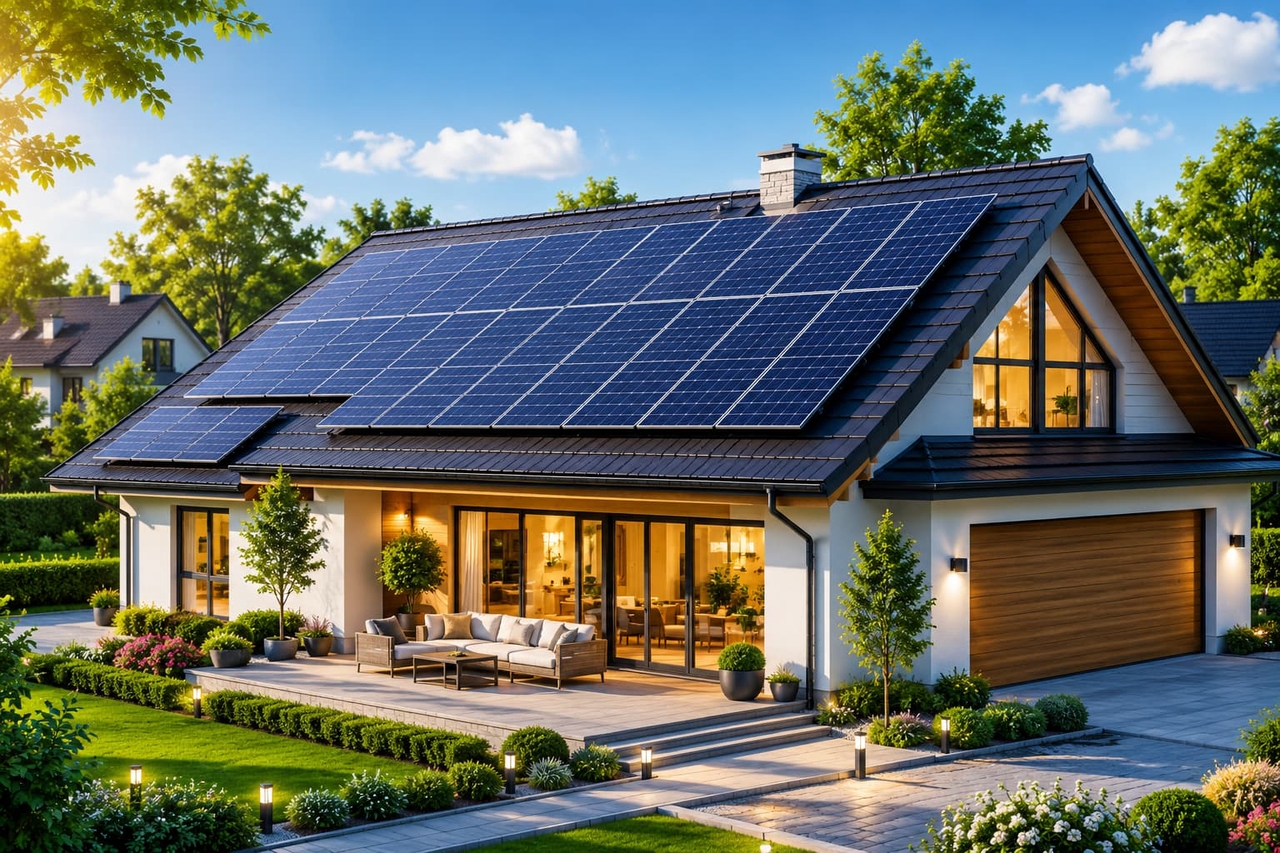
Scenario A: The panels are fully owned (Cash purchase)
This is the absolute jackpot scenario for a homebuyer. In this case, the seller paid cash for the system up front or has already fully paid off their solar loan. The seller owns the panels outright, meaning the system transfers seamlessly to you along with the deed of the house. As the buyer, you enjoy immediate return on investment and lower energy bills with no strings attached and no monthly hardware payments.
Scenario B: The panels are financed (Solar loans)
In this scenario, the seller took out a specialized solar loan to install the system and still owes money on it. These loans often put a lien on property, which can hold up a home sale. Buyers should ask whether the seller plans to pay off the remaining loan before closing. Taking over an existing solar loan can complicate mortgage approval and affect debt-to-income calculations. Always review financing documents carefully before agreeing to assume any remaining debt.
Scenario C: Leased panels and PPAs (Power Purchase Agreements)
In a solar lease or PPA, the solar company owns the panels and the homeowner pays a monthly fee for the electricity produced. When the home is sold, the buyer must either assume the lease or the seller must buy it out. Assuming a lease usually requires a credit check and a full review of the contract. One key detail to watch is an “escalator clause,” which can increase payments by about 2–3% annually, adding significant cost over time. If the lease terms are unfavorable, the buyer can request that the seller pay off the lease or negotiate a lower purchase price to offset the obligation. It's also important to have the agreement reviewed before accepting it.
Evaluating the system's age, health, and performance
Treat the solar system with the same scrutiny as other major home components like HVAC or roofing.
Age of the system vs. Age of the roof
Modern solar panels are designed to last between 25 and 30 years. Buyers should ask the seller when the system was installed and request all available purchase and maintenance records.
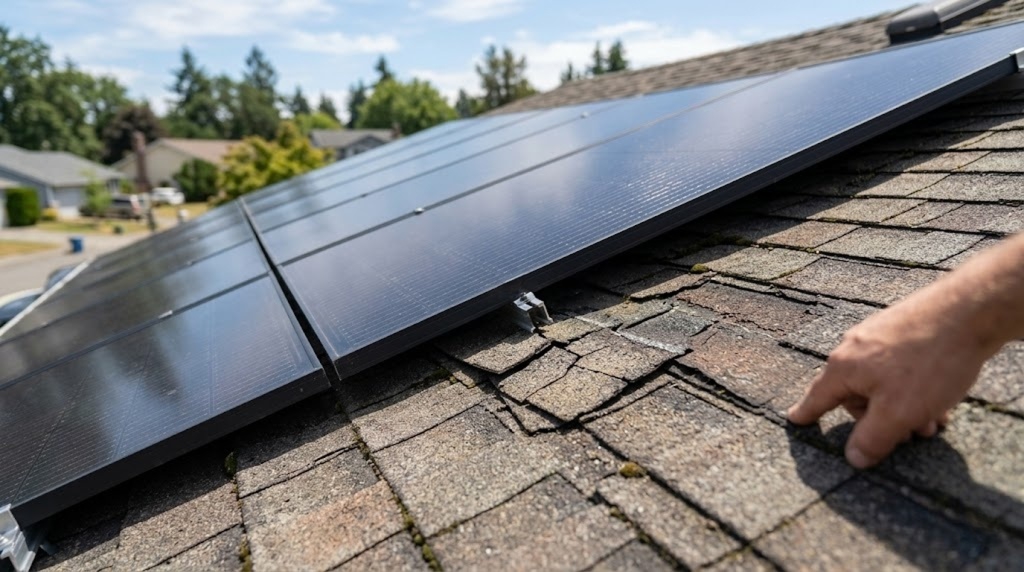
It is equally important to compare the age of the solar system with the age of the roof beneath it. A newer solar array installed on an aging roof can create expensive future repairs. For example, if a 20-year-old roof has a 5-year-old solar system mounted on it, the roof may soon require replacement. In that situation, the solar panels must first be removed, the roof replaced, and the system reinstalled afterward. This additional labor can add several thousand dollars to the overall roofing cost.
Energy production and utility bills
Do not assume the system fully powers the home. Request the past 12 months of utility bills along with solar production reports. This helps you understand how much electricity the system actually generates and whether it significantly reduces monthly energy expenses. A properly performing solar system should demonstrate measurable savings.
Buyers should also compare electricity usage during different seasons, since energy production can vary throughout the year. Reviewing monthly data provides a clearer picture of whether the system consistently meets the household's energy needs. If production appears unusually low, it may indicate aging equipment, shading issues, or maintenance problems that require attention.
Warranties, net metering, and the original installer
Before buying a solar-powered home, buyers should review the system warranties, utility agreements, and installer details. These factors play a major role in long-term maintenance, savings, and future support.
Transferring warranties
Solar systems typically come with two distinct types of warranties, and both need to be properly transferred to your name. The first is the equipment or performance warranty, which typically lasts around 25 years and guarantees the panels will continue producing electricity at a specified efficiency level. The second is the workmanship or labor warranty, which often lasts around 10 years and covers installation-related issues.
Before purchasing the home, buyers should confirm whether these warranties can be transferred to a new owner. Request copies of all warranty documents, installation records, and product serial numbers from the seller. Contact the manufacturer and installer directly to verify the transfer process and complete any required paperwork before closing.
Net Energy Metering (NEM)
Net metering is a system where your solar panels sell excess energy back to the local utility grid in exchange for credits on your bill. When you buy the house, you do not automatically get the seller's old utility rate structure. You must contact the local utility company immediately to set up a new NEM agreement in your name so that you receive proper credit for the power your roof generates.
Locating the original installer
Buyers should always find out which company installed the solar system and confirm whether the installer is still actively operating. The original installer often handles future maintenance, troubleshooting, repairs, and warranty-related service requests. Keep the installer's contact information along with all system documentation for future reference. Having direct access to the original installer can make servicing the system much easier over time.
Upgrading the system: When to consider?
Not every home comes with a modern high performance solar system. Some buyers inherit older systems that no longer meet current energy demands, while others may want additional capacity for electric vehicle charging, home offices, or growing families. In these situations, upgrading the system can improve both efficiency and long term savings.
If a home or facility needs a full energy upgrade or expansion, EcoFlow OCEAN Pro with solar panels offers a complete solution. It delivers up to 24 kW continuous power and expandable storage up to 80 kWh. It supports large homes, workshops, or rural properties during outages with 8 MPPT channels.
With fast UPS switching under 10 milliseconds, advanced LFP battery technology, and smart app-based monitoring, it ensures uninterrupted backup for critical loads. In real life, it can keep refrigerators, medical equipment, and home offices running smoothly during blackouts. Its weather-resistant build also makes it reliable for long-term outdoor installations.
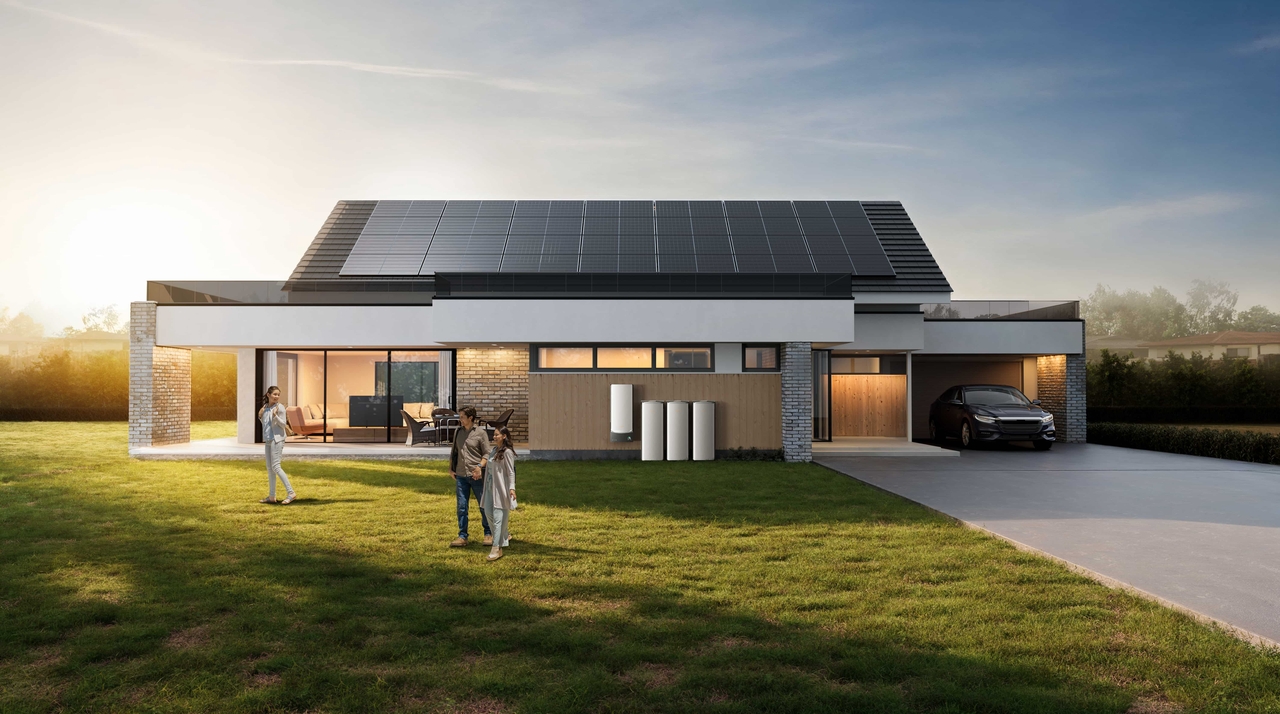
Ready to upgrade your home's solar potential? Speak with an EcoFlow energy consultant today and design a customized solar solution tailored to your home and energy needs.
Pros and cons of buying a house with solar panels
Buying a house with solar panels already installed can offer major financial and environmental advantages, but buyers should also understand the potential challenges before making a decision.
Pros
Lower monthly electricity bills
Increased property value and buyer appeal
Reduced carbon footprint and cleaner energy usage
Protection against rising utility rates
Greater long-term energy independence
Cons
Potential complications when transferring solar leases or financing agreements
Maintenance responsibilities, including inverter replacement and system repairs
Older systems may not deliver modern efficiency levels
Roof repairs or replacements can become more expensive when panels must be removed and reinstalled
Outdated equipment may require costly upgrades in the future
Signing off
Buying a house with solar panels can be one of the smartest long-term investments a homeowner makes. A properly maintained solar system offers lower energy costs, greater energy independence, and a more sustainable lifestyle for years to come. The key is doing your homework before closing the deal. Ask detailed questions about ownership, warranties, roof condition, system performance, and utility agreements. Work closely with your real estate agent, review all documentation carefully, and make sure you fully understand what comes with the property. With the right preparation, you can move into your new home with confidence and enjoy the financial and environmental benefits of clean solar energy.
Frequently Asked Questions (FAQs)
Is it a good idea to buy a house with solar panels?
Yes, buying a house with solar panels installed can lower electricity costs, improve energy efficiency, and increase property value. Buyers should still review system ownership, warranties, roof condition, and maintenance records before purchasing the home.
What is the lifespan of a solar panel?
Most modern solar panels last between 25 and 30 years. Over time, efficiency gradually decreases, but many systems continue producing electricity beyond their expected lifespan with proper maintenance and occasional component replacements.
How much value do solar panels add to a house?
Solar panels can increase a home's value by reducing long-term energy costs and improving energy efficiency. The added value depends on system ownership, local electricity rates, panel conditions, and regional housing demand.
Do solar panels work on cloudy days?
Yes, solar panels still generate electricity on cloudy days, although output levels are lower than during direct sunlight. Modern systems are designed to produce energy efficiently even under partially shaded or overcast conditions.
How does buying a house with leased solar panels affect my mortgage?
Leased solar panels can complicate mortgage approval since lenders often count lease payments as debt. This may raise your debt-to-income ratio and require lender consent. Owned systems are generally preferred for smoother financing.

