
Biophilic Interior Design: Bringing Nature Into Your Modern Home
Feeling overwhelmed by sterile, artificial spaces that drain your energy and leave you disconnected? Many modern homeowners struggle with homes that feel cold and uninspiring despite sleek designs. Biophilic interior design offers a refreshing solution by intentionally bringing nature indoors to create calming, restorative environments that boost mood, health, and overall well-being. This guide covers the principles, key elements, and practical ways, like integrating a home battery system, to implement biophilic design in your own home.
What is biophilic interior design?
Biophilic interior design integrates natural elements, patterns, and processes into indoor spaces to satisfy humanity's innate connection to the living world. The term "biophilia" (love of life) was popularized by biologist Edward O. Wilson in his 1984 book, drawing on our evolutionary affinity for nature.
Its popularity has surged in modern homes as people seek healthier, more sustainable living amid urban lifestyles and post-pandemic awareness of well-being. Rather than a fleeting trend, it creates healing environments that support cognitive function, emotional balance, and daily restoration.
Benefits of biophilic design in interior spaces
Biophilic design delivers measurable advantages for occupants:
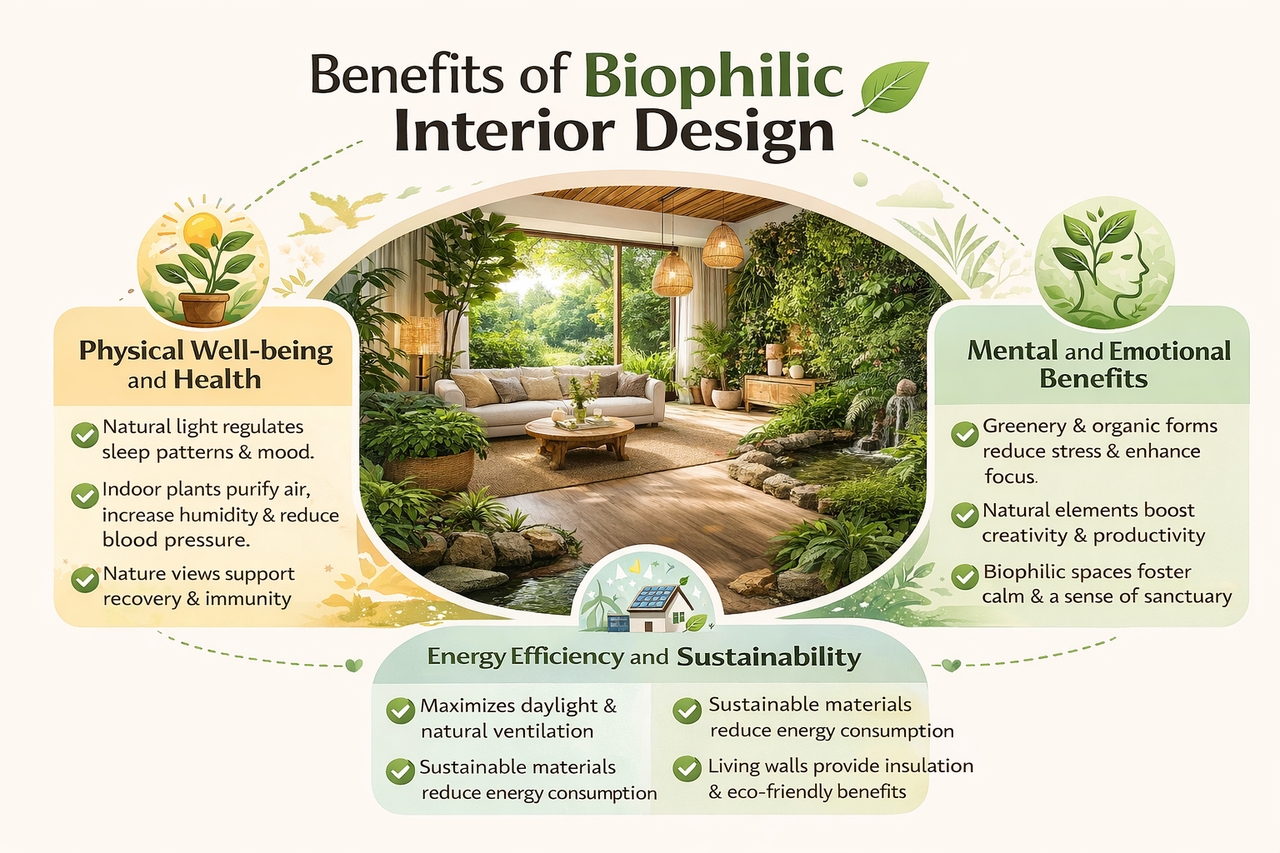
Physical well-being and health: Natural light helps regulate circadian rhythms, improving sleep and mood while reducing symptoms of seasonal affective disorder. Indoor plants purify air by removing VOCs, increase humidity, and can lower blood pressure and heart rate. Access to nature views and elements supports faster recovery and stronger immune function.
Mental and emotional benefits: Greenery and organic forms in biophilic design have a profound impact on mental and emotional health. They help reduce stress and lower cortisol levels, promoting relaxation. These elements also enhance focus, creativity, and productivity, while creating a calming atmosphere that fosters a sense of sanctuary and well-being.
Energy efficiency and sustainability: Maximizing daylight and natural ventilation decreases reliance on artificial lighting and mechanical systems. Sustainable natural materials and thoughtful layouts (including living walls for insulation) lower energy consumption and environmental impact, aligning with greener living goals.
Core principles of biophilic interior design
Biophilic interior design is grounded in a set of core principles that translate our innate human connection to nature into practical interior spaces. These principles, inspired by frameworks from experts like Stephen Kellert and Terrapin Bright Green, help create environments that feel restorative, harmonious, and deeply satisfying.
Direct environmental features: The tangible presence of nature within space, such as fresh air, flowing water, living plants, and abundant natural light. These elements provide immediate sensory engagement with the living world.
Natural analogues: Indirect or symbolic references to nature through materials, colors, patterns, and shapes that evoke the outdoors — for example, wood grain textures, stone surfaces, or seashell-inspired curves — without using actual living elements.
Nature of space (Prospect and Refuge): Thoughtful spatial design that balances open views and expansive areas (prospect) with safe, enclosed, cozy nooks for retreat and protection (refuge), mirroring the environments humans evolved in for both exploration and security.
Place-based relationships: Connecting the interior to its specific location by incorporating local geography, climate, culture, and ecology. This includes using indigenous or regionally sourced materials that reflect the surrounding landscape and heritage.
Evolutionary human-nature relationships: Designing spaces that respond to our deep biological need to interact with nature, offering a balanced mix of stimulation (variety and discovery) and security (calm and shelter) to support well-being on an instinctive level.
Key elements of biophilic interior design
Biophilic interior design brings nature indoors through specific, practical elements that engage the senses and enhance everyday living. These core features work together to create spaces that feel alive, calming, and deeply connected to the natural world.
Natural light: Maximizing daylight with large windows, skylights, and glass doors to flood interiors with sunlight. This helps regulate circadian rhythms, boost mood, improve sleep quality, and create a brighter, more uplifting atmosphere.
Indoor plants and greenery: Incorporating potted plants, living green walls, and vertical gardens not only beautifies the space but also improves indoor air quality by filtering VOCs, increases humidity, and delivers calming visual relief.
Natural materials: Using tactile, organic materials such as wood, stone, bamboo, clay, and cork to create a sensory connection with the earth. These warm, renewable materials add texture, reduce toxins, and bring authentic natural beauty into the home.
Water features: Adding fountains, aquariums, or small indoor ponds that introduce gentle movement and soothing sounds. The sight and sound of water promote relaxation, reduce stress, and add a dynamic, living element to the interior.
Organic shapes and forms: Embracing biomorphic patterns, soft curves, and non-linear shapes that echo forms found in nature. Moving away from rigid straight lines creates a more fluid, harmonious environment that feels instinctively comforting and alive.
How to add biophilic interior design to your home
Implementing biophilic home interior design doesn't require a complete renovation. You can create a meaningful connection with nature by starting small and gradually layering in thoughtful elements. Here's a practical step-by-step guide to help you begin:
Start with small natural elements
You don't need a complete overhaul to begin. Introduce indoor plants, fresh flowers, or even simple additions like wooden trays, stone accents, or woven baskets. These small touches instantly soften a space and establish a visual link to nature. If you're new to plant care, start with low-maintenance varieties like snake plants or pothos.
Use layered lighting (natural + warm artificial)
Maximize natural light wherever possible—keep windows unobstructed, use sheer curtains, and position mirrors to reflect sunlight deeper into your rooms. Complement this with warm artificial lighting in the evenings. Think soft, diffused lamps rather than harsh overhead lights. The goal is to mimic the gentle transitions of daylight.
Choose sustainable decor materials
Opt for materials that are renewable, recycled, or responsibly sourced. Furniture made from reclaimed wood, organic fabrics like cotton or linen, and natural fibers such as jute or rattan all contribute to a more grounded, eco-conscious aesthetic. These choices enhance tactile appeal while reducing environmental impact.
Incorporate water elements and natural scents
Water features, like a small tabletop fountain or even an aquarium, can add a soothing auditory dimension to your home. Pair this with natural scents such as essential oils (eucalyptus, lavender, or sandalwood) to create a multi-sensory experience that promotes relaxation and well-being.
Blend technology with nature-inspired aesthetics
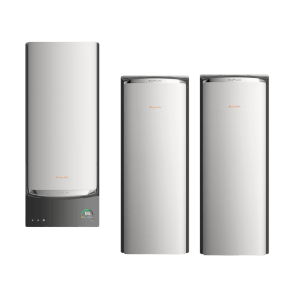
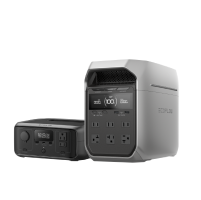
Modern living doesn't mean sacrificing your connection to nature. Smart home systems can enhance biophilic design when used thoughtfully. Integrating a solar solution like EcoFlow Ocean Pro helps run lighting, water features, and climate systems efficiently, supporting a biophilic home interior design that is both cleaner and more harmonious. It starts at 10kWh of storage and scales up to 80kWh, while accepting up to 40kW of solar input. With a silent 24kW continuous output (<45 dB), it quietly powers heavy-duty HVAC and water systems without disrupting your home's tranquil, biophilic atmosphere. The system's chassis is available in aerospace-grade aluminum, premium walnut wood, or carbon fiber, each precision-finished to complement rather than compete with your interior. Unlike traditional bulky batteries, its sleek, minimalist design blends seamlessly into your home's architecture, maintaining visual flow.

Ready to power your indoor sanctuary with 100% clean energy? Book a Free Consultation to see how OCEAN Pro fits into your home's aesthetic.
Get Your Free Home Energy Consultation!
Which energy solution are you interested in?
Common mistakes in interior biophilic design
While biophilic interior design can transform your home into a calming, nature-connected sanctuary, it's easy to make mistakes that reduce its effectiveness or create new problems. Avoiding these common pitfalls will help you achieve a balanced, functional, and truly restorative space.
Overcrowding with too many plants: Adding too many plants at once can make the space feel cluttered, block natural light, and lead to high maintenance demands. Start small and choose the right plants for your light and humidity levels, rather than filling every surface.
Ignoring natural light balance: Blocking windows with heavy curtains or furniture, or relying solely on harsh artificial lighting, defeats the purpose of biophilic design. Always prioritize daylight while using layered, warm artificial lights to support circadian rhythms without creating glare or dark corners.
Using artificial materials excessively: Relying heavily on synthetic plastics, laminates, or chemically treated items undermines the natural feel and can introduce harmful VOCs. Prioritize authentic natural materials like wood, stone, and bamboo for genuine sensory connection and healthier indoor air.
Poor ventilation planning: Plants improve air quality only when paired with good airflow. Without proper ventilation or air circulation, humidity can build up, leading to mold growth and reduced benefits. Plan for fresh air exchange alongside your greenery.
Focusing only on visuals, not functionality: Creating a space that looks "Instagram-perfect" but feels impractical for daily living defeats the purpose. Biophilic design should enhance comfort, usability, and well-being — not just aesthetics. Ensure every element serves both beauty and real-life needs.
Conclusion
Biophilic interior design transforms modern homes into restorative sanctuaries by reconnecting us with nature. It enhances physical and mental well-being, improves air quality, reduces stress, boosts energy efficiency, and creates spaces that feel alive, calming, and deeply harmonious. The beauty of this approach lies in its flexibility — you don't need a full renovation to experience the benefits. Start small with a few indoor plants, better use of natural light, or a single natural material accent, and let the changes grow organically over time. Ultimately, successful biophilic interior design is about striking the perfect balance between aesthetics, sustainability, and comfort. When done right, it delivers a home that not only looks beautiful but truly supports your health, happiness, and connection to the natural world.
FAQs
1. Why is biophilic interior design becoming popular?
Biophilic design is gaining popularity as people seek ways to reconnect with nature. It improves well-being, reduces stress, and enhances productivity, while also supporting sustainability in modern living spaces.
2. Can biophilic interior design work in apartments?
Yes, biophilic interior design works beautifully in apartments. Use vertical gardens, strategic potted plants, mirrors to amplify light, natural materials, and layered lighting to bring nature into even small or limited spaces.
3. Is biophilic interior design expensive to implement?
Not necessarily. Many elements, like adding plants, improving natural light, and choosing affordable natural materials, are budget-friendly. Larger features, such as living walls or water elements, can increase costs but deliver long-term value.
4. Does biophilic design require a lot of maintenance?
Maintenance for biophilic design is relatively minimal. It mainly involves caring for plants, ensuring proper ventilation, and maintaining natural materials. Proper planning and selecting low-maintenance elements can reduce upkeep significantly.
5. How does clean energy fit into a biophilic home?
Clean energy solutions like EcoFlow OCEAN Pro perfectly complement biophilic design. They provide quiet, renewable solar power for lighting, water features, and climate systems — enhancing sustainability without disrupting the calm, nature-inspired aesthetic.

