
Best States for Homesteading in 2026: How to Build a Modern Homesteading Life
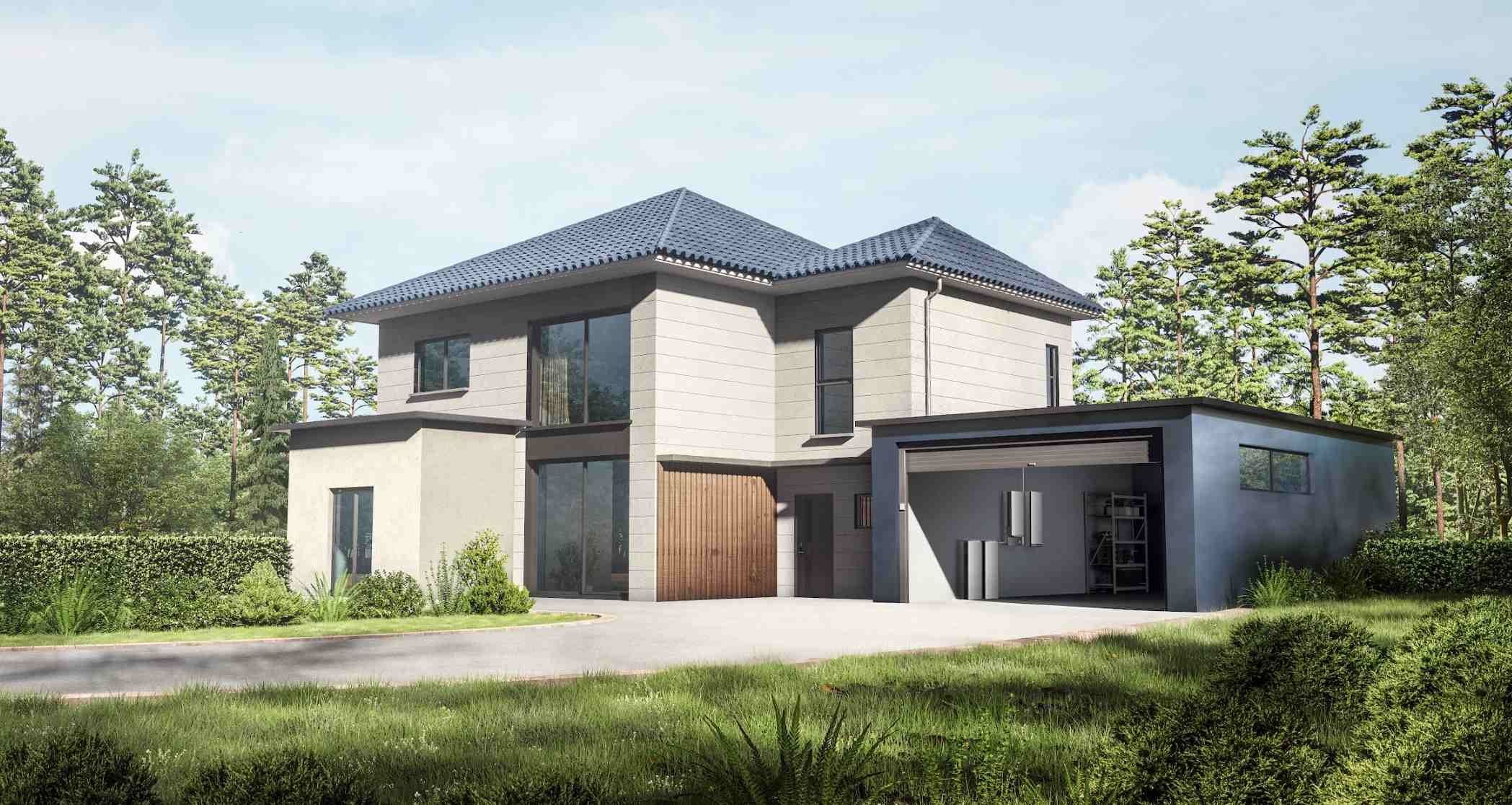
A modern homestead depends on more than open land. It needs reliable water, workable local rules, a climate that supports long-term production, and a home that can stay steady under daily pressure. For people searching for the best states for homesteading, the real goal is to find a place that supports food growth, practical land use, and full-house resilience. A strong choice should make everyday life easier, more stable, and better prepared for the future.
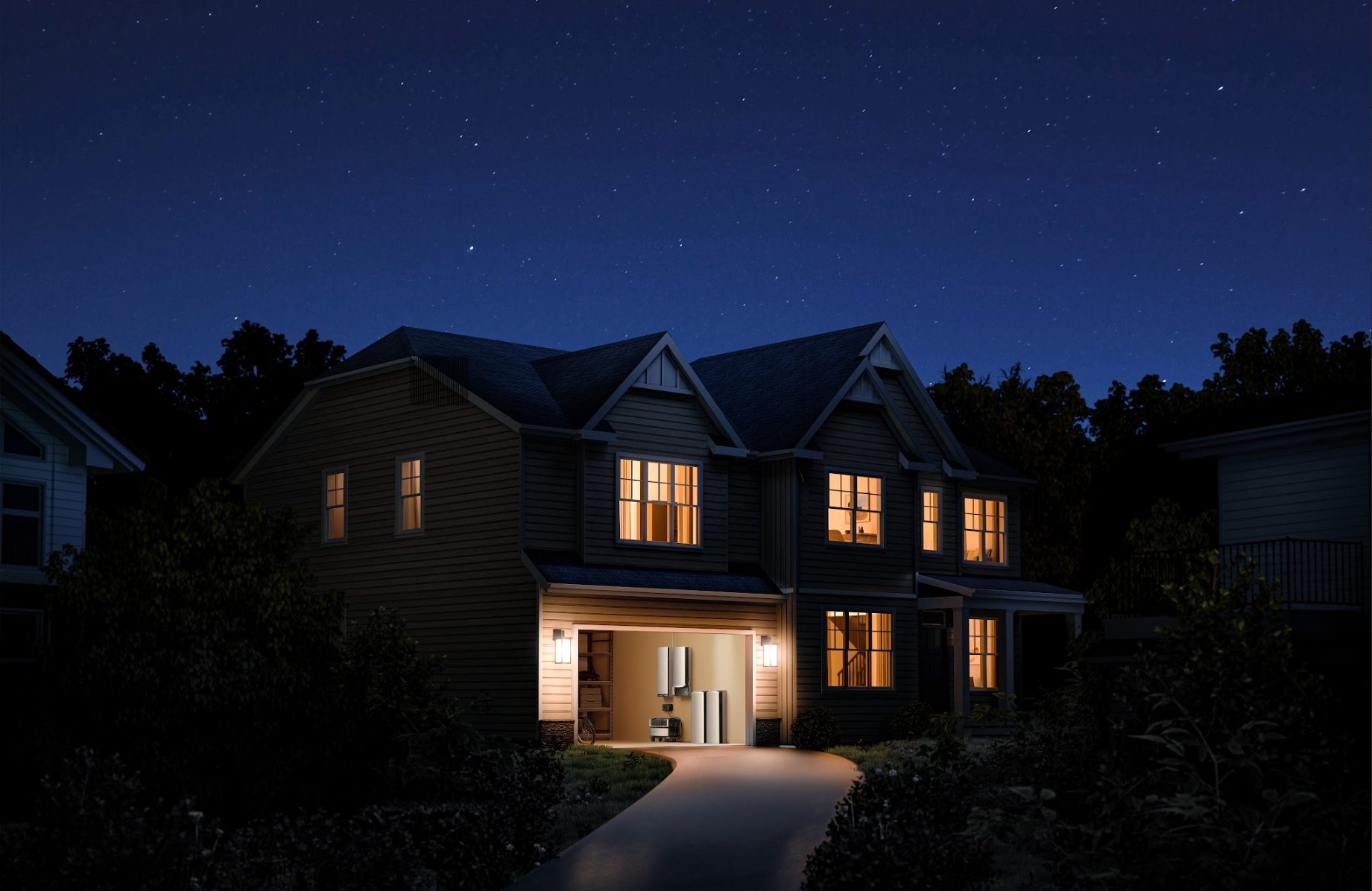
What Does Modern Homesteading Look Like in 2026?
The first question many buyers ask is still what is modern homesteading. The meaning of homesteading today reaches well beyond a simple rural image. In practice, modern homesteading means producing part of your food, protecting your water and soil, preserving harvests, and building house systems that can handle outages, heat, cold, and rising utility pressure. That practical view is the right starting point when comparing the best states for homesteading.
For a large-home household, daily life often includes freezers, well pumps, HVAC, internet, and workspace loads. That is why modern homesteading now includes home systems planning from the beginning. A parcel may look attractive online, yet it can still create long-term stress if the water situation is weak, the county rules are restrictive, or the home setup cannot support full-house continuity.
Which Factors Matter Most When Choosing the Best States for Homesteading?
The best states for homesteading tend to stand out through a handful of filters that shape daily life year after year. Land price matters, though it should sit next to water reliability, winter lows, county rules, property taxes, insurance pressure, and energy planning from the start.
Land and Water
Water deserves top billing. Seasonal drought outlooks can change fast, and some parts of the country face sharper pressure on wells, ponds, and irrigation than others. A lower purchase price loses its appeal quickly when water access is unstable or dry-season stress keeps growing.
Climate and Growing Conditions
Growing conditions shape the work your homestead will ask of you. Winter minimums affect perennials, fruit trees, and long-term crop planning, which is why hardiness zones remain a useful first screen when you narrow a state and then a county.
Rules, Taxes, and Rural Access
Every state has some form of right-to-farm protection, yet the details vary, and county rules still control much of daily reality around livestock, outbuildings, setbacks, wells, septic, and solar work. Property taxes also differ sharply across states and counties, so carrying costs deserve a hard look before any land purchase.
Full-House Energy Planning
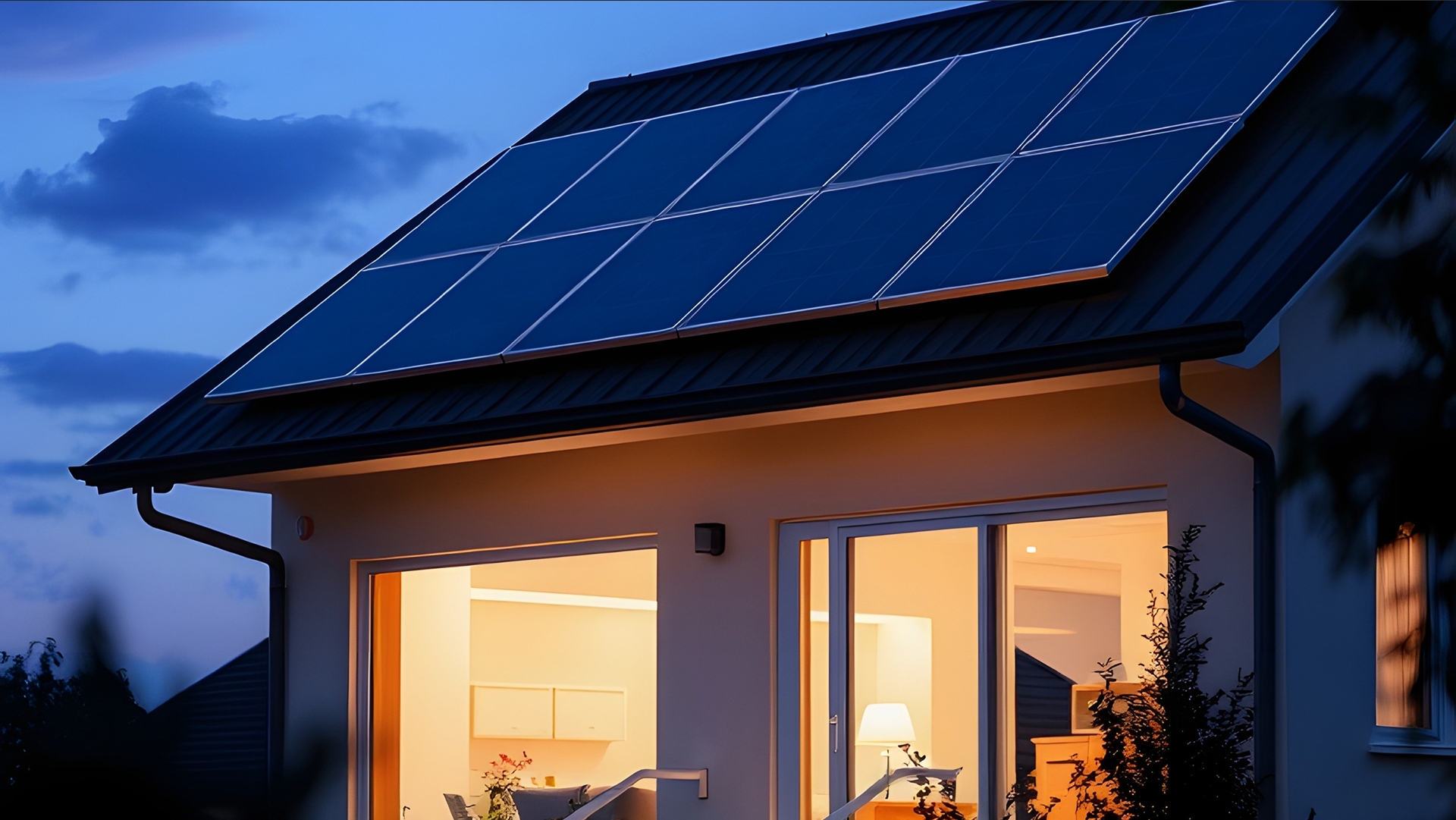
For homeowners focused on large home storage, energy belongs on the same checklist as water and zoning. A house with pumps, refrigeration, climate control, and workloads needs a stronger resilience plan than a light-use cabin. Solar paired with battery storage can support backup power during disruptions and improve day-to-day home energy management.
Which U.S. States Offer the Best Balance of Land Cost, Climate, and Freedom?
People searching for the best states for homesteading often want one clean winner. Real life is messier. County rules, water conditions, and weather exposure can change the answer quickly. Even so, a few states often stay near the top of the shortlist because they offer a workable mix of rural land access, growing potential, and room for a full-house setup.
Tennessee and Kentucky
These states often appeal to buyers who want a long growing season, four-season living, and broad rural choice within reach of services. They can fit gardens, orchards, poultry, pasture, and a family home that still needs regular contractor access, medical access, and stable daily logistics. Local zoning and storm exposure still need close review before you move forward.
Missouri and Arkansas
Missouri and Arkansas often draw interest from households that want flexible land use and a practical path to a diversified homestead. Buyers looking for garden space, livestock infrastructure, workshop room, and future house upgrades often keep these states in view. Drainage, flood exposure, insurance cost, and county-level rules deserve a careful review on each parcel.
Idaho
Idaho often appeals to households that value space, strong solar potential, and a self-reliant lifestyle. It can be a strong fit for large properties and full-house planning, though water availability, western drought pressure, and wildfire exposure deserve tighter screening there than many buyers expect early in the search.
When you compare these options, keep the county lens in place. The best states for homesteading only become the right answer after you confirm water, zoning, taxes, access, and a home energy path on the exact parcel you may buy.
How Should You Match Your Homesteading Goals to a State?
Your daily goals should shape your shortlist. The best states for homesteading for a food-first family may differ from the right fit for a livestock household or a large all-electric home. Start with the workload you expect every week, then match the state to that reality.
If Food Production Comes First
If your answer to what is modern homesteading includes vegetables, fruit trees, food preservation, and a serious pantry, put growing season, winter lows, rainfall, and water access near the top of your list. The meaning of homesteading becomes very concrete once crop losses hit your food plan and your budget.
If Livestock Sits at the Center
Pasture quality, fencing, hauling routes, feed access, and veterinary reach all matter. State law sets the general backdrop, though county rules often decide how comfortable day-to-day operations will feel once animals are on the property.
If the House Carries Heavy Electrical Loads
This is where many large-home buyers tighten their standards. A homestead with well pumps, multiple freezers, HVAC, electric cooking, and remote work gear needs continuity across the whole house. In that case, the best states for homesteading are the ones where land, climate, and a serious energy plan can move forward together on one property.
Get Your Free Home Energy Consultation!
Which energy solution are you interested in?

Why Home Energy Resilience Is Now Part of Modern Homesteading
For large households, energy resilience now sits inside the core of modern homesteading. A long outage can interrupt water, refrigeration, heating, cooling, communications, and work on the same day. That pressure changes how people judge the best states for homesteading, especially in places facing storm risk, high power bills, or grid stress during peak seasons.
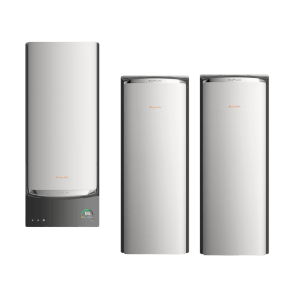
For homeowners planning a serious whole-home setup, EcoFlow OCEAN Pro fits naturally into the conversation because it is positioned as a U.S. home solar battery storage system built for 24/7 whole-home backup and smarter energy use at home. That aligns well with a homestead built around long-term stability, stored solar use, and lower dependence on the grid.
What Should You Check Before Buying Land or Upgrading a Homestead?
Even in the best states for homesteading, a weak parcel can create years of avoidable cost and stress. Before you buy land or upgrade an existing place, walk the site as if you already live there full-time and depend on it every day.
Run Through This Checklist Before You Commit
Confirm zoning, setbacks, livestock rules, and permit requirements for barns, fencing, wells, septic systems, and future solar work.
Review water first, including drainage, ponding, dry-season pressure, and well reliability.
Check road access, winter entry, delivery routes, contractor reach, and emergency response time.
Map critical electrical loads early so the house plan supports pumps, refrigeration, climate control, and workspace needs.
Price the full carrying cost, including taxes, insurance, internet, repairs, and land improvement.
Look at solar exposure and roof or ground space if you expect a future whole-home storage system.
Build a More Practical Modern Homesteading Life Now!
Choosing among the best states for homesteading comes down to daily reality: water, land cost, growing conditions, county rules, and the demands of a full house. The right property should support your food goals and help your home stay stable through outages, high bills, and seasonal stress. As you compare locations and plan for long-term resilience, keep a whole-home energy strategy in view and Get a Quote for EcoFlow OCEAN Pro if you want to build a stronger home setup.
FAQs
Q1. What is the best state to live in for homesteading?
There is no single best state for everyone. A strong choice depends on your water access, county rules, climate, land budget, and the electrical needs of your home. In practice, many buyers focus on states such as Tennessee, Kentucky, Missouri, Arkansas, and Idaho, then narrow the search at the county level before buying.
Q2. What is the cheapest state to buy land for homesteading in the US?
New Mexico is often cited among the cheapest states for land on a statewide average basis. Wyoming, Nevada, and Montana also tend to rank low in average land value. Still, cheap land is not always the best homesteading land because water, access, soil, and improvements can change the real cost quickly.
Q3. Are the cheapest states always the best for homesteading?
No. Lower land cost can come with tradeoffs such as drought pressure, weaker water access, wildfire exposure, or stricter development limits on a specific parcel. Land values vary widely by region because of local economic and geographic conditions, so the best homesteading deal is usually the parcel that balances cost with water, access, and usable land.
Q4. In What States Can You Legally Live Off the Grid?
There is no single state list that guarantees easy off-grid living everywhere. In many places, yes, off-grid living is allowed, but local zoning, building codes, septic rules, water use, and even RV or outbuilding rules often decide what is legal on a specific property. County and township rules usually matter as much as the state itself.
Q5. Is It Possible to Live 100% Off-Grid?
Yes, it is possible, but it is difficult for most households year-round. You need dependable water, legal waste handling, food systems, and enough on-site energy to cover refrigeration, pumps, heating, cooling, and communications during disruptions. Many households aim for high self-sufficiency and whole-home resilience, which is often more practical than complete separation in every season.

