
Beat the High Average Electric Bill in PA With Smart Home Tactics
Pennsylvanians frequently face sudden energy spikes that can disrupt a carefully planned budget. Whether heating a historic farmhouse during winter storms or cooling a suburban home in July, understanding the average electric bill in PA is the critical first step toward controlling monthly expenses.
Instead of suffering through unpredictable rate hikes and severe weather outages, proactive homeowners are taking charge. Integrating a modern home battery backup provides an excellent way to maintain steady power and reduce grid reliance. This guide breaks down hidden charges, navigates the deregulated market, and offers practical steps to permanently lower utility spending.
What Makes Up the Average Electric Bill in Pennsylvania?
Reading a utility statement is like reading a foreign language. But if you break down the charges, you can see exactly where hard-earned cash goes each month. A typical Pennsylvania utility bill separates costs into two major categories: supply and distribution. Anyone wanting to cut down on monthly expenses needs to know this split.

Understanding Distribution vs. Supply
The "supply" portion of a bill refers to the actual cost of generating the electricity. This is the energy created at power plants, wind farms, or solar facilities. In Pennsylvania, residents have the power to shop around for this specific portion of the bill.
The "distribution" portion, on the other hand, covers the cost of delivering that electricity to a home. This includes maintaining the local power lines, utility poles, and transformers. Local utility companies charge this fee regardless of who supplies the actual power. Because the local utility owns the physical infrastructure, the distribution rate remains fixed and cannot be shopped for.
Average Usage Statistics
For context, the U.S. Energy Information Administration (EIA) data shows that typical residential consumption in the state is around 850 to 900 kilowatt-hours (kWh) per month. During the peak summer and winter months, this number can easily go over 1,000 kWh. By knowing what a typical power consumption for a house is, households can tell if their consumption is normal or too high. In mild weather, if a home regularly pulls over 1,000 kWh, it is usually a good indication that appliances are inefficient or insulation is not working.
Key Factors Influencing Your Monthly Electricity Costs
A utility bill each month isn't an isolated thing. It depends on a number of physical and behavioral parameters. If families understand these elements, then they understand where energy is being wasted and how to prevent it.
Home Size & Architectural Design
The physical nature of a property is an important ingredient for utility pricing. Bigger homes naturally use more energy to heat and cool because there is more square footage. For example, while high ceilings are desirable in a living room, they tend to hold the warm air at the ceiling, forcing heating systems to work harder to keep the floor temperatures comfortable.
Many older Pennsylvania homes also lack modern insulation. In winter, poor insulation allows heated air to escape. In summer, conditioned, cool air seeps out. One of the most effective means of reducing the average electric bill in PA is to improve the insulation in an attic or basement.
Seasonal Weather Extremes
The weather in Pennsylvania is distinct and at times extreme. The stress placed on home HVAC systems in hot, humid summers and cold, ice-filled winters cannot be overstated. Heating systems remain on constantly during blizzards to maintain a safe indoor temperature.
The same goes for July heat waves and air conditioning units running at full blast. Those seasonal changes result in big spikes in grid consumption. By taking measures to reduce energy bills prior to such extreme weather events, households can avoid unexpected financial shocks.
Appliance Age and Efficiency
Older appliances are like hidden drains on your monthly budget. The old water heater and refrigerator used a lot of power. New ones with Energy Star certification use a lot less. The difference is huge. A refrigerator built 15 years ago consumes much more electricity than one manufactured today.
Similarly, traditional electric water heaters heat water 24 hours a day, even when the house is empty. Replacing older, inefficient appliances, as well as using smart plugs, can significantly decrease a home's baseline power load.
Daily Occupant Habits
Behavioral patterns play a massive role in baseline energy consumption. For instance, the rise of remote work means more computers, monitors, and lights are running throughout the day. A larger family size naturally leads to more frequent laundry loads, more hot water usage for showers, and a higher number of electronics plugged into the walls. By simply adjusting daily habits—such as running the dishwasher only when full or turning off unused electronics—households can see a noticeable drop in their monthly statements.
How to Compare Electric Rates in PA
Pennsylvania is a deregulated electric market. Consumers do not have to buy their electricity supply from their local utility company. Instead, they can shop around for the best rates.
Finding Your Way in the Deregulated Market
If residents want to successfully compare electric rates in PA, they should first take a look at their current bill and locate the "Price to Compare". PTC (Price to Compare) is the standard rate that your local utility company charges for the supply portion of the bill. A homeowner who finds a supplier offering a rate lower than the PTC will save money on their monthly statement.
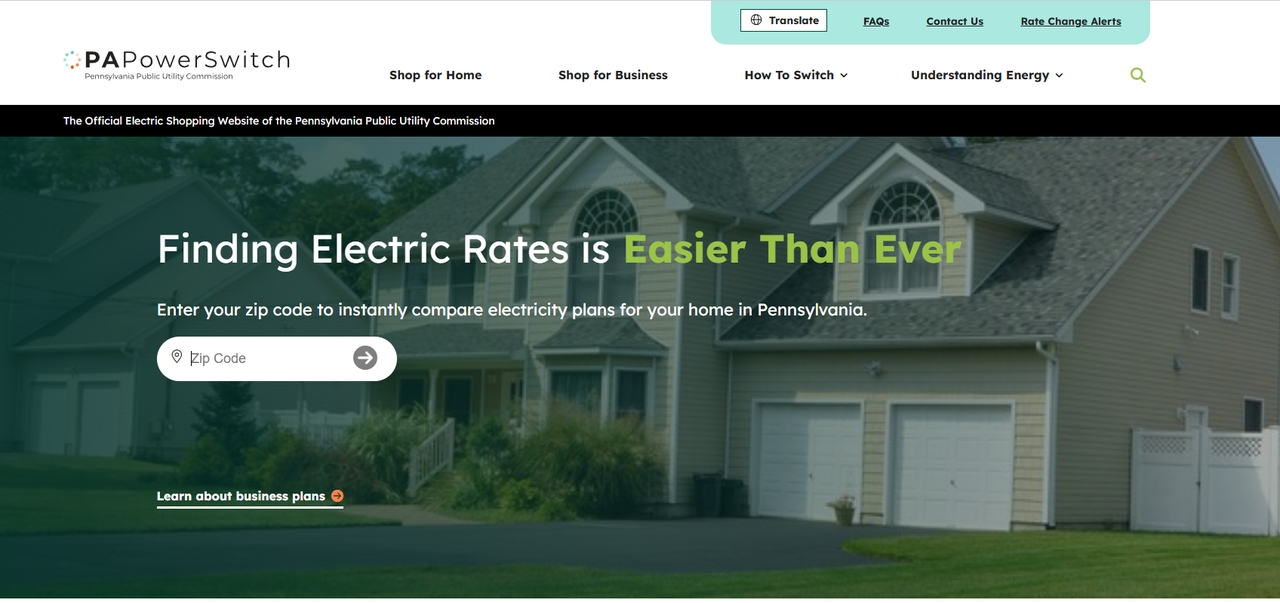
The best and most reliable way to explore these options is through the state's official PA Power Switch platform. Residents can enter their zip code on this government-run website and see a full list of energy suppliers available in their area. For example, the platform lets you filter your search to find exactly what you need, whether that is a 12-month fixed-rate contract or a plan powered by 100% renewable energy.
Fixed vs Variable Plans
When shopping for the best electricity rates in Pennsylvania, consumers will come across two main types of plans: fixed and variable.
Fixed-rate plans lock in a set price per kWh for a specified length of contract (12, 24, or 36 months). This gives amazing budget certainty. If something happens in the energy market, like a harsh winter storm, and there is a sudden spike in prices, the fixed rate stays exactly the same.
Conversely, a variable rate plan fluctuates with the current market conditions. These plans may have a lower introductory rate, but they carry a high level of risk. A summer heat wave can send energy demand soaring, which will cause the variable rate to soar, and you get a shockingly high electric bill. The best way for most households to secure themselves against the seasonal market surges is to lock in a fixed-rate plan.
Effective Strategies to Lower Your Electricity Costs
But finding a cheaper energy supplier is only part of the battle. The secret of long-term savings is to provide very practical, actionable steps to reduce total grid consumption.

Conduct a Comprehensive Home Energy Audit
Knowing where a home leaks energy can be a good investment before making major upgrades. Easy, do-it-yourself steps can make a big difference. For example, caulking around window frames and weatherstripping exterior doors keeps out unwanted drafts.
For a more in-depth analysis, a blower door test is highly recommended to be done by a professional. This test depressurizes the house, which makes it easy to locate hidden air leaks in attics, crawlspaces, and wall cavities. Sealing these leaks helps hold the expensive heated or cooled air where it belongs.
Upgrade to Energy-Efficient Lighting and Appliances
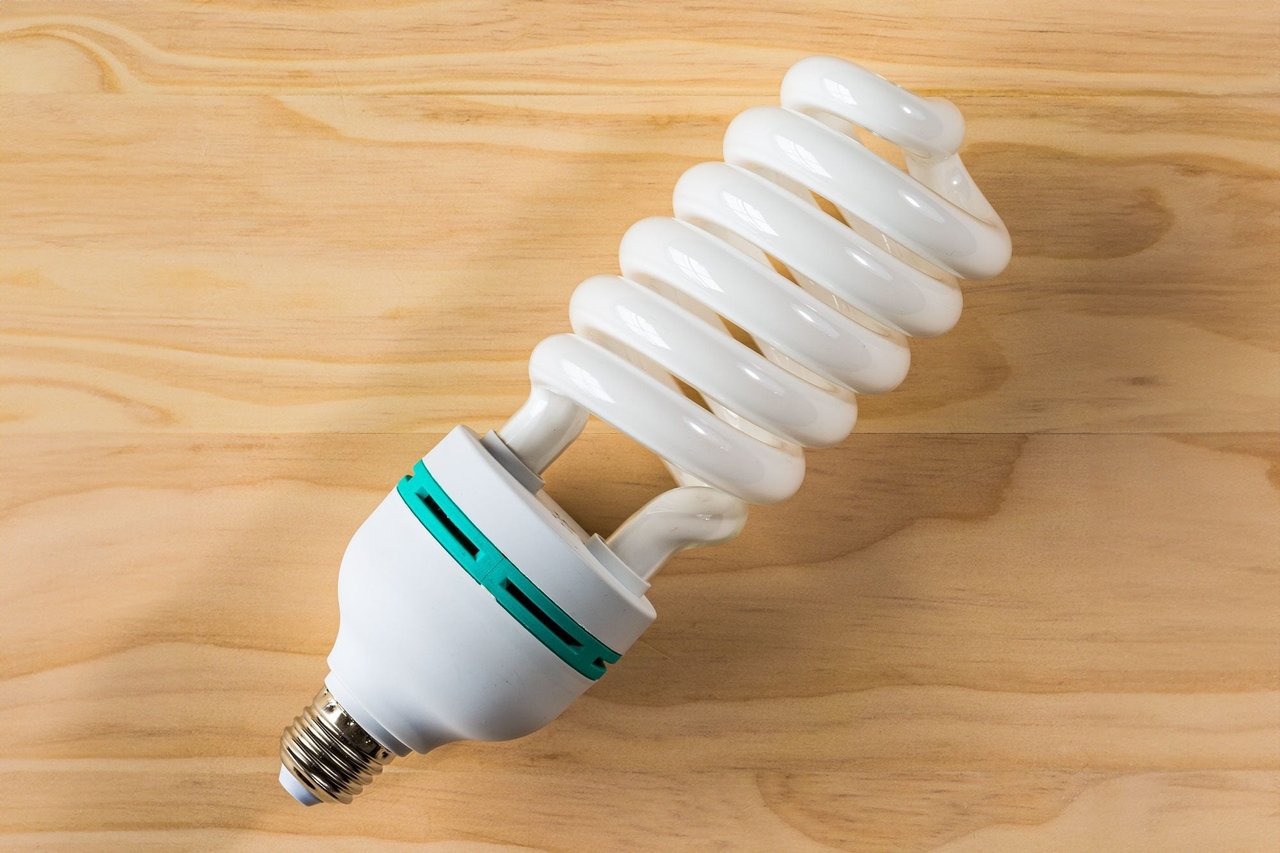
Lighting is a significant portion of residential energy consumption. A quick fix that gives immediate results is replacing old incandescent bulbs or compact fluorescent lights (CFLs) with modern LED bulbs. LEDs consume a fraction of the power and last for years longer.
Also, by finding and unplugging "energy vampires," you prevent wasted electricity. Gaming consoles, microwaves, and desktop computers use trace amounts of power even when they are not switched on. You can plug these items into a smart power strip and completely cut the power flow with the push of a button.
Manage Usage with Smart Storage Systems
Advanced home battery storage is the practical and modern way to true energy independence. Households can strategically shift their power consumption to avoid paying premium prices for utility during busy late afternoon peak hours. For instance, the EcoFlow OCEAN Pro Solar Battery System brings a very powerful intelligent mode to a property. This clever function automatically stores cheaper, off-peak electricity – whether it's from the grid or captured by home solar panels – and releases it at the very moment that utility rates soar. This natural transition helps to reduce daily costs without forcing a family to change their comfortable habits or stop using devices that are necessities.
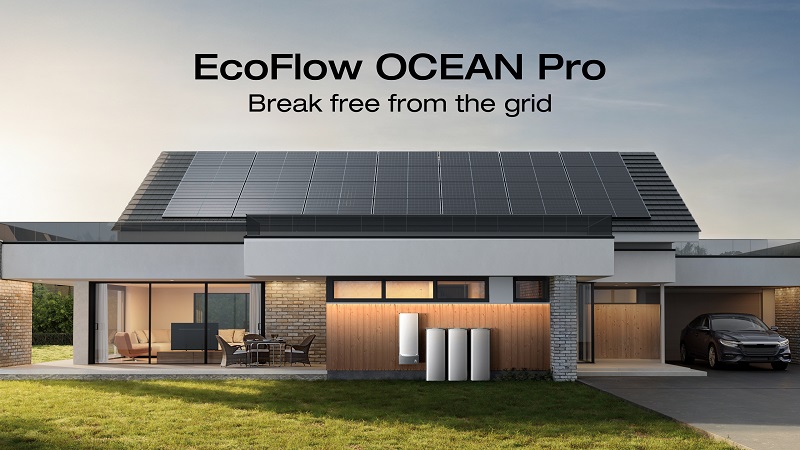
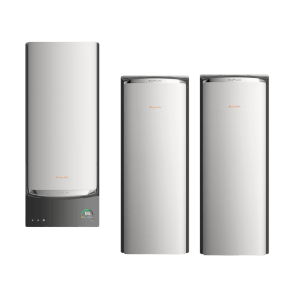
Built around stackable 10kWh battery modules, the setup easily scales up to 80kWh to fit specific energy needs. Furthermore, it features a robust 205A LRA (Locked Rotor Amp) rating. This delivers enough instant surge power to simultaneously start and run heavy household loads, such as two 5-ton HVAC units, keeping the home perfectly comfortable during unexpected grid blackouts.
Are you ready to resolve your uncertainty about power outages and rising grid prices? We can help you achieve complete energy independence while keeping your heaviest appliances running smoothly. Request a consultation today to explore the perfect smart battery setup tailored to your home.
Get Your Free Home Energy Consultation!
Which energy solution are you interested in?

Adjust HVAC and Thermostat Settings
Heating and cooling consume more energy than any other system in a residential property. Installing a programmable or smart thermostat automates temperature control, removing human error from the equation. These devices can be set to allow the house to run slightly warmer in the summer or cooler in the winter while the family is at work or school. When the house is empty, there is no need to pay for perfect climate control.
Optimize Home Water Heating
Water heaters are the biggest energy hogs. One easy, inexpensive adjustment is to turn the water heater down to 120°F (49°C) from its default setting. This temperature is hot enough for comfortable showers and good dishwashing, but prevents the machine from wasting power to keep dangerously hot, scalding water. For older tanks, an insulating blanket adds a protective layer around the unit that dramatically reduces standby heat loss.

Master Your PA Energy Bill
Controlling the average electric bill in PA does not have to be a frustrating guessing game. By breaking down the monthly statement, residents can clearly identify the difference between fixed delivery fees and shoppable supply rates. Utilizing the deregulated market to lock in a fixed, low rate provides immediate budget security against extreme weather events.
And beyond that, improving home efficiency is the best way to stay comfortable during the brutal Pennsylvania winter and hot summer months. Whether it's sealing up simple window drafts or making a big investment in smart home storage, each step reduces our dependence on the old power grid. Pairing a great fixed-rate plan with smart energy management tactics is a surefire way for any homeowner to protect their household budget years into the future.
FAQs
Why is my PA electric bill so high?
High bills are often caused by poor insulation in the home, old appliances, and extreme seasonal weather. These costs can be mitigated by upgrading to a smart battery system such as the EcoFlow OCEAN Pro, which stores cheap power and uses it during expensive peak hours.
What is the average electric bill per month in PA?
The average household uses about 850 to 900 kWh per month. This usually means an average monthly statement between $130 and $160, depending on the supplier rate you choose. Summer and winter months often push this number higher.
Can I choose my electric company in PA?
Yes, Pennsylvania's electricity market is deregulated. The local utility provides power, but residents can choose a different supplier for the generation portion.
Are fixed or variable electricity rates better?
Generally, fixed rates are far better for residential customers. They agree to a fixed price per kWh over the contract term, protecting the household budget from unanticipated price spikes due to extreme weather or market fluctuations.
How do I find the best electricity rates in Pennsylvania?
The safest method is to visit the official PA Power Switch website. Entering a local zip code provides a clear, unbiased list of available suppliers, making it simple to compare prices and choose a secure fixed-rate plan.

