
Are Lithium Batteries Rechargeable?
When evaluating power solutions for your electronics or house, a common question arises: Are lithium batteries rechargeable? The answer lies in the specific chemistry of the cell. While many small consumer batteries are designed for single use, the development of home battery backup systems has popularized high-capacity rechargeable versions. Understanding these distinctions helps homeowners choose the right technology for everything from smoke detectors to whole-home energy independence.
Understanding Lithium Battery Chemistry
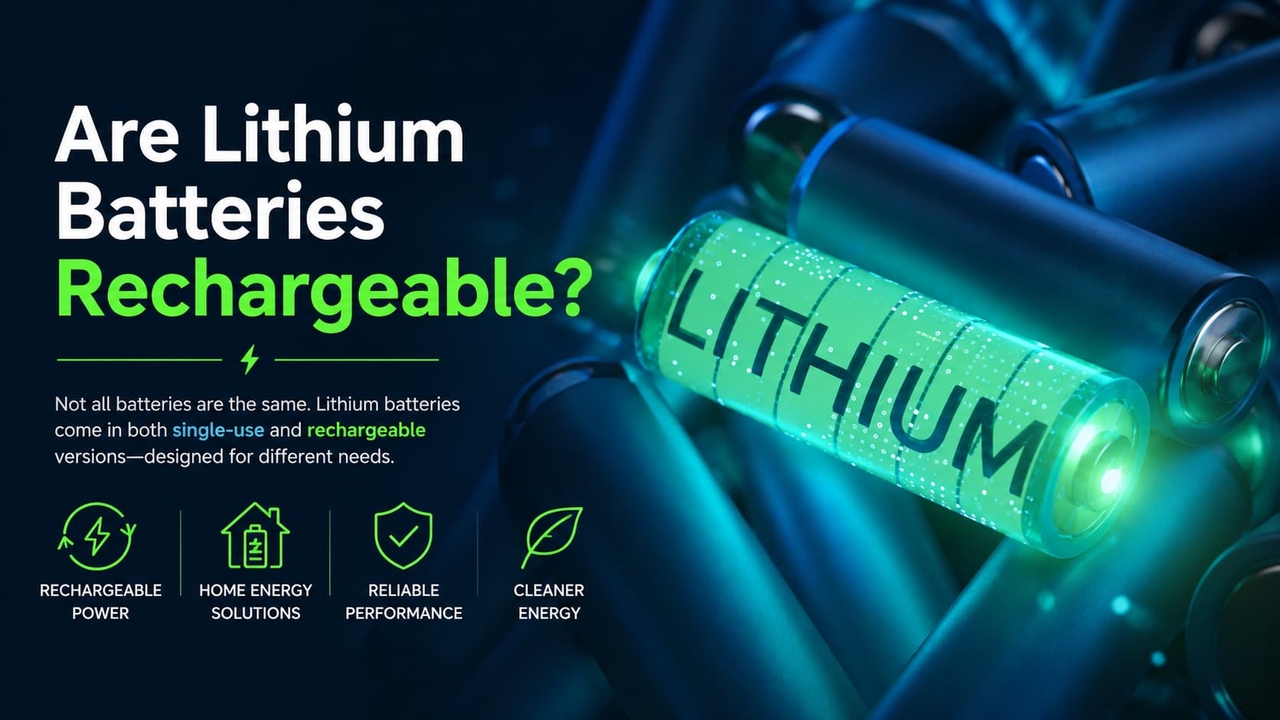
Every battery has a positive side, a negative side, and a chemical bridge in between that lets energy flow out to your device. How this energy flows determines if the battery can be recharged.
Primary Cells (Single-Use): Energy flows in only one direction. These batteries completely lack the internal structural design to handle incoming power. If you try to force electricity backward into them, the chemicals quickly overheat.
Secondary Cells (Rechargeable): These are built for two-way traffic. Their internal chemistry safely absorbs incoming electricity from a charger. This runs the chemical reaction in reverse, resetting the battery for another use.
Inside a Secondary Cell: The Ion Migration Process
The back-and-forth movement of ions determines whether a rechargeable battery is discharging power or storing it:
Battery State | Ion Movement Direction | Result |
|---|---|---|
Discharging (In Use) | Lithium ions migrate from the Anode (-) to the Cathode (+) | Releases the electrical energy that powers your device. |
Recharging (On Charger) | Grid or solar power drives ions from the Cathode (+) back to the Anode (-) | Resets the battery's chemical state for future use. |
Are All Lithium Batteries Rechargeable? Common Types
People ask this all the time. Are all lithium batteries rechargeable? The short and simple answer is no. To truly understand why, we must look at how different industries manufacture these power cells.
The market divides these options into two completely distinct groups based on what the consumer actually needs.
Disposable Options
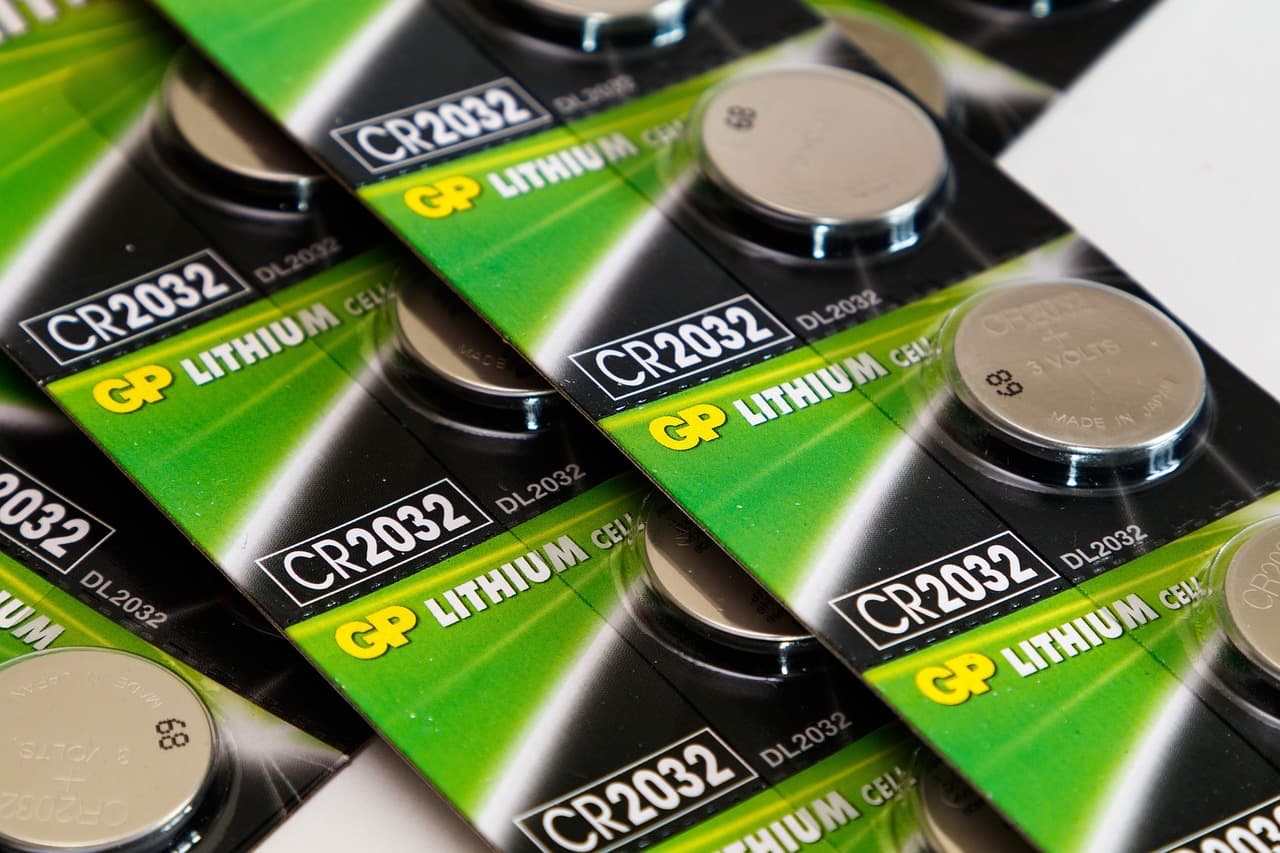
Disposable lithium batteries are everywhere in a traditional household. You have probably bought them dozens of times. These single-use items often look like standard AA or AAA cylinders. They also come in small, flat shapes like CR2032 coin cells. These specific options utilize a unique chemistry called lithium-manganese dioxide.
These options are strictly not rechargeable. They completely lack the structural overhead required for reversing those complex chemical reactions we talked about earlier. If you attempt to pump electricity into them, they will overheat. They might even crack wide open.
But this simpler design gives them some massive advantages. First, they pack a very high energy density into a tiny, lightweight shape. Second, they feature an incredibly long shelf life. A primary cell can sit in a kitchen drawer for a decade without losing its stored charge. This makes them absolutely ideal for low-drain, long-term applications. Think about smoke detectors, security key fobs, and vital medical sensors. You want a battery that simply works when you need it, without worrying about constant recharging.
Rechargeable Options
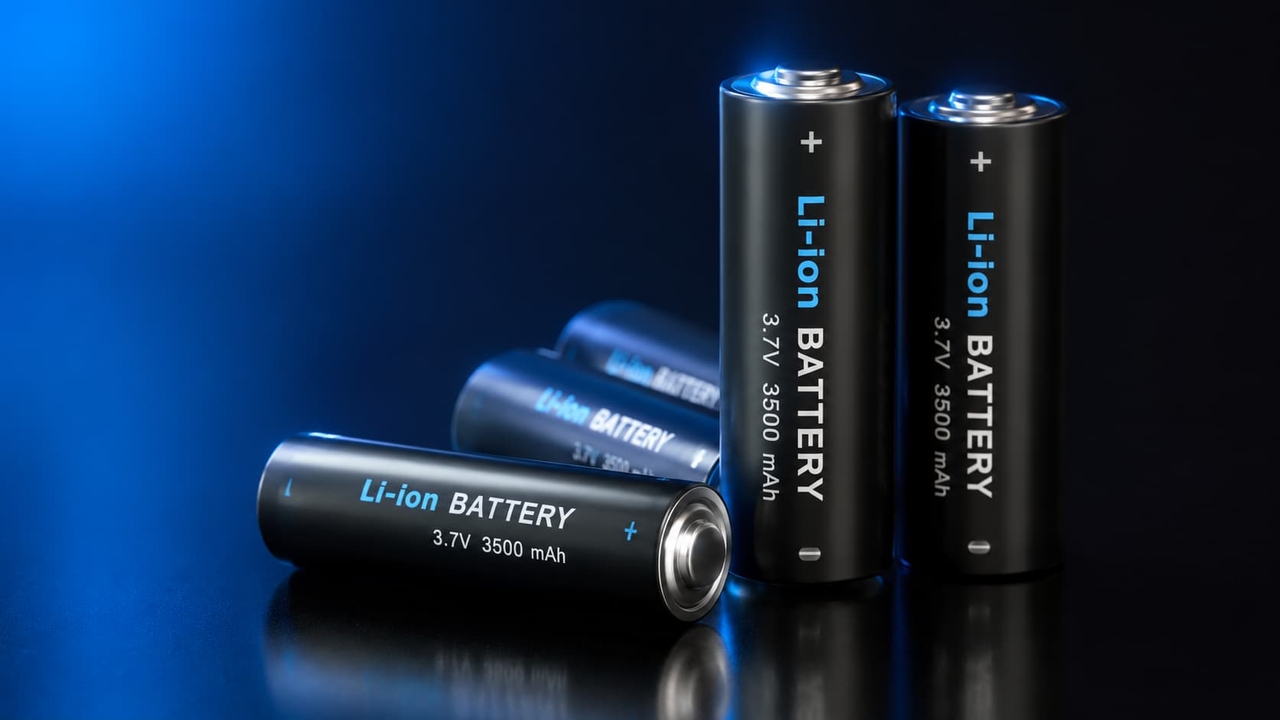
Rechargeable lithium technologies use completely different, highly advanced chemistries. The two primary types you will encounter are standard Lithium-ion (Li-ion) and Lithium Iron Phosphate (LiFePO4, or simply LFP). These robust formulations dominate modern electronics and large-scale home energy applications.
Standard Lithium-ion chemistries power small daily electronics. Your smartphone, your laptop, and your cordless drill all likely use Li-ion. They store a massive amount of power in a very tiny footprint.
However, things change when you look at massive residential installations. For large home battery backup setups, Lithium Iron Phosphate has become the undisputed leading standard. LFP chemistry offers far superior thermal stability. It provides enhanced safety profiles. Most importantly, it delivers a significantly longer operational lifespan.
The Role of Rechargeable Lithium in Home Energy Systems
Modern residential power systems rely entirely on secondary lithium cells. High-capacity LFP batteries act as a robust, dependable storage vault for your residential power needs. They actively transform your house. You go from living in a grid-dependent property to running an energy-independent sanctuary.
Providing Reliable Emergency Backup Power
Severe weather and aging grids mean power outages are no longer a rare inconvenience—they are a threat to your food supply, remote work, and daily comfort. While traditional gas generators used to be the only backup option, modern rechargeable Lithium Iron Phosphate (LFP) battery systems offer a vastly superior alternative.
Why Batteries Outperform Gas Generators
Zero Upkeep & Hassle: No expensive fuel refills, dangerous gasoline storage, or loud, neighborhood-bothering engine noise.
Safe & Clean: Batteries emit zero carbon emissions and can be safely installed indoors, typically in a garage or basement.
Instant Protection: Unlike slow-starting gas generators, battery systems switch on instantly during a blackout. Your lights won't even flicker, protecting sensitive electronics like computers and smart TVs from damaging voltage drops.
Maximizing Solar Energy Utilization
Rooftop solar panels produce peak energy during the middle of the day. But your family probably consumes the most electricity during the early evening when everyone gets home from work or school. Without a way to save that daytime power, your clean energy simply goes to waste. Often, it just gets sent back to the grid for a very minimal financial credit.
Home battery systems solve this problem. They capture your surplus daytime solar production. They lock that extra energy away so you can use it at night, or even on heavy, cloudy days.
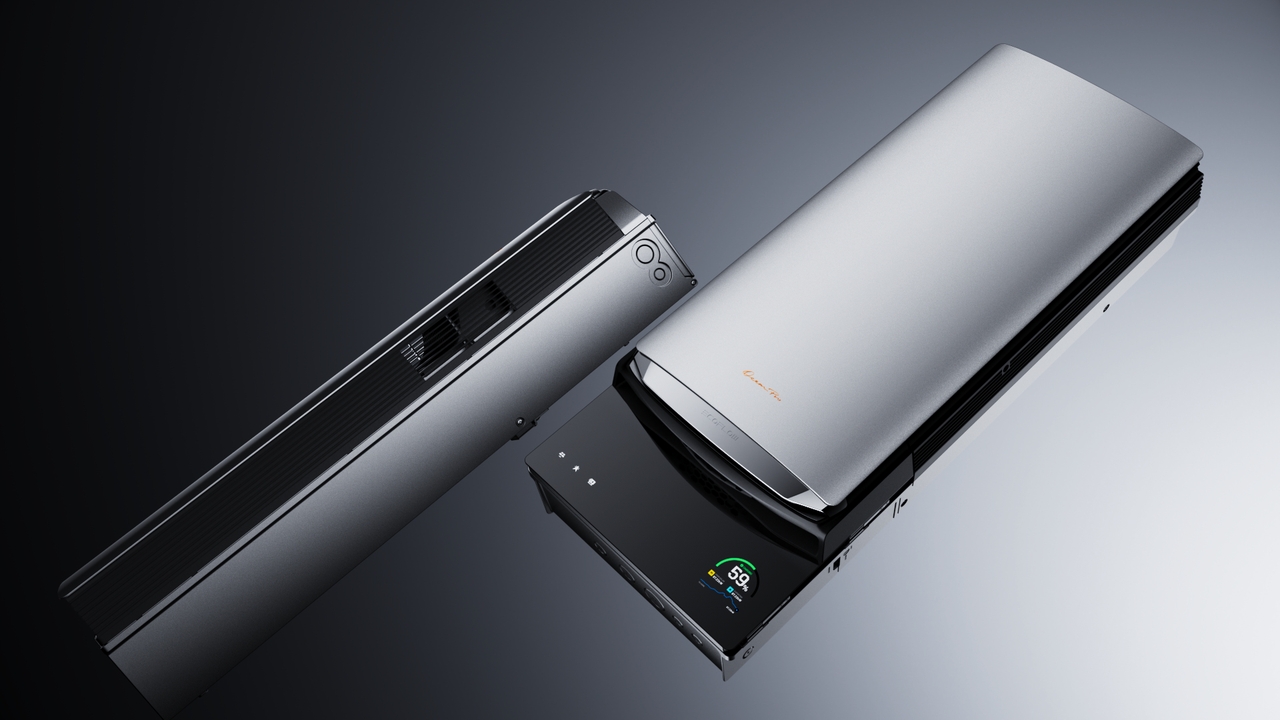
Scalable LFP solutions like the EcoFlow OCEAN Pro Solar Battery System are designed to seamlessly integrate directly with your rooftop arrays. They deliver continuous, whole-home backup exactly when you need it most. Each individual battery unit provides a substantial 10kWh of storage capacity.
Smart Load Management and Cost Savings
Modern energy storage does so much more than just protect you from blackouts. It actively works to save you money every single day. It helps homeowners completely avoid peak utility rates by intelligently shifting when you consume grid power.
Many utility companies charge significantly higher rates for electricity during peak afternoon and evening hours. A smart battery backup helps you completely avoid these surging costs:
Real-Time Tracking: Using features like Intelligent Mode, the system monitors your local grid prices automatically.
Smart Discharging: When grid prices hit their absolute peak, the system seamlessly switches your home to stored battery power.
Low-Cost Recharging: The battery waits to recharge from the grid at night when electricity rates drop to their cheapest point.
Are you ready to resolve your uncertainty about home battery backups? We can help you protect your home, lower your bills, and gain complete energy independence. Request a consultation today to find the perfect energy solution for your home.
Factors to Consider When Choosing Storage Solutions
If you want to upgrade your home with a modern energy storage system, you must evaluate a few critical technical elements. Focusing on these specific details ensures you select a system that delivers reliable value for decades, rather than just a few years.
Capacity Needs
You must first assess your daily kilowatt-hour (kWh) consumption. This is the only way to correctly size your system. Look closely at your past utility bills to find your average daily usage.
If you want to power only a few essential items—like your main refrigerator, a few LED lights, and your internet router—during a blackout, you only need a smaller-capacity setup. But if you want to maintain your entire normal lifestyle during a massive extended outage, you will need a scalable system. Stacking multiple 10kWh battery modules allows you to build a robust system tailored exactly to your home's unique demands.
Cycle Life
Cycle life is a crucial metric. It tells you exactly how many times a battery can be fully charged and discharged before its total capacity begins to naturally decrease.
High-quality LFP cells offer an absolutely exceptional cycle life. They often last for anywhere from 3,000 to over 6,000 cycles before they drop to 80% of their original capacity. Think about what that means. Your system can fully cycle every single day for over ten or fifteen years while still retaining plenty of raw storage power.
Thermal Safety
Large batteries handle a very substantial amount of electrical energy. This makes thermal management absolutely vital.
Always look for systems that feature advanced internal thermal management. These smart designs use internal sensors to monitor temperatures constantly, 24/7. They also use robust, fire-resistant casing to isolate the individual cells. This rigorous prevention system stops heat from building up in the first place. It protects your home, protects your family, and ensures the battery cells operate smoothly within their safest limits.
Conclusion
While the global market offers many types of cells, only specific "secondary" chemistries allow for repeated use. Disposable lithium options work wonderfully for small, low-drain devices like smoke alarms. However, they simply cannot handle heavy, daily power needs.
For modern homeowners, the massive move toward LFP technology represents a huge shift. It is a shift toward safer, more efficient, and far more sustainable power. By actively choosing a high-capacity rechargeable system, you can permanently secure your home's energy future while heavily reducing your environmental footprint.
FAQs
Are all lithium batteries rechargeable?
No, they are not. Primary lithium batteries use a one-way chemistry meant for a single use. However, modern home systems use secondary, rechargeable Lithium Iron Phosphate cells for repeatable, daily energy storage.
How can I tell if my lithium battery is rechargeable?
Check the printed text on the battery label. Single-use options clearly state "do not recharge." Meanwhile, rechargeable models list specific chemistry labels like Li-ion or LFP, which safely power modern residential setups.
Why are lithium iron phosphate (LFP) batteries better for homes?
LFP cells offer superior thermal safety and a massive cycle life. This stable chemistry lets products like the EcoFlow Ocean Pro deliver high-capacity, 10kWh power storage inside residential properties safely for decades.
Can you recharge a dead lithium battery?
Yes, you can easily recharge a secondary lithium battery if it just drained its daily power. But if a cell is left sitting completely empty for months, its chemistry degrades, and it may not accept a charge safely again.
What happens if you try to recharge a non-rechargeable lithium battery?
Attempting this causes a highly dangerous buildup of heat and internal pressure. It can quickly lead to toxic chemical leaks or even fires. This is exactly why homes only rely on designated, safely designed rechargeable systems.

