
Avoid Rate Hikes and Lower Ameren High Summer Electric Bills Now
Wondering why energy costs are suddenly spiking? Starting June 1st, customers have been hit by Ameren's high summer electric bills, largely due to a temporary supply rate increase from 8.769 cents to roughly 11 cents per kWh. When combined with delivery charges, the all-in rate for Ameren Illinois customers during the summer months is significantly higher: estimated at approximately 20 cents per kWh through September.
Extreme temperatures place a massive demand on the power grid, leading to supply shortages and higher costs. This overview explores why utility rates are climbing so fast. It also shares practical, problem-solving strategies—ranging from efficiency upgrades to investing in a home battery backup to help families manage household expenses.
Understanding Why Ameren Bills Are So High Right Now
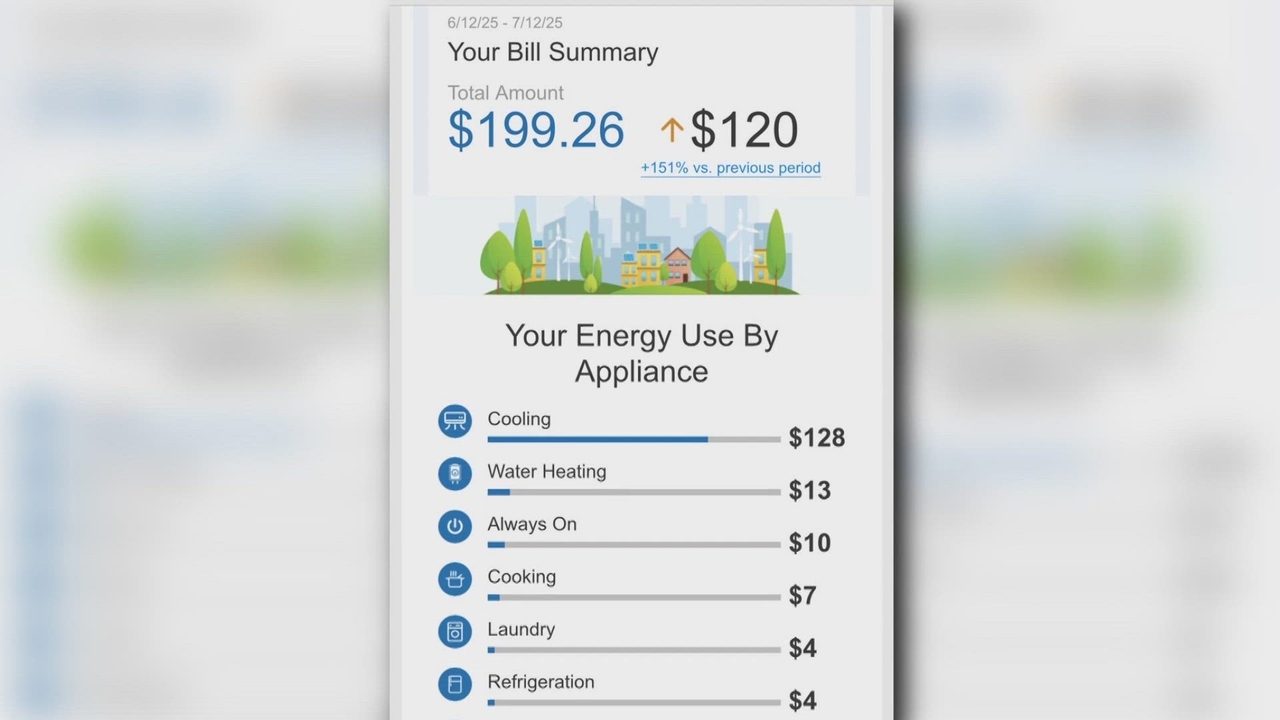
When looking at a soaring monthly statement, many homeowners immediately wonder why the Ameren bill so high during these peak months. The initial reaction is often frustration. The environmental factors and recent rate changes combine to create a perfect storm for household budgets. First and foremost, soaring summer temperatures force household cooling systems to work harder and longer. When the heat index climbs, an air conditioner does not just run more often; it runs continuously, which drastically increases total energy usage.
Beyond just the weather, analyzing the broader trends behind rising electricity prices reveals that higher bills are driven by a complex mix of variables. The wholesale electricity market dictates that when demand is high across the state, the cost to purchase power surges. Additionally, utility companies face increased capacity charges to ensure enough power is available during these peak times. When you combine increased household consumption with these elevated wholesale conditions and standard utility delivery costs, the result is a noticeably heavier financial burden for residents.
Hidden Household Culprits Driving Up Energy Usage
Sometimes, a monthly statement feels much higher than expected, even when accounting for the recent rate hike. Often, this happens because hidden factors inside the home draw significantly more power than people realize.
The Cooling Load (Climate Control & HVAC Inefficiency)
The Heatwave Multiplier:
Sustained temperatures above 90°F create a brutal environment for climate control systems. Instead of cycling on and off normally, an air conditioning unit is forced to run without a break to maintain a comfortable indoor temperature. This constant operational state multiplies energy consumption rapidly, transforming a standard utility bill into a massive expense within just a few weeks.
Aging & Unmaintained Systems:
Older or poorly serviced HVAC units present another major hurdle. Over time, parts wear down, filters become clogged, and refrigerant levels may drop. Consequently, an unmaintained system draws significantly more amperage to produce the same amount of cooling as a modern, efficient unit. Regular maintenance often prevents this excessive energy draw, yet it remains one of the most overlooked solutions.
High-Draw Seasonal Appliances
Water Heaters & Dehumidifiers:
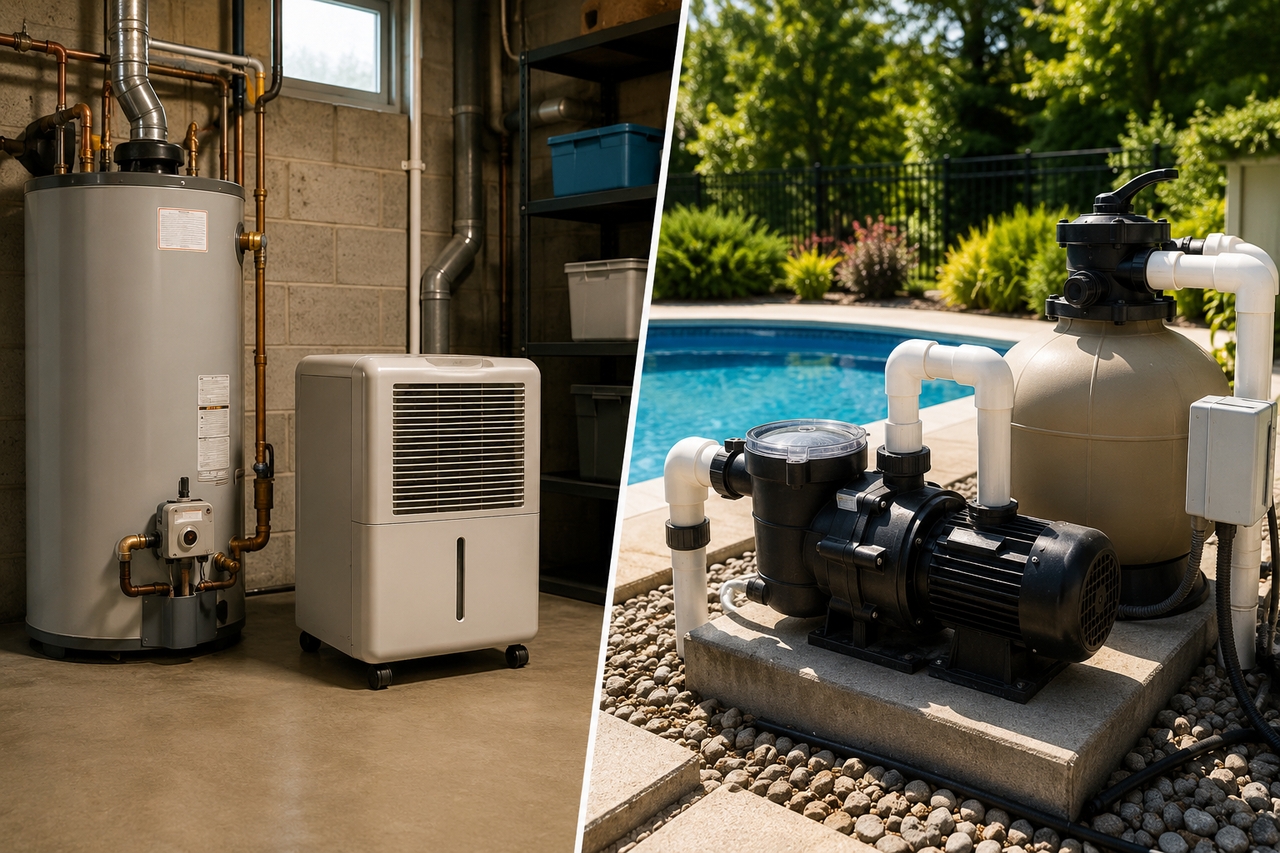
Midwest summers bring intense humidity alongside the heat. As a result, basements and utility rooms require extra energy for moisture control. Running a dehumidifier around the clock can secretly consume as much electricity as a standard refrigerator. Water heaters also work continuously, and if they are older models situated in warm, unconditioned spaces, their energy draw remains consistently high.
Pool Pumps & Filtration Systems:
For families with swimming pools, keeping the water clean is a necessity. However, running heavy-duty exterior motors during peak rate hours carries a massive hidden cost. Pool pumps require substantial electricity to circulate water. Shifting their operation to off-peak hours makes a notable difference, though many homeowners leave them running during the most expensive times of the day.
Passive Energy Drain (Phantom Loads)
Always-On Devices:
Many modern conveniences never truly power down. Smart TVs, gaming consoles, desktop computers, and plugged-in phone chargers continuously draw power, even when turned off or in standby mode. This phenomenon is often referred to as a "phantom load." While a single charger might not seem impactful, a household full of idle electronics constantly pulls a steady stream of electricity from the grid.
Compounding Costs:
These small, continuous loads add up surprisingly fast. When combined with Ameren's elevated summer rates, what seems like a negligible trickle of power becomes a noticeable percentage of the monthly bill. Unplugging devices or using smart power strips effectively eliminates this passive drain.
Actionable Ways to Lower Your Energy Costs
Instead of simply accepting higher expenses, homeowners have several practical avenues to mitigate these recent rate hikes. By focusing on actively controllable factors, it becomes much easier to offset the steep price jumps associated with summer utility usage.
Compare Retail Suppliers and Assistance Programs
Taking a closer look at the monthly statement provides an excellent starting point. The "Price to Compare" section clearly shows the baseline rate being charged for electricity supply. While Illinois allows customers to explore alternative retail electric suppliers, caution is strongly advised. The Citizens Utility Board (CUB) recommends that during periods of elevated rates, customers are likely best served staying with Ameren Illinois for supply, as CUB's review found Illinois consumers have lost over $2 billion to alternative suppliers since 2015. Furthermore, reviewing municipal energy notices and assistance guidelines reveals that taking advantage of seasonal relief programs provides crucial financial support for families struggling to keep up with summer energy demands.
Upgrade to a Smart Home Battery Backup
For those looking to secure long-term relief from unpredictable utility pricing, investing in a reliable backup system is an excellent strategy. Storing power locally helps offset rate hikes by reducing reliance on the grid during expensive peak periods. A modern solution like the EcoFlow OCEAN Pro Home Solar Battery System integrates smoothly into your home to actively manage these fluctuating costs.
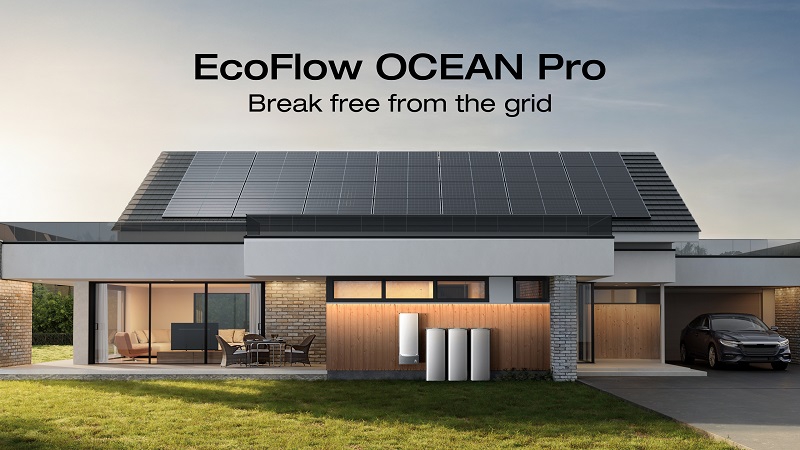
Scalable Capacity: Every home has different energy requirements. The system starts at 10kWh per module, allowing families to expand their storage capacity easily as their power needs grow over time.
Intelligent Mode: Advanced energy management systems automatically shift heavy household energy usage to cheaper off-peak hours. This ensures maximum savings without requiring constant manual effort from the homeowner.
For example, imagine a typical hot July afternoon where peak grid rates take effect at 4:00 PM. Instead of pulling costly electricity from the utility company while the air conditioner runs at full blast, a home equipped with this battery setup automatically switches to its stored energy reserves. By relying on power collected during cheaper morning hours, the household effectively bypasses the most expensive time of the day.
Because whole-home integration deals directly with the main electrical panel, integrating these robust systems requires proper knowledge of home wiring. Homeowners should always work with a certified professional electrician to ensure the setup is installed safely and optimized perfectly for their specific daily usage patterns.
Are you ready to resolve your uncertainty about home battery backups and take control of your summer bills? We can help you protect your property and manage energy efficiently. Request a consultation today to find the perfect energy solution for your home.
Get Your Free Home Energy Consultation!
Which energy solution are you interested in?

Reduce Energy Consumption at Home
Not all savings require new equipment; simple behavioral changes are incredibly effective. Raising the thermostat just a few degrees during the day significantly reduces the cooling load. Performing whole-home weatherization—such as sealing drafty windows, adding insulation, and applying weatherstripping to doors—keeps the cool air trapped inside. Additionally, choosing to run large appliances like dishwashers and washing machines late at night can drastically reduce the amount of premium-priced energy purchased during the day.
The Long-Term Outlook for Grid Reliability
While immediate bill savings are a priority, looking at the broader infrastructure explains why these issues occur year after year. Increasing annual temperatures and an aging power network mean that summer energy challenges will likely remain a persistent hurdle in Illinois.
The Impact of Extreme Heat on Aging Infrastructure
Rising summer temperatures severely stress an already outdated power grid. The physical reality of electricity transmission means that extreme heat lowers the efficiency of power lines and transformers. When equipment overheats, electrical resistance increases, meaning less usable power reaches destination neighborhoods. Prolonged heatwaves not only cause household cooling demand to skyrocket, but they also accelerate wear and tear on these aging components. Consequently, localized outages and capacity shortages happen more frequently as the hardware struggles to keep up with the modern world's demands.
Rising Demand vs. Shifting Power Generation
The Midcontinent Independent System Operator (MISO) territory, which manages the power grid across much of the region, is currently undergoing a massive energy shift. As Illinois and surrounding states transition away from older fossil fuel plants to reduce emissions, there is an unavoidable transitional period. The replacement generation methods and necessary utility-scale energy storage facilities are not always coming online fast enough to safely cover extreme summer peaks. This gap between retiring old plants and completing new ones creates a much tighter margin for error on the hottest days of the year.
The Cost of Modernizing the Illinois Grid
To combat these vulnerabilities, significant infrastructure improvements are underway. Initiatives like Ameren Illinois' multi-year integrated grid plans and the Central Illinois Grid Transformation Program are currently tackling these massive technical challenges. These billion-dollar investments are meant to build stronger utility poles, implement smart grid automation, and string new high-voltage transmission lines.
While these infrastructure upgrades are absolutely vital for long-term reliability, they require funding. These massive grid investments and modernizations influence future delivery costs. Ultimately, the impact on future customer bills depends heavily on regulatory board decisions, state funding mechanisms, and the unpredictable nature of future energy market conditions.
Why Household Preparedness is Becoming Essential
Homeowners are increasingly adapting to this "new normal." Depending solely on utility companies to provide perfectly stable, low-cost power is becoming a risky gamble. Taking long-term steps toward energy independence provides peace of mind. Adopting whole-home energy budgets, investing in deep weatherization projects, and planning ahead for seasonal capacity rate hikes protect families from ongoing grid volatility. Establishing a resilient household means future price spikes and regional power shortages will have a much smaller impact on daily life.
Conclusion
Navigating Ameren high summer electric bills requires a mix of immediate action and long-term planning. By understanding the factors driving up rates—from extreme regional heatwaves to hidden household energy drains—families can take back control of their monthly expenses. Whether it involves sealing a drafty window, shifting appliance usage to off-peak hours, or exploring advanced home battery storage, proactive steps make a noticeable difference. Staying informed and making smart energy choices ensures a comfortable home environment without the shock of an unmanageable utility bill.
FAQs
Why is my electric bill so high during summer?
Extreme heat forces air conditioners to run constantly, using massive amounts of power. Combined with seasonal utility rate hikes during peak demand months, these factors drastically increase overall monthly household energy expenses.
Why is Ameren raising prices this year?
Rate increases stem from several factors, with the primary driver surging electricity demand from the rapid proliferation of data centers across the region. This demand growth has pushed MISO capacity auction prices dramatically higher, alongside continued supply and demand imbalances in regional energy markets and grid infrastructure costs. Upgrading aging utility infrastructure and managing supply shortages during extreme weather forces providers to adjust their pricing.
Who is the cheapest electricity supplier in Illinois?
The cheapest supplier frequently changes based on current market rates and promotional offers. Residents can compare alternative retail electric suppliers against Ameren's "Price to Compare" to find the most cost-effective plan for their area.
Did Ameren raise their rates in Illinois?
Yes, starting June 1st, Ameren Illinois implemented a temporary summer rate increase, raising costs from about 8.7 cents to roughly 11 cents per kWh. Using solutions like an EcoFlow home battery easily helps offset these specific rate spikes.
What time is electricity cheapest on Ameren?
Electricity is typically cheapest during off-peak hours, usually late at night and early in the morning. Shifting heavy appliance usage to these specific times helps households take advantage of lower overall energy rates and save money.

