
What Are Agrihoods: Exploring Farm-to-Table Sustainable Communities
Imagine stepping out of your front door to gather fresh, organically grown vegetables cultivated just a few blocks away. This is the reality of agrihoods,a growing real estate trend where neighborhoods are built around working farms rather than golf courses or community pools. These developments prioritize agricultural integration, nature conservation, and a farm-to-table lifestyle. However, establishing a thriving rural or semi-rural community also requires modern resilience, which is why many homeowners integrate a home backup battery to ensure critical farm and household systems remain operational during unpredictable grid outages.
What is Agrihood?
The question of "What is agrihood" frequently arises as homebuyers search for greener, healthier places to live. Simply put, an agrihood (agricultural neighborhood) integrates agriculture directly into a residential neighborhood to facilitate food production and provide green space for recreation. Instead of centering the community around a high-maintenance golf course or a massive clubhouse, these neighborhoods are built around a functioning farm.
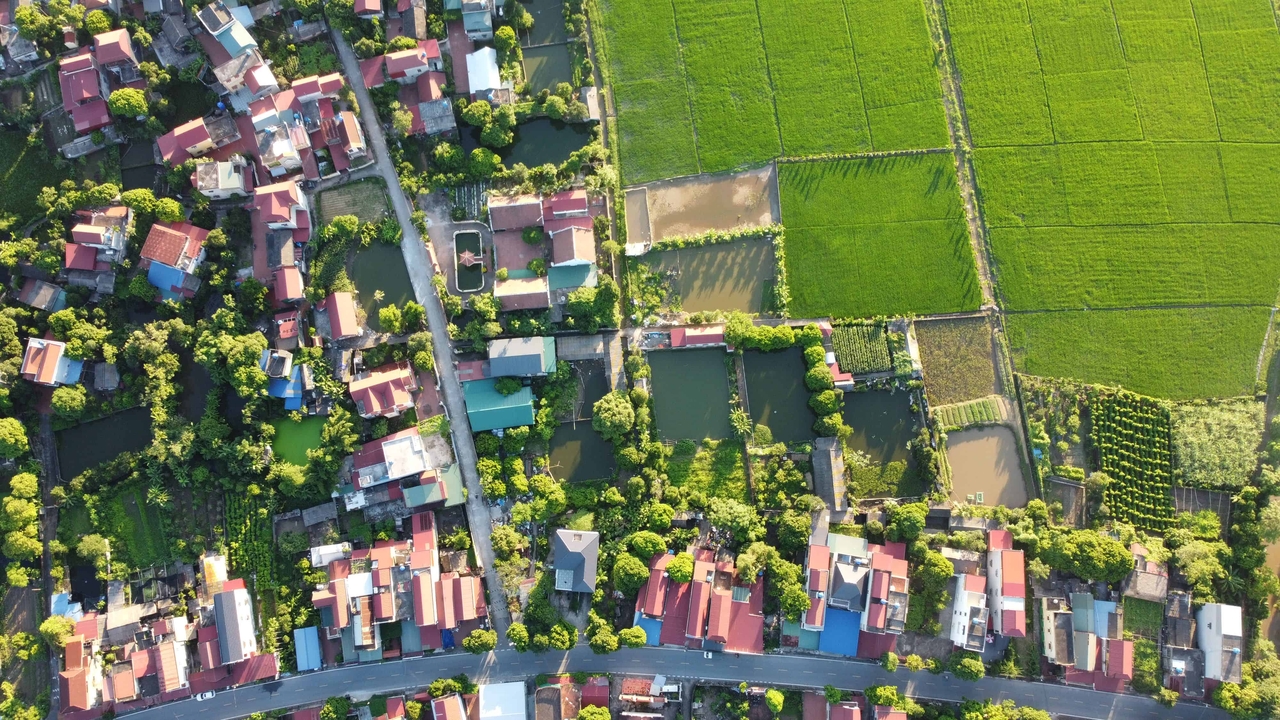
This model contrasts sharply with traditional suburban developments. Standard suburbs often feature vast lawns that require heavy chemical fertilizers and immense amounts of water. In an agrihood, the central green space is productive and environmentally friendly. Finding ways to power these homes cleanly is also a priority. For instance, leveraging the benefits of photovoltaic panels perfectly highlights how renewable energy goes hand-in-hand with agricultural living.
A major advantage of this setup is convenience. A dedicated farm manager or a community cooperative usually handles the heavy lifting. This setup allows residents to enjoy the harvest without needing professional farming skills. Families can pick up a weekly box of fresh vegetables, walk through the orchards, or volunteer on weekends, all without the stress of managing a full-scale agricultural operation themselves.
The Core Benefits of Agrihood Communities
People are moving to these specialized neighborhoods in large numbers. The appeal goes far beyond just having tomatoes in the backyard. These developments offer a holistic approach to living that benefits the mind, the body, and the local ecosystem.
Health & Wellness: Residents gain access to hyper-local, nutrient-dense produce directly from the soil. Eating food harvested the same day maximizes vitamin intake and promotes a healthier overall diet.
Social Connection: Modern life can sometimes feel isolating. In these neighborhoods, shared farming activities, community dinners, and workshops foster deeper neighborhood bonds. Neighbors actually get to know one another while gathering at the farm stand or attending a local harvest festival.
Environmental Impact: Growing food locally means reduced food miles. This eliminates the carbon emissions associated with trucking produce across the country. Furthermore, these communities protect open green spaces and practice sustainable soil management.
To give a clearer picture of how these benefits impact daily life, the following table breaks down the specific advantages for both the community and the individual residents. Exploring a reliable home battery backup system further enhances this environmentally friendly lifestyle.
Benefit Category | Community Impact | Resident Advantage |
|---|---|---|
Nutritional | Supports local food systems | Direct access to seasonal, fresh produce |
Environmental | Preserves local flora and fauna | Lower carbon footprint and cleaner air |
Economic | Creates local agricultural jobs | Potential savings on premium organic groceries |
Key Features of an Agrihood Sustainable Community
While every development is unique, a true agrihood sustainable community shares several distinct physical characteristics. These features are designed to blend the natural environment with everyday residential living seamlessly.
The Farm Centerpiece
The beating heart of the neighborhood is the agricultural space. Working farms, community gardens, or large fruit orchards act as the focal point. Instead of looking out over a concrete parking lot, homes often face rows of crops, grazing pastures, or flower gardens. This central farm is carefully managed to yield seasonal crops year-round.
Eco-Friendly Housing
The homes surrounding the farm are typically built with the environment in mind. Builders prioritize sustainable materials, exceptional insulation, and high energy-efficiency standards. Many of these houses feature solar panel integration on their roofs. This design philosophy ensures that the residential footprint remains as light as possible, preserving the surrounding natural habitats.
Communal Infrastructure
To support the community, specific agricultural infrastructure is built into the neighborhood design. This includes shared toolsheds where residents can borrow gardening equipment. Large event barns serve as gathering spaces for weddings, community meetings, or educational workshops. Many neighborhoods also host on-site farmers' markets, making it incredibly easy for locals to secure their weekly groceries.
Building Resilient and Sustainable Agrihood Communities
Creating a neighborhood around a farm is a beautiful concept, but it requires serious planning to remain viable long-term. Both the agricultural elements and the residential homes need robust systems to survive harsh weather and economic fluctuations.
Maintaining Agricultural Operations
A successful farm requires consistent resources. Water management is a massive priority. Many developments use advanced rainwater harvesting systems and drip irrigation to minimize water waste. Greenhouses and high tunnels are also common, allowing the farm team to extend the growing season and protect delicate crops from unexpected frosts or heavy rains. Healthy soil is maintained through community composting programs, where household food scraps are turned into nutrient-rich fertilizer for the crops.
Creating Reliable Energy Systems
Dependable energy infrastructure is essential for modern agrihood communities. Farms rely on electricity to power irrigation pumps, run climate control in greenhouses, and keep harvested crops cold in large refrigerators. When the local power grid fails due to severe weather, the community risks losing both its food supply and its basic household comforts. This makes renewable energy and smart energy management critical for supporting both residential needs and shared community facilities.
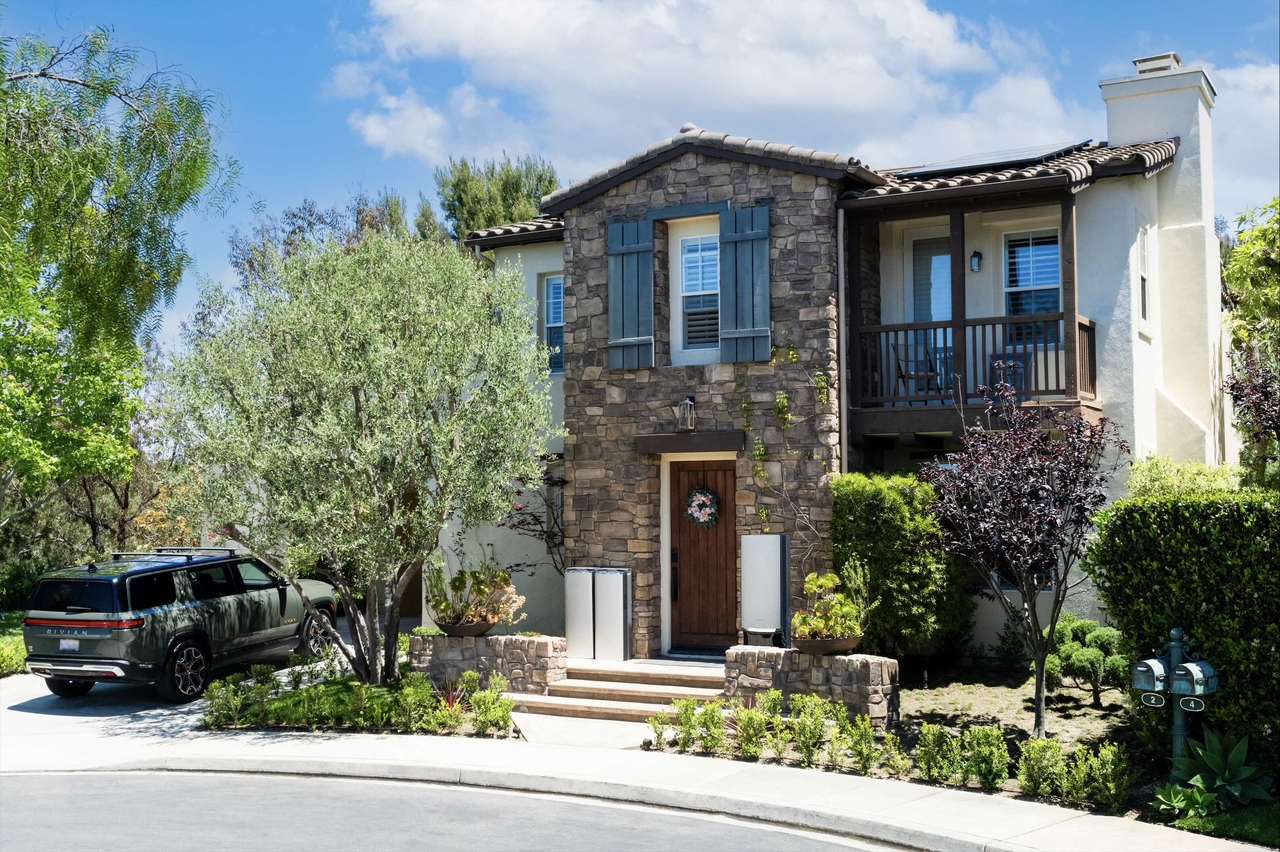
Farms and sustainable homes rely heavily on consistent power. Integrating the EcoFlow OCEAN Pro Home Solar Battery provides a robust solution. This advanced system stores solar energy efficiently, keeping the lights on and water flowing even during severe weather events. By capturing energy during the day, it ensures that essential agricultural systems and household appliances run smoothly through the night.
The system offers a scalable design, meaning homeowners can expand their backup capacity as their energy needs grow. Instead of loud, polluting gas generators, this battery operates quietly and uses intelligent energy management to automatically switch on when a blackout occurs. The system integrates smoothly into any modern eco-friendly home, reliably protecting essential circuits.
Get Your Free Home Energy Consultation!
Which energy solution are you interested in?


Homeowners ready to resolve uncertainty about home battery backups can find the right fit easily. A reliable system helps protect modernized properties and supports a sustainable lifestyle. Request a consultation today to find the perfect energy solution for the home.
Exploring Agrihood Florida and National Trends
The movement is spreading rapidly, with specific regions seeing massive growth due to favorable climates and active homebuyer interest. Understanding these trends helps highlight just how adaptable this real estate model can be.
The agrihood Florida market has experienced rapid growth in recent years. This surge is largely driven by the state's year-round growing seasons and rich agricultural history. The warm climate allows farms to produce a wide variety of crops, from citrus fruits to leafy greens, continuously throughout the year.
Real-world examples expanding across the state include:
Arden (Palm Beach County): As detailed by Arden Palm Beach, this expansive community is centered on a 5-acre professionally managed organic farm. It features a large community barn where households gather to receive regular shares of seasonal fruits and vegetables. The neighborhood emphasizes outdoor living with miles of walking trails connecting the homes to the agricultural center.
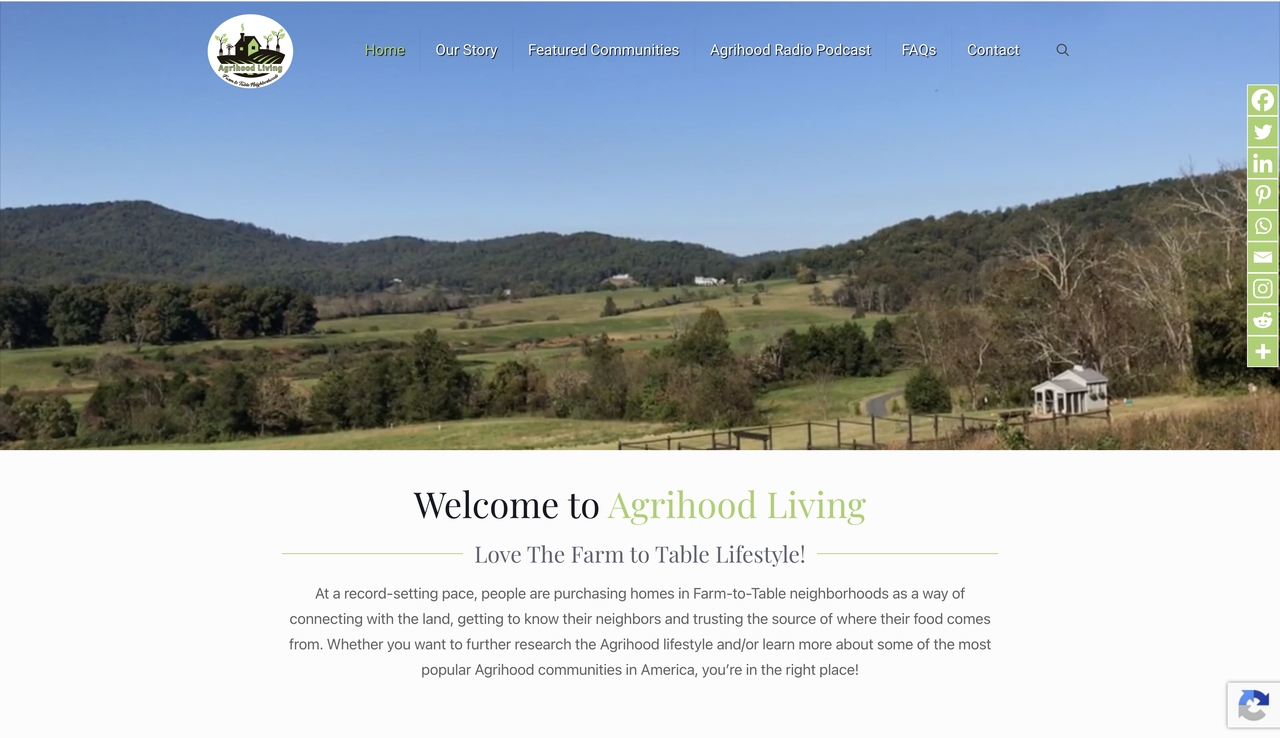
Pine Dove Farm (Tallahassee): According to Agrihood Living, this community intentionally blends active vegetable and crop farming with nearly 115 acres of protected natural conservation space. It offers residents a quiet, rural feel while maintaining close proximity to the city center. The farm produces a variety of local crops that residents can easily access.
Spirit of Sebastian (Indian River County): The vision set out by Spirit of Sebastian highlights a modern development that emphasizes sustainable, eco-friendly home designs and community gardening areas. It is deeply focused on environmental stewardship, ensuring that the local wildlife and native plants thrive alongside the residential areas.
Beyond Florida, this real estate trend is spreading nationwide. It is adapting beautifully to different regional climates. In the Pacific Northwest, communities focus heavily on foraging, berry patches, and cool-weather crops like kale and root vegetables. Down in the American Southwest, developments utilize drought-resistant farming techniques and solar energy to thrive in arid conditions. Every region adapts the model to fit its specific ecological strengths.
Conclusion
Agrihood communities represent a significant shift in how people view residential living. By replacing golf courses with working farms, these developments offer a healthier, more connected way of life. They provide direct access to nutritious food, foster strong social bonds, and protect local ecosystems. With the integration of modern renewable energy systems and resilient home battery backups, these farm-to-table neighborhoods are well-equipped to handle the challenges of the future. They prove that sustainable living can be both comfortable and profoundly rewarding.
FAQs
Are agrihoods good?
Yes, they offer numerous benefits including fresh food access, community bonding, and lower carbon footprints. They provide a healthier lifestyle by connecting residents directly with nature and local agriculture, moving away from heavy chemical use in traditional suburbs.
How many agrihoods are there in the US?
According to the University of Northern Iowa, there are currently about 200 of these communities across the nation. The number continues to grow rapidly as more homebuyers seek sustainable, nature-focused living environments instead of traditional suburban housing developments.
Do you have to farm to live in an agrihood?
No, residents are not required to farm. Professional farm managers typically handle the daily agricultural operations. Homeowners can simply enjoy the fresh produce and volunteer only if they choose to do so.
Are agrihood communities sustainable?
Yes, sustainability is a primary goal. They use less water than golf courses and preserve natural land. Many homes also use an EcoFlow OCEAN Pro to store solar energy, keeping the community powered cleanly during local grid outages.
Are there any agrihood communities in Florida?
Yes, the agrihood Florida market is booming. Notable examples include Arden in Palm Beach County, Pine Dove Farm in Tallahassee, and Spirit of Sebastian. The warm climate allows these neighborhoods to enjoy productive, year-round growing seasons.

