
What Is a Standing Charge? UK Energy Bills Explained & Ways to Save
If you’ve checked your latest energy bill, you may have noticed a daily charge listed separately from your electricity or gas usage. This is known as a standing charge, and it applies even when your energy consumption is low. This comprehensive guide breaks down exactly what a standing charge is, explores why these daily fixed costs have spiked across England, Scotland, and Wales under recent Ofgem price caps, and uncovers actionable strategies to help you shrink your overall utility expenditure even when fixed network costs remain high.
What Is a Standing Charge on an Energy Bill?
Your energy bill includes more than just the electricity or gas you use. In the UK, charges are generally divided into two parts: a standing charge that covers fixed costs and a unit rate that reflects your actual energy consumption.
How Does a Standing Charge Work? (The daily fixed cost explained)
A standing charge is a compulsory, fixed daily fee that you pay to your energy supplier simply for keeping your home connected to the national gas or electricity network. It functions much like a line rental for a landline or a base subscription fee for a broadband service. Whether you are boiling twenty kettles a day, away on holiday for a fortnight, or leaving a property entirely empty, this cost is levied at a flat rate per day and added to your bill.
Standing Charge vs. Unit Rate: What’s the Difference?
The standing charge is a fixed daily fee measured in pence per day (p/day) that remains identical regardless of your power habits. In contrast, the unit rate is a variable fee measured in pence per kilowatt-hour (p/kWh) that dictates the precise amount you pay for the actual physical energy your household consumes.
Since the unit rate directly affects your daily electricity costs, understanding how much is electricity per kWh can help homeowners compare tariffs, estimate usage expenses, and identify opportunities to reduce energy bills.
| Standing Charge | Unit Rate | |
|---|---|---|
| What it means | A fixed daily fee you pay for having an energy supply connected to your home | The price you pay for each unit of energy you use |
| How it is charged | Pence per day (p/day) | Pence per kilowatt-hour (p/kWh) |
| Does it change with usage? | No. You pay the same amount even if you use little or no energy | Yes. Your cost increases as you use more electricity or gas |
| Example | A daily charge of 60p applies every day | Using 100 kWh of electricity means paying 100 × your unit rate |
Your energy bill is made up of both a standing charge and a unit rate. The standing charge covers fixed costs and applies every day, while the unit rate determines how much you pay based on your actual energy consumption.
Why Do Energy Suppliers Charge It? (Grid maintenance & failed supplier costs)
Energy suppliers do not simply keep standing charge payments as profit. These charges help cover the costs of running the energy system, including maintaining networks, meters, and other essential infrastructure. In recent years, standing charges have also been affected by changes in how industry costs are recovered, including costs linked to supplier failures during the energy crisis.
Is It Mandatory, or Can You Opt Out?
For the vast majority of standard domestic contracts, the standing charge is entirely mandatory. You cannot opt out of it simply by requesting a usage-only structure, as it reflects the baseline cost of maintaining a live, safe physical connection to your property. Unless you go to the extreme length of completely disconnecting your home from the national grid network, it remains an unavoidable fixture of modern utility billing.
How Much Is the Average Standing Charge in the UK? (2026 Ofgem Cap Data)
The cost of staying connected varies significantly depending on your geographical region, your payment method, and the prevailing regulatory limits set by the market watchdog.
Average Electricity vs. Gas Standing Charges
Under the latest Ofgem price cap guidelines, standing charges represent a substantial baseline expense before a single unit of power is used. On average, a standard dual-fuel customer paying by Direct Debit can expect to see charges hovering around the following benchmarks, though regional variations across the UK can sway these figures by several pence per day:
| Utility Type | Average Daily Standing Charge (2026 Cap) | Estimated Annual Fixed Outlay |
|---|---|---|
| Electricity | ~60p to 65p per day | ~£219 to £237 per year |
| Gas | ~31p to 35p per day | ~£113 to £127 per year |
| Combined Dual-Fuel Base | ~91p to 100p per day | ~£332 to £364 per year |
Why Have Standing Charges Skyrocketed Recently?
Many British households feel understandably frustrated that these charges have climbed dramatically over the last few years. The primary driver is Ofgem’s decision to shift a larger proportion of network operational expenses and the legacy costs of collapsed suppliers away from unit rates and onto the flat daily fee. While this was intended to protect vulnerable, high-use households from bearing the brunt of grid maintenance, it has left low-volume consumers and those trying to save energy with limited control over a large portion of their bills.
Can You Avoid Paying a Standing Charge?
Given how rapidly these fixed fees add up, it is natural to look for loopholes or alternative contracts that eliminate them altogether.
Are there "Zero Standing Charge" Tariffs? (Pros and cons: higher unit rates)
Yes, a small handful of niche tariffs offering a “zero standing charge” do exist in the UK market, but they come with a significant catch. While you won’t pay a single penny on days you use no power, the supplier compensates for this by charging a substantially higher unit rate (p/kWh) for the energy you do consume. For an active family home, this trade-off quickly backfires, resulting in a much steeper total bill once your daily cooking, heating, and laundry cycles are factored in.
What Happens to Your Bill If You Use Absolutely No Energy?
If you turn off your main fuse box and leave your house completely dark for a month, you will still receive a bill. Because the standing charge accrues daily, a typical empty home on a standard dual-fuel plan will accumulate around £28 to £31 per month in pure connection fees, even with zero variable resource consumption.
.png)
How To Reduce Energy Bills When Standing Charges Keep Rising
Since you cannot remove the standing charge completely, the most effective approach is to reduce your energy usage through better monitoring, smarter habits, and automated controls. Many homeowners also struggle to understand why is my electric bill so high, as inefficient appliances, hidden energy waste, and changing consumption patterns can all contribute to unexpectedly expensive bills.
Understand Your Energy Usage and Find Hidden Waste
A massive number of households across the UK have switched over to time-of-use options like Economy 7 or innovative smart plans like Octopus Energy’s Go or Agile tariffs. However, trying to manage these plans manually is an absolute nightmare—setting phone alarms and waiting up until the middle of the night just to turn the washing machine on is exhausting. Worse still, it does nothing to tell you which hidden appliances are silently draining power during the day.
To achieve true, granular control over your home spending without the daily stress, an intelligent control panel like the EcoFlow PowerInsight 2 offers a seamless solution. Boasting an elegant 11-inch display designed to sit right in your living room or kitchen, it brings your entire household energy ecosystem to life visually. You can track exactly how much solar generation you are capturing, see precisely how much power individual rooms are pulling, and immediately root out those hidden “vampire appliances” that quietly inflate your bill.
Use Time-of-Use Tariffs More Efficiently
Maximising a flexible tariff requires moving beyond guesswork. By relying on automated smart home controllers, you can bridge the gap between volatile half-hourly energy pricing and your actual home hardware, ensuring that your home absorbs cheaper off-peak electricity automatically while remaining completely insulated from steep peak-hour spikes.
Improve Home Energy Efficiency
Beyond smart scheduling, standard physical improvements remain highly effective. Adding proper loft insulation, sealing drafts around drafty UK sash windows, switching to low-wattage LED bulbs, and upgrading aging appliances can reduce your baseline consumption enough to offset the financial impact of rising standing fees.Understanding how these baseline changes impact your monthly statement is the first step toward mastering the most effective UK energy bills saving tips available for modern households.
Can Solar Panels and Battery Storage Reduce Your Energy Bills?
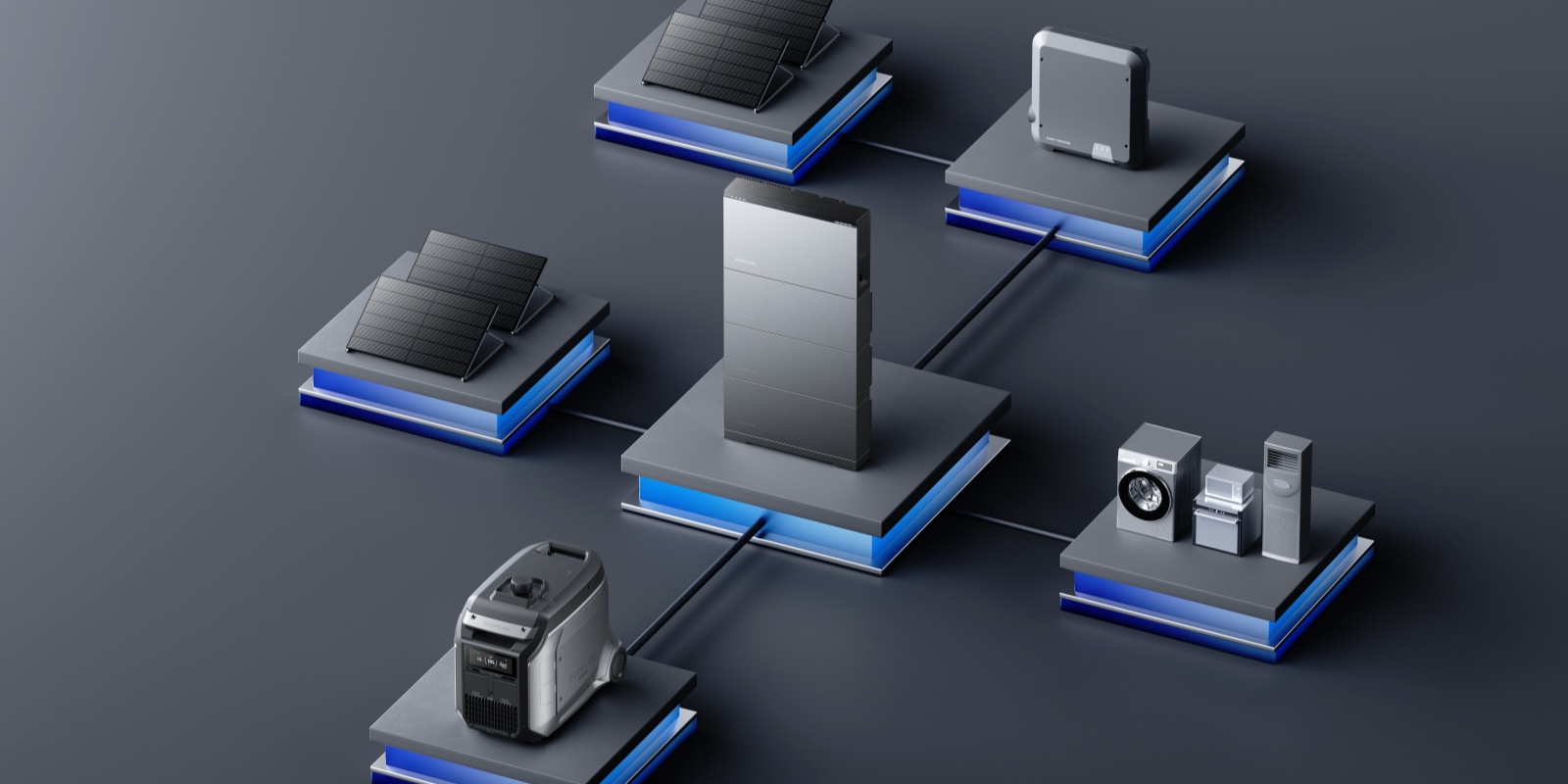
For homeowners looking for long-term financial security against unpredictable policy shifts and grid fees, generating your own clean power is the ultimate strategy. Combining solar panels with an EcoFlow Solar Battery allows households to store excess renewable energy and use it when electricity prices are higher, helping reduce reliance on the grid and improve overall energy independence.
Why Solar Alone May Not Be Enough
The primary obstacle for British solar users is a fundamental mismatch in timing. Due to the UK’s infamously overcast weather and early winter sunsets, solar arrays generate the bulk of their power during the middle of the day when families are out at work or school, causing excess clean energy to slip back into the grid. When everyone returns home in the evening to cook, stream shows, and run baths, the sun has gone down, forcing households to buy expensive grid power at peak rates.
How Battery Storage Helps Maximise Solar Energy
While a solar and battery system cannot remove standing charges completely, it can help reduce how much energy you need to buy from the grid. For many UK homes with solar panels, the challenge is timing: solar generation is often highest during the day when households are away, while electricity demand increases in the evening after the sun goes down.
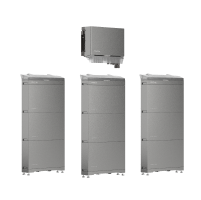
A home battery system helps solve this gap by storing excess solar energy and making it available when it is needed most. The EcoFlow OCEAN 2 Plus (Single-Phase System) is designed to help UK households maximise solar self-consumption. It supports up to 24kW of solar input and features 3 independent MPPT trackers to optimise generation across different roof layouts. With LFP battery technology and up to 10,000 cycles, it provides a reliable long-term solution for storing renewable energy and reducing grid reliance.
By using stored solar power during periods of higher demand, homeowners can lower their electricity purchases, better manage energy costs, and improve their energy independence.
FAQs
Do I pay a standing charge if I use no electricity?
Yes, you must pay a standing charge even if you use absolutely no electricity, as it is a fixed daily fee for keeping your home physically connected to the grid. The only way to completely halt this daily accrual is to contact your Distribution Network Operator (DNO) and have your meter officially removed and the property disconnected from the network, which can incur separate reconnection costs down the line.
Why is my standing charge higher than my neighbour’s?
Your standing charge can be higher than your neighbour’s due to differences in your chosen energy supplier, specific tariff types, or payment methods. For instance, households paying via automated Direct Debit typically receive a discount from suppliers, whereas those using standard quarterly billing or traditional prepayment meters often face higher daily rates under Ofgem’s regional cost allocations.
Can switching suppliers reduce my standing charge?
Switching suppliers can occasionally lower your standing charge, but it is rare to find substantial differences because these fees are tightly regulated by Ofgem to cover fixed regional infrastructure costs. When comparing deals, you must look at the combined projection of both the daily standing charge and the unit rate (p/kWh) relative to your household’s actual annual usage patterns to find true savings.
Are standing charges the same for electricity and gas?
No, standing charges are not the same for electricity and gas; electricity standing charges are typically significantly higher due to the broader infrastructure and regulatory costs involved. While the average gas charge sits around 31p to 35p per day, electricity network fees often exceed 60p to 65p daily because they absorb the vast majority of failed supplier legacy debts and national grid grid-balancing investments.
Schedule Your Free Consultation Today!
What kind of product or solution are you interested in?

Conclusion
Standing charges look set to stick around on UK energy bills, but there are still ways to cut the bits you can actually control. Get a better handle on your usage, make smarter use of time‑of‑use tariffs, and look at how you generate and store power at home, you can start to rely less on the grid. For homeowners after a long‑term fix, pairing solar panels with a battery like the EcoFlow OCEAN 2 Plus helps you use more of what you generate, lower your bills, and build a bit more energy resilience into the house.

