
What Is a Prepaid Meter? Costs, Limitations and Smart Energy Options
A prepaid meter (or prepayment meter) is essentially a pay-as-you-go setup. You top up with a smart card, key, or app before you use any electricity or gas. It stops you building up debt and gives you tight control over what you spend, but the unit rates and daily standing charges tend to be higher than you’d get with a standard direct debit tariff. If you’re trying to keep a strict lid on your daily budget, it does the job. But if your goal is lower bills and more long-term control, more households are moving away from prepayment towards smart meters, flexible tariffs, and battery storage.
Key Takeaways
Pay-as-you-go mechanism: A prepaid meter lets you pay for gas or electricity before you use it, usually via a top-up key, card, or smartphone app.
Cost trade-offs: Prepayment meters give you real-time control over what you spend, but they tend to come with higher standing charges and fewer discounts than you’d get with a smart tariff or a more flexible energy setup.
Cost trade-offs: Prepayment meters give you real-time control over what you spend, but they tend to come with higher standing charges and fewer discounts than you’d get with a smart tariff or a more flexible energy setup.
Upgrading opportunities: Depending on your energy goals and what you qualify for, you could look at moving to a smart meter, adding solar panels, or putting in battery storage.
Better energy visibility: Smart systems can show where your electricity is going and help you shift usage to cheaper periods.
Choosing your path: The right option for you comes down to whether you’re after tight day-to-day budgeting, lower overall bills, or long-term independence from the grid.
How Does a prepayment meter Work in the UK?
Understanding what is a prepaid meter can help explain why the way you pay for energy is different from a standard monthly bill. Instead of paying after you use electricity or gas, you add credit first and your usage is deducted as you go.
The Pay-As-You-Go Process Behind Prepayment Meters
Instead of receiving a bill at the end of the month based on estimated or recorded usage, you purchase credit in advance. In traditional setups, this involves taking a plastic key or digital smart card to a local PayPoint, Payzone, or Post Office to add credit using cash or card. Modern smart prepayment meters also allow you to top up via a supplier app or online portal. Once loaded, the credit transfers to your meter box, allowing electricity or gas to flow until the balance reaches zero.
The Costs Associated With Using a Prepaid Meter
Using a prepaid meter involves two core cost components: the unit rate (measured in kWh) and the fixed daily standing charge. Even if you turn off every light and appliance while away on holiday, the daily standing charge continues to deduct credit from your meter balance. If your balance drops to zero, your energy supply shuts off auto-disconnecting power until fresh credit is added.
| Cost Element | Traditional Prepayment Meter | Standard Credit / Direct Debit | Smart Meter / Dynamic Tariff |
|---|---|---|---|
| Payment Timing | Upfront before consumption | Monthly / Quarterly after use | Flexible (Automated Direct Debit) |
| Standing Charge | Deducted daily from balance | Included in monthly bill | Often lower with competitive tariffs |
| Tariff Options | Restricted to PAYG rates | Standard fixed & variable rates | Access to time-of-use & green rates |
| Debt Risk | Low (cannot spend uncredited energy) | Moderate (risk of arrears) | Managed via automated insights |
Potential Savings and Cost Control With a Prepaid Meter
The primary advantage of a prepayment system lies in immediate financial clarity. You cannot accidentally run up a £300 winter bill without realizing it, as the meter displays your remaining balance directly on screen. For households trying to stick to a strict weekly budget, seeing exactly how much credit remains can make energy costs easier to manage.
How Can UK Households Decide If a prepayment meter Is the Right Choice?
Choosing between energy management systems requires balancing immediate cash-flow control against total yearly expenditure. Let us evaluate where prepayment excels and where it falls short.
When Does a Prepaid Meter Make Sense for Managing Energy Spending?
For some renters and households managing a strict budget, a prepayment meter can make energy spending easier to track. You always know how much credit you have left, which can help avoid unexpected bills.
When Does a prepayment meter Become Less Suitable for a Household?
If you own your home, run high-power appliances (such as heat pumps, electric vehicles, or large washer-dryers), or spend long periods away from home, a prepayment meter can become restrictive. In winter, running out of credit unexpectedly can cut off central heating, creating freezing conditions and inconvenient trips to top up in bad weather.
What Factors Should Influence Your Energy Management Choice?
Deciding on your energy strategy comes down to three fundamental criteria: home ownership status, cash flow predictability, and your desire for long-term bill optimization. For many households moving away from prepayment meters, smart meter installation can be an important step towards accessing more flexible tariffs and improving energy visibility.
| Consideration Factor | Favour Prepayment Meter | Favour Smart & Renewable Setup |
|---|---|---|
| Tenure | Short-term renting, shared flats | Long-term tenants & homeowners |
| Budget Style | Strict weekly cash cap | Predictable monthly banking |
| Tariff Flexibility | Not required | High (wants cheap off-peak night rates) |
| Self-Generation | Not applicable | High (solar panels, battery storage) |
What Are the Challenges of Managing Energy With a Prepaid Meter?
While prepaid meters offer immediate control, living with one day-in and day-out exposes households to operational friction and systemic financial disadvantages.
Higher Energy Management Pressure for Households
Managing a prepayment meter adds cognitive load to daily life. Households must constantly monitor screen balances, keep emergency credit in mind, and make physical or online top-ups before major weather changes. During severe winter months, the pressure of maintaining a positive balance can cause significant domestic anxiety.
Limited Visibility and Control Over Household Energy Use
Most basic prepayment meters only show monetary credit remaining and cumulative units consumed. They fail to break down which appliances are consuming the most power or when energy is cheapest. Without detailed energy analytics, taking active steps to permanently cut household waste is nearly impossible. More advanced systems, including a battery management system, can provide smarter control over stored energy and help optimise battery performance.
| Feature / Capability | Basic Prepaid Meter | Advanced Smart Storage System |
|---|---|---|
| Real-Time Data Display | Basic remaining monetary balance | Live power flow (Solar, Battery, Grid, Load) |
| Tariff Optimization | None (fixed pay-as-you-go rate) | Automated AI peak-shaving & rate arbitrage |
| Power Backup Capability | None (supply drops instantly at zero) | Seamless battery emergency backup |
From Prepayment to More Flexible Energy Management
In response to the UK cost-of-living crisis, Ofgem has introduced stronger protections around the installation of prepayment meters, particularly for vulnerable customers. Suppliers must follow stricter rules before moving households onto prepayment. These measures are designed to ensure customers are treated fairly and have access to appropriate support before a prepayment meter is installed.
How Can Smart Energy Options Overcome the Limitations of prepayment meter?
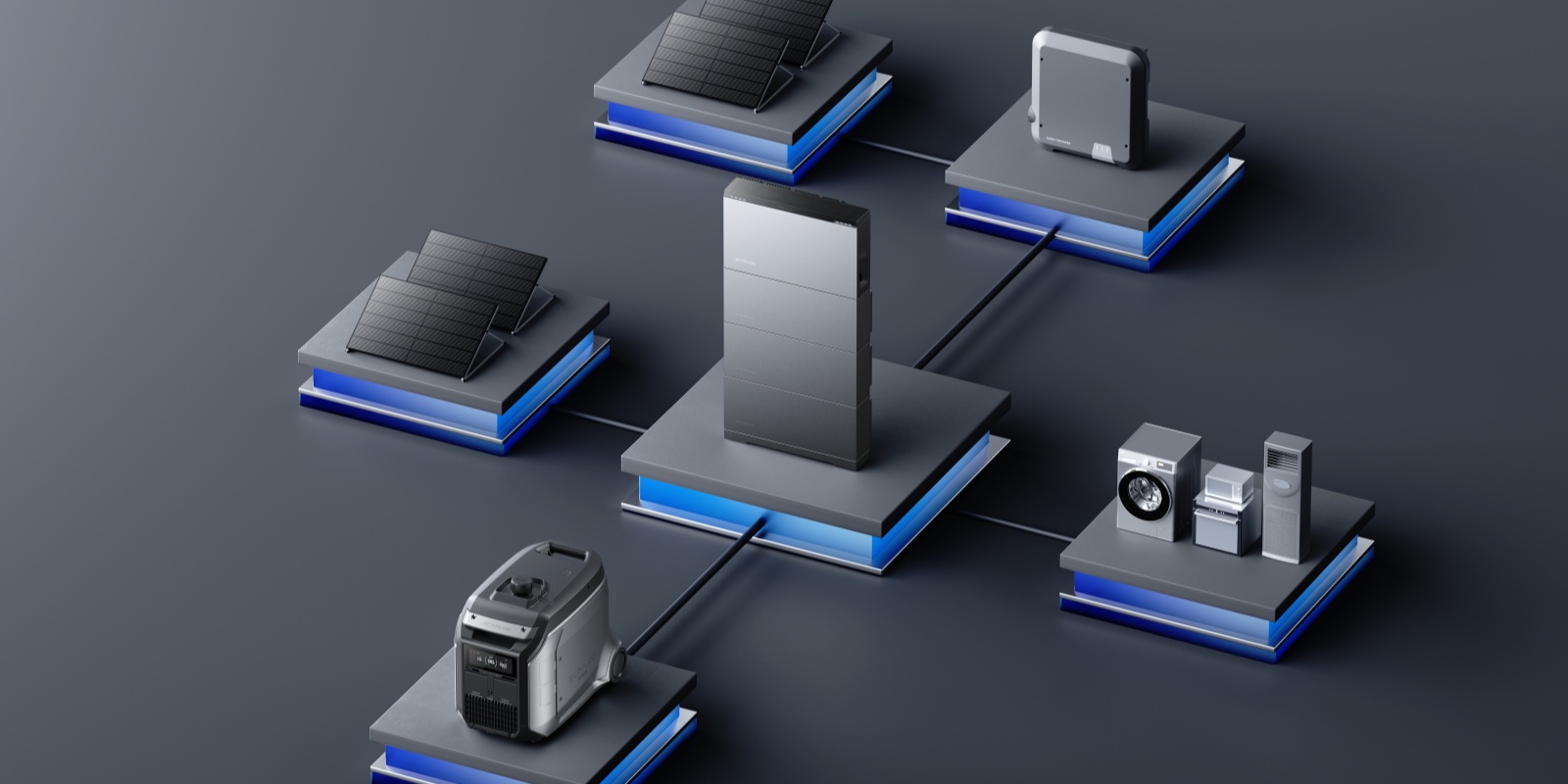
New technologies such as solar panels, EcoFlow Solar Battery, home batteries and smart tariffs give homeowners more ways to reduce their reliance on the grid.
Reducing Reliance on Grid Electricity With Home Battery Storage
For households seeking to reduce grid dependence, relying solely on a prepaid meter provides limited relief, it helps control consumption, but cannot lower unit purchase prices. By integrating solar PV and home battery storage, homeowners can generate and store their own electricity, utilizing green energy during peak tariff hours or when solar generation is low.
To achieve genuine energy independence, heavy-duty storage infrastructure is essential. The EcoFlow OCEAN 2 Plus Single Phase system supports up to 24kW PV input with 3 independent MPPT trackers, effortlessly accommodating multi-orientated roofs (e.g., East-West arrays) to maximize solar harvest throughout the day. With a single inverter supporting up to 60kWh of storage capacity, British homes can store abundant summer solar power or off-peak grid energy, transforming household strategy from basic “cost capping” to complete “energy source optimization.”
Improving Energy Visibility Beyond Basic Meter Readings
Beyond energy storage, understanding real-time consumption dynamics is critical. Unlike basic prepaid meters that merely display monetary balance, smart energy management hubs break down exact power destinations, uncovering actionable efficiency opportunities.
Systems like the EcoFlow PowerInsight 2 elevate home management with a crisp 11-inch touchscreen dashboard that displays real-time energy flows across solar panels, battery units, and home circuit loads. Powered by AI Energy OS, it intelligently learns household consumption patterns, recommending optimal usage schedules to maximize self-consumption and eliminate invisible power waste.
.png)
What Should UK Homeowners Check Before Upgrading Their Energy Setup?
Transitioning from a legacy prepayment meter to a modern, smart-enabled setup requires careful planning and regulatory checks.
Checking Your Current Energy Tariff and Supplier Options
Before installing hardware, check your standing with current UK energy suppliers under Ofgem rules. If you have accrued debt on your prepaid meter, suppliers can require payment or transfer under the 28-day rule before switching meters. Ensure your home is eligible for a smart meter replacement, which unlocks time-of-use tariffs like Octopus Agile or Economy 7 variants.
Planning Future Energy Needs Before Upgrading Your Setup
Think about where your home’s energy needs are heading. Are you planning to get an electric vehicle, swap an old gas boiler for a heat pump, or put in air conditioning? Building a Home Energy Ecosystem can help households better coordinate generation, storage and future electricity demand. Getting the battery and inverter capacity right now means your home can take on extra electrical load down the line without expensive reworking.
Balancing Budget Control With Long-Term Energy Independence
While prepayment meters offer immediate fee caps with zero upfront capital cost, home battery and solar systems offer substantial return on investment (ROI) over time. Balancing immediate household budget constraints with long-term savings allows homeowners to phase in smart components step-by-step.
Schedule Your Free Consultation Today!
What kind of product or solution are you interested in?


Conclusion
Prepaid meters have always had a particular place in the UK energy market. They offer clear pay-as-you-go boundaries for households that need tight control over their spending. But they’ve got their limits – higher long-term costs, limited visibility into actual usage, and no protection against rising grid prices. For most people, they’re more of a stopgap than a lasting answer.
Switching to smarter energy options, smart meters, off-peak tariffs, and intelligent battery systems like the EcoFlow OCEAN 2 Plus and PowerInsight 2, lets households move from simply paying the bills to actually managing their energy use and keeping long-term costs under control.
FAQs
Is a prepaid meter more expensive than a smart meter?
Yes, prepaid meters are generally more expensive overall than smart meters operating on direct debit tariffs. While Ofgem’s price cap aligns standard prepayment unit rates closer to standard credit tariffs, smart meters give you exclusive access to dynamic, time-of-use off-peak rates that significantly lower your total monthly power bill.
Can a prepaid meter affect my energy tariff options?
Yes, having a prepayment meter severely restricts your choice of energy tariffs. Prepayment users are generally confined to standard pay-as-you-go variable rates and cannot access lucrative fixed-rate deals, EV night-charging tariffs, or dynamic solar export tariffs offered by major UK suppliers.
Are home batteries worth it if I already have a prepaid meter?
Yes, home batteries offer great value, but upgrading from a prepaid meter to a smart meter first unlocks their full financial potential. While a home battery paired with solar will immediately reduce grid draw under a prepaid setup, pairing that battery with a smart meter allows you to top up the battery automatically using super-cheap overnight grid electricity during winter.

