
Washing Machine Energy Rating: What It Really Means for Your Electricity Bill and Home Battery
Your washing machine is one of the most workhorse appliances in your home, and the washing machine energy rating will have a direct impact on how much you pay every month. But the label tells only part of the story. With an understanding of what the rating truly represents, how it is determined, and its limitations, you can make a more informed purchase, and reduce running expenses beyond what the label indicates.
What Is a Washing Machine Energy Rating?
The purpose of the energy label
The energy label gives shoppers a standardised way to compare energy rating washing machine models before buying. Washing machine energy ratings cover energy consumption, water use, spin efficiency, and noise. The simple goal is to achieve a machine that will be as economical and environmentally responsible as possible over its operating life.
How the current A to G scale works in the UK
Under the current system, washing machines are graded from A (most efficient) to G (least efficient). Each letter represents a band of energy consumption measured in kilowatt-hours per 100 wash cycles, tested under standardised conditions.
Why the old system was scrapped
In March 2021, the original scale of A to A+++ was replaced due to the scale being misleading. Nearly all of the machines were concentrated at the higher end, with no real differences discernible. The reset function for the bar was completely reset. This means that an A+++ label issued prior to 2021 is not the same as an A rating now. The older unit is now at ‘C' or ‘D' on the new scale, a significant position to consider when comparing old and new appliances.
How to Read a Washing Machine Energy Label
The energy efficiency class
The letter grade is the most visible part, but if two machines have the same grade, their energy use may be significantly different based on their placement in the band.
kWh per 100 washes
The cost of running is determined by the kilowatt-hour per 100 cycles. A machine with rating B placed at the bottom of that band could be cheaper to operate than one at the top of the band.
Water consumption, spin efficiency, and noise
The label also shows litres used per cycle, a spin efficiency class (which affects drying time and tumble dryer costs), and noise ratings. These are additional running costs for the household, other than the cost of electricity.
What Is the Difference Between an A and C Energy Rating Washing Machine?
Annual kWh consumption compared
An A-rated machine will generally consume about 49kWh for every 100 cycles. An efficiency-classed C machine consumes approximately 67 kWh. That gap will have an impact as the months go by, especially when Ofgem unit rates are 24.50p per kWh in April 2026.
Running cost comparison
The table below uses approximately 220 wash cycles per year, close to the UK household average.
Rating | kWh per 100 cycles | Annual kWh | Annual cost | 10-year cost |
A | 49 | 108 kWh | £26.46 | £264.60 |
B | 56 | 123 kWh | £30.14 | £301.40 |
C | 67 | 147 kWh | £36.02 | £360.20 |
D | 80 | 176 kWh | £43.12 | £431.20 |
The cost difference between A and C energy rating washing machine models is approximately £9 to £10 per year, or approximately £95 over 10 years. Whether or not this is worth the initial premium and the length of time a machine is utilized will depend on the price difference and the time the machine will be used.
Why most new machines sit at B or C
A-rated machines are not all that common and are very expensive. For most UK buyers in 2026, the real decision is between B and C rather than reaching for an A.
Which Energy Rating Is Best for a Washing Machine?
An A-rated machine makes sense if you wash very frequently or plan to keep the appliance for fifteen years or more. For most households, a B-rated machine at a lower purchase price offers better overall value, and in practice represents the best energy rating washing machine buyers can realistically find in 2026. The kWh figure matters more than the letter itself: a B-rated machine with a low kWh figure can cost less to run than a poorly performing B-rated competitor, so always compare the actual number rather than the grade alone.
Energy Rating vs Real-World Running Cost
How the label is tested
The label figure is calculated with the Eco 40-60 programme at full load. This is the best operating mode and is also intentionally selected as the test mode.
How your habits affect real running costs
The actual consumption can be much higher than the label amount if laundry is washed at 60°C rather than 40°C, half loads and quick wash programmes are regularly used. The energy consumption per cycle may be reduced by more than half by running at 30°C instead of 60°C. When washing is done with full loads, the cost per item is approximately half the cost. These changes in habits will affect more than moving up from a C to a B-rated machine will affect your average electrical bill monthly.
Timing your wash cycles
The timing of machine running is as important as the way in which they are run. The highest cost time to use the grid is usually during peak tariff periods, such as early evening and morning. Maximum savings can be achieved by maximizing the use of off-peak cycles, which decreases cost per wash. If your house produces solar energy, scheduling washes for periods when the sun is shining would mean that you are consuming energy that you have already created instead of paying peak charges. This is where energy habits connect directly to home energy systems.
Powering Your Washing Machine With Solar and Home Battery Storage
How home battery storage turns solar generation into laundry savings
Typically, the majority of a household's electricity usage comes when the sun isn't out, such as when using the washing machine. A home battery system stores excess solar power generated during the day, allowing you to use it in the evening for washing clothes, or when the weather is cloudy.
A typical wash cycle at 40°C uses around 0.6 to 0.9 kWh. That would be 15p to 22p at grid rates. The marginal cost approaches zero if the same cycle is operated with stored solar. With more than 220 cycles per year, 50% of which can be stored solar, the savings in washing costs alone range from £16 to £24 per year.
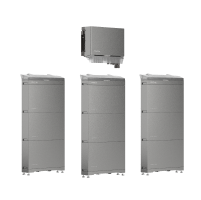
The EcoFlow PowerOcean Single-Phase Battery is designed to power standard UK single-phase homes. It captures solar power during the day and releases it when needed, meaning high-draw appliances can power on clean, less expensive electricity, rather than electricity at peak rates. Capacity begins at 5 kWh, and rampages up to 15 kWh as needs increase. When used in conjunction with a much larger home solar battery storage plan, you can extract power from sources already captured, with every wash cycle. The complete EcoFlow Home Energy Ecosystem demonstrates the integration of solar, storage and smart control in your home.

Time-of-use tariffs as a complementary strategy
If the solar is not installed, a battery can be charged at the lower “off-peak” rates, then discharged at the higher “on-peak” rates. If the washing machine is running during discharge periods, it is as if you are paying off-peak rates, all day long.
Smart Energy Monitoring: Seeing Exactly What Your Machine Costs to Run
The label provides you with a number that is derived from standardised test conditions. Actual consumption can exceed the rated consumption depending on the temperature, load size and the age of the machine. If you are not monitoring, you have no certain way to determine if you are operating at label efficiency or paying a much higher price.
Real-time monitoring eliminates this with precise information on how much electricity each appliance consumes, cycle by cycle. The EcoFlow PowerInsight 2 Monitor keeps an eye on the consumption in the house, and the EcoFlow App provides a real-time display of solar generation, battery status and consumption on one screen. It is a dedicated Home Energy Monitor and provides you with the information you need to find the optimal time to operate heavy-draw appliances and to determine if your existing appliance is still operating close to its rated efficiency.

Washing Machine Energy Ratings at a Glance
Rating | Annual kWh (220 cycles) | Annual cost at 24.50p/kWh | 10-year cost | Suitability |
A | 108 kWh | £26.46 | £264.60 | High-frequency use, long-term ownership |
B | 123 kWh | £30.14 | £301.40 | Best value for most UK households in 2026 |
C | 147 kWh | £36.02 | £360.20 | Acceptable if upfront savings are significant |
D | 176 kWh | £43.12 | £431.20 | Avoid for new purchases |
Conclusion
A washing machine energy rating is a useful starting point, not the full picture. The kWh is more important than the letter, your habits are more important than your rating, and when you operate the machine, it is as important as which machine you use. The greatest improvements are achieved when using the right energy setup and lower wash water temperatures. The cost per cycle decreases no matter which letter is on the label, as long as your machine uses stored solar power in preference to peak-rate grid power. To do that, you could browse EcoFlow's home battery storage products or get a solar battery quote customized for your home.
Schedule Your Free Consultation Today!
What kind of product or solution are you interested in?

FAQs
What does the energy rating on a washing machine mean?
It gives an indication of how effective the machine is at using electricity, rated from A (most efficient) to G (least efficient), on the basis of the kilowatt-hours per 100 cycles for typical test conditions.
What is the best energy rating for a washing machine in the UK?
In 2026, A-rated machines are the most efficient machines, but are scarce and expensive. A B-rated machine is recommended by most buyers in the UK because of a compromise between efficiency and cost.
What is the difference between A and C energy rating washing machine?
An A-rated machine uses roughly 49 kWh per 100 cycles, while a C-rated machine uses around 67 kWh. With current UK rates, the annual running cost difference is around £9 to £10 for an average household.
Is a C energy rating bad for a washing machine?
Not necessarily. If you wash less than 10 loads of laundry per week, a C model may be a better overall value because it will cost you much less than a higher-rated model. Running costs will be lowered more by washing at lower temperatures and at full loads than by upgrading the washers from C to B.
How much does an A-rated washing machine cost to run per year in the UK?
The indicative rate for Ofgem in April 2026 is 24.50p per kWh, so an A-rated machine (220 cycles/year) will cost around £26 to £28 a year. Actual costs vary by temperature and load habits.
Can I run my washing machine using solar panel battery storage?
Yes. Any energy that is not used by the household is stored in a home battery for when it is needed most, which drops the cost of each wash cycle significantly and makes decisions on when to wash much more dependent on the energy stored in the battery.

