
Washing Machine Energy Cost Savings: 7 Proven Ways to Lower Your Bills
British weather doesn’t exactly make it easy to dry clothes outside. So most of the time, the utility room takes the strain. And with energy bills still right at the top of everyone’s worry list, trimming a bit off those monthly costs is a must.
This guide looks at why your laundry might be costing you more than you think, and gives you seven practical ways to keep more of your money. Nothing fancy, just stuff that works. And yes, your clothes still come out clean and fresh.
Why does your washing machine use more electricity than expected?
Your washing machine might be using more energy than expected—not because it’s faulty, but because of a few common habits and hidden factors. Understanding these drivers is the first step toward reducing your average monthly electric bill. Here’s what actually drives consumption up.
Heating water eats most of the energy
Roughly 90% of the power your machine draws goes towards heating the water. Hotter cycles, especially 60°C and above, are the main reason bills climb. Unless you’re dealing with oily stains or heavily soiled workwear, a 30°C or 40°C wash does the job for everyday loads.
Half loads don’t halve the energy use
Running a part-filled drum still pulls nearly the same electricity as a full load. The cycle still heats water, drives the motor, and runs for a similar duration. Several small washes a week can add up to far more energy than two full ones.
Wrong settings for the job cost you
Buttons like “Heavy Duty,” “Intensive,” or “Pre-wash” aren’t just longer—they often ramp up heating time and drum action. For normal laundry, these settings deliver no real benefit, only higher consumption. Stick to “Eco” or “Daily” programmes where available.
Older machines lack modern efficiency
If your washer was made before the UK’s latest energy label changes, it won’t hit the same standards as today’s A-rated or B-rated models. Older appliances often lack inverter motors, better insulation, or smart load sensing—meaning they use noticeably more power per cycle.

What are the 7 proven ways to cut washing machine costs?
Switching up your laundry routine doesn’t mean dirtier clothes. Try these small changes and you’ll probably notice the difference on your next energy bill.
Wash clothes at thirty degrees Celsius
Modern detergents like Ariel, Persil, or own-brand bio powders, rely on enzymes that work perfectly well at lower temperatures. Dropping from 40°C down to 30°C cuts the cycle’s energy demand by roughly 40%. No catch.
Save the hotter washes for when they’re actually needed: heavy oil stains, or bedding after someone’s been ill. For everyday laundry—shirts, T-shirts, school uniforms—30 degrees gets the job done. Your clothes come out clean, and your meter doesn’t spin as fast.
Wait for a full laundry load
It’s easy to throw in a favourite pair of jeans the moment they hit the floor, but running a near-empty drum costs you. The machine draws pretty much the same power for a half load as it does for a full one—same spin, same heating cycle, same rinse.
Go by the “one-hand rule”: load the drum, then check you can slide your palm flat between the laundry and the top of the drum. That’s your sweet spot. It means you’re getting the most out of every kilowatt and every litre without overpacking.
Clean filters and descale regularly for peak performance
Hard water’s a real issue across most of England. Limescale clings to the heating element, forcing the machine to run longer and work harder just to hit the right temperature. That pulls more current and shortens the appliance’s life.
Clean the lint filter every few weeks—it takes two minutes. And run a descaling product through every couple of months, especially in hard-water areas like London, Essex, or the South East. Your pump and motor will run more efficiently, draw less power, and last you years longer.
Utilise high spin speeds before drying
If you use a tumble dryer or a heated airer—pretty much a must through a wet British winter—your washer’s spin cycle does the heavy lifting upfront. Bumping the spin from 800 rpm to 1400 rpm pulls out noticeably more water.
Yes, a faster spin uses a bit more electricity at the washing stage. But that small extra cost buys you a much shorter run on the dryer. And dryers are the real energy hogs. So you cut total cycle time, save overall, and get laundry that’s closer to dry before it even hits the rack.
Switch to dedicated Eco-wash cycles
Don’t let the timer put you off. Eco cycles look slow, but they’re where the real savings live.
Yes, a dedicated eco wash can run three or even four hours. That feels counterintuitive when you’re trying to cut costs. But here’s the trick: it heats the water gradually and soaks the laundry for longer. Lower temperature, less energy, and surprisingly less water too.
Compare that to a “Quick Wash” – which ramps the heat up fast and rinses hard. That short cycle often pulls more power per kilogram of laundry than the long, steady eco programme. Think of it as slow and steady winning the race. Your bills won’t mind the wait.
Time your laundry for cheaper off-peak hours
If you’ve switched to a dynamic tariff like Octopus Agile or a traditional Economy 7 meter, when you wash is just as important as how you wash. Running your machine during the early hours of the morning or during “plunge pricing” windows can reduce your per-cycle cost by more than 50%. Most modern machines have a “Delay Start” timer—use it to schedule loads for when the grid is least stressed.
Measure detergent accurately to prevent extra rinsing
The “more is better” approach to detergent is a myth that costs you money. Excessive suds trigger the “foam sensors” in modern smart machines, forcing them to perform additional rinse cycles to clear the drum. This wastes litres of water and adds unnecessary minutes of motor runtime. Stick to the recommended dosage for your water hardness to keep the cycle lean and efficient.
| Strategy | Typical Energy Saving | Ease of Implementation |
|---|---|---|
| 30°C Wash | 35–40% | Immediate |
| Full Load Only | 25–30% | High |
| Off-Peak Timing | Up to 50% (Tariff dependent) | Medium |
Why are habits alone not enough to control washing energy costs?
While being mindful is a great start, the UK’s increasingly complex energy market means that manual efforts often hit a ceiling of effectiveness. Many frustrated homeowners are left wondering why UK electricity is so expensive when even strict lifestyle changes fail to significantly dent their high standing charges and volatile unit rates.
Manual timing often misses those critical dynamic tariff windows where prices drop—sometimes even into negative pricing. Furthermore, real-time consumption remains invisible; you can’t manage what you can’t see. Often, our actual laundry needs clash with peak evening hours when everyone else is cooking and heating, driving prices up. Relying on isolated appliances prevents smart coordination, and unfortunately, rising standing charges can often offset the small savings gained from just washing at 30 degrees.
.png)
How can smart home energy systems reduce washing costs further?
If you’re serious about cutting your energy bills, stop doing everything manually. Let the tech do the work. UK prices are still unpredictable—caps change, standing charges add up. Doing things by hand only gets you so far. Automation is what pushes you past that limit. Implementing a comprehensive home energy management system allows your appliances to communicate and run only when it is most cost-effective for your budget.
Try smart plugs, load-sensing machines, or time-of-use tariffs. Or just set your washer to run overnight when electricity’s cheaper. Small tweaks, no extra effort, no remembering. That’s when savings actually start to add up.
Track live usage via a central dashboard
Mastering those seven energy-saving tips is a brilliant first step, but the real challenge lies in monitoring their ongoing impact. In the UK’s complex energy landscape, the EcoFlow PowerInsight 2 acts as the “visual brain” of your home energy system. Through its sleek 11-inch touchscreen, you can see the exact real-time consumption of your washing machine—identifying exactly how many pence each cycle costs—and compare it against your solar generation and battery levels.
Supporting the latest Matter 1.4 protocol, it unifies smart plugs and appliances from various manufacturers into one interface. This clarity allows you to stop squinting at confusing paper bills or glitchy utility apps and instantly identify which “heavy” cycles are draining your bank account, giving you the data needed to adjust your habits with surgical precision.
Store free solar energy for laundry tasks
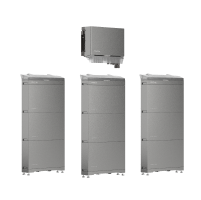
For households looking to completely bypass the volatility of UK peak-and-off-peak pricing, building your own “energy bank” is the ultimate strategy. The EcoFlow PowerOcean home battery system allows you to capture and store free solar energy during the day—even on those typically overcast British afternoons.
Using industry-leading LFP (Lithium Iron Phosphate) technology, it ensures every kilowatt-hour is stored safely with a lifespan that lasts for years. Crucially, the system can integrate with real-time price signals from providers like Octopus Energy, automatically avoiding the most expensive periods of the day. With a flexible capacity that scales up to 45kWh, you can ensure your power-hungry washer and dryer always run on self-generated green energy, effectively bringing the cost of a “weekly wash” down to near zero.
Automate cycles during the cheapest price windows
Smart integrations mean you no longer have to stay up until midnight to press “Start.” By linking your smart home system with dynamic tariffs, your washing machine can be programmed to trigger only when grid demand is at its lowest. In some cases in the UK, “plunge pricing” means you could actually be paid to use electricity—smart automation ensures you never miss these rare but lucrative windows.
Skip peak energy prices using battery storage
The dreaded 4 pm to 7 pm window is when standard UK unit rates skyrocket as the nation turns on its kettles and ovens. By using a home battery system, you can “time-shift” your energy usage. Your washing machine pulls from the stored, cheap electricity in your PowerOcean rather than the expensive peak-time grid, allowing you to get the laundry done exactly when you need it without the “peak-time penalty.”
Control laundry settings via voice assistants
Link your laundry routine to the smart home gear you’ve already got, such as Alexa, Google Home, or Apple HomeKit. Out in the garden or stuck on a work call? Just ask. A quick voice command tells you how the wash’s doing or lets you tweak the energy settings without lifting a finger. That way, saving energy stops feeling like a chore. No extra hassle, no constant checking—just lower bills and clean laundry, running quietly in the background.
How to start cutting your laundry costs?
Ready to get your utility room under control? You won’t cut those eye-watering bills overnight, but you can start making a difference today. Follow these five practical steps to rethink how much your laundry costs you.
Check your current electricity tariff details
Before you start saving, know what you’re actually being charged. Grab your latest bill or log into your provider’s portal. Look for your unit rate (p/kWh) and standing charge. If you’re running several loads a week, it’s worth looking at Time-of-Use tariffs like Octopus Agile or British Gas Flash, for example. These give you much cheaper rates during off-peak hours. Pair one of those with a smart laundry schedule, and you’ll start seeing real savings.
Switch your next load to a cold eco-wash
People overcomplicate this. Next time you throw a wash on, just ignore the quick wash and daily 40 buttons. Go for Eco 40-60 instead and turn it down to 30 or 20 degrees. The detergents you buy from Tesco or Asda work perfectly at those temps, so you’re not losing anything. Do that, and you’ve just knocked up to 60% off that cycle’s energy use. Your clothes come out clean, and your meter doesn’t spin like crazy. No downside, really.
Build long-term independence with battery storage
If you really want to protect your home from the energy price roller-coaster, stop treating the grid like your only option. A home battery storage system is the smartest move toward real independence. It lets you buy low and use high, storing cheap overnight electricity or free solar power, then run your washing machine or dishwasher during the day without paying peak rates. That’s a permanent buffer between your household budget and whatever the energy market does next.
Track your monthly energy savings
Saving money is a marathon, not a sprint. Keep a simple log or check your energy dashboard to see how your kWh usage changes month to month. Watching that “Laundry & Utility” figure drop gives you the motivation to carry on. Over a year, those small tactical changes can add up to hundreds of pounds. Much better sitting in your savings account than lining the pockets of energy giants.
Schedule Your Free Consultation Today!
What kind of product or solution are you interested in?
Conclusion
Lowering your laundry energy costs comes down to two things: smart habits and smart kit. Washing at 30 degrees and waiting for a full drum are where you start. But if you really want to take control, you need visibility into what you’re using and a way to store power when it’s cheap. That’s where smart monitors and home batteries come in. They turn laundry from a chore into something that just runs itself—efficiently, quietly, and without you having to think about it. Start small, keep an eye on your usage, and watch the bills come down.
Ready to stop guessing and start saving? See how EcoFlow’s smart home energy kit can take the hassle out of your laundry routine and trim your monthly costs.
FAQ
1. Is it cheaper to do washing at night in the UK?
It is only cheaper if you are on a specific off-peak tariff like Economy 7 or a smart dynamic tariff. For those on standard fixed-rate tariffs, the cost remains the same regardless of the time, though night-time usage helps reduce strain on the national grid.
2. Does a quick wash use more electricity?
Yes, surprisingly, a “quick wash” often uses more energy because the machine has to heat the water much faster to achieve results in a shorter window. Eco-cycles, while longer, are much more efficient at maintaining lower temperatures.
3. Is underloading a washing machine bad?
Underloading is inefficient because the machine uses a similar amount of water and electricity for a few items as it does for a full drum. It also leads to more frequent washes, which increases the overall wear and tear on the motor and your wallet.
4. How much solar power is needed to run a washing machine?
A typical washing machine requires between 500W and 2500W of power during its peak heating phase. A standard solar array combined with a home battery system can easily cover this demand, allowing you to wash your clothes using 100% free, self-generated energy.

