
Warm Homes Plan Energy Efficiency Upgrades: How UK Homeowners Can Benefit in 2026
With the 2026 rollout of the Warm Homes Plan, the government is finally putting real weight behind making British homes warmer and cheaper to run. This guide looks at how you can tap into these grants, upgrade your tech, and stop dreading the monthly energy bill.
Whether you live in a draughty Victorian terrace or a modern semi, the 2026 upgrades aim to go beyond simple insulation, focusing instead on integrated smart energy systems.
How to Check If You Qualify for The Plan
Before you start picking out new windows, make sure your property and household meet the criteria set by the Department for Energy Security and Net Zero. Eligibility is your gateway to thousands of pounds in subsidies.
Check Your Current Home EPC Rating
Your Energy Performance Certificate (EPC) shows where your home stands on efficiency. The Warm Homes Plan generally prioritises properties rated D, E, F, or G. You can look it up on the government’s official EPC register.
Review Household Income Limits
Many grants are means-tested to keep things fair. If your combined household income falls below the £31,000 threshold, or someone in your home receives certain benefits like Pension Credit, you may qualify for 100% funding on specific upgrades.
Assess Your Current Heating Efficiency
Still on a G-rated gas boiler or old storage heaters? You’re likely near the front of the queue for an upgrade. The plan focuses on homes with outdated, carbon-heavy heating.
Verify Your Home Ownership Online
Whether you own your home or rent privately (with your landlord’s agreement), use the official government portal to check your status. You’ll just need your postcode and Council Tax details.
Which Energy Upgrades Offer the Highest Grants
Some offer a much faster return on investment and receive heavier subsidies under the 2026 framework.
| Upgrade Type | Typical Efficiency Impact | Estimated Grant Support |
|---|---|---|
| Air Source Heat Pumps | High | Up to £7,500 |
| Solid Wall Insulation | Very High | Variable (up to 70%) |
| Solar & Battery Storage | High | VAT Exemption & Local Grants |
Install Solid Wall Insulation for Efficiency
For the many UK homes built before 1920, solid walls are a major source of heat loss. Applying external or internal insulation can cut your heating bills by up to 40% and stop that damp “chill” from seeping through the bricks.
Replace Old Windows with Triple Glazing
Double glazing used to be the gold standard. Not anymore. Triple glazing is now the go-to if you want to kill cold spots and cut outside noise – especially in busy places like London or Manchester.
Upgrade to Modern Air Source Heat Pumps
Heat pumps are the crown jewel of the Warm Homes Plan. By extracting heat from the outside air—yes, even in our British drizzle, they provide a low-carbon way to heat your home far more efficiently than gas. 2026 is also the time to claim your air source heat pump grant.
Seal Draughts to Improve Loft Insulation
It sounds simple, but a significant amount of heat escapes through the roof. Ensuring your loft insulation is at least 270mm thick and sealing gaps around hatches is one of the most cost-effective moves you can make.
Install Smart Radiator Thermostats (TRVs)
Smart TRVs allow you to heat rooms individually. Why heat the spare bedroom all day when you’re only using the home office? These devices ensure heat is only sent where it’s actually needed.
.png)
Why Most UK Homes Still Waste Energy Daily
Even with good intentions, the average British household “leaks” money through habits and outdated infrastructure that aren’t fit for the modern energy market.
Stop Heat Loss Through Poor Ventilation
There’s a fine line between breathable and draughty. Without controlled ventilation – such as an MVHR system – you’re essentially paying to heat the street every time a breeze blows through.
Running Appliances During Expensive Peak Hours
Most of us put the dishwasher on at 6:00 PM, right when electricity is most expensive. This peak-time usage is a major contributor to high annual bills in the UK.
Solar Energy Goes Back to the Grid Unused
If you have solar panels but no home battery storage, you’re likely exporting your clean energy for a pittance during the day, only to buy it back at a premium when the sun goes down and you actually need it.
Manual Thermostats Fail to Track the Weather
Old-school manual thermostats don’t care if it’s an unseasonably warm afternoon in April; they’ll keep chugging along, wasting energy while you’re out of the house.

How Can Smart Technology Maximise Your Savings
To truly master your home’s energy, you need more than just better bricks; you need an intelligent system that does the heavy lifting for you.
Store Solar Energy in Home Batteries
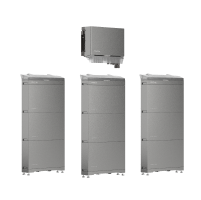
In the UK, solar generation often peaks while we’re at work, creating a mismatch with our evening energy demands. By installing the EcoFlow PowerOcean home battery system, you can capture that free daytime energy for later use. Designed specifically for the British climate, it features IP65 weatherproofing and built-in heating technology, ensuring reliable performance even in freezing winters. The real “money-saver” is its integration with dynamic tariffs like Octopus Energy; the system can automatically “top up” from the grid when prices are at their lowest (often 2-5 AM) and power your home during the expensive evening peak.
Centralise Control with Smart Dashboards
An efficient energy system needs a “cockpit” to prevent heat pumps or appliances from causing unexpected bill spikes. The EcoFlow PowerInsight 2 serves as your home’s energy brain, visualising solar production and real-time consumption. Supporting the Matter protocol, it can seamlessly manage your existing UK smart devices, like Google Nest thermostats or smart plugs. Instead of juggling multiple apps, you can adjust your entire home’s energy priority based on 24-hour price forecasts with a single tap.
Automate Device Schedules During Off-Peak Hours
By automating your washing machine or dishwasher to run during “green” windows when renewable energy is abundant, you contribute to a stable grid while paying significantly less per kWh.
Balance Power Loads Across Heavy Appliances
If you plan to add EV home charging to reduce charging costs, smart systems ensure that your EV charger, heat pump, and oven aren’t all fighting for maximum power at once, preventing tripped breakers and ensuring efficient distribution across your home’s circuits.
Track Live Energy Data Via Smartphone
Knowledge is power. Seeing exactly how much an hour of tumble-drying costs in real-time on your phone is often the best motivation to find more efficient habits.
Step-By-Step Guide to Your Upgrade
Moving from a heat-leaker to a smart-saver sounds big, but the 2026 process is simpler than earlier schemes. Here’s the route.
1. Apply via GOV.UK
Use the online one-stop-shop eligibility checker. You’ll need your postcode, recent bills, and property age. You’ll get a digital reference number – your passport to grants.
2. Get Three Trustmark Quotes
Source quotes from three TrustMark-accredited pros. It keeps prices fair and standards high. Most grants require TrustMark registration – it verifies competence and backs the work with a financial guarantee.
3. Book an Energy Assessment
A Retrofit Coordinator or assessor visits your home to find heat leaks, often with thermal imaging. This assessment builds a bespoke Home Upgrade Plan – prioritising fabric-first insulation or low-carbon heating to match your goals.
4. Finalise Your Hardware Plan
Coordinate with installers to merge structural upgrades with smart controls and storage. By integrating a holistic home energy management system, your new kit – heat pump or solar – gets correctly commissioned for off-peak tariffs. Your home then automatically shifts energy use to the cheapest, greenest hours.
Schedule Your Free Consultation Today!
What kind of product or solution are you interested in?

Conclusion
The 2026 Warm Homes Plan presents a valuable opportunity to future-proof your home against climbing energy prices. When you combine government-funded structural improvements with advanced smart technology, such as EcoFlow’s storage and monitoring systems, UK homeowners can finally enjoy a home that balances intelligence with everyday comfort.
FAQ
1. Do I Need Permission for Solar Panels in a Conservation Area?
Yes, you usually need to check with your local planning authority, as “permitted development” rights are often restricted in conservation areas to preserve the historical aesthetic. Always consult your council before installing panels on a street-facing roof.
2. What Is the Difference Between the Warm Homes Plan and the ECO4?
The Warm Homes Plan is the latest 2026 initiative focusing on broader decarbonisation, whereas ECO4 is a specific obligation for energy suppliers to support low-income and vulnerable households. You may be eligible for both depending on your circumstances.
3. How Do Home Improvements Affect Your Council Tax Band?
In most cases, energy efficiency improvements will not trigger a council tax revaluation until the property is sold. This means you can enjoy a more valuable, efficient home without an immediate increase in your tax bill.
4. Do I Need to Upgrade My Electrical Panel for a Heat Pump?
You might need a panel upgrade if your current consumer unit is old or lacks capacity for the increased load. A qualified electrician will assess this during your initial home energy survey before any installation begins.

