
UK Net Zero Vehicle Emissions Plans: What Homeowners Need to Know in 2026
Take a look around your street and you’ll likely spot more green number plates than you would have a couple of years back. As the UK pushes towards its Net Zero goals, electric vehicles are becoming a more familiar sight on family driveways, and that shift is starting to ripple back into how households manage their energy. This guide runs through the main vehicle emissions policies landing in 2026, what they mean for homeowners, and how smart home energy setups can help keep charging bills in check.
What Are the UK's Net Zero Vehicle Emissions Plans in 2026?
If you’re weighing up an electric vehicle, it’s worth getting a handle on where UK transport policy is heading. The changes rolling out in 2026 will shape everything from the cars available on the market to how many households go about charging them at home.
Petrol and Diesel Sales Restrictions
The 2030 ban on new petrol and diesel cars is still in place. From that point, most new cars will have to be zero-emission, though some hybrids get a bit longer, until 2035. Your current car isn’t going to be illegal overnight – you can carry on driving it. But if you’re buying new, it’s worth thinking about how these rules could affect running costs and what the car might be worth in a few years’ time.
Zero Emission Vehicle Sales Requirements
The Zero Emission Vehicle mandate is putting car makers on the hook with legally binding targets. In 2026, they’ll have to ensure a sizeable chunk of their new car sales are zero-emission, electric or hydrogen, and that percentage climbs every year. That’s already bringing a wave of new EV models onto UK forecourts, which makes the switch more achievable for buyers, but it also sharpens the question of home charging and whether the infrastructure is there to back it up.
Electric Vehicle Charging Infrastructure Plans
Public charging is getting easier to come by, with more points popping up on motorways, in town centres, and at places like supermarkets and leisure parks. Even so, most EV owners still do the bulk of their charging at home,it’s cheaper and it’s more convenient. And that’s exactly why home charging is set to carry the heaviest load as more people make the switch.
Changes to Vehicle Emission Standards
More local councils are following London’s lead and bringing in or expanding Clean Air Zones and Low Emission Zones. These schemes are hitting older, higher-emission petrol and diesel drivers in the pocket, with daily charges in certain urban areas. Little wonder more people are weighing up an electric car to dodge the fees and cut their day-to-day running costs.
How Will Net Zero Vehicle Policies Affect UK Homeowners?
Charging an EV at home changes your electricity use. You’re plugging in overnight instead of filling up at the pump, and that adds a big new load to your household supply.
Rising Home EV Charging Demand
As more British drivers make the leap under the UK net zero vehicle emissions plans, home charging demand is hitting record levels. Planners reckon over 80% of EV charging will happen at home. That means your car is no longer just sitting in the garage – it’s the biggest single draw on your household electrics.
Higher Household Electricity Demand
Add an EV to the average household, and your annual electricity use can jump by 50 to 100 per cent, depending on the mileage you do. That extra draw puts real strain on older fuse boards, particularly if you’re charging during peak hours when the oven’s on, the shower’s running, or a heat pump’s already pulling its weight.
Changes in Home Energy Costs
As household electricity use increases, energy costs become more important to manage. Charging an EV on a standard tariff can noticeably increase your monthly bill, which is why many households are switching to time-of-use tariffs. Comparing how much is electricity per kWh under different tariffs can help homeowners estimate charging costs more accurately and identify the best times to charge their vehicles.
Home Energy System Upgrades
As EV charging becomes part of everyday life, many households discover that their existing electrical setup wasn’t designed for this extra demand. Smart energy management helps balance everything automatically. Building a connected Home Energy Ecosystem allows EV chargers, batteries, and household appliances to work together more efficiently. Without intelligent management, charging a vehicle while boiling a kettle and running a tumble dryer can easily exceed a standard home’s peak power limit, tripping safety breakers and causing unwanted disruptions.
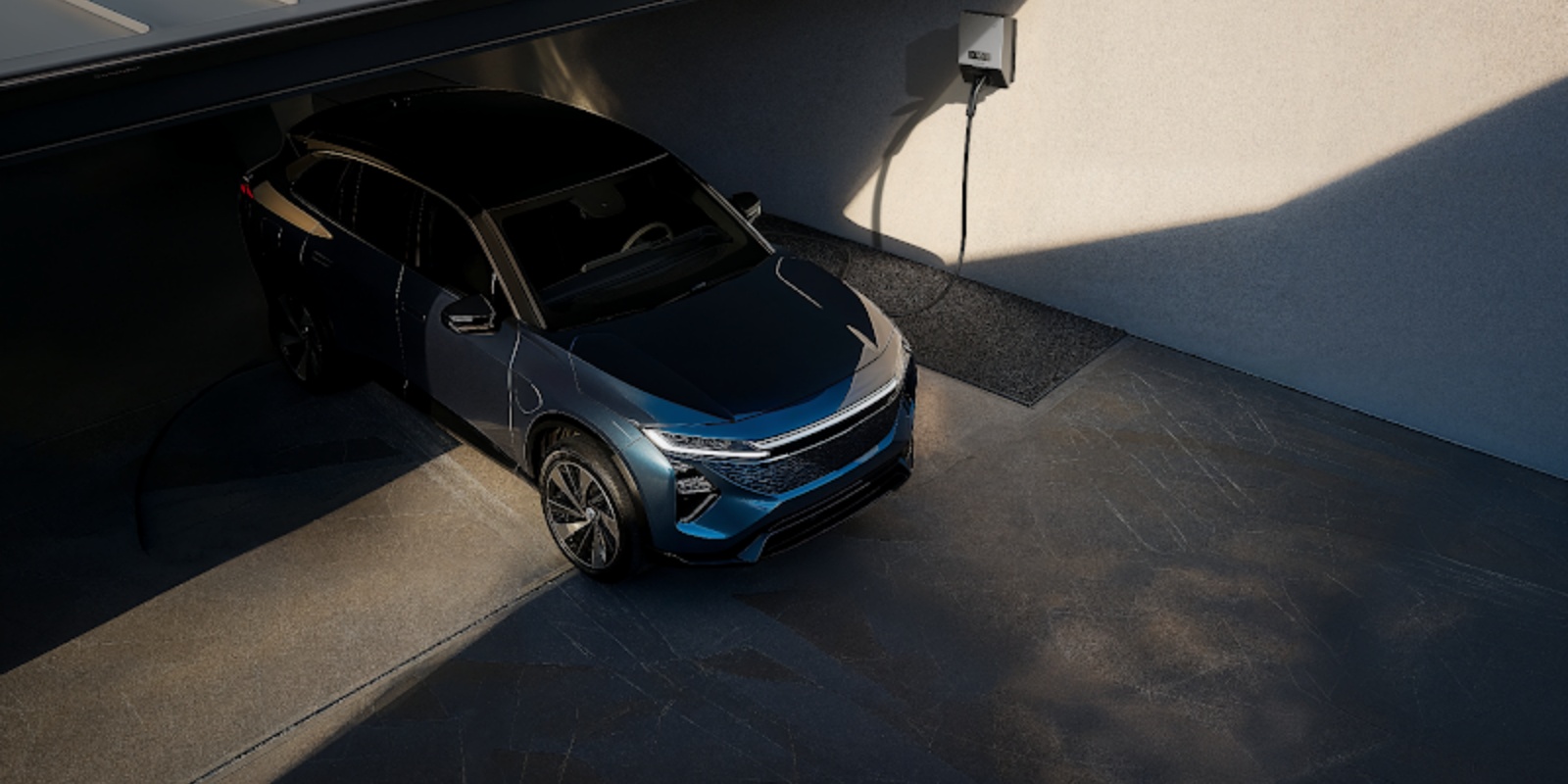
How Can Home Energy Systems Support Electric Vehicle Charging?
A home energy system can help you charge your EV more efficiently. With solar panels, battery storage and a smart charger working together, you can reduce grid use and keep charging costs down.
Using Solar Energy for Charging
Generating your own green power on-site is the cleanest way to charge your car. Pairing rooftop solar panels with an EcoFlow Solar Battery allows excess daytime generation to be stored for later use, helping maximise self-consumption and reduce reliance on grid electricity. By aligning your vehicle’s charging schedule with the daylight hours your rooftop solar panels are producing peak electricity, you can enjoy virtually free motoring.
Storing Electricity for Later Use
But what if you are at work during the day when the sun is shining? That is where home storage comes into play. A domestic battery storage system allows you to capture surplus solar energy during the afternoon and hold it ready for your car when you plug it in after the evening school run. A reliable battery management system also helps optimize battery performance, monitor cell health, and improve long-term storage efficiency.
Using Smart EV Charging Solutions
As EV adoption accelerates across the UK, more families are looking at domestic charger installations. For residential users, EV charging is not just about raw speed; it requires careful management of your home’s total electrical load. If a vehicle is charging at full blast in the evening while the family is cooking dinner and washing clothes, managing the power allocation dynamically is crucial to keep everything running smoothly.
The EcoFlow PowerPulse 2 tackles these home energy challenges head-on with dynamic load balancing. It keeps a constant eye on what your household is drawing in real time and adjusts the car’s charging rate up or down to stop your consumer unit from tripping. It also works smoothly with UK smart tariffs that change throughout the day. By scheduling charging for the cheaper overnight hours, the PowerPulse 2 gets your car topped up at the lowest possible cost, giving you both peace of mind and lower bills.
Managing Household Energy Flows
Many UK homes now have more than just appliances drawing electricity. Solar panels, batteries, heat pumps and EV chargers all need to work together. Each of these has its own peak times and power demands, so you need something to tie them all together – a central brain that can juggle generation, storage, and what the house is using at any given moment.
That’s where the EcoFlow OCEAN 2 Plus Single Phase comes in. It acts as the nerve centre of your home energy setup, pulling solar panels, batteries, EV chargers, and major appliances into one joined-up system. What sets it apart is the scope to expand storage right up to 60kWh. So as you add more kit – another heat pump, a second EV – your energy reservoir can grow with you. More self-consumption from your solar, less reliance on a grid that keeps getting pricier.

What Financial Options Are Available for UK Electric Vehicle Transition?
Although buying an EV often costs more than buying a petrol or diesel car, government support and EV-friendly electricity tariffs can help lower the overall cost.
Electric Vehicle Purchase Incentives
While direct plug-in grants for private cars have largely wound down, massive savings remain available through the UK Salary Sacrifice Scheme. Under this system, employees can pay for a brand-new EV out of their pre-tax income, yielding up to 40% in tax and National Insurance savings. Additionally, company car drivers benefit from extremely low Benefit-in-Kind (BiK) tax rates, which remain highly advantageous through 2026.
Home Charger Installation Support
The government offers targeted support to help with home charging setup costs. The EV Chargepoint Grant provides up to £350 (or 75% of the cost) for individuals who live in flats or rented accommodation. Additionally, the scheme supports landlords and multi-occupancy building owners looking to add chargepoints to their properties.
EV Charging Tariff Options
UK energy providers have introduced specialized EV tariffs specifically designed for overnight charging. A comparison of current market structures highlights the massive savings available when switching from a standard flat-rate tariff:
| Tariff Type | Typical Day Rate (p/kWh) | Typical Night Rate (p/kWh) | Best Suited For |
|---|---|---|---|
| Standard Variable Tariff (SVT) | ~24.5p (Flat) | ~24.5p (Flat) | Low-mileage drivers without an EV. High risk of high bills for vehicle charging. |
| Time-of-Use EV Tariff | ~30.0p | ~7.0p - 9.0p (e.g., 12am - 5am) | EV owners charging overnight. Allows substantial savings when combined with smart schedulers. |
| Dynamic Tracker Tariff | Variable (Tracks wholesale) | Variable (Can go negative) | Tech-savvy homeowners with smart battery systems who can automate charging based on hourly prices. |
How Can UK Homeowners Prepare for a Net Zero Vehicle Future?
If you’re planning to buy an EV, it’s worth thinking about home charging before you make the switch. As the UK net zero vehicle emissions plans continue to reshape transport and household energy use, a little preparation can make installation easier and help you avoid unnecessary costs later on.
Checking Home Charging Options
Start by looking at where you park. If you’ve got off-street parking, you can get a 7.4kW wallbox put in without much fuss. If you’re relying on on-street parking, check whether your local council is signed up to the on-street residential chargepoint scheme. They install chargers in lampposts or pavement gullies, which can be a decent workaround.
Assessing Home Electrical Capacity
Before an installer can hook up a high-power EV charger, they’ve got to give your local Distribution Network Operator a heads-up. The DNO will check whether your main incoming fuse – typically 60A, 80A, or 100A – can cope with the extra draw. If you’re on an older 60A fuse, you might qualify for a free upgrade from the DNO. If not, you’ll need a smart charger with dynamic load balancing to keep things safe.
Planning Home Energy Upgrades
Don’t just think of it as getting a charger put in. Look at the bigger picture on how solar panels or battery storage could work alongside it. A modular setup gives you room to grow, so when your needs change, you’re not tearing everything out and starting from scratch.
Monitoring Future Policy Changes
Keep an eye on local rules and council schemes. From clean air charges in your area to changes in car tax, with EVs now subject to standard VED since April 2025, staying clued up helps you adjust your charging and driving habits to keep costs in check.
Schedule Your Free Consultation Today!
What kind of product or solution are you interested in?

Conclusion
More households than ever are charging an EV at home, and that’s changing the way homes use electricity. A bit of forward planning now can save you from running up bigger bills down the line.
Changing policies, tighter emission zones, and rising power demands all bring new pressures, but they also open up a real chance to bring your home’s energy setup into the modern age. Pair a smart charger like the EcoFlow PowerPulse 2 with a home energy hub like the EcoFlow OCEAN 2 Plus Single Phase, and you can steer clear of peak electricity costs, keep your home supply safe from overload, and run your car on clean, self-generated power for years to come.
FAQ
Can I Still Drive My Diesel Car After 2030 in the UK?
Yes, absolutely. The 2030 ban only stops the sale of new petrol and diesel cars. It doesn’t affect existing vehicles. You can keep driving yours, and fuel will still be available at stations for years to come.
Is It Cheaper to Charge an Electric Car at Home in the UK?
Yes, much cheaper than using public rapid chargers, especially if you’re on an EV-specific tariff. Public rapid chargers can cost 70p to 80p per kWh. At home, a dedicated EV tariff can bring that down to 7p to 9p per kWh overnight, leaving you paying just a few pence per mile.
Do EV Cars Use a Lot of Electricity?
Yes. An EV can easily double a typical household’s annual electricity use. Most EV batteries hold between 40kWh and 80kWh, so one full charge can use more power than your home would normally get through in several days.
How Many Solar Panels to Charge an Electric Car in the UK?
You’d usually need 10 to 15 modern panels, roughly a 4kW to 6kW system, to cover the average annual driving distance. But British weather being what it is, solar output isn’t always reliable. Pairing panels with a home battery like the EcoFlow OCEAN 2 Plus is a smart move, so you can store daytime generation for charging your car at night.
What Are the Electrical Requirements for an EV Charger?
A standard fast charger needs its own 230V circuit, 32 amps. You’ll need a spare slot in your consumer unit for the breaker, and your main fuse should be 80A or 100A ideally. Anything less and you might find the whole lot trips when you’re boiling the kettle and charging the car.

