
UK Heatwave Thunderstorms: Met Office Warnings and How Extreme Weather Affects Homes
UK heatwave thunderstorms happen when the sun bakes the ground, heating up damp air until it shoots upwards. Then it hits colder air from the Atlantic and things get unstable. You get lightning, flash flooding, big hail, and gusts that’ll rip through gardens.
A few simple moves help. Unplug your expensive gear, clear the gutters, tie down the garden furniture. And having some kind of backup power sorted means you’re not left in the dark when the grid goes.
This guide runs through why these storms come out of nowhere, how to make sense of the warnings, what problems UK homes may face, and what you can do about it. Flood defences, battery storage, just practical stuff to get you through without too much hassle.
Key Takeaways
What kicks them off: Hot ground plus humid air. That combo drives rapid convection, turning a muggy afternoon into a full‑on storm cell fast.
Met Office warnings: Yellow means disruption's possible. Amber means travel and property are likely to be hit. Red means serious danger to life, widespread.
What hits British homes: Lightning surges that fry electronics. Surface water flooding that old Victorian drains can't handle. Wind that tears off tiles and knocks down fences.
What you can do: Simple stuff helps, surge protectors, clear your drains. But for the bigger picture, think about battery storage and energy monitors. That way, when the grid drops, you're not scrambling.
Why Do Heatwave Thunderstorms Happen in the UK?
Hot and humid summer weather can create unstable atmospheric conditions. When warm, moist air rises rapidly, thunderstorms can develop quickly, bringing heavy rain and sudden changes in weather.
High Temperatures and Rising Warm Air
Sunshine for a few days in a row really warms things up. Roads and dry ground heat the air above them. That warmer air rises, cools, and moisture starts to condense. Clouds form. If the updraft’s strong enough, those clouds grow into proper cumulonimbus. Then the thunder and rain follow.
High Humidity and Increased Atmospheric Moisture
Hot continental air pushes across the Channel. At the same time, sea air brings extra moisture. The warmer the atmosphere gets, the more water vapour it holds – about 7% more for every degree of warming. That warm, damp air rises, hits cooler air higher up, and conditions turn favourable for thunderstorms. They can develop fast when that happens.
Unstable Air Conditions Between Warm and Cool Air Masses
The UK sits right under the polar front jet stream. That’s where warm air from the south meets cooler air rolling in off the Atlantic. When that cool upper air hits the hot, sticky stuff trapped at ground level, things turn unstable quickly. The clash sets off charge separation, and you get the full works: lightning, thunder, and heavy rain. Simple physics, but the results are anything but subtle.

What Does a Met Office Thunderstorm Warning Mean?
When storm clouds gather, the Met Office issues colour-coded National Severe Weather Warning Service (NSWWS) alerts based on potential impact and likelihood.
Different Thunderstorm Warning Levels
Understanding the severity and geographical scope of an alert helps households take the right precautions at the right time.
| Warning Level | Typical Impact | Risk | Action |
|---|---|---|---|
| Yellow | Minor flooding, travel delays, isolated lightning. | Low–Medium | Check updates, secure outdoor items, clear drains. |
| Amber | Major travel disruption, power cuts, flooding, wind or lightning damage. | Medium–High | Unplug appliances, move valuables upstairs, charge power banks. |
| Red | Life-threatening conditions, major outages, widespread damage. | High | Stay indoors, avoid travel, follow emergency procedures. |
Weather Risks Covered by Thunderstorm Warnings
A single thunderstorm warning encompasses multiple hazards occurring simultaneously:
Torrential Downpours: Heavy rainfall over a short period, which can overwhelm drainage systems and increase the risk of surface water flooding.
Frequent Lightning: Multiple lightning strikes that may damage electrical equipment or contribute to local power disruptions.
Large Hail: Hailstones capable of cracking skylights, damaging car bodywork, and shredding conservatory roofs.
Convective Gusts: Sudden downbursts that can produce strong gusts, potentially damaging trees, fencing, and outdoor structures.
Official Guidance During Warnings
The Met Office and Environment Agency have clear advice for storm‑affected areas. Stay indoors. Unplug outdoor equipment. And get ready for power cuts by keeping torches and emergency supplies close to hand.
How Can UK Heatwave Thunderstorms Affect Homes?
While a summer thunderstorm brings welcome relief from the sweltering heat, the sudden deluge tests the structural and electrical resilience of British housing.
Lightning Strikes and Power Surges Damaging Electronics
A direct lightning hit is rare. But strikes nearby can still cause big voltage spikes along overhead power and phone lines. Those surges travel straight through your ring main and fry sensitive parts in boilers, smart TVs, routers, and EV chargers. Even nearby strikes can create electrical surges that affect household equipment.
| Household System / Appliance | Vulnerability Mechanism | Potential Financial & Practical Impact |
|---|---|---|
| Combi Boilers & Heat Pumps | Voltage surges can damage sensitive electronic components such as PCBs. | £300–£1,000+ repair costs; loss of hot water or heating functions. |
| Broadband Routers & Smart Hubs | Electrical spikes may damage connected equipment through mains or communication lines. | £50–£200 replacement costs; disruption to internet access and smart devices. |
| Kitchen Appliances (Fridge/Freezer) | Compressor damage or power interruptions can affect operation. | £400–£1,000+ repair or replacement costs; risk of food spoilage. |
| Home EV Chargers | Supply fluctuations during grid disturbances may affect charging equipment. | £500–£1,500 replacement costs; temporary loss of charging capability. |
Heavy Rain and Flash Flooding Causing Property Damage
In a summer downpour, bone‑dry soil turns hydrophobic. It stops soaking water in and starts pushing it away. Run‑off sweeps across patios, drives, and roads, overwhelming older Victorian brick drains. Water backs up through air bricks. It seeps under patio doors. It pools in driveways and basements. The result? Damp, timber rot, and a lot of expensive repairs.
Strong Winds Damaging Roofs and Outdoor Structures
Severe thunderstorms throw down sudden blasts of cold air – known as convective downbursts. They hit the ground and spread out fast. These gusts can loosen slate or clay roof tiles. They can tear felt off garden sheds and snap old timber fencing. Even garden tables and parasols can become flying hazards.Alt: Ecoflow OCEAN 2 Plus single phase home battery

How Can UK Households Prepare for Heatwave Thunderstorms?
Proactive maintenance and sensible storm precautions take only an hour or two, yet they prevent thousands of pounds in property damage.
Protect Electrical Devices and Appliances from Surges
Before a storm hits, unplug expensive electronics such as desktop PCs, OLED TVs, gaming consoles, and routers to protect them from potential surges. For stuff you need to keep on, surge protection helps. A good surge‑protected extension lead is a simple fix. Or get a sparky to fit a Type 2 SPD inside your consumer unit.
If thunderstorms are forecast, consider pausing EV charging before severe weather arrives and follow the safety guidance provided by your vehicle and charger manufacturers. During an active thunderstorm, avoid unnecessary contact with outdoor electrical equipment.
Secure the Home Against Flooding and Heavy Rainfall
Heavy rain has a way of finding weak spots in your drainage. Clear leaves and moss from box gutters and downpipe hoppers so water can flow freely during a downpour. Check rainwater gullies, French drains, and soakaways around patios too. Garden debris can quickly block drainage routes during heavy rainfall.
Outside, secure anything that might take off in strong winds. Drop parasols. Anchor trampolines. Move lightweight furniture, plant pots, and the like into the garage or shed. It takes minutes, but it saves a lot of hassle. Beyond short-term storm preparation, improving home efficiency through measures such as insulation upgrades and learning how to improve epc rating can help UK households maintain more comfortable indoor temperatures while reducing energy demand.
Prepare Emergency Kits and Power Backups for Outages
Summer storms have a habit of taking out overhead cables in rural and suburban areas. Power cuts hit just when you need fans or medical equipment most. Emergency supplies like LED lanterns, water, and a first‑aid kit help, but more households are turning to battery storage to see them through.
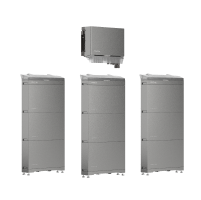
For homeowners looking for backup capability, the EcoFlow Ocean 2 Plus Single Phase can form part of a home energy system designed to supply selected household loads during a grid outage when installed with the required backup equipment and configured appropriately. Actual backup duration and the loads that can be supported depend on battery charge, system configuration and household demand.
How Can Extreme Weather Change UK Home Energy Needs?
Extreme heat can increase electricity use as households rely more on fans, air conditioning and other cooling equipment. If a storm then causes a power cut, that increased demand makes solar battery storage more useful by helping households store energy and maintain access to power when the grid goes down.
Higher Demand for Reliable Power During Extreme Weather
British homes were built to keep the heat in. That’s great in winter. In a heatwave, it’s a problem. To stay comfortable, households turn to portable air conditioning, heat pumps in cooling mode, and fans. Power demand shoots up. And if a thunderstorm takes the grid down during a heatwave, ventilation goes with it. Homes quickly turn into stifling greenhouses. Understanding household energy consumption, including how to read a smart meter, can help residents identify high-use appliances and manage electricity demand more effectively during heatwaves.
Build Energy Resilience With Home Battery Storage
Relying on an overhead grid alone leaves modern homes exposed. When extreme weather hits, that vulnerability shows. Solar plus a dedicated battery changes the picture, especially when combined with a Home Energy Ecosystem that connects generation, storage, and energy management into one smarter setup. It’s a self‑replenishing buffer that keeps you going. No waiting for the power to come back. No scrambling for torches. Just clean, stored energy, ready when you need it.
Smarter Energy Management for Changing Weather Patterns
When the weather’s unpredictable, you need a clear view of your energy. What you’re generating. What you’re storing. What you’re using. During heatwaves, cooling appliances can push consumption through the roof. Tracking those spikes helps you avoid nasty surprises on your bill.
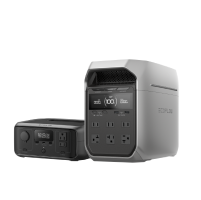
Smart energy systems like the EcoFlow PowerInsight 2 give you an intuitive, live view of your whole setup. You can see consumption trends, automate distribution, and fine‑tune your usage. That means lower bills on time‑of‑use tariffs and full control over your reserves, whatever the weather throws at you.
Schedule Your Free Consultation Today!
What kind of product or solution are you interested in?
Conclusion
Heatwave thunderstorms are becoming a more noticeable feature of UK summers as weather patterns continue to change. Scorching ground temperatures. High humidity. Atlantic instability. All mixed together, they produce sudden, high‑impact storms capable of power surges, flash flooding, and grid failures.
Stay on top of Met Office alerts. Protect your electronics. Keep drains clear. And consider a smart home battery system. With those in place, you can turn a vulnerable property into something resilient, no matter what the forecast throws at you.
FAQ
Which part of the UK gets the most thunderstorms?
Southern, eastern, and central inland England see the most storms. The East Midlands, East Anglia, and Greater London typically get between 15 and 20 thunder days a year. That’s down to higher summer temperatures and warm air drifting in from the continent.
Is it safe to shower or use plugged‑in devices during a storm?
Best not to. Avoid showers and corded appliances while lightning’s active. The charge can travel through metal pipes and wiring. Stick to battery‑powered devices and hold off on the bath until the storm’s passed.
Will a home battery system work automatically if the grid fails?
Yes, if it’s fitted with an automatic transfer switch. It detects the loss within milliseconds and isolates your home from the network. Lights, internet, and the fridge‑freezer keep running. No need to do a thing.
Does standard UK home insurance cover thunderstorm and flood damage?
Most buildings and contents policies cover storm damage, lightning, and flash flooding. But read the small print. Garden fences and gates are often excluded. And claims can be turned down if the damage came from poor maintenance – pre‑existing roof issues or blocked gutters, for example.

