
Installing Solar Panels on Flat Roof: How to Maximise Efficiency
Flat roofs are increasingly common across British homes, from modern extensions in London to coastal garages in Cornwall. While they offer a fantastic canvas for renewable energy, a flat roof solar installation requires a bit more “finesse” than a standard pitched roof. Because the panels don’t have a natural slope to rely on, you have to create the optimal environment for them to thrive.
In this guide, we’ll explore how to navigate the technicalities of flat roof mounting, identify why your current setup might be lagging, and show you how to integrate smart tech to ensure your British home stays powered even when the clouds roll in.
How a Flat Roof Solar Installation Works
Installing solar on a flat roof isn’t as simple as laying the panels flat. In fact, doing that kills efficiency. Instead, installers use specialist mounting systems to tilt the panels while keeping your home’s waterproof seal intact, ensuring optimal performance without compromising the roof structure.
Use Ballasted Mounts to Avoid Leakage
Most UK installers prefer ballasted mounting systems, which use heavy weights (like concrete blocks) to secure the panels rather than drilling holes into your roof membrane. Proper distribution of weight and protection mats is essential to maintain membrane integrity.
Set Tilt Angles with Adjustable Frames
The British sun’s not exactly blazing, so you tilt the panels. Usually 10° to 15° to balance energy capture with wind resistance and space efficiency. Let the rain run off too – flat roofs love puddling, these stop that.
Protect Wiring with UV-Resistant Conduits
British weather? Sun, rain, hail, whatever. Get your cables in UV-resistant, weather-tight conduits. Stops insulation from going brittle. Stops the whole thing from dying on you when you need it.
Maintain Clear Paths for Roof Drainage
A flat roof’s worst enemy is standing water. When you plan your layout, make sure the mounting frames don’t block the natural flow of water towards your gutters or internal drains. Keep those water channels clear – that stops structural damage and moss from taking hold.
Why Your Flat Roof Solar Is Underperforming
If you’ve already got panels but your generation figures look a bit grim, there are a few usual suspects. Flat roofs are particularly susceptible to environmental factors that a steep-pitched roof might naturally avoid. By using a home energy management system to track your daily yields, you can more easily pinpoint which of the following issues is dragging down your ROI.
Dust buildup lowers energy output efficiency: Because the tilt is often shallower on flat roofs, dust, pollen, and bird droppings don’t wash away as easily with rain.
Shadows from chimneys and vent pipes: On a flat surface, even a small vent pipe can cast a long shadow across multiple panels as the sun moves, significantly “choking” your energy flow.
Poor ventilation cooks your panels: Mount them too low to the roof, and heat gets trapped underneath. The thing is, panels actually lose efficiency when they get hot. So you’re working against yourself.
Bad positioning means self-shading: If the installer didn’t think about row spacing, the front row can shadow the back one – especially in winter when the sun’s low. So half your system’s not pulling its weight.
Solar Output Formula (Flat Roof Systems)
Energy Output=Panel Power (kW)×Sunlight Hours×System Efficiency
To accurately estimate how much power a solar panel produce on a day-to-day basis, you can apply this simple formula to your specific roof setup. On flat roofs, system efficiency is heavily influenced by tilt angle, spacing, and shading control.
How to Plan a Flat Roof Layout for Higher Output
A little bit of maths goes a long way. To squeeze every drop of energy out of a flat roof, you need to think about spatial geometry and panel technology. Here’s a quick optimisation checklist for flat roof solar layouts:
| Feature | Recommendation | Benefit |
|---|---|---|
| Orientation | True South | Maximum daylight exposure |
| Panel Type | Bifacial | Captures light reflected off the roof surface |
| Protection | Bypass Diodes | Keeps the string running if one panel is shaded |
| Spacing | Calculate Sun Path | Prevents inter-row shading in winter |
Calculate Spacing to Avoid Inter-Row Shading
One of the most common mistakes is packing panels too closely together. You must calculate the gap between rows based on the lowest point of the winter sun to ensure the shadow of one row doesn’t “eclipse” the one behind it.
Face All Panels Toward the True South
While “East-West” splits are popular for spreading generation throughout the day, facing your panels True South remains the gold standard for hitting peak generation numbers in the UK.
Use High-Density Bifacial Solar Panels
On a flat roof, you can use bifacial panels that have glass on both sides. These don’t just catch direct sunlight; they also harvest the “albedo” light bouncing off your roof surface, potentially boosting output by up to 25% (depending on the roof’s reflectivity).
.png)
How to Control and Optimise Your Solar System
Generating power is only half the battle; the real magic happens when you manage that power intelligently to dodge the eye-watering UK energy prices.
Beat Peak Electricity Rates Automatically
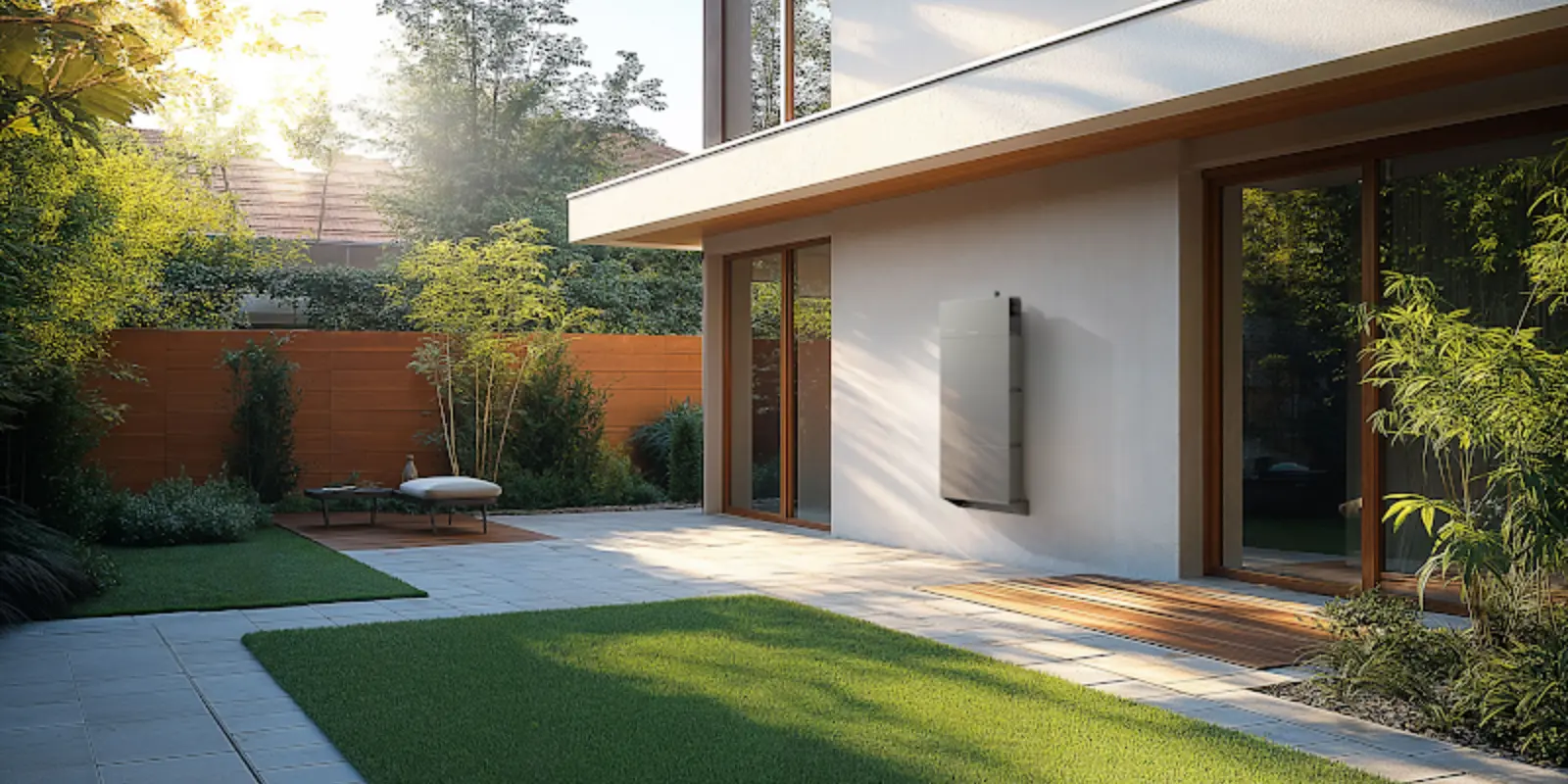
In the UK, relying solely on daylight often leaves you short during the evening peak. By integrating the EcoFlow PowerOcean, you can fundamentally change your home’s energy rhythm. This smart battery system syncs with real-time pricing from providers like Octopus Energy (specifically their Agile or Flux tariffs). It automatically charges from the grid when prices are at their lowest (often in the middle of the night) and discharges to power your home when rates skyrocket in the evening. This “low-buy, high-use” strategy ensures your flat roof investment is saving you pounds even on the greyest British Tuesdays.
View Your Entire Home Energy Flow
Solar becomes truly useful when you can see what’s happening without squinting at a complex app. The EcoFlow PowerInsight 2 condenses your roof generation, battery storage, and appliance consumption onto a sleek 11-inch home dashboard. You no longer have to guess how much your heat pump or dishwasher is drawing; a quick glance tells you if you have enough “free” sun to run a load of laundry or if you should hold off until the battery is full.
Schedule High-Energy Appliances During Midday
Try to “load shift” your heavy hitters—like the washing machine or EV charger—to run between 11 AM and 2 PM. This ensures you are using your solar energy directly rather than exporting it to the grid for a lower rate.
Maintain Power Supply During Grid Outages
Flat roof systems equipped with the right inverter can provide emergency backup. If the local grid goes down during a storm, a robust home battery storage system can keep your fridge, Wi-Fi, and lights running seamlessly until the power returns.
Is Your Flat Roof Ready for Solar Installation?
Before the installers turn up and the scaffolding goes up, have a good look at your roof first. If you are still in the early stages of planning and wondering if my house is suitable for solar panels, conducting a structural health check is your first priority. A flat roof solar setup is a 25-year job. Get the basics right now, and you’ll save yourself a load of hassle later.
Check How Much Weight the Roof Can Take
Safety comes first. Flat roofs have a weight limit. Unlike pitched roofs, where you bolt panels to rafters, flat roofs often use ballasted systems – concrete blocks that stop panels lifting in a British gale.
You need to think about two things: the dead load (panels and ballast) and the imposed load (snow or workers walking about). Get a structural engineer to check if your joists need sistering, that’s adding extra timber to beef them up – so they can handle the extra tonnes.
Check the Roof Membrane
Your roof membrane needs to be in good shape. Once the panels are down, getting to the surface is a big job. If your felt, EPDM, or fibreglass roof is over 10 or 15 years old, it’s probably near the end of its life.
Look for:
Cracking or alligatoring on bitumen
Bubbles or blisters where moisture’s got in
Thin patches on rubber membranes
If the roof needs replacing in five years, do it now. Pulling panels off just to fix a leak costs thousands in labour alone.
Measure the Usable Space
It’s a numbers game. You need to know how much unshaded space you’ve actually got. You can’t just cover the whole roof wall-to-wall – tilted panels cast shadows.
Measure the clear space and leave room for:
Pitch spacing – gaps between rows so one doesn’t shade the next
Perimeter buffers – roughly 0.5m to 1m around the edges for wind safety and gutter access
Maintenance walkways – small paths so you can reach each panel to clean it
Clear Vents and Other Clutter
Shadows kill your return on investment. Flat roofs often have lots of small obstructions. A single vent pipe or chimney stack might look small, but it can cast a long shadow that knocks out a whole string of panels.
Before installation, think about:
Moving soil vent pipes to the north edge or using low-profile vents
Removing old satellite dishes, TV aerials, or dead air-con units
Trimming nearby trees so they don’t cast shadows as they grow over the next ten years
Schedule Your Free Consultation Today!
What kind of product or solution are you interested in?

Conclusion
Maximising solar efficiency on a flat roof is a balance of smart hardware and even smarter software. By choosing a non-invasive ballasted mount, optimising your layout to avoid shadows, and conducting a thorough pre-installation health check, you can turn a “dead” roof space into a high-performing power plant. Ready to transform your flat roof into a smart energy hub? Don’t let your green energy go to waste. Explore how the EcoFlow PowerOcean and PowerInsight 2 can help you take full control of your home’s energy flow, slash your monthly bills, and achieve true energy independence. Discover the EcoFlow range today and start making every ray of British sunshine count.
FAQ
1. Do You Need Planning Permission to Put Solar Panels on a Flat Roof?
In most cases, you do need to check local regulations, as solar panels on a flat roof must not protrude more than 0.6 metres above the roofline to fall under “Permitted Development.” If your home is in a Conservation Area or an Area of Outstanding Natural Beauty (AONB), you should always consult your local council first.
2. Can I Use Washing-Up Liquid to Clean Solar Panels?
No, you should avoid using standard washing-up liquid because it can leave a soapy film that actually attracts more dust and reduces efficiency. Stick to plain deionised water and a soft brush, or a dedicated solar cleaning solution that doesn’t leave a residue.
3. Is My Flat Roof Strong Enough for Solar Panels?
Most modern flat roofs are strong enough, but a professional survey is essential to account for the “dead load” of the panels and the “wind load” (the lift created by wind). If your roof was built to modern UK building standards, it likely only needs minor reinforcements, if any.
4. How Often Do Rooftop Solar Panels Need to Be Replaced?
Solar panels typically last 25 to 30 years, though they will continue to produce power at a slightly lower efficiency after that point. High-quality inverters and battery systems may need servicing or replacing every 10 to 15 years.
5. Do Solar Panels Void the Warranty?
Not if they are installed correctly by a certified professional, but you must ensure the mounting system doesn’t puncture the roof membrane. Using a ballasted system is the best way to keep your flat roof’s waterproofing warranty fully intact.

