
Solar Panel Maintenance Guide: Cleaning, Checks and Battery Storage Tips
Solar panels don’t need much day-to-day attention, but a quick visual check every few months and a gentle hose down once or twice a year will help maintain their performance over time. British rain can help remove some surface dust, but bird droppings, coastal salt spray, and moss can be more difficult to remove and may require occasional manual cleaning. And while you’re at it, keep an eye on your battery storage digitally, it helps you match your daytime generation with the evening peak rates.
This guide covers the practical side of looking after your solar panels in the UK. From safe inspections and simple cleaning to smarter battery management, we’ll run through the steps that help you protect your investment and keep your solar system generating clean energy for your home throughout the year.
Key Takeaways
UK Climate Factor: Rain does a decent job of washing the glass, but our damp weather also encourages moss, lichen, and a layer of grime that won’t shift on its own.
Safety First: Clean from ground level with telescopic poles or hose attachments. Don’t go scrambling up wet slate roofs, and steer clear of pressure washers – they can do more harm than good.
Routine Hardware Audits: Check your inverter, mounting frames, and visible cables twice a year. Look for warning lights, corrosion, or any signs of animal nibbling.
Smart Battery Integration: Modern energy managers like the EcoFlow PowerInsight 2 and the OCEAN 2 Plus Single Phase can help households improve solar utilisation by monitoring energy flows and storing surplus generation.
What Maintenance Do Solar Panels Need in the UK?
Solar panels require relatively little maintenance, but they’re not completely maintenance‑free either. Rain in the UK will shift a fair bit of dust, but bird mess, moss, and stubborn grime usually need a bit of extra attention.
Clean Solar Panels to Remove Dirt and Debris
Over the year, your panels collect all sorts of road dust, pollen, soot, and plenty of bird droppings. Rain washes off the light stuff, but stubborn debris can become harder to remove after prolonged exposure to sunlight. Leave it too long and that grime casts tiny shadows over the cells, which knocks down how much power you get each day.
Inspect Panels and System Components Regularly
Living in a climate that throws winter storms and gale‑force winds at you puts a fair bit of strain on your mounting hardware. A regular scan from ground level or a pair of binoculars if you want a closer look – helps you spot loose brackets, cracked glass, or any cabling that’s worked itself free before water gets into the electricals.
Monitor Solar Performance and Energy Output
A big part of keeping things running smoothly is watching what the numbers tell you, not just checking the panels themselves. A connected Home Energy Ecosystem can give you clearer visibility into system output through smart monitoring tools, helping you catch sudden drops that might point to wiring issues, inverter faults, or shading problems.
How to Clean Solar Panels Safely in the UK?
Most panels can be cleaned from the ground with a hose or a telescopic pole. Skip the abrasive stuff, avoid pressure washers, and never walk on the panels.
Prepare Tools and Safety Equipment
Get your gear sorted before you start – it helps you avoid interruptions halfway through the cleaning process. Get hold of a soft‑bristled telescopic cleaning pole with a hose connection, a microfiber head, and a soft squeegee. Use plain tap water or deionised water, with a bit of mild, eco‑friendly soap if you need it. Stay away from scouring pads, steel wool, or heavy‑duty detergents – they’ll strip the anti‑reflective coating.
Remove Dirt and Debris from Solar Panels
Go for early morning or evening when the panels are cool. Hot glass and cold water don’t mix – it can crack them. Give the surface a good soak first to loosen up bird mess, sap, and moss. Then work across the glass row by row with a soft‑bristle brush, and don’t press too hard.
Rinse Panels and Check Their Condition After Cleaning
Give the panels a good rinse with a low‑pressure hose until all the soap’s washed off. Squeegee the glass to stop water marks drying on. Once it’s clean, check for any hairline cracks or damaged seals around the aluminium edges.
Avoid Common Mistakes During Solar Panel Cleaning
Never use a pressure washer – the force of the water can blast through weather seals and flood the electrics inside. Don’t step or kneel on the panels either; your weight can crack the silicon without you even seeing it. And stay on the ground wherever you can. If you really have to get up on the roof, bring in accredited professionals with proper harness gear. Alt: Ecoflow OCEAN 2 Plus single phase home battery

How to Conduct Essential Solar Panel Inspection Checks?
A quick visual check every few months can help you spot damage early. Look over the panels, inverter, mounting system and visible cables for any obvious problems.
Check Panels And System Components
Regularly take a few minutes to walk around your property and review the critical physical elements of your setup:
Panel Cracks or Physical Damage: Check glass fronts for chips from flying hail or storm debris, and inspect edge seals for signs of water ingress or internal discolouration.
Inverter Status:
Locate your solar inverter (usually mounted in the loft or utility room). Many modern solar battery systems use a Hybrid Inverter, which combines solar generation management and battery charging in one unit. Check the inverter’s indicator lights and display for any warning or fault codes, following the manufacturer’s guidance. Ensure cooling fans or heat sinks are clear of dust and cobwebs to maintain reliable system performance.
Mounting Structure: Inspect stainless steel roof hooks and aluminium rails for rust, loose bolts, or shifting panels following heavy winter gales.
Cable and Connection Conditions: Ensure exterior conduit cables remain securely fastened, showing no signs of sagging, UV cracking, or chewing damage from squirrels and garden birds.
Monitor Solar Output Changes
The best way to catch problems early is to keep track of your system’s output. Compare what it’s doing now with what it did before – that’ll tell you if it’s just a normal seasonal drop or something’s actually up. Winter generation is usually lower due to shorter daylight hours and reduced solar irradiance – shorter days, less sun, but if summer generation takes a nosedive, you’re probably looking at dirty panels, shading, or some kind of kit failure.
| Component | Visual Check / Audit | Warning Signs to Watch For |
|---|---|---|
| Solar Panel Glass | Surface inspection for cracks, heavy moss, or severe bird droppings. | Visible cracks, deep scratches, moisture behind glass, localized yellowing. |
| Solar Inverter | Verify LED operational light state and clear dust around vent grilles. | Red/amber fault light, loud buzzing noises, error codes, high case temperature. |
| Mounting Rail Frame | Check roof anchorage points and tile flashings from ground level. | Misaligned panels, loose clamp bolts, visible corrosion, slipped roof tiles. |
| Cables & Isolators | Inspect exposed DC wiring runs and wall-mounted rotary isolator switches. | Perished conduit jackets, loose hanging cables, scorching around switches. |
How Does Battery Monitoring Improve Solar Energy Performance?
If you have a home battery, monitoring its charge level and energy use can help you make better use of your solar power. It can also help you spot changes in performance.
Track Battery Performance and Usage Patterns
Keeping an eye on charge cycles, depth of discharge, and current capacity helps keep your battery running well and stops it degrading early. Modern lithium iron phosphate (LFP) batteries work best when they’re charged and discharged in line with your daily routines and your electricity tariff. A smart meter installation can also give homeowners clearer insight into when electricity is being used, imported, or exported, helping them adjust battery charging schedules and make better use of stored solar energy.
Improve Visibility Into Household Energy Storage
For UK homes with solar and storage, maintenance is about understanding how your energy flows day to day. The EcoFlow PowerInsight 2 makes that easier. It works as a smart home energy manager, providing real-time visibility into your solar generation, battery status, and household energy demand. This helps homeowners understand how energy flows through their property and make more informed decisions about daily energy use. That means you can spot changes in your usage, identify which appliances are draining the most, and tweak your habits to get the most out of your setup.
.png)
Store Excess Solar Energy for Later Use
Without a battery, that surplus gets exported to the grid for pennies. An EcoFlow Solar Battery can help you store that midday generation and use it later for cooking, hot water, or charging the car, reducing your reliance on expensive evening grid power.
Improve Long-Term Solar Energy Utilization
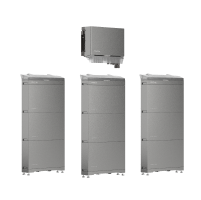
Getting the most out of your solar generation comes down to pairing your panels with flexible, high-capacity storage. For larger UK homes or families looking to improve their energy independence, the EcoFlow OCEAN 2 Plus Single Phase is designed to support larger solar setups. It supports up to 24kW of PV input, helping homeowners store more surplus solar generation and use more of their own renewable energy when demand increases. This can improve energy flexibility and reduce reliance on higher-cost grid electricity.
Schedule Your Free Consultation Today!
What kind of product or solution are you interested in?
Conclusion
Looking after solar panels and home batteries in the UK doesn’t take specialist skills or eat up your weekends. Just a light routine does the job – clear off heavy dirt and moss once or twice a year, give the cabling and inverter a quick visual check every few months, and keep an eye on output with smart monitoring. These steps can help protect your investment and maintain system performance over time. And with intelligent storage like the EcoFlow PowerInsight 2 and OCEAN 2 Plus Single Phase, you’ll have more opportunities to use the energy you generate efficiently, keeping your home powered by clean, low‑cost solar for years to come.
Disclaimer: The maintenance advice, performance improvements, and cost-related information in this article are for general guidance only. Actual results may vary depending on your solar system, battery setup, location, energy usage, and individual circumstances.
FAQ
How much does it cost to replace a solar panel battery?
Replacing a domestic solar battery in the UK can vary widely depending on battery capacity, brand, installation requirements, and system design. Many home battery systems fall within the several-thousand-pound range, with smaller units generally costing less and larger-capacity systems requiring a higher investment.
Can a solar panel charge on a rainy day?
Yes, panels still generate on rainy or overcast days. Photovoltaic cells work with diffuse daylight, not direct sun or heat, so output can fall significantly on heavily overcast or rainy days, although panels continue to generate electricity from diffuse daylight.
At what temperature do solar panels lose efficiency?
Solar panel efficiency can decrease as module temperatures rise above the standard test condition of 25°C. The exact reduction depends on the panel’s temperature coefficient, but many panels lose around 0.3% to 0.5% of output per degree Celsius increase. That means a crisp, sunny spring day can actually be better for generations than a hot summer afternoon.
Do solar panels and batteries need servicing?
Not much beyond regular visual checks and keeping the glass clean. But it’s a good idea to have an MCS‑certified electrician do a professional health check every 3 to 5 years to make sure wiring, isolators, and safety relays are still up to standard.
Do solar panels work better if they're cleaned?
Cleaning can improve solar performance when dirt, bird droppings, moss, or other debris are blocking sunlight from reaching the cells. The actual improvement varies depending on the level of soiling, local weather conditions, and how often panels are maintained.

