
Solar Panel Calculator: How Many Panels Do You Need for Your Home?
There’s no one-size-fits-all when it comes to solar panels. It depends on that Sunday roast energy spike, the angle of your roof, and those stubborn British clouds. In this guide, we’ll take you through the numbers step by step, how to size your system, factor in the UK climate’s little quirks, and turn the energy you capture into a smart, self-sufficient home.
How to Calculate Your Daily Energy Needs?
Before you look up at the roof, look at the meter. Your current usage habits tell the real story, and they’re the foundation of any solar project that actually works.
Check Average Monthly Kilowatt-Hour Usage
Best place to start? Grab your last 12 months of energy bills. Find the figure in kilowatt-hours (kWh). Knowing the average monthly electric bill can help you pinpoint your current spending and consumption patterns. In the UK, a typical medium-sized home runs to roughly 2,700–3,000 kWh a year. Divide that annual total by 365, and you’ve got a solid baseline for your daily requirement.
Estimate Your Daily Household Base Load Power
Your base load is just what the house keeps sucking down while you’re tucked up in bed, the fridge humming, your router on, all those little standby lights glowing away. Get a handle on that number, and you’ll know the bare minimum your system has to pump out just to keep things ticking over before you’ve even put the kettle on.
Analyse Seasonal Energy Consumption Fluctuations
UK energy demand looks very different in July versus January. Those dark, damp winter days push your usage way up, more lighting, more heating pumps. So don’t just size for the sunny peaks. Plan for the worst-case winter scenario.
Set Realistic Solar Energy Offset Goals
Do you want to wipe out your entire bill or just take the edge off? Most homeowners aim for a 70–100% offset. Lock in a clear goal now, it’ll stop you from undersizing your system and feeling the sting when those winter bills land.
How to Calculate Solar Panel Quantity From Energy Usage?
Once you know what you need, it’s time to do the math. This section translates your household’s “hunger” for power into physical hardware.
Calculate the Required Solar System Wattage Output
To find your target system size, take your daily kWh goal and divide it by the “peak sun hours.” For example, if you need 10kWh a day and get 2.5 sun hours, you’d need roughly a 4kW system.
Estimate Daily UK Peak Sun Hours
“Peak sun hours” is how intense the sun actually is. Across the UK, we average about 2 to 2.5 peak sun hours per day over the year. Tempting as it is to go with summer numbers, stick to the annual average. That way, your system still pulls its weight during the shoulder months.
Choose High-Efficiency Solar Panel Models
High-efficiency monocrystalline panels (often 20% efficiency or higher) are the gold standard for UK roofs because they generate more power in smaller spaces.
Calculate Panel Count by Wattage Rating
To get your final number, divide your total system wattage by the wattage of a single panel.
Example Calculation:
| System Goal | Panel Wattage | Number of Panels |
|---|---|---|
| 4kW (4000W) | 400W | 10 Panels |
| 6kW (6000W) | 430W | 14 Panels |
Factor in Inverter Conversion Efficiency
Your panels produce DC power, but your toaster needs AC. Inverters usually lose about 3-5% of energy during this conversion. It is always wise to add one extra panel or choose a high-quality inverter to compensate for this minor “energy tax.”
Account for Battery Charging Energy Loss
If you plan to store energy for evening use, remember that chemical reactions within batteries incur efficiency losses. Adding a high-quality home battery storage unit helps mitigate these losses by managing the flow of electricity more effectively. Accounting for a 10% loss during the charge/discharge cycle prevents you from being left without power after sunset.
Factors Affecting How Many Solar Panels You Need
Math is great on paper, but your roof lives in the real world. Physical constraints can often dictate the final size of your array.
Measure Usable Roof Surface Square Footage
It sounds obvious, but installable capacity depends entirely on available space. Begin by subtracting the footprint of any skylights or vents. A standard solar panel covers approximately 1.7 square metres, meaning a 10-panel array requires roughly 20 to 22 square metres of unobstructed roof area.
Assess Shading From Trees And Chimneys
Shade kills solar output. Even a modest chimney casting a shadow over one corner of a panel can drag down the whole string’s performance. If your roof sees a fair bit of shade, look into power optimisers or micro-inverters; they’ll help you work around the problem.
Optimise Panel Tilt and Compass Orientation
In the UK, a South-facing roof with a 30-40 degree tilt is the “sweet spot.” If your roof faces East or West, don’t worry, you can still go solar, but you might need to add 15-20% more panels to achieve the same output as a South-facing home.
Account for Local Temperature Performance Impacts
Surprisingly, solar panels actually prefer a cool breeze over scorching heat. Fortunately, the UK’s temperate climate is actually quite good for panel efficiency, but ensure there is enough airflow beneath the panels to prevent overheating on those rare “heatwave” days.
Evaluate Roof Condition and Usable Space
Installing solar is a 25-year commitment. You should ask yourself the question of whether my house is suitable for solar panels to ensure the structure can handle the long-term installation. If your roof tiles are looking a bit weary or the structure is sagging, it’s much cheaper to reinforce or repair the roof before the scaffolding goes up for the panels.
.png)
How to Build a Complete Solar System?
Calculating the panels is just the beginning. In the UK, where the sun is famously shy, the secret to saving money isn’t just catching the light—it’s keeping it.
Install Efficient Home Energy Storage Hardware
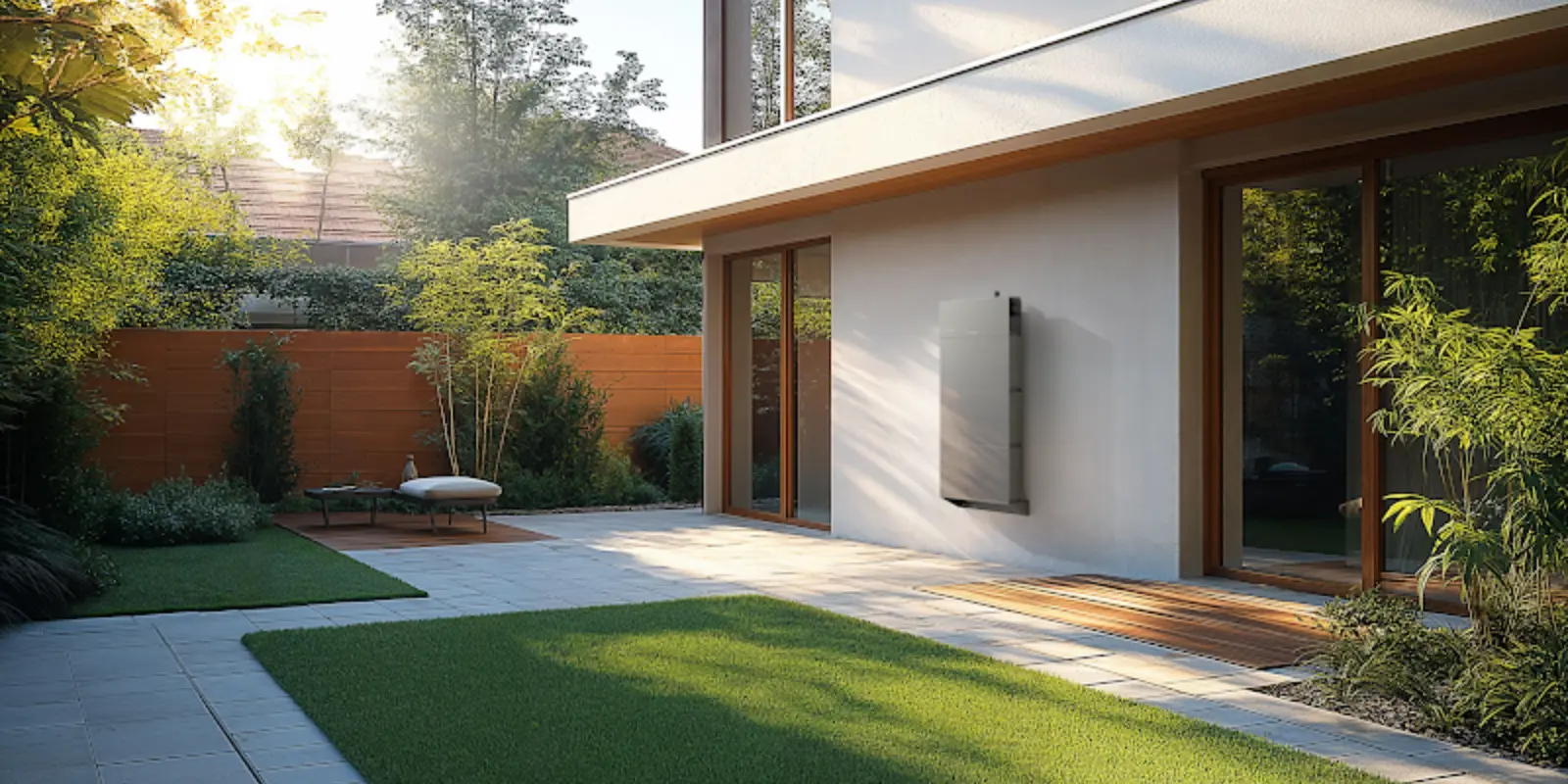
Generating power is one thing; storing every drop of it is where the real savings happen. The EcoFlow PowerOcean is designed as the ultimate “power butler” for your home. Recognising that UK homes often have limited space, it features an incredibly slim, wall-mounted design that looks sleek without eating up floor space. More importantly, its IP65 rating means it is dust and water-resistant, performing reliably even in a cold, damp garage or an outdoor setting. If the grid goes down, its 6kW backup output kicks in instantly, keeping your fridge, heat pump, and Wi-Fi running. It can even integrate with time-of-use tariffs like Octopus Energy, automatically “nibbling” cheap electricity from the grid at night to keep your bills at rock bottom.
Set up a Smart Central Control Hub
If you’re tired of juggling multiple apps to check your energy, the EcoFlow PowerInsight 2 smart monitor is a game-changer. This minimalist screen acts as your home’s “energy dashboard.” Mounted on your living room wall, it lets the whole family see the current generation and battery levels at a glance. In the UK’s fickle weather, you can monitor solar efficiency in real-time. It doesn’t just manage power; via the Matter protocol, it can link with your smart lights and heating. Best of all, when you’re too tired to lift a finger after work, just say “Hey EcoFlow” to adjust your power modes via the AI voice assistant. It turns complex data into simple visuals, giving you total control over your home.
Connect Smart Home Appliances for Efficiency
The smartest way to use solar is to “load shift.” By integrating a modern home energy management system, you can automate your house to run on clean power. Connect your dishwasher and washing machine to your smart hub so they run during the sunniest part of the day, ensuring you use your own free green energy rather than buying from the grid.
Balance Heavy Electricity Loads Across Circuits
High-drain appliances like EV chargers and electric showers can strain a system. A well-designed setup will balance these loads, ensuring your battery doesn’t drain too quickly when multiple appliances are running simultaneously.
Scale System Capacity with Modular Components
Your energy needs might grow. Perhaps you’ll buy an EV next year or add an extension. Look for modular systems (like the PowerOcean) that allow you to start small and add more battery capacity later without replacing the whole unit.
What Should You Do After Using a Solar Calculator?
You’ve got the numbers; now you need the action plan to get those panels on the roof.
Compare Professional Solar Installation Service Quotes
Never settle for the first quote. Get at least three from MCS-certified installers. This ensures you’re getting a fair price and that the installation meets the rigorous standards required for UK insurance and government incentives.
Research UK Smart Export Guarantee (SEG)
The SEG is a government-backed initiative that requires energy suppliers to pay you for the excess solar energy you pump back into the grid. While the rates vary, it’s a vital part of calculating your “Return on Investment.”
Apply for G98 Or G99 Grid Connection
Before you can switch on, your local District Network Operator (DNO) needs to give the thumbs up. Most small home systems fall under “G98” (simple notification), while larger systems need “G99” prior approval. Your installer usually handles this paperwork for you.
Check Solar Warranty and Maintenance Terms
Look for a “linear performance warranty” on your panels (usually 25 years) and at least 10-15 years on your battery and inverter. In the UK’s salt-heavy or rainy air, robust warranty terms are your best friend.
Schedule Your Free Consultation Today!
What kind of product or solution are you interested in?

Conclusion
Calculating your solar panel needs is where energy independence begins. Take your daily kWh usage, weigh it against UK sun-hour averages, and you can design a system that performs year-round. The goal is the smartest system. Pair high-efficiency panels with robust storage like the EcoFlow PowerOcean, and every watt you capture goes to good use. Rain or shine.
FAQ
1. Is My Roof Strong Enough for Solar Panels?
Most modern UK roofs are perfectly capable of supporting the weight of a solar array without reinforcement. A typical solar installation adds about 12-15kg per square metre, which is well within the load-bearing capacity of most timber-framed roofs.
2. Can I Install Solar Panels Without Planning Permission?
Yes, in the vast majority of cases, solar panels fall under “Permitted Development” in the UK. However, if you live in a listed building or a conservation area, you should always check with your local planning office first.
3. How Many Solar Panels to Power a Heat Pump?
Typically, you will need an additional 6 to 10 panels to offset the electricity used by an air-source heat pump. Since heat pumps work hardest in winter when solar generation is lowest, a battery storage system is essential to make this combination viable.
4. How Quickly Do Solar Panels Pay For Themselves in the UK?
Most UK solar systems pay for themselves within 7 to 10 years. Given current energy price trends and the availability of the Smart Export Guarantee (SEG), the “break-even” point is getting shorter, especially if you maximise self-consumption with a home battery.

