
Solar Panel Brackets Explained: Types, Installation, and UK Mounting Requirements
What Are Solar Panel Brackets?
One of the most crucial parts of a solar PV installation is the solar panel brackets. The mounting system securely attaches the solar panels to a roof or other structure and remains in place throughout their operational life.
Choosing the right solar panel brackets is essential for installers as it affects a number of factors such as structural stability, wind resistance, maintenance access and overall reliability of the system. The specifications for brackets should also account for the type of roof, environmental conditions, and manufacturer guidelines to ensure safe installation and compliance with UK standards.
A well-designed mounting system ensures panels are safely held in place and optimises the performance of the solar array, all while preserving its structural integrity over time – particularly when combined with a home battery storage system and smart home energy management solutions.
The Role of Solar Panel Mounting Brackets in a Solar PV System
When it comes to solar PV systems, solar panel mounting brackets play a crucial role in the installation and maintenance process.
Solar panel mounting brackets are the components that link the solar array to the structure. They are used to safely convey loads from the panels to the roof or mounting structure and to keep the installation securely in place.
Together with mounting rails, fixings and roof attachments, these brackets provide a firm base for the entire solar system. If brackets are not appropriately labelled, panels could be subjected to excess motion, stress, or early wear.
How Solar Panel Installation Brackets Support Panel Stability and Safety
When installed on a solar panel, the solar panel installation brackets can ensure the system remains stable in various environmental conditions, such as wind, rain, snow, and temperature changes.
The mounting system should distribute the load evenly across the structure being supported and avoid unnecessary stress on the panels. As a result, installers evaluate the roof's construction, load-bearing capacity, and environmental exposure before deciding on bracket systems for a project. Stable installation also makes future maintenance and inspection activities easier.
Why Solar Panel Brackets Mountings Matter for Long-Term Performance
Solar panel bracket mountings are an integral part of the solar installation system, and their quality can also greatly affect the long-term performance and durability of the system.
Using corrosion resistant materials for brackets can be appropriate for outdoor applications and provide a way to minimize maintenance needs during the lifetime of the system. The quality of the mounting components can also degrade faster, which can impact structural integrity and maintenance expenses.
That's why installers may consider material specifications, load ratings, warranty and certification standards before determining which mounting systems to employ for a project.
Common Types of Solar Panel Mounting Brackets
Depending on the roof construction, site conditions, and the design requirements of the system, different mounting approaches are possible for different projects. By familiarising themselves with these different types of brackets and their uses, installers can choose the right mounting solution that ensures structural performance, installation efficiency, and long-term reliability.
The type of mounting system should always correspond to the manufacturer's specifications, environmental conditions and characteristics of the supporting structure.
Solar Panel Mounting Brackets for Pitched Roof Installations
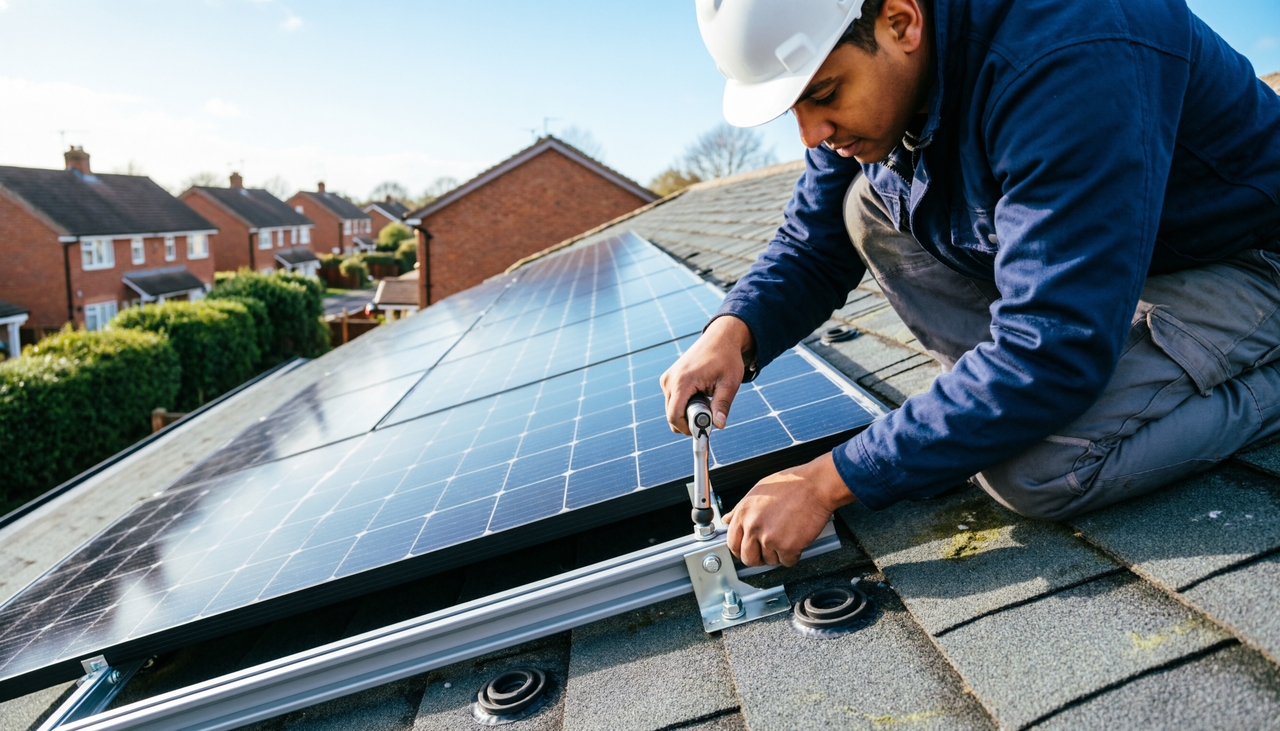
One of the most favoured applications for residential solar projects is a roof pitched at an angle. On pitched roofs, solar mounting brackets are usually attached directly to roof rafters using a specially designed roof hook, anchor or mounting attachment.
These brackets are used in conjunction with mounting rails to provide a stable mounting system for the solar array. The specific bracket type will vary depending on the roofing material used, such as tiles, slate, metal sheets, or other materials.
The right type of brackets will not only keep the solar system in place for the duration of its life but will also preserve the weatherproofing.
Solar Panel Bracket Solutions for Flat Roof Systems
Flat roof installations may require a different approach as the mounting system needs to produce the angle required for the panels whether or not the roof has a pitch.
A solar panel flat roof bracket is usually integrated in a ballast-mounted or angled support system. These systems enable the installer to maximize solar exposure and minimize roof penetrations as needed.
Wind uplift, roof loading capacity and maintenance access are critical considerations when choosing the flat roof mounting systems.
Ground-Mounted Solar Panel Brackets for Larger Installations
Ground-mounted solar panel brackets can be used in a situation where there is insufficient or incompatible space for a roof.
Ground mounted systems are suitable for residential, agricultural and commercial projects where sufficient land is available. Bracket systems can be anchored to a steel structure, driven piles, concrete foundations, or to a special support structure, depending on site conditions.
The mounting design should consider local ground conditions, wind exposure and long term structural stability.
Adjustable and Specialist Brackets for Solar Panels
Other installations require more specialised mounting solutions due to specific roof designs, site constraints, or project-specific performance objectives.
Adjustable brackets for solar panels enable installers to adjust the panel angle to maximise output in specific situations. There are also specialist mounting systems for metal roofs, façades, carports, and more. It gives these solutions greater flexibility and allows installers to tackle difficult project requirements.
Matching Mounting Systems to Installation Environments
Bracket design is not the only consideration for selecting the right mounting system. It is also important for the installer to evaluate the site conditions, structural features and the expected long term use.
What works on one property won't necessarily work on another. An early assessment of site conditions will help ensure that the site chosen for the system provides reliability and compliance throughout the system's life.
Solar panel with mounting bracket solutions for residential pitched roofs
For residential buildings with pitched roofs, it may be necessary to install a solar panel with a mounting bracket on the roof in harmony with the roof covering and roof structure.
Installers usually consider the roof pitch, rafter spacing, roofing type, and load-bearing capacity, and then choose the appropriate mounting hardware. The objective is to produce a secure installation whilst keeping the roof weatherproof and to a minimum any disruption to the roof structure. A compatible mounting system can also make installation and future maintenance easier.
Solar Panel Mounting Bracket Systems for Commercial and Flat Roof Projects
Business properties may have distinct design issues, especially with a large flat roof.
An appropriate solar panel mounting bracket system needs to account for wind uplift, roof loading limitations, drainage routes, and maintenance access. Ballasted mounting systems are typically used where reducing roof penetrations is important.
Installers might also need to work with a structural engineer to ensure the roof's structural integrity is sufficient for the planned solar array.
Ground-Mounted Solar Panel Brackets for Open-Site Installations
Ground mounted solar panel brackets can be helpful for projects with available land that may not have suitable roof space or may not have enough roof space.
Ground-mounted systems are more flexible in terms of array placement and orientation, which can best optimise solar exposure. However, a site survey is needed to determine ground conditions, drainage, access conditions and foundation requirements.
By paying attention to detail, long term structural stability and ease of maintenance is ensured.
Specialist solar panels brackets for challenging Locations
In special circumstances, or where architectural restrictions exist, installation may need special solar panel brackets.
This can be for metal roofs, heritage properties, facades, carports or other sites with higher wind loads. In these scenarios, bespoke mounting solutions may be required to meet engineering specifications and comply with local regulations.
Choosing the right specialist system can improve installation efficiency and reduce future maintenance concerns.
Structural Requirements Before Installation
Installers should first evaluate whether the structure can withstand the proposed solar array before choosing or installing any mounting system. Even the best solar panel brackets can't make up for poor structural planning or poor site conditions.
A comprehensive inspection can catch potential threats at an early stage, ensure compliance with installation requirements, and support the system's long-term durability.
Roof Load Capacity Assessments for Solar Panel Brackets
Each installation should start with an assessment of the roof to determine whether it can support the weight of the solar array, mounting rails, and solar panel brackets.
Some of the many factors impacting the assessment process include: roof age, construction materials, rafter condition, and current structural loads. On larger or more complex projects, installers might work with structural engineers to ensure sufficient load-bearing capacity to proceed with the installation.
Reliable load estimates avoid structural problems and ensure the safe operation of the structures in the long term.
Wind and Weather Resistance for Solar Panel Mounting Brackets
Local environmental factors play a crucial role in the effectiveness of solar panel mounting brackets. In exposed coastal or elevated areas, significant wind uplift forces can be generated on both the solar panels and the supporting structure.
When choosing a mounting system, installers will generally consider the wind-loading calculation, roof exposure, and panel layout. Bracket specifications might also be affected by snow loads, rainfall patterns, and temperature fluctuations in some regions. The right mounting design will ensure stability in varying weather conditions.
Material Durability in Solar Panel Bracket Systems
Solar panel brackets may last for a long time, depending on the materials used in their manufacturing. Most contemporary mounting systems are made from aluminium, stainless steel or other corrosion-resistant material, which is suitable for outdoor use.
Bracket specification is generally based on issues of corrosion resistance, mechanical strength, environmental exposure and warranty coverage. The quality of material is especially critical in coastal areas or areas with extreme weather.
Materials that offer durability can benefit maintenance throughout the installation's life cycle.
Installer Safety and Access Around Brackets for Solar Panels
Safety is always a factor during installation. Good brackets for solar panel design should provide adequate access for installation, inspection, cleaning and future maintenance.
Other factors installers should take into account include roof access, fall protection, work space, and emergency access. These factors can affect not only the mounting system to be used, but also project planning.
Taking care from the start to ensure safe access can minimise risk to the operation, and facilitate effective long-term maintenance.
UK Standards and Compliance for Solar Panel Installation Brackets
Choosing the right mounting hardware is just the first step towards a successful installation. Installers are also required to ensure that solar panel installation brackets meet UK standards, the manufacturer's requirements, and the project-specific compliance requirements.
To enhance safety, ensure the system's integrity, and build confidence that it has been installed for long-term use, these recognised standards are followed.
Building Regulations and Structural Requirements for Solar Panel Installation Brackets
It is important to consider the applicable building regulations when installing solar panel installation brackets. Mounting systems must be able to withstand anticipated loads, and the roof or supporting structure must remain intact.
Installers generally assess the solar array's impact on the structure and ensure that array mounting methods comply with construction and safety requirements. Some projects might also need documentation and/or structural calculations.
Compliance risks are minimised through proper planning, thereby supporting long-term system reliability.
Manufacturer Specifications for Solar Panel Mounting Brackets
The manufacturers provide information on how to install their solar panel mounting brackets, load limits, materials used, approved applications, etc.
These specifications should be consulted by the installer at all times before choosing a mounting system. The use of brackets outside their originally intended parameters could affect structural performance and may affect warranty coverage.
Properly following the manufacturer's guidance helps ensure that mounting systems are used as intended throughout its lifespan.
Certifications and Quality Standards for Solar Panel Brackets
Numerous solar panel brackets undergo testing and certification to ensure they can withstand certain settings, including environmental and structural.
Certification programmes can test characteristics such as load resistance, corrosion protection, material quality, and durability. When choosing between mounting systems, installers may look to certification when deciding which system is best for a project that may face harsh weather.
When choosing a product, certified options can offer extra peace of mind regarding performance and reliability.
Professional Installation Practices for Solar Panel Brackets Mountings
Even with high-quality solar panel bracket mountings, you must install them properly to achieve their intended performance.
Professional installation methods are following manufacturer's instructions, using manufacturer's approved fixings, spacing and ensuring correct components are secured in place. Proper installation attention to detail can help to reduce the need for maintenance in the future and reduce the chance of problems in the system.
When used in conjunction with professional installation practices, certified products offer the best basis for a long-lasting solar mounting system.
Key Specifications to Compare When Selecting Solar Panel Brackets
Not every mounting system will be the same in terms of performance, durability, or compatibility. Installers usually evaluate a variety of technical details when comparing solar panel brackets to determine if the mounting system will work in the project setting and under the anticipated conditions.
These can be assessed prior to installation; this can help minimise future maintenance and aid in long-term system reliability.
Material Options and Corrosion Resistance in Solar Panel Mounting Brackets
The materials used for the construction of solar panel mounting brackets significantly contribute to their durability and resistance to environmental influences.
Materials such as aluminium and stainless steel are frequently used, as they are strong, corrosion-resistant and have relatively low maintenance requirements. Corrosion resistance is one of the key factors to consider for mounting hardware in coastal areas or locations with high humidity.
The right materials selection can improve the service life of the mounting system and lower the long-term maintenance costs.
Wind and Snow Load Ratings for Solar Panel Bracket Systems
Solar panel bracket load ratings indicate how well a bracket system can withstand environmental stresses such as wind pressure and snow loads.
Load performance will usually be tested or calculated by the manufacturer. These ratings enable installers to decide if a mounting system is suitable for local climate and site conditions.
Choosing the appropriate load rating for the system can ensure the structure's stability under varying weather conditions.
Compatibility Between Solar Panel with Mounting Bracket Systems and Panel Dimensions
Not all mounting systems are compatible with all solar modules. The mounting bracket solution should be assessed to see whether it will accommodate the dimensions, weight and frame design of the solar panels you have selected.
Installers frequently check the spacing of rails, clamping zones, compatibility of panel thickness, and the manufacturer's recommendations before deciding on a mounting system.
Correct compatibility can make installation easier and reduce the likelihood of unnecessary modifications during the installation project.
Warranty and Lifespan Considerations for Brackets for Solar Panels
One of the key factors to consider when comparing brackets for solar panels is warranty coverage and estimated lifespan.
Manufacturers can provide warranties for materials, corrosion and structural performance for different durations. Longer warranties are usually a sign of better durability of the mounting system.
When comparing warranties, technical information, and data can assist installers in selecting a product, and offer further peace of mind to the end user.
Building a Smarter Solar Energy System
While choosing the right solar panel brackets is crucial to any solar installation, mounting hardware is just one component of a solar system's overall performance. When you come to the stage of installing panels, it becomes a question of how the electricity generated by these panels will be stored, monitored and utilised across the premises.
For installers, customers are looking for more than just panel installation and generation. It is not uncommon today for many solar installations to include solar battery storage and advanced energy management to optimize self-consumption of solar energy, increase energy awareness and assist with future household energy needs.
As a result, mounting systems, solar generation, energy storage, and energy management are increasingly planned as parts of a connected energy ecosystem rather than separate technologies.
EcoFlow PowerOcean Single-Phase for Solar Energy Storage
An installed solar array can generate substantial power during the day. But without energy storage, some of that generation would not be consumed when it was generated.
EcoFlow PowerOcean Single-Phase is a residential solar storage system designed to be scalable and can be connected with solar. Battery storage can help households use more of their solar array's output by storing excess generation to power the household later.
For installers designing complete solar systems, storage integration is becoming an increasingly important consideration when planning long-term energy performance.

EcoFlow Intelligent HEMS for Energy Optimisation
As solar systems evolve to become more sophisticated, knowledge of electricity use can be as significant as its generation. By observing their consumption, households can identify where they can become more efficient and make the most of their solar energy investment.
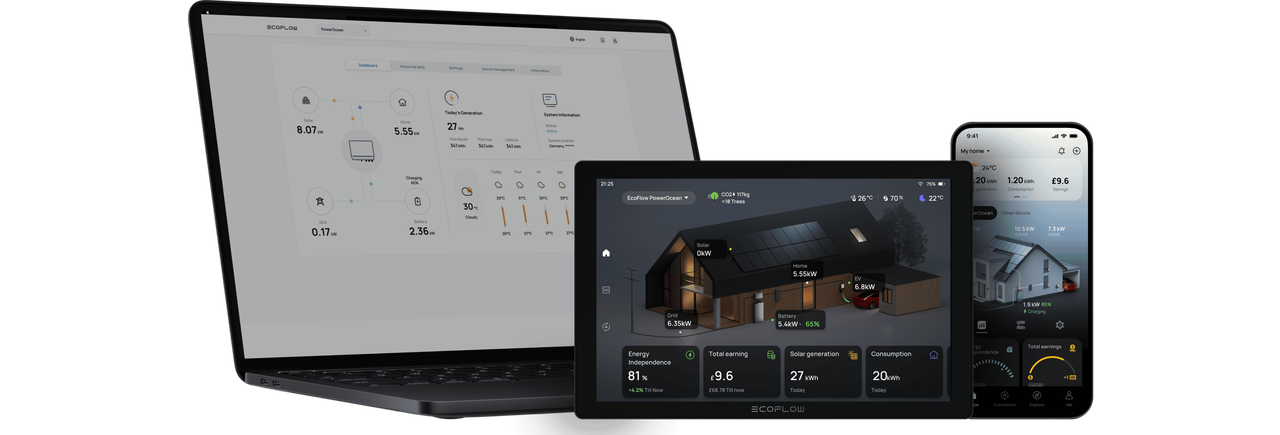
EcoFlow Intelligent HEMS offers energy monitoring and management, which helps align solar power generation, battery storage, and home energy consumption. Doing this will increase visibility throughout the system, allowing homeowners to make better decisions about how energy is being used throughout the day.
Integrating energy management and storage with solar systems can create a more comprehensive, future-ready home energy ecosystem for installers.
Conclusion
Choosing the right solar panel brackets is critical to creating safe, sturdy, and effective solar installations. Decisions about the appropriate mounting system for the environment, structural needs, compliance standards, and technical specifications all affect the system's long-term performance.
Successful solar projects now involve more than just panel mounting – especially for installers. In the quest to fully leverage their solar investment, options like EcoFlow PowerOcean Single-Phase and EcoFlow Intelligent HEMS can complement energy generation with energy storage, monitoring, and management.
Through mounting and energy planning, installers can play an important role in achieving reliable, scalable and future-ready solar solutions.
Schedule Your Free Consultation Today!
What kind of product or solution are you interested in?
FAQs
What is the difference between solar panel brackets and mounting rails?
While both terms are at times interchangeable, they serve different purposes in a solar installation. Both are needed, but each plays a different part in supporting the solar array.
Solar panel brackets attach the mounting system to the roof or supporting structure.
Mounting rails are the structures that hold solar panels in place.
Brackets and rails work together to transfer loads safely throughout the installation.
If brackets and rails are not properly matched, the entire mounting system may not provide the desired stability or structural performance.
Can existing roofs support solar panel mounting brackets?
In many cases, yes. But, it all depends on the age, state and design of the roof. Installers usually complete an assessment to determine if solar panel mounting brackets are suitable before installation.
The roof's load capacity needs to be sufficient for the solar array and mounting system.
Existing roof materials should be compatible with the proposed fixings and attachments.
Structural deterioration should be corrected prior to installation.
A professional survey will identify potential problems and ensure that the mounting system can be installed safely.
How long do solar panel mounting brackets typically last?
A good-quality solar panel mounting bracket will typically last for decades. They can last as long as or longer than the panels themselves, especially if they are corrosion-resistant (Aluminium, Stainless steel, etc.).
Are aluminium solar panel brackets better than steel alternatives?
There are pros and cons to both materials. Aluminium solar panel brackets are light, corrosion-resistant and used for residential installations. In some situations, steel systems may offer greater strength but may require additional corrosion protection measures depending on the installation location.
How can home energy management systems improve the value of a solar installation?
When electricity produced by a solar installation is used effectively throughout the property, it creates more value. Homeowners can better understand energy production, storage, and use with an energy management system.
Households can combine solar generation with technologies like EcoFlow Intelligent HEMS to:
Real-time electricity monitoring.
Improve solar self-consumption.
Make more informed energy management decisions.
This added visibility can help to maximise the potential long-term benefits of a solar investment.

