
Why Solar Array Battery Storage Performance Varies In UK Homes
Many UK homeowners install solar panels with one expectation: a drop in their electricity bills. However, when winter comes around, the savings barely register. In the summer the situation is completely opposite. Solar panels overproduce energy at noon when the house is literally empty. The surplus produced during this time is exported back to the grid for pennies. This timing mismatch is a common reason why traditional solar setups deliver lower financial returns, particularly without any form of energy storage.
You may have installed an expensive solar array setup. But without a smart solar array battery storage strategy, your solar setup will underperform. Battery storage can help store surplus energy produced during peak solar generation hours, like noon, and you can use it later in the evenings when the grid power cost is at its peak.
This guide looks at:
What a solar array battery storage system is
The hidden cost an unmanaged solar array presents
The solar array efficiency in the UK damp climate
Breaking down the true solar arrays UK market costs
Transitioning from a basic solar array to a total home energy ecosystem
What Is A Solar Array Battery Storage System?
A solar array battery storage system captures surplus direct current (DC) electricity from your panels during daylight hours and stores it for later use, rather than exporting it straight to the grid. At its core sit two components: a battery bank — almost always lithium iron phosphate (LiFePO4) in modern installs — and a smart inverter that converts stored DC power into usable AC for household appliances.
Think of it as a buffer between when your power is made and when you need it. Without that buffer, your home exports cheap, surplus solar at noon and buys it back at full price by 7pm. With solar array battery storage in place, the same kilowatt-hour gets used twice as efficiently—generated, stored, then drawn down exactly when the kettle, oven, and lights all run at once.
The Hidden Cost Of An Unmanaged Solar Array
Installing a solar array without intelligent storage presents a gap in your potential financial savings you could get from the system.
Why Daytime Generation Leaves UK Homeowners In The Dark At Night
UK solar generation peaks roughly 10am to 4pm. Household demand peaks 5pm to 9pm, dinner, lighting, the TV, the washing machine's second cycle. These windows barely overlap.
Without storage, your setup exports the excess energy produced during daytime back to the grid at cheaper rates. And when evening time comes when you actually need to use your electricity? You import it back from the grid at full import price. This means that you are literally buying back electricity you generated for free hours earlier at premium prices.
The Smart Export Guarantee Trap And Why Selling Back Loses You Money
The Smart Export Guarantee (SEG) costs for exporting electricity to the grid ranges between 4.1p to 25p+ per kWh depending on your tariff and supplier. And the current cost of importing energy from the grid is 24.67p per kWh.
Note: Ofgem revises energy price caps quarterly. Always check their official website to know the up-to-date energy costs per kWh.
From this statement, it means that if you export a kWh at 10p, then buy it in the evening for 24.67p, you are literally buying a single unit of electricity you generated for 14p. Multiply this across a sunny year. Over the course of a year, this price gap can significantly reduce the financial value of surplus solar energy for many households.
How Traditional Grid-Tied Systems Fail During A Local Power Cut
A common — and costly — assumption is that solar panels keep the lights on during a blackout. They don't, not without storage. Grid-tied inverters include anti-islanding safety features that shut the system down the instant grid power is lost, protecting engineers on the lines. A roof full of panels does nothing mid-outage unless a battery and backup-capable inverter sit behind it.
Understanding Solar Array Efficiency In The Damp UK Climate
here's a persistent worry that the UK doesn't get enough sun for solar to make sense. That's a misunderstanding of solar array efficiency — it has less to do with blazing heat and more to do with capturing every available watt of ambient light.
How Do Solar Arrays Work When The Sky Is Completely Overcast?
Photovoltaic (PV) cells don't need cloudless sun to generate; they respond to diffuse light too, the kind that bounces around on a grey British afternoon. Output drops compared to a clear day, but it doesn't flatline. How do solar arrays work in this climate, then? Knowing how do solar arrays work under cloud cover comes down to total system efficiency — panels, inverter, wiring, and storage working together — which ends up mattering more than raw panel specs alone, and is also why pairing panels with solar array efficiency-boosting storage pays off here more than in sunnier markets.
The Temperature Paradox That Shifts How We View Solar Panels
Many homeowners don’t know that panels lose efficiency as they overheat. Their output drops once temperatures climb past 25°C. This makes the UK’s cooler, temperature climate well-suited to keeping panels to peak voltage for more of the year than a desert installation manages.
Overcoming Winter Drop-Offs With High-Capacity Storage
There's no avoiding the seasonal swing — UK solar generation in December is a fraction of July's, down to shorter days and a lower sun angle. This is where capacity matters: a larger battery bank captures the short, intense bursts of winter sun and holds onto them, rather than letting a sunny spell go to waste once the battery fills and the rest exports at a loss.
Breaking Down The True Solar Arrays UK Market Costs
Quotes in the solar arrays UK market vary wildly, and a lot of that variation is opaque. Knowing where the money goes makes it easier to judge whether a solar arrays UK quote is fair.
How Much Does A Solar Array Cost When You Factor In Smart Storage?
How much does a solar array cost with storage included? For a typical UK household, the figure ranges between £9,500 and £15,500. What determines the real cost of your installation, include battery capacity and capacity, total number and type of the solar panels, the inverter architectures, installation complexity, and grid connectivity and DNO approvals.
Note: The installation and equipment costs vary depending on material prices and demand. The figures discussed here may vary because of this. For up-to-date pricing guidance for solar array installations, check from the Department for Energy Security and Net Zero (DESNZ).
Hidden Installation Fees, Scaffolding, And G99 Grid Application Hurdles
Scaffolding hire, old wiring upgrades, and Distribution Network Operator (DNO) approval under the G99 regulation are additional factors that drive the cost of solar array installation that many homeowners overlook. These are regulatory requirements and their costs are often absent from the initial estimate. Overlooking them means that your how much does a solar array cost estimate may not be accurate.
Finding Reliable Solar Arrays For Sale Without Falling For Cowboy Installers
There are many solar arrays for sale in the market, and to get real return on your investment, you must partner with legitimate installers. To find the right installer:
Check their MCS certification that is necessary for SEG legibility
Read actual warranty terms
For any guarantee they provide, verify it
Request any documented certification they may have
Transitioning From A Basic Solar Array To A Total Home Ecosystem
Future-Proofing Whole-House Power
Dynamic time-of-use tariffs, such as Economy 7 or EV-specific smart tariffs, let homeowners charge a battery cheaply overnight, then draw on that stored power alongside solar the next day. Using a tariff like this with solar array battery storage means that the battery is charged with both sunshine and cheap grid power, keeping your electricity bills lower.
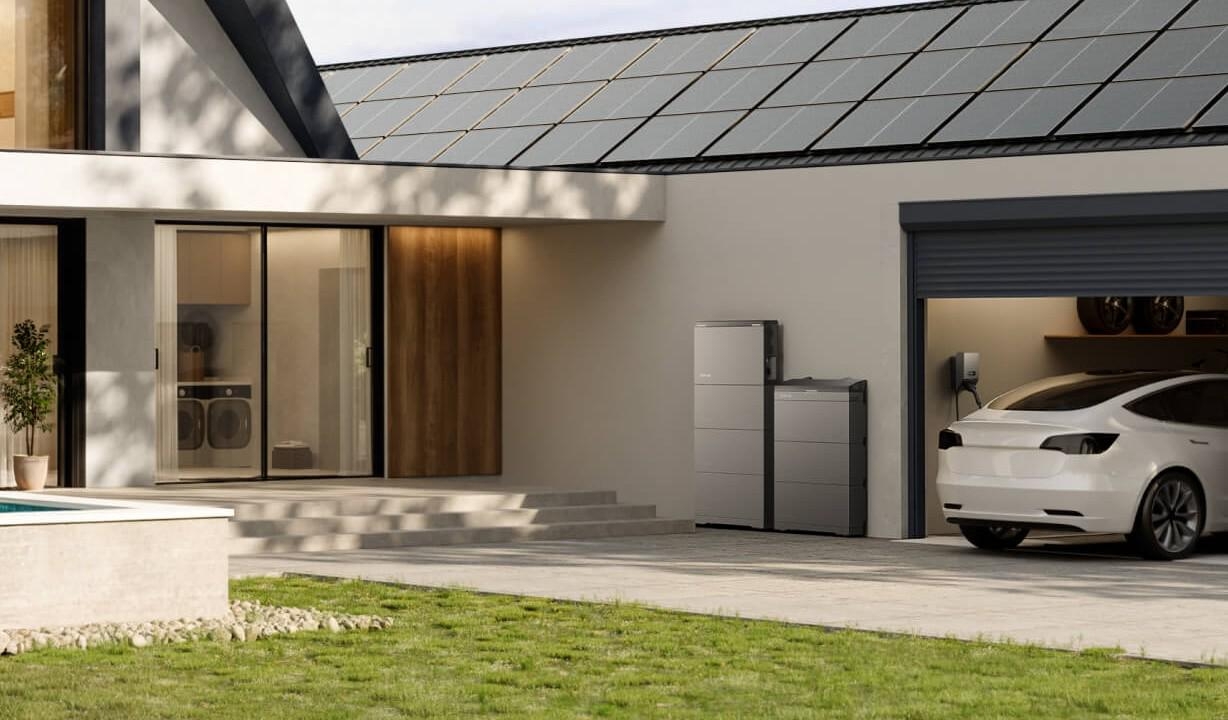
This is where larger, hybrid‑ready battery systems are often considered as part of a more flexible home energy setup. The EcoFlow OCEAN 2 Plus Single-Phase provides a representative example of a residential solar storage system. You just install this unit in a utility space and it runs quietly, helping balance your household loads automatically. It also powers you home through peak evening hours with minimal manual intervention once the system is configured. Its integrated whole-home backup and three independent MPPT trackers mean it adapts to complex rooflines rather than forcing a single, simplified setup.
Creating Flexible Energy Independence
None of this works without visibility. Homeowners who can see exactly where their power is going, and when grid import spikes, are in a far stronger position to cut costs.
The EcoFlow PowerInsight 2 Monitor does this job directly. It's a touchscreen hub that shows real-time solar generation, household consumption, and battery charge/discharge in one place. This smart home energy device flags any expensive habits and pairs directly with your home battery system to support more informed decisions about when and how electricity is used.

Schedule Your Free Consultation Today!
What kind of product or solution are you interested in?

Choosing The Right Solar Array Battery Storage For Your Home
Solar panels solve the generation problem. However, they don’t solve timing and that’s where most of the wasted value in a UK solar setup lives. Adding a properly sized solar array battery storage to your solar array setup can transform your passive rooftop installation into a system that offsets evening grid reliance instead of exporting value nobody benefits from.
Some UK homeowners use integrated solar storage systems to reduce reliance on grid electricity during peak periods. At EcoFlow, we provide modern solar storage ecosystems that help solve the frustrating mismatch between peak daytime generation and expensive evening electricity demand. With these solutions, you can store surplus energy and use it in the evening hours when grid costs are at peak. Check out our energy solutions page today to discover the perfect battery storage system for your home and help reduce reliance on grid electricity during higher‑cost periods.
Solar Array Battery Storage Frequently Asked Questions
How long does a modern solar battery storage system last before needing a replacement?
Modern LiFePO4 batteries are rated for roughly 3,000 to 4,000+ cycles before dropping to 80% capacity—typically 10+ years of daily use. Older chemistries, lead-acid especially, degrade faster.
Can I add more battery storage to my existing solar panel array later on?
In most modern systems, yes. Modular, plug-and-play battery packs let homeowners start small and expand later as energy needs grow—useful if you're planning an EV or heat pump down the line.
Do I need planning permission to install a solar array and battery storage system in the UK?
Most roof-mounted residential installations fall under Permitted Development rights and need no planning permission. Exceptions apply to listed buildings, conservation areas, and certain flat or shared-ownership properties—check with your local planning authority if any apply to you

