
Smart Energy Monitors Explained: How to Track, Understand, and Reduce Your Home Energy Use in the UK
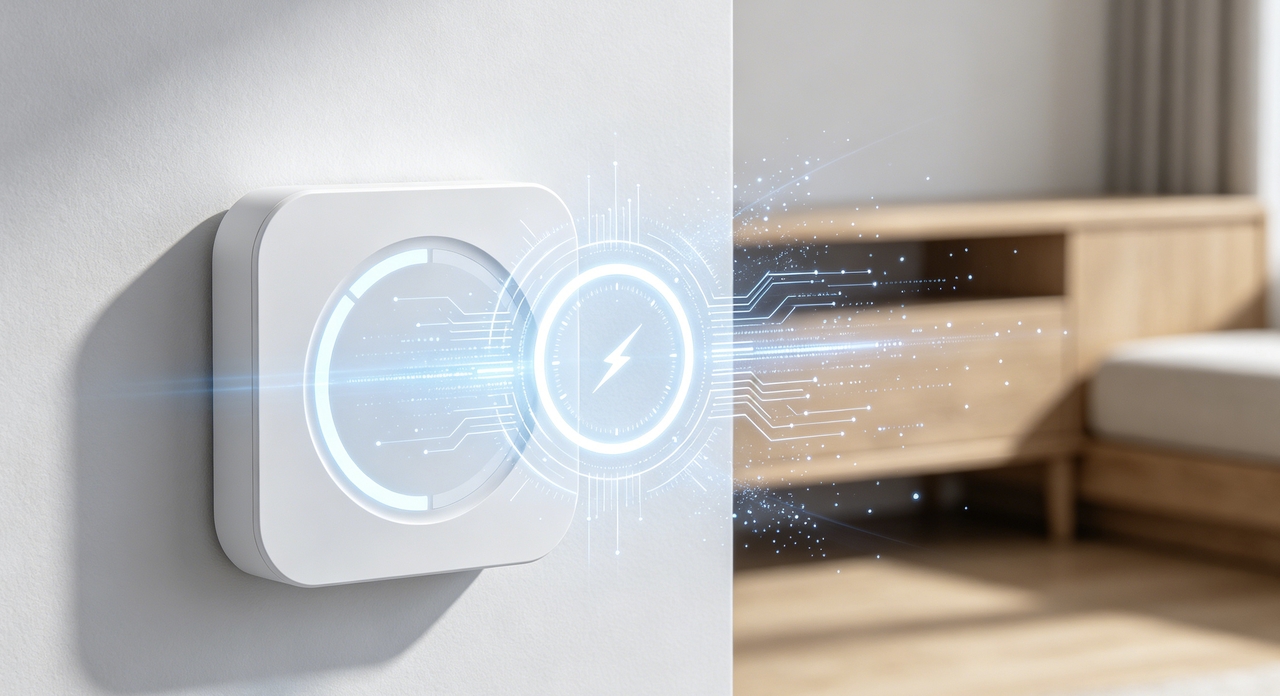
UK electricity bills have also risen significantly in recent years, and while the aggravating thing is that, for many people, it's not clear why. The bills go out of your account each month, but the information on the bill doesn't usually tell you which appliances are using the money or when and where you are using the most. A smart energy monitor changes that. It provides actual insight into how much electricity your home consumes, and action is the first step towards actual savings.
Here are the different types of smart energy monitors UK homes can have in 2026, how to select the right one, and what you can do once you've reached the point of monitoring and moved on to using that information for action.
What Is a Smart Energy Monitor?
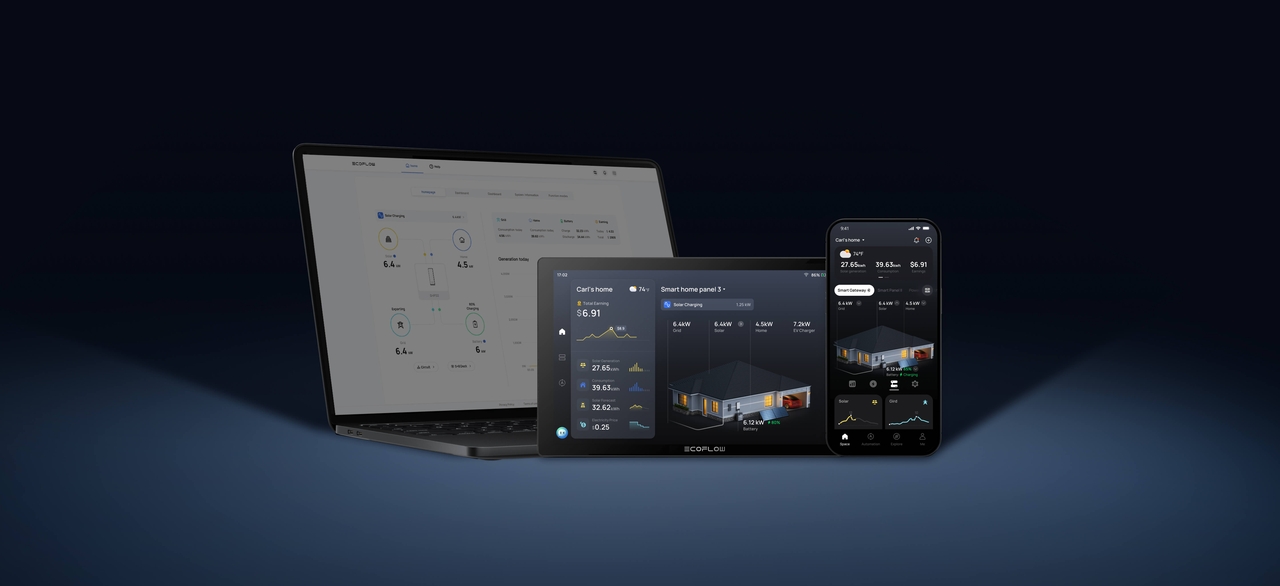
A smart energy monitor is a device that measures the amount of electricity that your home consumes and provides you with that information on a dedicated screen or a smartphone app. A good smart home energy monitor provides you with detailed, useful information on your energy usage, rather than an overall figure.
How it differs from your smart meter's in-home display
If you do have a smart meter, you might already have a small display in your kitchen. It is actually an in-house show (IHD), and it is exactly what most people think of when they hear words such as "British Gas smart energy monitor. Displays your electricity consumption in real-time and over the last 48 hours, from your smart meter.
A smart meter energy monitor is so much more! It can monitor individual circuits, communicate with solar panels, embed into battery storage and home energy management systems, and do more than just show you what's on your meter. Ambition and ability are very different from each other.
What a smart energy monitor is not
A smart home energy monitor should be distinguished from the energy monitoring smart plug. The energy monitoring smart plug or smart plug with energy monitor function tells you the power consumption of a particular appliance. It's useful to check if an old freezer is more expensive than it should be, but a smart plug with energy monitoring isn't a substitute for monitoring your entire home. This guide is for whole-home and circuit monitoring, as this provides a complete picture, not a part of it.
Types of Smart Energy Monitoring Available in the UK
The UK market in 2026 offers several distinct tiers of smart energy monitoring, each suited to different needs and budgets.
Smart meter in-home displays: the entry point
These are included in most smart meter installations, and give basic data. They're a good choice to start with, but don't provide much detail and they don't integrate with solar or storage.
Smart plugs with energy monitoring: appliance-level visibility
A smart plug with energy monitoring is widely used for monitoring individual appliances and is easy to install and low-cost. The problem is that you have to have one for each device, and they don't provide you with a graph of the whole home usage.
Whole-home energy monitors: circuit-level and solar-aware
They are connected to your home's primary electricity supply and monitor electricity usage, solar generation and export in real time. This type of smart energy monitoring is especially useful for homes that have solar panels.
Integrated home energy management systems: monitoring plus action
These aren't simply data-providing tools; they react to data and make self-changing decisions depending on real-time situations as energy is stored or consumed, or when it is tapped into from the grid. They represent the natural evolution of a smart energy monitoring system.
Why UK Households Are Investing in Smart Energy Monitoring
Rising electricity costs and the need for visibility
As unit rates continue to be high, households are turning to understanding and controlling their expenditure. By using smart energy monitoring, you can access the data needed to make informed decisions, not guesses.
Solar owners and the challenge of knowing what to store vs export
With more than 375,000 homes now having solar panels in the UK, it can be a challenge to understand what to do with the solar power generated. It's hard to understand unless it is monitored: how much you are producing, how much you are using and how much you are returning to the grid at a fraction of its value. A whole-home monitor solves this directly.
EV charging, heat pumps, and managing higher loads at home
The electricity demand of households grows substantially due to the increase of EVs and heat pumps. Smart monitoring can assist you to understand the impact of these new loads on your bill and determine when the best time to run these loads is when they are least expensive.
What Can a Smart Energy Monitoring System Actually Tell You?
Real-time consumption and generation data
You will be able to view the exact amount of electricity that your home is consuming at any one time, as well as how much electricity is being produced by solar panels if you have any. People who simply know that they are using less power use less electricity.
Historical usage trends and peak demand periods
Effective monitoring systems track your data over time, so you can detect trends. You may find that your home consumes three times as much electricity as it does at any other time of the day from 5pm to 8pm, so you could consider doing some of your activities at different times.
Tariff awareness: knowing when energy is cheapest or most expensive
For those on a time-of-use tariff, it's crucial to understand the start and end times of the cheap pricing window. A smart energy monitoring system can automatically monitor this and assist you in planning.
Identifying energy-hungry appliances and behaviours
Some monitoring systems can detect a particular appliance's electrical signature, even when it's not housed in a separate plug, helping you to catch the culprit quietly running up your bill.
From Data to Savings: Turning Monitoring Into Action
Why seeing your usage is only the first step
In the first few months, most households that set up a basic smart energy monitor notice a slight reduction in their bills, just because they're now aware it causes behaviour to change. However, that impact is often diminished. After making the obvious habit adjustments, more work or a better system is needed to make additional savings.
How automated energy management closes the gap
The next step beyond monitoring is automation. Instead of reading data and making manual decisions, the intelligent energy management system automatically works on it, storing energy when it is produced, using it when rates are high, and scheduling high demand appliances when the rate is low – without your input.
Whole-Home Energy Management: The Smarter Evolution of Monitoring
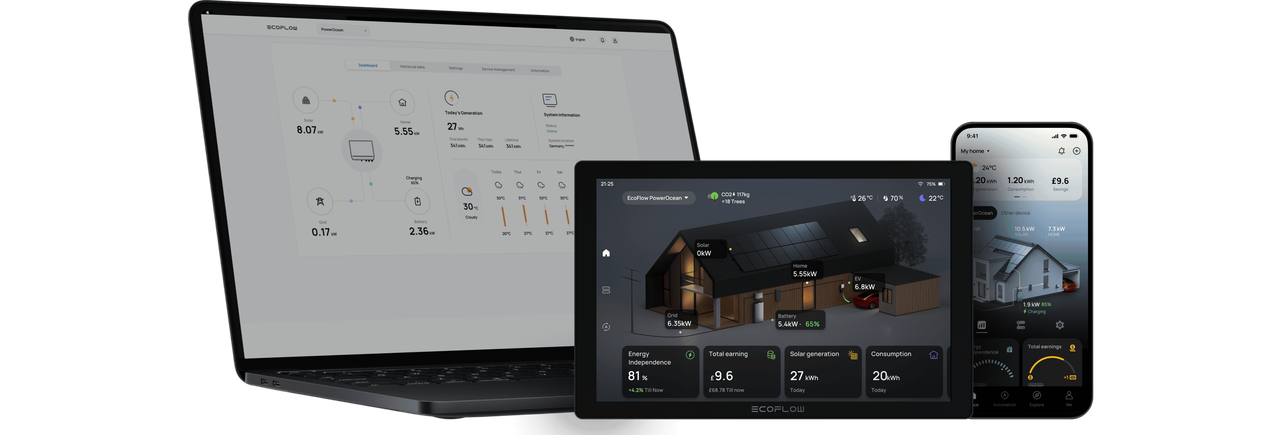
For households that want to move from awareness to genuine optimisation, the EcoFlow EcoFlow Home Energy Management System is designed to do exactly that. It records your solar power production, your energy use at home, your battery levels and even the rates you are charged by the grid as it happens and intelligently decides where and when to use your energy most effectively.
The EcoFlow HEMS does not just react to what's going on, it shows you what's going on. It stores excess solar generation when demand for electricity is low at home. When the electricity rate is high, it consumes the electricity stored in batteries. The system is optimized for weather forecasting and tariff integration and in some households, combining monitoring, storage, and automated energy management has led to significant reductions in grid electricity use, depending on tariffs, usage patterns, and system configuration.
The HEMS integrates with your solar panels, battery, EV charger and other devices, ensuring maximum energy use through real-time data.
Pairing Your Monitor With Home Battery Storage
Smart monitoring delivers its greatest value when paired with a home battery. The savings are where excess solar is stored and used during the peak of the grid rates at 6 pm.

The EcoFlow OCEAN 2 Plus Single-Phase is a scalable home battery storage system that seamlessly integrates with the EcoFlow HEMS, providing power to single-phase UK homes. The modular design allows for a flexible start-up that can be increased with time, the warranty is 15 years, and the battery chemistry is LiFePO4, ensuring long life. The EcoFlow team offers a solar battery quote to help you create the perfect setup for your home.
What to Look for When Choosing a Smart Energy Monitor in the UK
Compatibility with your meter type and home setup
Check whether the system you are considering works with your smart meter and supports your home's phase configuration. Most UK homes are single-phase, but some larger properties are three-phase.
Solar and battery integration capability
Solar panels or planning to install them: select a monitor that will monitor generation as well as consumption. You need to see both at the same time in order to know how much you are consuming compared to how much you are exporting.
App quality, data export, and tariff integrations
The smart home energy monitor is as useful as the interface it's presented through. If you're on a time-of-use plan, search for clear applications, historical data access and direct integration with your energy tariff.
Installation requirements: DIY vs professional fitting
Simple monitors which attach to the tail of your meter may sometimes be installed by yourself. A more advanced system, that is part of your consumer unit, will normally need a qualified electrician.
Conclusion
A smart energy monitor is one of the most straightforward investments a UK household can make in 2026. Its visibility alters the way people think about electricity; once they do, waste and electricity bills decrease for most of them. The true benefits are achieved when smart energy monitoring is combined with intelligent energy management and home battery storage. See how a complete, integrated solution can work for you in the EcoFlow Home Energy Ecosystem.
Schedule Your Free Consultation Today!
What kind of product or solution are you interested in?

FAQs
What is a smart energy monitor and how does it work?
A smart energy monitor is the equipment which is connected to your house electric meter or is clamped on the electric supply lines to track your electricity consumption in real-time. It can supply data to an application or display to indicate the amount of energy being consumed, when it is being consumed, and in some instances, which appliances are using it.
Is a British Gas smart energy monitor the same as a whole-home monitor?
No. A British Gas smart energy monitor is an at-home display that provides fundamental details from your smart meter. A whole-home smart energy monitor provides a lot more detail: individual circuits, energy generated from solar cells, battery levels, and links to energy management platforms.
Can a smart plug with energy monitoring replace a whole-home system?
A smart plug with energy monitoring can be helpful in tracking the energy usage of individual appliances, but it won't provide you with a comprehensive view of your home's energy consumption. If you need to monitor the energy use in your home, a dedicated smart energy monitoring system is the right choice, particularly if you have solar panels or a time-of-use tariff.
Do I need a smart energy monitor if I already have solar panels?
Yes, certainly more than do without solar. If you do not monitor, you have no way of knowing what percentage of your generation is being consumed by you vs at a low rate. With a good smart meter energy monitor, and even more so with a home battery, you can learn more about this and maximize the use of the energy you produce.
What is the best smart energy monitoring system for a UK home in 2026?
The optimum system is determined by the setup. Monitoring along with advanced energy management makes the most sense for solar-powered homes and batteries. The EcoFlow Home Energy Management System and home battery storage go hand-in-hand to optimize your entire home.

