
Renewable and Non-Renewable Forms of Energy: Pros, Cons, and Benefits
If you’ve ever opened your energy app with a sense of dread, only to see yet another price rise, you’re far from alone. Understanding the difference between renewable and non-renewable forms of energy is a practical step towards keeping your household finances in check.
This guide breaks down how both energy types really stack up, from upfront installation costs and the realities of British weather, to the smart tech that hands you back control.
What Is Renewable vs Non-Renewable Energy?
Renewable energy comes from natural sources that replenish over time, such as solar, wind, and hydropower. These sources are sustainable and produce little to no greenhouse gas emissions.
Non-renewable energy, on the other hand, relies on finite resources like coal, oil, and natural gas. Once used, these fuels cannot be replaced within a human timescale and are major contributors to carbon emissions.
In the UK, the grid still depends significantly on natural gas, but renewable sources are rapidly expanding as part of the Net Zero 2050 strategy.
What Energy Source Fits Your Lifestyle and Benefits You Most?
Picking the right energy mix? Whether you’re in a detached place in the Cotswolds or a Victorian terrace in London, you’ve got to know what you’re working with. That’s where energy independence really begins. Whether the house is suitable for solar panels is often the first technical question homeowners need to answer before making the switch.
Calculate the Upfront Installation Costs
While fossil fuel-based heating might seem cheaper to install initially, the “green premium” for renewables is shrinking. In the UK, a full solar and battery setup can range from £5,000 to £12,000. As the 0% VAT relief on solar installations approaches its scheduled end in March 2027, now is the most cost-effective time to switch before these tax savings expire.
See What Your Roof Gets From the Sun
We all know British weather can’t make its mind up. But don’t worry, you don’t need a heatwave. Just fire up an online tool and see if your roof points south, or at least steers clear of tall trees or neighbour’s chimneys. That’ll help your panels grab enough “grey light” on those dull, drizzly days.
Check Permitted Development Rights
Most solar setups fall under “permitted development,” so you won’t need to submit a full planning application. But if you’re in a Conservation Area or a Listed Building, always run it past your local council first. Saves you getting a “stop notice” halfway through the job.
Estimate Your Yearly Electricity Usage
Dig out your annual statement from your supplier and see how many kilowatt-hours you actually use. The average UK home sits around 2,700 kWh a year. If you’ve recently switched to an EV or put in an air-source heat pump, your draw will be higher — and you’ll need a beefier home battery storage setup to match.
Compare Battery Lifespan Across Technologies
Not all batteries last the same — or play nice safely. Lead-acid? Pretty much had its day. Modern Lithium Iron Phosphate (LFP) batteries give you thousands of cycles and easily run past a decade. That’s why they’re now the gold standard for home storage.
How Do Renewable and Non-Renewable Energy Compare in Real Life?
Theory is one thing, but how does it feel when the monthly bill lands on the doormat? Let’s look at the day-to-day reality of switching from the standard variable tariff to a self-sufficient setup.
| Feature | Non-Renewable (Grid) | Renewable (Solar + Battery) |
|---|---|---|
| Monthly Cost | High (subject to market spikes) | Very Low (mostly maintenance) |
| Reliability | Stable, but prone to local outages | High independence (with backup) |
| Carbon Footprint | Significant | Near zero during operation |
Compare Monthly Energy Bill Savings
Generate your own power and you can cut your grid reliance by 70–80%. Come summer, the Smart Export Guarantee (SEG) even pays you a few pence for sending the surplus back to the grid on those sunny days.
Test System Performance During Heatwaves
Last summer’s record highs proved a point — extreme heat can knock panel efficiency. A well-ventilated setup and decent inverters stop your system from throttling back when the “Beast from the East” has cleared off and the summer heat kicks in.
Track Ongoing Maintenance Needs
Renewables ask for remarkably little upkeep next to old-school mechanical kit. Apart from the odd rinse to shift bird muck or city grime, solar panels have no moving parts. Try that with a gas boiler — you’ll be booking its annual safety check and swapping parts year after year.
Evaluate Your Grid Independence
True independence means not worrying when a local substation fails during a winter storm. How a solar battery backup system reduces grid dependence becomes most evident during these moments, as a system with “islanding” capabilities allows your home to remain powered even when the rest of the street goes dark.
Measure Your Actual Carbon Savings
The average UK solar array saves about one tonne of carbon per year. Data from UK Department for Energy Security and Net Zero shows that residential solar systems can reduce household carbon emissions by up to one tonne annually. That’s equivalent to planting dozens of trees annually—a tangible contribution to the UK’s Net Zero 2050 goals.

Why Do Energy Systems Become Unstable or Expensive at Home?
Even with the best intentions, the “Old Grid” wasn’t built for the modern surge in demand. From aging infrastructure to global gas price volatility, staying 100% reliant on traditional sources carries hidden risks for your bank account. According to Ofgem, energy price caps have fluctuated significantly in recent years due to wholesale gas volatility.
Handle Power Cuts from Unstable Grids
While the UK grid is generally reliable, rural areas and coastal towns often face “brownouts” during seasonal gales. Without a local storage buffer, your modern life from Wi-Fi to the fridge, stops the moment the line goes down.
Manage Peak-Hour Electricity Price Surges
The “Tea Time Peak” (between 4 PM and 7 PM) is when electricity is most expensive for those on time-of-use tariffs. Without a way to store energy, you are forced to buy power at its most premium price just to cook dinner or run the wash.
Fix Energy Loss from Inefficient Appliances
Old tumble dryers or a kettle with poor insulation can drain your battery before you know it. A smart monitor helps you spot these “energy vampires” before they chew through your savings.
Balance Energy Gaps on Cloudy Days
The British sky spends a lot of time in dull, uniform grey. That means production dips. A decent smart system should know how to pull a bit from the grid during cheap off-peak hours, just enough to tide you over when the sun won’t show its face.
Monitor Hidden Costs in Standard Electricity Tariffs
Standing charges have risen significantly over the last few years. Even if you use very little energy, the fixed daily cost of being connected to a non-renewable grid can be a nasty surprise on your quarterly bill.
.png)
Can Smart Technology Automate Your Savings?
Automation can now do the heavy lifting of energy management, allowing you to enjoy your home without constantly checking the weather forecast.
Maximise Energy Storage for Critical Backups
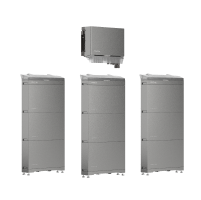
As the days lengthen during late spring and early summer in the UK, the daylight hours extend significantly, but the fickle British weather still makes every bit of sunshine precious. The EcoFlow OCEAN 2 Plus is specifically engineered for this environment. Its advanced technology begins harvesting energy from the very first light at 5 AM. Even on a cloud-covered afternoon, it efficiently gathers every possible kilowatt-hour of green power. For UK residents, this doesn’t just mean maximising free energy from long days; it provides ultimate peace of mind. With its millisecond switching speed, your smart home devices and remote-work setup stay online even if the local grid suffers a momentary flicker during spring maintenance periods.
Centralise Home Control with Visual Dashboards
When solar gain increases with the seasons, knowing how to cleverly distribute that surge of energy is key to saving money. The EcoFlow PowerInsight 2 acts as your home’s energy commander-in-chief, simplifying complex power flows into intuitive graphs on an 11-inch HD touchscreen. It’s perfect for the UK’s increasingly popular “Flexible Tariffs,” allowing you to precisely time your usage: charging the battery during the dead of night when prices are lowest, and automatically discharging during the expensive evening peak. Since it is fully compatible with the Matter protocol, you can control heat pumps, smart lights, and fans directly from the wall. No need to reach for your phone; a simple “Hey EcoFlow” puts your home into its most cost-effective mode, turning saved pennies into a fund for your next May Bank Holiday getaway.
Shift Heavy Loads to Off-Peak Periods
By scheduling your dishwasher or EV charger to run at 2 AM, you take advantage of “Economy 7” or similar dynamic pricing. Smart batteries can automate this, ensuring you never pay “peak” prices for a full car battery.
Automate Appliances Via Smart Matter Protocols
Matter is the new universal language for smart homes, allowing your energy system to talk to your appliances. If the battery is full and the sun is shining, your system can automatically trigger a laundry cycle, effectively “storing” that solar energy as clean clothes.
Monitor Live Efficiency Through Mobile Applications
The ability to see your energy production in real-time on your phone changes your relationship with power. You’ll find yourself waiting for a sunny spell to run the hoover, turning energy saving into a rewarding daily habit.
How Do You Start Reducing Energy Costs Today?
Transitioning to a smarter home doesn’t have to happen overnight. Taking small, calculated steps can lead to immediate reductions in your monthly outgoings.
Conduct a Basic Home Energy Audit
Walk around your house and check for draughts under doors or behind the skirting boards. Simple DIY insulation combined with a smart monitor can show you exactly where your heat and money are escaping.
Apply for Local Renewable Energy Rebates
Check the UK government’s “Boiler Upgrade Scheme” or local council grants for solar installation. Many regions offer interest-free loans or grants that significantly lower the barrier to entry for green tech.
Install a Scalable Solar Battery System
You don’t have to go fully off-grid from day one. Start with a modular setup, then add more battery units as your budget allows or your family grows. Gives you a flexible route to independence without the upfront pain.
Upgrade to Automated Energy Management Tools
Dropping money on a central hub often gives you the best bang for your buck. By integrating a home energy management system, you can fine-tune your existing kit, making sure you’re not wasting energy you’ve already paid for or harvested from your own roof.
Schedule Your Free Consultation Today!
What kind of product or solution are you interested in?

Conclusion
In the UK, with energy prices all over the place and the weather doing what it always does, taking control of your own power just makes sense. Pair efficient generation with a smart management system like the EcoFlow OCEAN 2 Plus, and your home starts looking after itself — saving you money every time the sun bothers to show its face.
FAQ
1. How Much Do Solar Panels Add To House Value in the UK?
Solar panels can increase a property’s value by an average of 4% to 14%, as buyers increasingly prioritise homes with high EPC ratings to avoid energy price shocks.
2. How Long Do Solar Panels Last Before They Need Replacing?
Most high-quality solar panels are designed to last between 25 and 30 years. While their efficiency drops slightly over time, they generally still produce at least 80% of their original output after two decades.
3. Can You Legally Live Off-Grid in the UK?
Yes, it is perfectly legal to live off-grid in the UK, provided you comply with building regulations and planning laws regarding waste and water. Most residents, however, choose a “hybrid” approach to maintain a safety net.
4. What Is the Average Payback Time For Solar Panels in the UK?
The average payback period is currently between 6 and 10 years. With energy prices remaining high, the time it takes to recoup your investment via bill savings has shortened significantly.

