
PV Panel Battery Storage for UK Homes: Complete Guide 2026
A PV panel battery will store excess electricity produced during the day that can be used during the night, in the dark or during a power outage. If there is no storage, it is the surplus you sell on to the grid for far less per kWh than you buy in from the grid. This guide will provide an explanation of how PV batteries work, what factors to consider when comparing PV battery systems and expected financial return in 2026.
What is a PV Panel Battery and How Does It Work?
A PV panel battery is a rechargeable energy storage system that stores excess electricity generated by solar panels for later use in the home. PV panel battery is also known as solar storage battery - it is the rechargeable battery which is connected to your PV system. Your electricity production happens during the day thanks to your panels. Your home consumes in real time what it needs and any surpluses are stored in the battery and not sold back to the grid. Your house uses energy from the battery as opposed to the electricity board in the evening regardless of the price of energy at peak hours.
The role of the inverter in a PV battery system
For new installations in the UK it is now standard to use a hybrid inverter. It can convert the solar DC power to home AC power; charges and discharges batteries in one unit, and reduces the system footprint, while making it easy to install.
AC-coupled vs DC-coupled battery storage
For homes with an existing solar inverter, AC‑coupled batteries are often easier to retrofit, as they connect on the AC side without replacing the original inverter. A DC-coupled system is more for new installations since the energy flows directly into the battery before any conversions, thereby keeping losses to minimum.
What is inside a home PV battery?
The battery cells, the battery management system (BMS) which prevents overcharging and thermal issues, and the casing which keeps the battery weather-tight are the elements of any modern home battery. There are a few more expensive systems which have their own firing elements to ensure a consistent performance during the cold British winter.
What to Look for When Choosing a Battery for PV Panels
The following are some of the factors that you'll need to consider when choosing a battery to power PV panels:
In the UK, PV panel home battery storage is the lithium iron phosphate (LFP) chemistry. It is thermally stable, safer than the older versions of Lithium-Ion batteries and generally offers around 6,000 full charge-discharge cycles, or about 15 to 16 years of daily usage.
How much battery capacity do you actually need?
Size the battery to cover your home's evening and overnight demand. A rough guide by household size:
Household Size | Typical Daily Usage | Recommended Battery Size |
1–2 bedroom flat | 4–6 kWh | 5 kWh |
3-bed semi-detached | 7–9 kWh | 8–10 kWh |
4–5 bedroom detached | 10–14 kWh | 12–15 kWh |
EV or heat pump household | 14–20+ kWh | 15–20+ kWh |
Scalability and future-proofing
Inquire for a modular system that will allow later capacity additions without changing the inverter. Installing an EV or heat pump can add up a lot to your storage requirements in the long term.
Compatibility with your existing solar setup
Ensure that any battery that you buy can be used with your current inverter and panel setup. It is important to raise explicitly and is confirmed by a good installer.
Certifications and installation requirements
The battery storage systems installed in the UK must comply with BS EN 62619 and must be installed by an MCS certified contractor. This is what decides if you are eligible for the Smart Export Guarantee and will ensure that the job complies with Building Regulations Part P.
Why UK Homeowners Are Adding Batteries to Their PV Panels
Stop exporting cheap and importing expensive
Export prices for SEG are around 4p to 15p per kWh. Normal price capped imports are approximately 24p per grid. A PV panel battery is the financial core argument for storage because it makes low value exports a high value self-consumer.
Power your grid during a grid outage
If the power grid goes down, a home battery with backup keeps critical circuits powered up without any manual effort — within the first millisecond.
Take advantage of time-of-use tariffs
Some tariffs, such as Octopus Agile, charge by the hour. A smart battery can be filled up cheaply at night and discharged at the high cost of the evening peak – this works well with solar generation during the day.
Real energy independence and protection against price hikes.
Each unit of electricity you save and use is one off the grid. The long-term energy security is as important as the short term energy bill reduction.
Choosing Reliable PV Battery Storage Systems
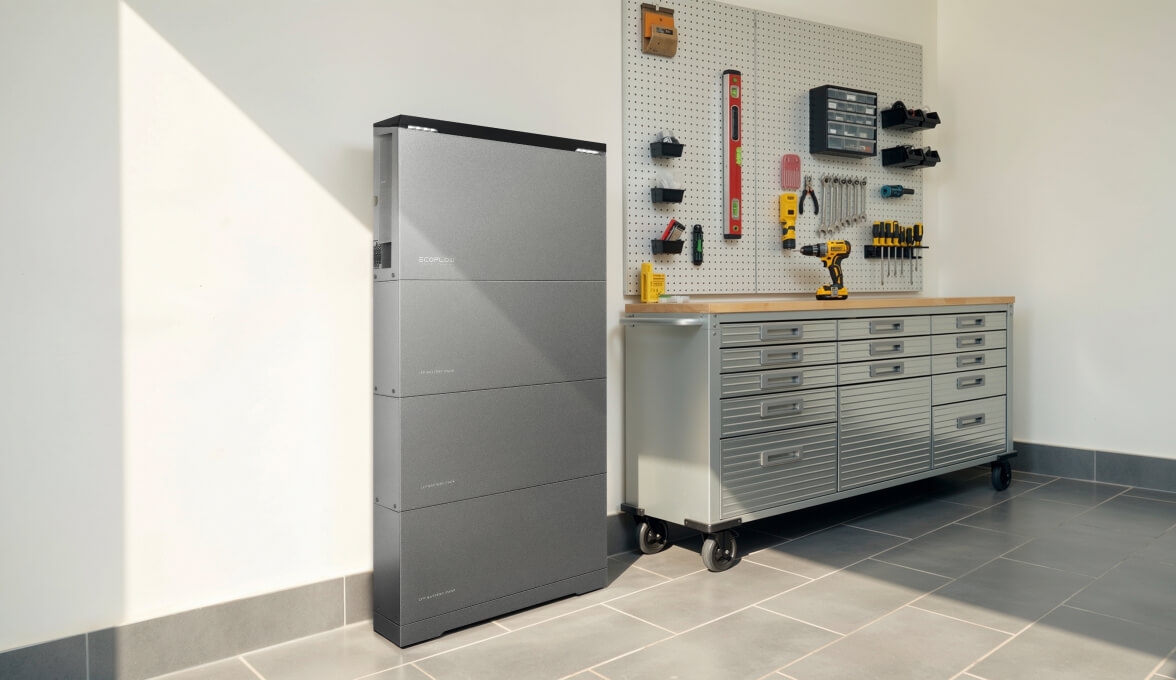
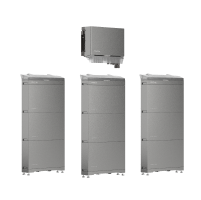
The EcoFlow OCEAN 2 Plus Single-Phase is a hybrid inverter and modular Lithium Ferrite (LFP) battery pack that begins at 5 kWh and is expandable up to 60 kWh, which is the typical storage requirement for most UK single-phase homes.
Key Features:
Up to 24kW solar PV input capacity
Modular and scalable storage expandable up to 300kWh
Whole-home backup with seamless 0ms switchover during power outages
Supports high-power appliances including EV chargers, heat pumps, and washing machines
Triple independent MPPT design for higher solar efficiency on complex roofs
Future-ready system for growing household energy demands

Real-Time PV Battery Monitoring and Performance Tracking
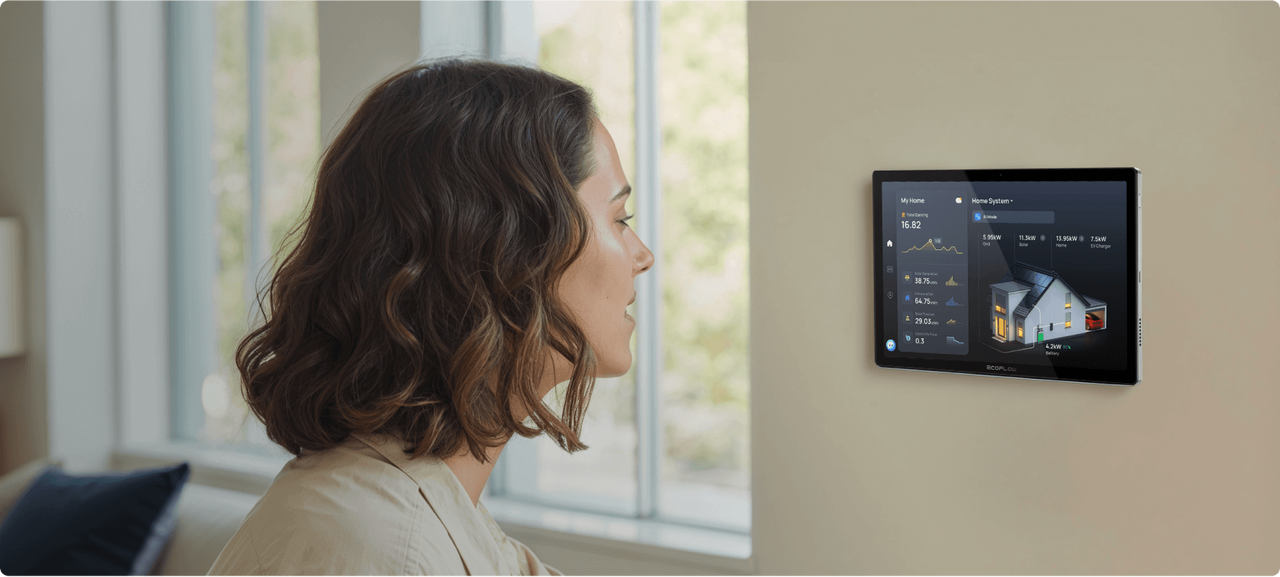
The 11-inch touchscreen display of the EcoFlow PowerInsight 2 Monitor displays energy flows live — from solar generation, battery charge, to home energy consumption and grid movement. It will work with Matter 1.4 to connect with smart home devices in the UK, such as Tado and Google Nest, and has an inbuilt battery with 9,300 mAh to ensure continuity even during short-term power failures.
Key Features:
11-inch high-resolution touchscreen for real-time home energy visualisation
Centralised smart home energy dashboard for complete system monitoring
Real-time tracking of solar generation, battery status, and home energy consumption
AI voice assistant with hands-free energy insights and smart control
Matter 1.4 support for seamless smart home integration
Maximise Energy Efficiency From Your PV Battery Setup
Configure the battery to use solar energy first and then come next to the battery: import in the evening.
Make sure to top up during the lowest tariff period of the night (usually midnight to 6AM for Octopus tariffs).
Use high energy appliances in the middle of the day when sunlight production is at its highest, such as dishwasher and washing machine.
Try not to discharge below 20% regularly to help prolong cell life over the long run.
Installation, Warranty and Technical Support for PV Batteries
Installation must be done by an electrician who is MCS certified. Retrofits are generally simple and take 1 to 2 days. Don't read into the headline product warranty: A throughput guarantee (total kWh the battery will cycle) is more indicative of actual product life. Now the best manufacturers are providing a 15 year warranties. Confirm if a technical support is available within the United Kingdom before buying.
Grants and How Much You Actually Save
ECO4 and the Smart Export Guarantee
ECO4 aims to provide insulation and heating to those in eligible households – standalone battery storage is not a standard qualifying measure, but could be included within a larger package in some cases. The SEG scheme pays for each unit exported and with the addition of the battery, this does not stop you being entitled to export any units, it just means you export fewer.
Payback period and long-term savings
The payback time for a PV battery in the UK today is between 8 and 12 years, with houses that are using EVs or heat pumps, tending to the earlier end of this. Once the payback, savings go on throughout the life of the system which is usually more than 15 years for quality LFP.
Conclusion
In 2026, one of the most cost-effective investments a UK household can make is to install a PV panel battery. If this happens, make sure you match the size to the actual evening demand; ensure that LFP chemistry is used; select a modular system; and regularly check the performance. Shop for home solar battery storage for UK homes at EcoFlow Home Battery, or get a free quote for a storage system that fits your needs.
Schedule Your Free Consultation Today!
What kind of product or solution are you interested in?

FAQs
What is the best solar battery tariff in the UK?
For PV panel battery storage, the best fits are Time-of-use tariffs (Octopus Agile and Octopus Go). They allow for low-cost charging at night and high cost discharging during the peak hours. For example, some tariffs also have near-zero pricing during times of high renewable energy generation that the smart battery automatically takes advantage of.
How do off-peak battery charging tariffs work?
Off-peak tariffs are lower rates for electricity that are charged at certain hours of the night, normally from midnight to 6 AM. Your battery can be charged during that period of time and then discharged during higher rates of power, daytime generation from the sun further reducing the dependency on the grid during the day.
Do I need a smart meter for solar battery tarrifs?
Yes. For most time-of-use tariffs, there is a need for half hourly reading with a SMETS2 smart meter. For accurate payments for export energy generated by SEG, smart meters are required. Your energy supplier can do free installation, normally within a couple of weeks.
How does home battery storage improve tariff savings?
This is because the battery stores electricity during the day when it's cheapest (from the sun or the grid) and dispenses it when electricity is most costly (particularly at night). Sticking to the off-peak price and making regular purchases, could save tens of pounds a year.
What size home battery system works best with solar panels?
An 8- to 12-kWh is a reasonable size for a 3 to 4 bedroom house in the UK. The smaller houses can use 5 kWh. For properties that have an EV or heat pump, the benefits will be 15 kWh or more. Accurately size with half-hourly smart meter data.

