
Power Surges Explained: Causes, Risks, and Prevention
Whether you’re settling down for a cuppa or working from your home office, a sudden “pop” followed by that burnt electronics smell is the last thing you want. Power surges happen more often than you think in UK homes, but most people don’t really get what’s going on. So here’s the deal. We’ll look at what causes these voltage spikes, how they quietly damage sensitive electronics, and why a smart battery system can be the best protection for your home.
What Causes a Power Surge in Your Home?
Understanding the “why” is the first step to protecting your home. The UK grid is generally reliable, but it won’t hurt to explore the pros and cons of available off-grid power solutions. A few factors can still cause sudden spikes.
Lightning Strikes Near Power Lines
We don’t get tropical storms, but those unpredictable spring showers often bring lightning. A strike on or near local power lines can send millions of volts through the grid – bypassing standard fuses and heading straight for your telly or laptop.
High-Power Appliances Switching On and Off
Ever notice the lights flicker when the kettle boils or the fridge compressor kicks in? Those are internal surges. High-draw appliances suddenly demand a lot of current, creating small but frequent ripples in your home’s electrical stability.
Faulty Wiring Inside Your Walls
Many Victorian or Edwardian conversions across the UK still hide ageing electrics. Frayed wires or loose connections create resistance and heat, leading to inconsistent power flow and dangerous surges. Upgrading your electrical infrastructure is often the first step toward a more resilient home energy management system. Left alone, they can eventually start a fire.
Utility Company Grid Switching and Maintenance
Sometimes the surge comes from your provider. If you happen to know what an electricity grid is and how it works, when the utility company shifts large loads across the grid or carries out maintenance, it can send brief, intense fluctuations straight to your doorstep.
Downed Trees Affecting Local Power Infrastructure
During the windy months, a stray branch hitting a transformer or a power line can easily short the system. That physical damage often triggers an immediate voltage spike – right before the power cuts out completely.

How Do Power Surges Damage Home Electronics?
It’s not always a dramatic “bang.” Often, power surges do their damage quietly over time, shortening the lifespan of the tech we rely on every day.
Overheat Delicate Microchips in Smart Electronics
Modern gadgets like your phone, tablet, and smart hub all run on tiny microprocessors. Even a small surge kicks out heat. Enough to melt those microscopic components and kill the device on the spot.
Degrade Internal Insulation of Major Appliances
Big appliances like dishwashers and washing machines rely on internal insulation. Repeated mini-surges act like electrical friction, wearing down that protection until something shorts out deep inside the machine.
Lead To Instant and Permanent Circuit Failure
A massive surge, such as one from a lightning strike, simply overpowers the circuits. It forced more energy through the system than it was designed to handle, leading to charred motherboards and permanent failure.
Cause Gradual Wear on Motorised Cooling Units
Devices with motors, like your wine cooler or air conditioning unit, are particularly sensitive. Surges disrupt the smooth rotation of the motor, causing it to run hotter and fail much sooner than the manufacturer intended.
Corrupt Digital Data Stored on Local Drives
If a surge hits while your computer is writing data to a hard drive, it can lead to file corruption. You might not just lose the hardware; you could lose years of family photos or essential work documents.
Key Warning Signs of Power Surge Risks
Your home often tries to tell you something is wrong before a major failure occurs. Keeping an eye—and a nose—out for these signs can save you thousands of pounds.
| Warning Sign | Potential Cause | Risk Level |
|---|---|---|
| Flickering Lights | Heavy appliance load or loose wiring | Moderate |
| Burning Odours | Overheating wires or melting plastic | Critical |
| Frequent Breaker Trips | Circuit overload or ground fault | High |
| Warm Electrical Panel | Excessive current flow or poor connection | High |
| Charred Plug Prongs | Arcing or localised power spikes | Critical |
Flickering or dimming lights: Your lights dip every time the heat pump kicks in? That means your circuits are struggling. This kind of instability often signals bigger surge problems on the way.
Burning smells near wall outlets: Don’t ignore the smell of ozone or burning plastic. It usually means a surge has already done damage, and your wiring is overheating. That’s an immediate fire risk.
Frequent breaker trips: Your consumer unit is there to protect you. But if it trips often, your home is probably seeing regular electrical spikes. That needs a professional look.
Warm or buzzing electrical panels: Your electrical panel should never feel warm. If it does or if you hear a faint buzz, your system is under serious stress from power fluctuations.
Discoloured or charred plug prongs: Check your plugs. See black soot or browning on the metal prongs? That’s a dangerous form of localised power surging.
.png)
Can Smart Energy Storage Protect Your Home?
In the modern British home, we need more than just a simple plug-in strip. Integrated smart storage systems are changing the game by providing a sophisticated layer of defence.
Buffering Grid Instability with Active Battery Storage
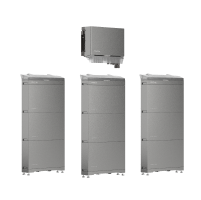
British springtime weather is notoriously fickle; one minute it’s sunshine, the next it’s a thundery downpour. These rapid changes often lead to grid instability and instantaneous surges. For UK homes with older circuitry, the EcoFlow PowerOcean acts as a high-tech “shock absorber” for your electricity. Equipped with top-tier LFP (Lithium Iron Phosphate) cells and cell-level fire protection, it actively absorbs and levels out voltage spikes from the grid. This means while your neighbour’s appliances might be suffering from induced surges during a storm, your expensive heat pump and kitchen tech are running on a clean, stable current provided by the PowerOcean. Plus, its IP65 rating handles damp British weather with ease, and a 15-year warranty makes it a rock-solid long-term asset for any homeowner.
Monitoring Energy Flow via Smart Energy Displays
With the UK energy market becoming increasingly digital, “blind” energy use is a risk to both your wallet and your hardware. The EcoFlow PowerInsight 2 serves as your home’s “mission control.” Its 11-inch HD screen provides a real-time visual of how your solar panels and the grid are interacting. By integrating with dynamic tariffs like Octopus Energy, you can see exactly when the grid is under high load or experiencing volatility. You can then choose to discharge your battery during these peak times, effectively “isolating” your home from a stressed grid. This transparency allows you to identify unusual energy spikes instantly, and with the ability to manage all your Matter-protocol devices from one hub, you gain total control over your home’s safety and costs.
Switching to Backup Power During Voltage Instability
When the grid becomes too volatile, a smart system can automatically disconnect your home and switch to internal battery power. This “island mode” ensures your sensitive electronics never even “see” the surge.
Isolating Sensitive Devices from External Electrical Spikes
By running your home through a home battery storage system, you create a physical and electronic barrier. The battery takes the “hit” from the grid, while your home’s internal devices receive a perfectly regulated sine wave of power.
Controlling Energy Loads via Integrated Mobile Applications
Modern apps allow you to toggle heavy-load appliances remotely. If you’re at the pub and see a storm rolling in via your weather app, you can use your phone to shut down non-essential circuits, further reducing the risk of a surge event.
How to Prevent and Mitigate Power Surges
Prevention always costs less than a cure, especially when that “cure” means replacing a £1,500 OLED TV. Protecting your home takes a few layers of defence.
Install Whole-House Surge Protective Devices (SPDs)
Under the 18th Edition Wiring Regulations, SPDs are now a standard recommendation for UK consumer units. Fit one directly into your fuse box, and it acts as your gatekeeper – diverting big external voltage spikes safely to earth before they ever reach your sockets.
Unplug Sensitive Electronics During Severe Storms
Old-school move, but it works 100%. Even with a high-quality surge protector installed, a direct lightning strike is so powerful that only physical disconnection offers 100% protection. A surge might arc across a power switch, but it can’t jump the physical gap of an unplugged lead. Does the Met Office issue a thunder warning? Take five minutes to pull the plugs on your router, PC, and consoles.
Upgrade Old And Outdated Wiring
Many UK homes still run on ageing circuits that weren’t designed for today’s tech loads. Got an old wooden-backed fuse box? Your wiring probably lacks proper grounding for surge protection. A professional rewire makes sure your infrastructure can actually handle and shed excess energy.
Use Good-Quality Strips for Home Offices
Skip the cheap supermarket extensions – they’re just power strips with zero defence. Go for dedicated surge-protected leads with a high joule rating (1,000+ joules). These use Metal Oxide Varistors (MOVs) to absorb spikes. One thing to remember: if the “Protected” LED goes out, that strip has sacrificed itself. Time to replace it.
Schedule Your Free Consultation Today!
What kind of product or solution are you interested in?

Conclusion
Power surges are an unavoidable part of living on today’s electrical grid. But that doesn’t mean they have to ruin your expensive kit. Learn what triggers them and invest in smart technology like the EcoFlow PowerOcean and PowerInsight 2. You’ll keep your home safe for your electronics. Monitor your usage, stay ahead of problems, and fit your home with the shock absorber it deserves.
FAQ
1. Does Insurance Cover Power Surges?
Yes, most standard UK home insurance policies cover power surge damage, but you must prove the damage was caused by a specific event, like a lightning strike. Always check your “accidental damage” clause to be sure.
2. How Do I Know If My Surge Protector Needs Replacing?
Most surge protectors have an “active” or “protected” LED light; if this light is off or flickering, the internal components have likely worn out, and the device is no longer protecting your kit.
3. Do Power Surges Happen When Power Goes Out?
Yes, surges are actually most common the moment the power is restored, as a massive “rush” of electricity flows back into the lines all at once.
4. What Does Power Surge Damage Look Like?
You might see blackened marks around a socket, a “fried” smell coming from a device, or a screen that simply refuses to turn on despite being plugged in.

