
Do You Need Planning Permission for Solar Panels in the UK?
Do you need planning permission for solar panels before you get quotes or purchase equipment? For many installations, domestic rooftop solar can be installed without needing to apply for a full planning application. But, this depends on the property, the installation design, the planning rules that apply where you live and the local area.
Depending on the type of system, roof-mounted or ground-mounted, planning requirements may vary. They can also be varied when the property is a listed building, located within a conservation area, part of a protected area, a flat, or when there are existing arrangements, or when an installation is not compliant with permitted development conditions.
This guide explains when solar panels can be installed without planning permission, when they may require planning permission, and how to find out before starting a project. It also explores the potential of solar storage and smart energy management technologies to optimise the use of the electricity produced by the solar system.
When Can Solar Panels Be Installed Without Planning Permission?
So, do you need planning permission for solar panels? Sometimes the answer will be no. Rooftop PV systems are likely to be covered under permitted development, and a full planning application may not be necessary.
But, it does not come with permitted development. However, the appropriate conditions for the property and location must still be met, and planning regulations vary across England, Scotland, Wales and Northern Ireland.
Understanding permitted development rights
Certain home improvement works can take place without a full planning application, but only if they fall within the limits and conditions associated with the permitted development rights. This can, in many instances, involve photovoltaic panels on a home's roof.
As it is when asking, planning permission for solar panels in the UK should be viewed as a starting point, not a promise. Whether the rights apply may depend on the type of property, the design of the installation, local designations, and existing planning restrictions.
Typical residential rooftop installations
When installing solar panels on a home's roof, standard residential panels are more likely to be classified as permitted development if they are intended to be placed near the roofline and do not have a significant visual impact.
It is most relevant to simple house installations. Extra checks may be needed for flats, leasehold properties, shared buildings and homes with unusual roof structures, even if the planned solar system is similar to a typical domestic system.
Conditions homeowners must meet
Although planning permission is not required in some cases, homeowners must still ensure that the proposed solar panels comply with the conditions attached to permitted development rights. These typically involve the placement of the equipment, its impact on the building and the surrounding environment, and the ability to remove it when it is no longer needed.
Also, it is advisable to be aware that planning permission does not include building regulations, electrical safety, landlord consent and mandatory lease and management company restrictions. If these points are checked early, it can save delays after the selection of a solar system.
Situations Where Planning Permission May Be Required
While many standard rooftop systems could be considered permitted development, there are some situations in which the householder should assume that further planning control considerations and/or formal consent may be required. These typically concern the nature of the property, the location of the installation, the site's visibility or conditions already existing on the site.
The best way to do this is to verify the planning position before selecting equipment and entering into an installation contract. This is especially critical for protected areas, non-standard solar designs and heritage properties.
Listed buildings
With listed buildings, it is not just about whether panels can be added, but about how they can affect the building's historic character and fabric. If a house is listed, there are additional considerations for homeowners, including whether you need planning permission for solar panels in the UK.
Factors to consider include the proposed panel position, visibility, fixings, and the impact on significant roof features. It is possible to find a more appropriate solution by speaking with the local planning authority and an installer experienced with heritage properties.
Conservation areas
While the fact that a building is in a conservation area does not necessarily preclude a solar installation, additional issues may arise, depending on the building, type of roof, positioning of the solar panels and their proximity to public roads and other heritage sites.
If you're wondering, do you need planning permission for solar panels in Wales? Homeowners should find out whether the property is located in a conservation area and whether the project could affect the area's appearance or character. Additional requirements for visible elevations, flat roofs, or ground mounted equipment may be found in local guidance.
World Heritage Sites and protected locations
World Heritage properties can be subject to tighter scrutiny if they are located in World Heritage Sites, national parks, protected landscapes, scheduled monument sites or other protected areas. For a solar panel on the roof proposal, it may be necessary to show how the placement will have the least impact and not compromise the area's significance.
A standard permitted-development assumption might not be sufficient in these locations. Where the property is prominent or has heritage features, homeowners should consult the relevant local planning authority before designing the system.
Properties with additional planning restrictions
World Heritage properties can be subject to tighter scrutiny if they are located in World Heritage Sites, national parks, protected landscapes, scheduled monument sites or other protected areas. For a solar panel on the roof proposal, it may be necessary to demonstrate that the placement will have minimal impact and not compromise the area's significance.
A standard permitted-development assumption might not be sufficient in these locations. Where the property is prominent or has heritage features, homeowners should consult the relevant local planning authority before designing the system.
Factors That Affect Solar Panel Planning Requirements
Planning requirements are not determined through just one factor. However, the planning path for the same solar technology can vary depending on whether it is roof-mounted or ground-mounted, the property's location, the visibility of the installation, and whether there are already any limitations on the property.
Homeowners should inquire of the installer about how these details will impact the proposed system before designing the system. This can help avoid problems when planning before ordering equipment or booking installation dates.
Roof-mounted vs ground-mounted installations
When evaluating roof mounted systems, the task may be easier because the system is attached to an existing building. However, the type of roof, the projection of the panels, visual impact, and the location of the property can still have an affect on whether or not permitted development rights apply.
Whether or not you need planning permission for ground mounted solar panels may be more complicated. Standalone arrays can be problematic, as they affect garden space, boundaries, heights, views, and the overall character of the site.
Property location and surrounding environment
The answer to do you need planning permission for solar panels in the UK can vary greatly, depending on the property's location. Additional planning checks may apply to houses in conservation areas, near conservation assets, or with other special local designations.
The surrounding environment also counts. A system that is not exposed on a prominent elevation, open lot or highly visible garden area may be perceived differently from one that is exposed on a rear roof slope.
System size and visibility considerations
The scale and location of solar panels on the roof can affect whether a solar installation qualifies for permitted development. Planning officers can take into account the proximity of panels to the roofline, whether panels overhang important roof lines and the visibility of panels from adjoining public areas.
Installers will have to adjust panel placement, reduce visual impact, or provide additional design information for larger systems or more prominent installations. Ground-mounted arrays can also be more noticeable when their height, size, or location alters the property's appearance.
Existing planning restrictions
The assumptions that can be made from a typical domestic solar project can be overruled by existing restrictions. The need for solar panel planning permission or other consent may be influenced by Article 4 directions, the site's previous planning history, listed buildings, leasehold agreements, and management company rules.
Property documents should be checked and any restrictions confirmed before taking any further action. This is especially significant if the property has been modified in the past or is part of a development subject to specific design regulations.
How to Check Planning Requirements Before Installation
The safest way to prevent delays is to investigate the planning position before selecting equipment, making a deposit or booking a date for installation. Especially if the property is listed, located in a designated area, leasehold, or if a more visible or ground mounted system is likely to be required.
A check should take into account planning permission, building regulations, landlord/freeholder permission, and local restrictions on the property.
Using Planning Portal resources
If you're looking for information on planning permission for solar panels, you should always begin with the official guidance that's provided by the Government for the country and the local authority of where the property is. These allow homeowners to learn more about the permitted development rules, common limits, and circumstances in which a formal application may be required.
When submitting a simple proposal, have basic information ready before consulting guidance, such as the property address, roof type, location of the proposed panels, approximate system size, and whether it is roof- or ground-mounted.
Contacting local planning authorities
Where the rules are unclear, the local planning authority can provide location-specific guidance. This is particularly useful for people who think, do you need planning permission for solar panels in the UK? and may have conservation status, planning conditions or other designations that may affect the answer.
Before contacting the authority, collect a simple site plan, photographs of the property, and an outline of the proposed installation. Clear information makes it easier for planning officers to understand the project and identify whether further approval is likely to be needed.
Working with solar installers
A professional installer will be able to identify any planning issues early on by reviewing the roof layout, potential panel positioning, visibility, and any practical constraints on the property. This support can be especially helpful for solar panel roof installations where the design isn't standard or the home is an older structure.
But, where there is any doubt, it should not be assumed that an installer's advice will replace confirmation from the appropriate planning authority. It is a good idea for the homeowner to find out from the installer what assumptions have been made regarding permitted development and if there are any permitting requirements before the installation begins.
Obtaining approvals where necessary
The application should be accompanied by clear project information and, where necessary, formally approved. This can encompass a site plan, elevations, panel details, photographs, a design statement, and an explanation of how the proposal will minimise visual impact.
When it comes to solar panels in the UK, planning permission, it is best to wait for the outcome before making any equipment purchases or setting installation dates. This helps minimise the potential for the authority to ask for changes to the proposed layout, which would otherwise result in redesign costs, delays or complications.
Getting More Value from Your Solar Installation
The first steps involve getting the necessary approvals and selecting an appropriate solar design, but this is not the end of the planning process. However, once panels are in place, the value they offer depends on how well solar electricity generation aligns with the house's electricity demand.
Many homes generate the most solar power at midday, when demand may be lower. Use can then be increased in the morning and the evening when the solar output has been diminished. Homeowners can plan for this difference by accounting for storage and energy management when designing their solar installations, rather than treating solar panels as a separate project.
This is the primary reason that a well-planned system could go beyond generation. Energy visibility, coupled with appropriate storage and solar panels, can help to better utilise all available electricity, adjust to changing demands, and make informed decisions about future improvements.
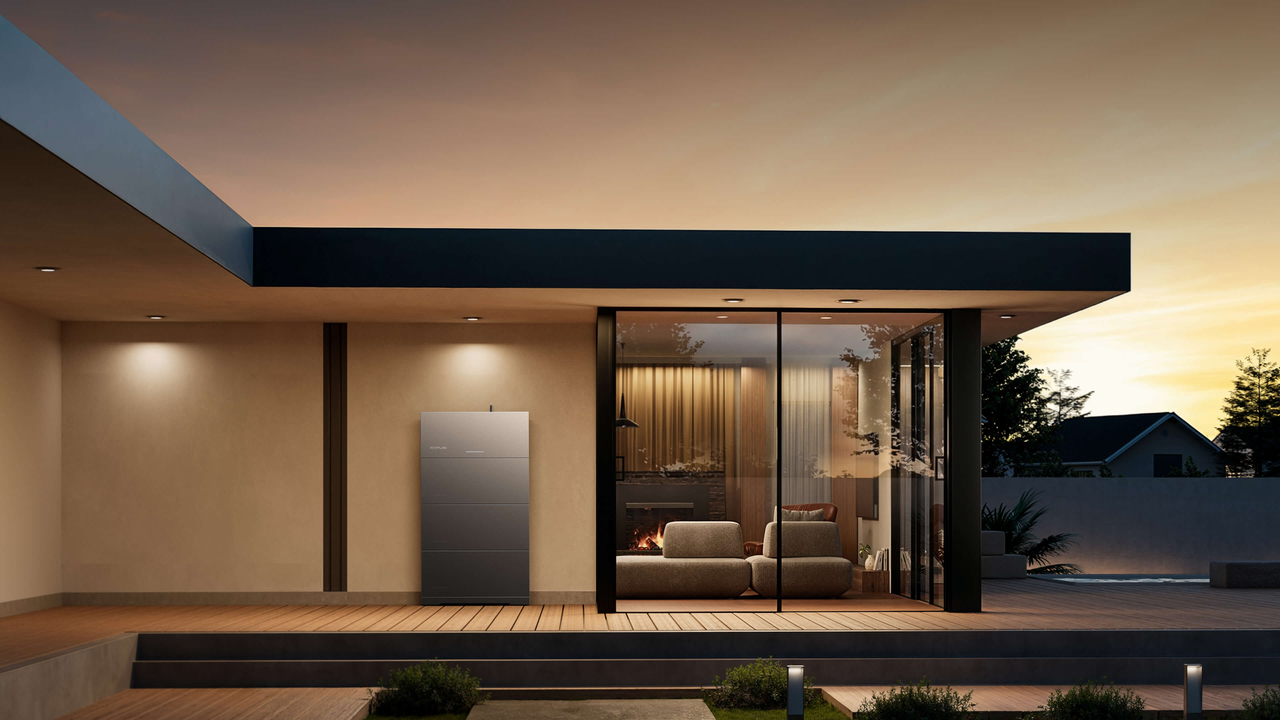
Store Solar Energy with OCEAN 2 Single-Phase
When homeowners are considering whether they need planning permission for solar panels, it is helpful to think about the bigger picture to ensure the energy system is properly installed. Residential battery storage can store some of the solar electricity produced by a home and release it later at night when the home requires it.
EcoFlow OCEAN 2 Single-Phase is designed as a residential solar storage system, providing greater flexibility for households that want to use their solar electricity. When combined with a home's generation profile, daily energy use, and future energy needs, it can enable a more thoughtful approach to the storage and utilisation of its solar energy.
If storage is discussed early, installers will also be able to take into consideration equipment space, electrical design and future expansion requirements. This allows homeowners to consider current needs and how their electricity consumption might shift over time when installing solar panels.
Optimise Solar Usage with EcoFlow Intelligent HEMS
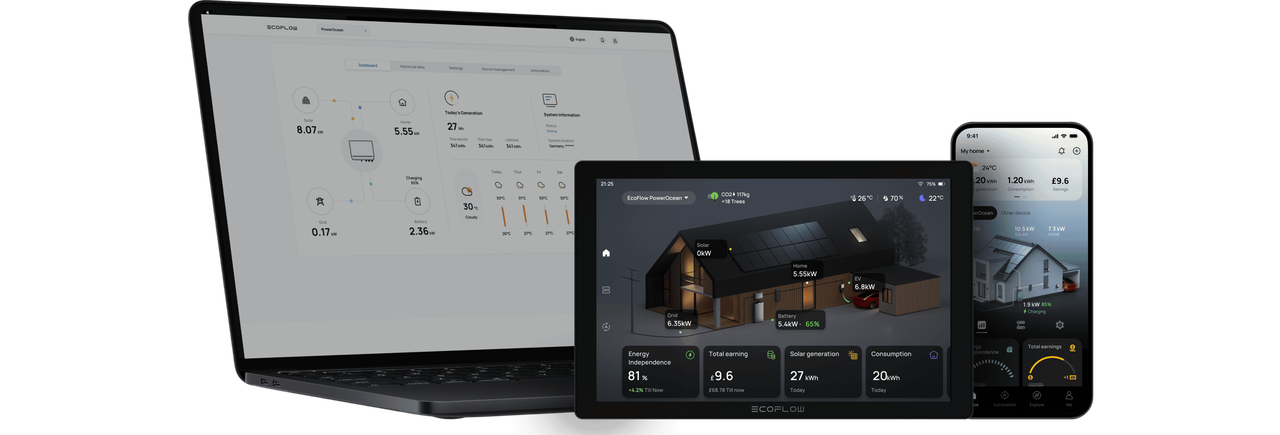
After installing solar panels on the roof, it's vital to understand the timing of electricity production and usage. Homeowners can see when solar power is available, how their energy usage varies over the course of the day, and whether their stored solar electricity is being utilised.
EcoFlow Intelligent HEMS enables whole-home energy management by monitoring, scheduling, and coordinating energy devices. It can help homeowners better understand energy use by providing a unified view of solar generation, home energy use, and battery activity.
In households that have energy management in their long-term plans, it can serve as a coordinating layer among generation, storage, and demand. While it cannot replace the need for an appropriate solar design, it can help to transform a completed solar project into a more integrated and flexible residential energy system.
Schedule Your Free Consultation Today!
What kind of product or solution are you interested in?

Conclusion
Do you need planning permission for solar panels? The answer is that it depends on the property, the type of installation, the location, and any other restrictions in place. While listed buildings and conservation areas will have their own regulations, many standard rooftop designs are permitted development; however, ground mounted and non-standard designs may require more in-depth investigation before installation.
After the planning position is determined, homeowners can also evaluate how the system will meet long-term energy needs. EcoFlow OCEAN 2 Single-Phase can serve as the solar storage solution for excess solar power, and EcoFlow Intelligent HEMS can help monitor and manage solar, storage, and household electricity needs within a more integrated home energy ecosystem.
By selecting a suitable design and planning beyond just installing panels, homeowners can mitigate the risk of delays and make the most of their solar investment in the long term.
FAQs
How long does it take to obtain planning permission for solar panels?
How long planning permission for solar panels takes to be approved varies by local council, property type, and application complexity. Simple home uses are often determined in a few weeks following validation.
Listed buildings, conservation areas and ground mounted projects may take longer. You need to confirm installation dates with the relevant local planning authority regarding the expected timescale.
Can neighbours object to a solar panel installation?
Where a formal planning permission application for solar panels is made, neighbours can comment. An objection does not, however, preclude approval.
Planning officers take into account such factors as visual impact, heritage issues and local character. It's not usually enough to prevent an appropriate proposal from being made based on personal taste alone.
Can planning permission be refused for solar panels?
Where the design might impact a protected site, listed building, or neighbouring property, the question of whether you need planning permission for solar panels becomes important.
If the panel placement is unsuitable, the visual impact is inappropriate, there are heritage concerns, or supporting information is missing, the proposal can be refused. A revised application may be improved in some cases by changing the layout or by providing more detail.
What documents are typically required for a solar planning application?
The documents for planning permission for solar panels UK depend on the council and project type. Most applications require sufficient detail to illustrate where and how large the proposed system will be and what it will look like.
Typical documents include:
A location plan and site plan.
Roof drawings or elevations showing panel placement.
Panel specifications, photographs, and design information.
Listed buildings and sensitive locations may need additional heritage or visual-impact information. Check the local authority’s validation list before submitting the application.
How can home energy management systems improve solar self-consumption?
After solar panels for roofing are installed, electricity production and household needs might not align. Energy management can help homeowners better understand when solar energy is available and when it is being utilised.
EcoFlow Intelligent HEMS can assist in coordinating:
Solar generation and household demand.
Battery activity and stored energy use.
Scheduling across connected energy devices.
This greater transparency can facilitate households' increased consumption of their own solar power. It also aids in making better decisions on storage and future energy upgrades.
Should planning permission be approved before purchasing a solar system?
If planning permission is required, it is advisable to confirm do you need planning permission for ground mounted solar panels prior to any non-refundable purchases or booking of any installation work.
This minimises redesign costs if the authority requires changes. If there are any questions, ask the local planning authority before finalising the system design.

