
Pensioner Energy Saving Advice: Practical Ways to Reduce Energy Costs at Home
For UK pensioners, the most effective way to cut energy costs is a mix of simple, low‑cost measures – like draught‑proofing and turning down boiler flow temperatures – alongside making the most of government support like Pension Credit, the Warm Home Discount, and ECO4 grants. Pair those everyday habits with smarter energy management or solar battery storage, and you can create a more reliable way to manage future energy costs.
This guide runs through some practical steps older households can take – from cutting wasted energy and accessing government support, to making sensible home upgrades that help guard against future price rises.
Key Takeaways
Simple home improvements and everyday energy habits can help pensioners cut back on waste without losing comfort.
Better heating controls and insulation help keep the warmth in, while keeping running costs sensible.
UK energy support schemes offer vital financial help, bill discounts, and grant funding for older households that qualify.
Getting a clear picture of your energy use helps retirees make smarter decisions about daily consumption and longer‑term upgrades.
What Practical Changes Can Pensioners Make to Save Energy at Home?
Older UK homes – especially semi‑detached places and Victorian terraces – tend to lose a lot of heat through small gaps and less‑than‑ideal heating setups. By making a few low‑cost tweaks around the house, retirees can block out draughts and keep things warm and cosy without pushing heating bills through the roof.
Reduce Heat Loss With Simple Home Improvements
A cold draught can make a room feel freezing even when the heating’s cranking. Pop some self‑adhesive strips around your door frames and fit a brush to the letterbox – it stops warm air escaping. Heavy curtains with thermal lining over windows and external doors help keep the cold out at night. And if you’ve got bare floorboards, throw down a few thick wool rugs – they make a real difference underfoot.
Adjust Heating Controls for Better Energy Efficiency
A lot of central heating systems aren’t running as efficiently as they could – often just because they’re still on their factory settings. According to the Energy Saving Trust, turning down your thermostat by 1°C could help reduce heating costs by up to around 10%, and you won’t really notice the difference in temperature. If you’ve got a modern condensing combi boiler, turning the radiator flow down from 70°C to 60°C helps it operate more efficiently in condensing mode, so it recovers heat that would otherwise go straight up the flue.
The following settings are general guidance for improving heating efficiency. Actual temperatures may vary depending on your home insulation, heating system, and personal comfort needs.
| Heating Control | Recommended Setting | Typical Practical Benefit |
|---|---|---|
| Main Thermostat | 18°C – 21°C | Helps maintain comfortable room temperatures while managing heating costs |
| Combi Boiler Flow Temp | 60°C | Can help modern condensing boilers operate more efficiently |
| Thermostatic Radiator Valves (TRVs) | Level 2–3 in less-used rooms | Helps avoid unnecessary heating in spare bedrooms or less-used areas |
| Heating Timer / Programmer | Schedule heating shortly before rooms are needed | Helps make rooms warm when needed without running heating unnecessarily overnight |
Reduce Electricity Waste From Everyday Appliances
If you are wondering why your electric bill is so high, everyday appliances running longer than expected could be one reason. Small habits in the kitchen and living room can add up to proper savings over the year. Only boil what you need in the kettle – filling it to the top for one cuppa wastes more power than you’d think. Unplug tellies, set-top boxes, and digital radios instead of leaving them on standby – that stops them quietly sipping power all day. And washing at 30°C and drying on an airer near a window saves you the high running cost of a tumble dryer
How Can Pensioners Manage Energy Costs More Effectively?
Pensioners can better manage energy costs by understanding their bills, comparing tariffs, and exploring government support schemes to reduce household expenses.
Understand Energy Bills and Household Usage
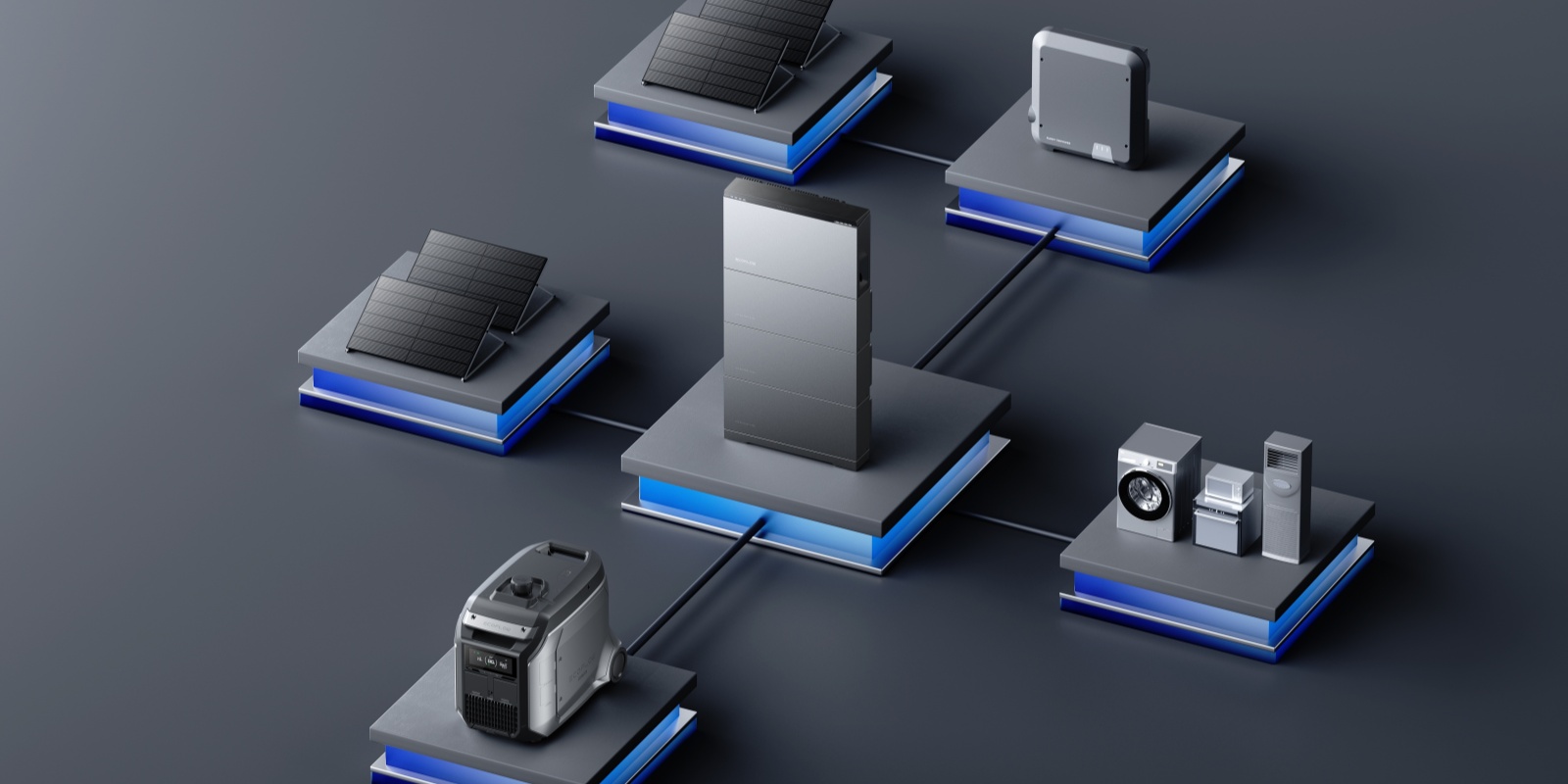
A proper look at your energy bills helps you work out whether your costs are coming from high standing charges or heavy usage. Gas and electricity bills show consumption in kilowatt-hours, which gives you a handy benchmark to compare your usage year on year. Sending in regular manual readings – or getting a free smart meter fitted – makes sure your bills are based on what you’ve actually used, not an estimate that could be way off. Once you have a clearer picture of your energy patterns, managing generation, storage, and daily consumption through a more integrated Home Energy Ecosystem can make household energy decisions easier and more efficient.
Check Available UK Energy Support Schemes
The government and local councils offer a range of financial help aimed at protecting older residents from fuel poverty over winter. A lot of eligible households miss out simply because they don’t think they’ll qualify.
| Scheme Name | Primary Focus | Key Benefit / Description |
|---|---|---|
| Pension Credit | Income Support | May provide access to additional support, depending on eligibility and circumstances |
| Winter Fuel Payment | Seasonal Heating Support | Seasonal payment designed to help eligible households with winter energy costs |
| Warm Home Discount | Direct Electricity Rebate | One-off winter discount applied directly to electricity bills |
| Cold Weather Payment | Extreme Weather Allowance | Triggered during extended periods of freezing local weather |
| ECO4 / Great British Insulation Scheme | Structural Upgrades | Free or subsidised insulation improvements for eligible households |
Get Free Energy Advice Before Making Home Improvements
Before you start spending on upgrades, get some free, no‑nonsense advice from trusted organisations. Citizens Advice, Simple Energy Advice, or your local council’s energy team can point you in the right direction – whether it’s insulation standards, local grants, or finding a decent contractor. Getting proper advice first means your money’s actually going to save you something on your bills.
Need Extra Help Applying?
If you find applying online tricky or aren’t sure which schemes you qualify for, you don’t have to navigate it alone. You can speak directly to a friendly advisor by calling these free national helplines:
Age UK Advice Line: Call 0800 678 1602 for free advice on Pension Credit, benefits checks, and local winter support.
Citizens Advice Consumer Helpline: Call 0808 223 1133 for independent guidance on energy bills, tariffs, and grant eligibility.
What Long-Term Energy Improvements Can Help Pensioners Save Money?
Long-term energy upgrades, such as better insulation and modern heating technology, can help pensioners reduce bills, improve efficiency, and protect against future price rises.
Prioritise Energy Improvements Based on Cost and Impact
A “fabric‑first” approach is the most cost‑effective way to sequence your home upgrades. Sort out the insulation first – keep the heat in – before you start looking at the new heating kit. That way you’re not paying for a system that’s bigger than you actually need. Topping up your loft insulation to the recommended 270mm and filling cavity walls are two of the quickest payback upgrades you can make. Once you’ve got the fabric sorted, then you can look at swapping an old boiler for a modern heat pump to get the most out of it. For homeowners looking to make further improvements after insulation and heating upgrades, considering an EcoFlow Solar Battery can help store renewable energy and make better use of self-generated power throughout the day.
Use Solar Energy More Efficiently With Home Storage
A lot of older UK households have gone and got solar panels fitted, but they often run into the same problem. Generation peaks in the middle of the day when the sun’s out, but the real energy demand hits later on – evening time, when people are cooking, turning lights on, heating water, and running appliances. Without a way to store that daytime power, the surplus just goes back to the grid, and you end up buying expensive electricity later when you actually need it.
Home battery storage can help address this issue by storing excess solar energy during the day, allowing you to use it when your household demand is higher. For pensioners looking to cut long‑term living costs, a battery means less reliance on the grid and more control over what you pay. Systems like the EcoFlow OCEAN 2 Plus Single Phase let you store and use your own power smoothly, matching your solar generation to your daily routine.
Consider Smart Energy Monitoring to Understand Usage
Many pensioners notice their energy bills bouncing around from month to month, but it’s not always clear what’s driving the change. Longer use of appliances, shifts in daily routines, or just running the heating more can all quietly push costs up. Smart energy monitors take the guesswork out of it. They give you a clear picture of what your solar’s generating, what your battery’s storing, and what your home’s actually using at any given time.
Devices like the EcoFlow PowerInsight 2 bring all that information together in one simple display. With real‑time data on your usage patterns, they make it easier for retired homeowners to spot waste and tweak their routines without getting bogged down in technical jargon.
.png)
How Can Pensioners Build Sustainable Energy-Saving Habits?
By working a few sensible checks into your daily routine and adjusting how you run your home as the seasons change, retirees can maintain comfort while keeping energy costs under better control.
Build Simple Daily Energy-Saving Routines
Making small changes to your daily routine is one of the most practical ways to follow UK energy bills saving tips and reduce everyday energy waste without making major changes to how you live. Draw the curtains and pop draught excluders across external doors as it starts to get dark – that keeps the cold out. Turn lights off when you’re not in the room, and for smaller meals, use a microwave or air fryer instead of firing up the big oven. It all adds up and can help reduce daily power demand.
Monitor Bills and Usage Changes Over Time
Keeping a simple log of your energy statements each quarter helps you spot unusual shifts in usage nice and early. A sudden jump in your gas or electricity units might mean an appliance is playing up, a boiler part’s on its way out, or a window seal’s gone. Catching these things early means pensioners can sort out small faults before they turn into big bills.
Adapt Energy Habits for Different Seasons
Home energy care changes with the British seasons:
Autumn: Bleed radiators to clear trapped air pockets, check boiler pressure, and clear leaf debris from outdoor vents.
Winter: Keep heating set to a steady baseline temperature during severe frosts to prevent frozen pipes.
Spring: Lower heating schedules as daylight extends, inspect window seals for winter wear, and book routine annual boiler services.
Summer: Close blinds on south-facing windows during peak sunshine to keep rooms cool naturally without electric fans.
Schedule Your Free Consultation Today!
What kind of product or solution are you interested in?


Conclusion
Cutting your energy bills doesn’t mean sitting in the cold all winter. Get some draught‑proofing sorted, tweak your heating settings, and make sure you’re claiming what you’re entitled to – Pension Credit, ECO4, that sort of thing. It all adds up. And if you’re looking further ahead, a solar battery and some proper monitoring kit can help keep your bills in check for years to come.
So have a quick look at your heating today, check if you’re missing out on any support, and think about whether smarter energy tech could make your home warmer and cheaper to run down the line.
Disclaimer: Scheme eligibility, funding availability, and product details may change over time. Pension Credit, ECO4, and other UK energy grants are subject to personal circumstances and government criteria. We recommend speaking directly with official helplines (such as Age UK on 0800 678 1602 or Citizens Advice on 0808 223 1133) or visiting GOV.UK to confirm your eligibility before applying or making home upgrades.
FAQ
How much energy can pensioners save by making small home improvements?
Some households may save hundreds of pounds a year by combining draught-proofing, better heating controls, and other efficiency improvements, although savings vary depending on the property and energy use.
How can pensioners find a cheaper energy tariff?
Use Ofgem-accredited comparison sites to compare available tariffs and check whether a different deal could reduce your costs. You can also call your current provider and ask about fixed-rate deals or special support packages for vulnerable customers. Paying by direct debit and opting for paperless billing may also help reduce your overall energy costs.
Are solar batteries worth considering for pensioners?
If you’ve already got solar panels and spend a good amount of time at home, a battery could be worth considering. In many cases, it can store daytime solar generation for evening use, helping you rely less on grid electricity when household demand is higher. This can help reduce the amount of electricity you need to buy from the grid, depending on your usage patterns and energy plan.
What energy support is available for pensioners in the UK?
The main ones are Pension Credit, the Winter Fuel Payment, the Cold Weather Payment, the Warm Home Discount, and free insulation under the ECO4 scheme. Your local council or Citizens Advice can also help you find out if you’re eligible for regional hardship funds or a free home energy audit.

