
How an Off-Grid Solar System Protects You from UK Power Cuts
Power outages can happen without warning – whether from storms or grid strain. When they do, your heating, home office, and fridge are all affected at once. An off-grid-capable solar system acts as a dedicated backup. It detects a grid failure and restores power within milliseconds. This guide explains how an off-grid solar system protects you from UK power cuts, which household appliances to prioritise, and how to choose a setup that keeps your home powered during an outage.
How an Off-Grid Solar System Works During a UK Power Cut
It’s a common misunderstanding that solar panels will keep working during a blackout. Standard grid-tied systems are designed to shut down for safety. An off-grid or hybrid system, however, operates differently. Exploring the pros & cons of available off-grid power solutions reveals that the ability to maintain power during a grid failure is the most significant advantage of these advanced setups.
Disconnect Safely from the Local Grid
When the grid fails, your system performs what’s known as “islanding.” It physically and electronically detaches your home from the external wires. This is vital; it prevents your solar energy from leaking back into the street, which could otherwise pose a fatal risk to engineers working to fix the lines.
Switch Power Sources Within Ten Milliseconds
The best systems, such as the latest home battery solutions, feature an Automatic Transfer Switch (ATS). This detects a drop in grid voltage and takes over in under 20ms—often as fast as 10ms. That’s quicker than a blink, meaning your desktop PC or sensitive electronics won’t even reboot.
Use Stored Energy from Backup Batteries
Once disconnected, your home draws purely from your “energy bank.” This stored DC power is converted into the AC electricity your kettle and TV need. Incorporating a reliable home battery storage ensures that this transition is smooth and that you have enough capacity to last through the night. It’s silent, emission-free, and happens entirely behind the scenes.
Keep Solar Panels Generating During the Daytime
While your neighbours’ panels sit idle, an off-grid-capable inverter keeps yours active. As long as there is daylight, your panels will continue to power your home and, crucially, top up your batteries for the coming night.
Prevent Power Surges During Grid Failures
When the grid eventually “comes back up,” it often does so with a massive voltage spike that can fry delicate motherboards. Your system acts as a buffer, only reconnecting when the external power is stable and safe.

What Appliances Need Backup Power During UK Power Cuts
A blackout is about the subtle systems that keep a British home comfortable and functional. Integrating a home energy management system allows you to monitor these essential loads and ensure power is directed exactly where it is needed most.
Keep Fridge-Freezers Running Safely
A standard freezer will keep food safe for about 48 hours if left unopened, but a fridge loses its cool much faster. A backup system ensures your weekly shop doesn’t end up in the bin.
Protect Home Office Wi-Fi Connection
With more of us working from home, a “dropped connection” is more than a nuisance. Keeping your router and ONT (Optical Network Terminal) powered means your Zoom calls and cloud uploads stay live.
Maintain Power to Central Heating Pumps
Most UK boilers run on gas, but they require electricity to ignite and to run the pumps that circulate hot water to your radiators. Without a backup, your house starts cooling down the moment the power cuts.
Keep Electric Garage Doors Operational
There’s nothing worse than being “locked in” or out because your electric garage door or gate has lost power. A dedicated backup circuit ensures you can still get the car out during an emergency.
Ensure Essential Indoor Lighting Stays on
Forget fumbling for candles or hunting for AA batteries. A smart backup setup ensures the lights in your hallways, kitchen, and bathrooms stay bright, keeping your family safe and calm.
How Much Backup Power Does Your Home Really Need?
Preparation is all about the numbers. Understanding how to live off-grid in the UK begins with a realistic assessment of your energy consumption during an emergency. To ensure you aren’t left in the dark halfway through a blackout, you need to audit your “critical load.”
| Appliance | Typical Wattage | Importance |
|---|---|---|
| LED Lighting (per room) | 10W - 20W | High |
| Wi-Fi Router | 15W - 30W | High |
| Fridge-Freezer | 150W - 400W | Critical |
| Central Heating Pump | 50W - 100W | Medium |
| 55" LED TV | 60W - 150W | Low |
Check the Total Wattage of Essential Appliances
Start by adding up the “continuous” watts of everything you can’t live without. This tells you how much “output” your battery needs to provide at any single moment.
Estimate Hours of Backup Runtime Needed
If you have a 5kWh battery and your essential load is 500W, you’ll get roughly 10 hours of power (ignoring conversion losses). Most UK power cuts are resolved within 2–4 hours, but planning for 12–24 hours provides peace of mind.
Account for High Startup Power Spikes
Devices with compressors (like fridges) or motors need a “jolt” of power to start—often 3 times their running wattage. Your battery system must be able to handle these brief “peak” demands.
Assess Solar Charging Speed During Spring
British springs are famously fickle. You might get a burst of glorious sun followed by a week of grey drizzle. Ensure your solar array is sized to provide at least some “trickle” charge even on overcast days.
Factor in Total Battery Storage Capacity
Your total capacity is your fuel tank. If you plan to go through a multi-day outage, you’ll want a system that can be expanded as your needs grow.
.png)
What System Can Fully Protect Your Home from Power Cuts?
When it comes to selecting hardware that handles the UK’s unique climate and electrical standards, a modular approach is often best.
Install a Scalable Home Battery System
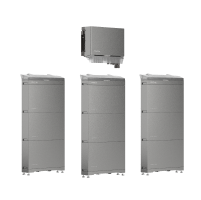
The British spring is notorious for its “four seasons in one day” weather—sudden showers and gusty winds frequently cause grid instability. The EcoFlow PowerOcean is engineered specifically for this unpredictable climate. With an IP65 rating for dust and water resistance, it shrugs off frequent spring rainfall, performing reliably whether installed in a garage or on an external wall. As the days lengthen, you can take advantage of its modular design to expand capacity from 5kWh up to 45kWh, capturing more of that increasing sunshine. With fire-resistant LFP battery tech and a 15-year warranty, it’s a rock-solid foundation for year-round energy independence.
Add a Smart Energy Control Hub
When the spring sun finally breaks through the clouds, your solar generation will spike—the trick is capturing that energy efficiently. The EcoFlow PowerInsight 2 acts as the brain of your home, featuring an 11-inch touchscreen that visualises your energy gains in real-time. Since spring is the prime season for home upgrades, its Matter-protocol support is a huge win, allowing it to manage all your smart devices in one place. Even if you’re busy in the garden, a simple “Hey EcoFlow” allows you to adjust storage priorities based on the latest weather forecast, ensuring every watt of spring sunshine is put to its best use.
Connect Rooftop Solar to Backup Batteries
To get the most out of your investment, ensure your panels are connected via a high-efficiency hybrid inverter. This ensures that on a bright April afternoon, you are filling your “tank” for the night ahead.
Configure Dedicated Backup for Critical Circuits
You don’t necessarily need to power the whole house. Most UK installs involve a “Protected Loads” consumer unit, which isolates your fridge, lights, and Wi-Fi, ensuring your most vital systems get priority during an outage.
How to Prepare Before the Next Outage Hits
A high-tech solar system does most of the work, but your own home maintenance still matters. Being proactive means that when the grid goes down, your system switches over without any issues. Here’s how to stay prepared.
Inspect Your Home Electrical Consumer Unit: Ensure your wiring is up to modern standards. An RCD-protected board is essential for safe solar integration.
Request a Professional Solar Installation Quote: DIY is great for some things, but mains-connected solar requires an MCS-certified professional to ensure you comply with UK building regs.
Test Your Backup System Functionality Monthly: Just like a fire alarm, do a “dry run.” Switch off the main breaker and ensure your battery takes over seamlessly.
Set Your Emergency Power Usage Priority: Use your system’s app to set a “Reserve Capacity” (e.g., 20%). This ensures the battery never drops below a certain level, so you’re never caught empty-handed if the grid fails at 3 AM.
Schedule Your Free Consultation Today!
What kind of product or solution are you interested in?

Conclusion
Power cuts in the UK are hard to avoid, but you don’t have to sit in the dark when they happen. A smart, scalable off-grid system like the EcoFlow PowerOcean turns your home from a passive user into a reliable power source. Whether you need to keep your home office running or protect your heating during a spring storm, the right backup gives you one thing: confidence that you’re covered.
If you want to avoid finding out how your home copes during the next outage, it’s worth looking at your options now. Explore our range of solar and battery systems designed for UK conditions. Speak to an MCS-certified installer for a personalised quote and make sure your home stays powered – whatever the grid does.
FAQ
1. Do I Need Planning Permission for Battery Storage?
No, planning permission is generally not required for installing a battery storage system inside your home or garage, as it falls under “Permitted Development.” However, if you live in a Listed Building or a Conservation Area, it is always best to check with your local council first.
2. Is It Legal to Go Off-Grid in the UK?
Yes, it is perfectly legal to disconnect your home from the National Grid. While most residents prefer a “hybrid” setup (staying connected but using solar as the primary source), there is no law requiring a domestic property to be connected to the public electricity supply.
3. How Much Do Solar Panels Add to House Value in the UK?
Solar panels can increase a property’s value by anywhere from 5% to 15%. Buyers are increasingly looking for homes with high EPC ratings and lower running costs, making solar and battery installations a highly attractive feature in the current UK housing market.
4. Do I Need to Notify the DNO of Solar Panels?
Yes, you or your installer must notify the District Network Operator (DNO). For small systems, this is a “G98” notification after installation; for larger systems or those with significant battery storage, a “G99” application is required before the work begins to ensure the local grid can handle the capacity.

