
UK Low Emission Zone Explained: 2026 Rules, Charges & Energy Impact
Clean‑air rules aren’t the same across the UK, there’s no single nationwide Low Emission Zone system. London runs both a Low Emission Zone (LEZ) and an Ultra Low Emission Zone (ULEZ). A number of English cities have Clean Air Zones (CAZs), while Scotland has its own LEZs. The standards, charges, and enforcement all depend on which scheme you’re in and what vehicle you drive.
This guide explains how these schemes work in 2026, which vehicles they affect, what charges or penalties you might face, and how the move towards electric vehicles could change your household electricity demand.
Key Takeaways
Zone Classification: London’s ULEZ covers nearly all motor vehicles. Regional LEZs and CAZs tend to focus more on heavier commercial vehicles, buses, or older taxis.
Compliance Benchmarks: In many UK clean-air schemes, Euro 4 is the typical minimum standard for petrol cars and Euro 6 for diesel cars, but the exact requirements depend on the scheme, vehicle type, and destination.
Automated Enforcement:
Many UK clean-air schemes use ANPR cameras to identify vehicles entering controlled areas. Depending on the scheme, a non-compliant vehicle may incur a daily charge or an enforcement penalty, so drivers should always check the local rules before travelling.
Household Energy Shift: Switching from petrol or diesel vehicles to EVs changes household energy consumption patterns, as charging becomes part of daily electricity use. Off-peak tariffs, home solar, and battery storage can help households manage electricity demand and make better use of renewable energy.
What Is the UK Low Emission Zone?
Clean‑air schemes vary across the UK depending on where you are, what you drive, and how clean your engine is. London has both an LEZ and ULEZ. Several English cities run Clean Air Zones, and Scotland operates its own Low Emission Zones.
LEZ Definition and Core Purpose
A Low Emission Zone is a legally designated area where older, more polluting vehicles face restrictions or charges. The idea is to speed up the shift to cleaner engines and bring urban air quality in line with UK health standards, protecting public health in busy town centres.
LEZ vs ULEZ vs CAZ
It’s easy to get these acronyms mixed up, but they actually cover different ground. London’s ULEZ covers all London boroughs and applies to most vehicle types, including cars, motorcycles, vans and specialist vehicles up to certain weight limits. Elsewhere, it varies. Cities like Birmingham, Bristol, and Sheffield run Clean Air Zones with their own tailored classes – from A to D – each targeting different types of vehicles.
| Scheme Type | Primary Locations | Vehicle Coverage | Standard Operating Hours |
|---|---|---|---|
| LEZ (London) | Greater London boundary | Heavy vehicles (HGVs, lorries, buses, coaches) | 24 hours a day, 365 days a year |
| ULEZ (London) | All London Boroughs | Cars, motorcycles, vans, light specialist vehicles | 24 hours a day, 365 days a year (excl. Xmas Day) |
| Clean Air Zones (CAZ) | Birmingham, Bristol, Sheffield, Bath, Newcastle | Varies by Class (Class A: Taxis/Buses to Class D: All vehicles) | 24 hours a day, 365 days a year |
| Scottish LEZs | Glasgow, Edinburgh, Dundee, Aberdeen | Non-compliant vehicles may be restricted from entering controlled areas | 24 hours a day, 365 days a year |
How LEZ Zones Are Designated and Enforced
Most UK clean-air schemes use ANPR cameras to identify vehicles entering a zone. These systems automatically check vehicle details against emissions requirements, helping authorities enforce access rules more efficiently. For households managing rising electricity demand from EV charging, smart energy monitoring tools can also provide clearer visibility into daily consumption patterns.
Which Vehicles Are Affected by LEZ Rules?
The rules depend on your vehicle type, emissions standard and the zone you plan to enter.
Emission Standards for Petrol and Diesel Vehicles
Rule of thumb criteria generally hinge on European emission ratings. Petrol cars in many clean-air schemes need to meet Euro 4, while diesel cars generally need to meet Euro 6. Registration dates can provide a rough indication, but the applicable emissions standard ultimately depends on the vehicle and the specific scheme.
Vehicle Types Covered by LEZ Rules
Different rules apply depending on vehicle classification and gross vehicle weight (GVW). Below is a breakdown of baseline compliance criteria applied across major UK urban zones in 2026:
| Vehicle Type | Required Petrol Standard | Required Diesel Standard | Typical Registration Cut-off |
|---|---|---|---|
| Passenger Cars (M1) | Euro 4 | Euro 6 | Around 2006+ petrol / 2015+ diesel models |
| Vans & Light Commercials (N1) | Euro 4 | Euro 6 | Around 2006+ petrol / 2016+ diesel models |
| HGVs, Lorries & Buses (M3/N3) | N/A | Euro VI | Depends on vehicle category and emissions standard |
| Motorcycles & Mopeds (L) | Euro 3 | N/A | Around 2007+ models |
UK Cities With Low Emission Zone Schemes
Clean air rules aren’t just for London. Scotland’s got them in Glasgow, Edinburgh, Dundee, and Aberdeen and they hit you with fines rather than daily charges. Down in England, Bristol and Birmingham have Clean Air Zones that charge private cars if they don’t meet the emissions standard.
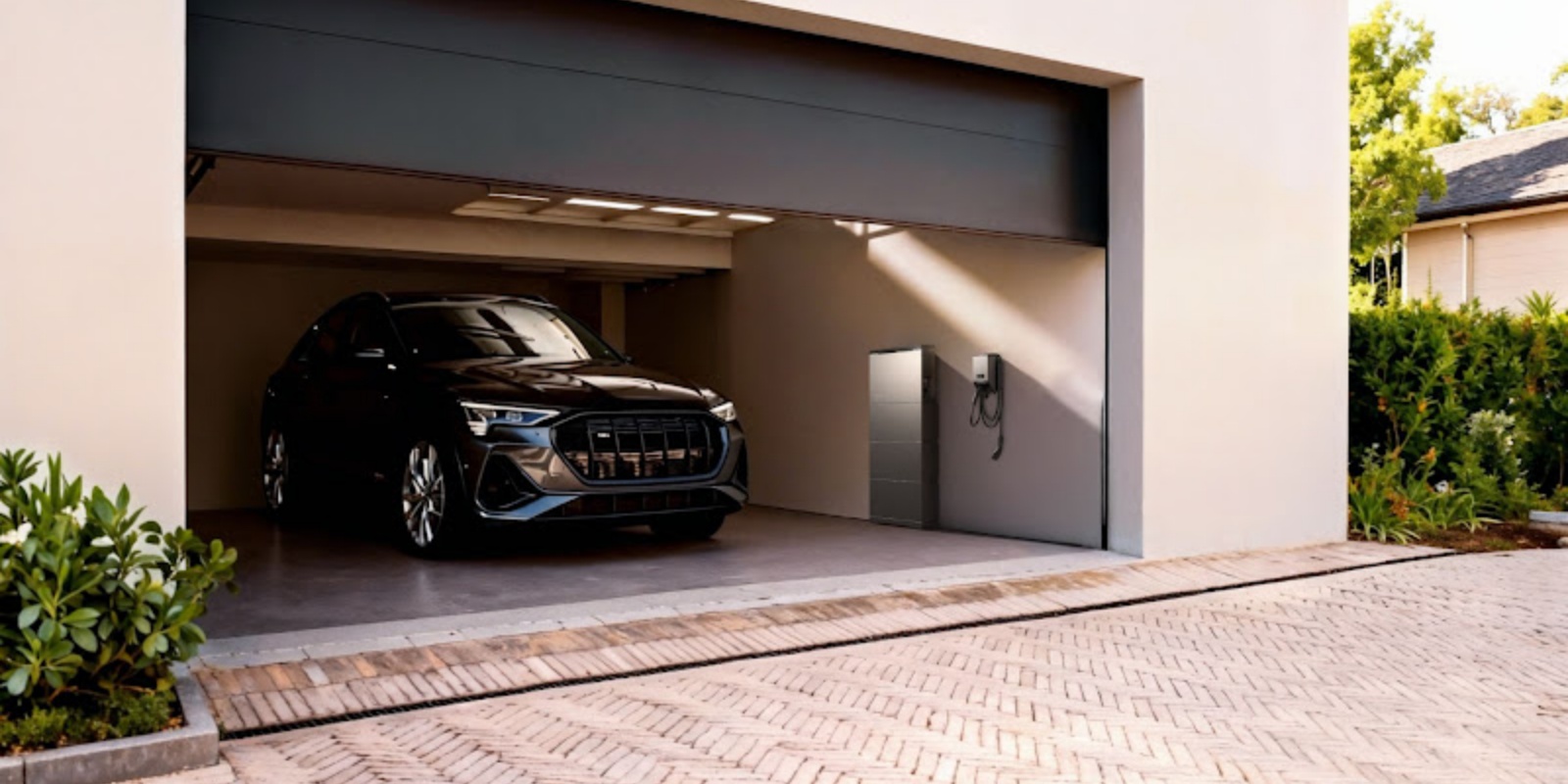
Drivers planning a trip can check vehicle compliance through the official Transport for London (TfL) vehicle checker for Greater London or the UK Government’s Central Clean Air Zone portal for regional schemes. For households preparing for the transition to EVs, knowing how many kWh does a house use can also help estimate potential changes in future electricity demand. Alt: Ecoflow OCEAN 2 Plus single phase home battery
What Are the LEZ Charges and Penalties?
Charges and penalties vary between UK clean-air schemes. The amount you pay depends on the zone and your vehicle.
LEZ, ULEZ and Clean Air Zone Charges
Charges vary considerably depending on location, vehicle type, and emissions standard. London ULEZ currently charges non-compliant vehicles £12.50 per day. Heavy commercial vehicles entering London’s LEZ may face daily charges ranging from around £100 to £300 depending on vehicle category and emissions standard. In many English Clean Air Zones, non-compliant cars are charged around £8 to £9 per day, although exact fees vary by location.
| Zone / Region | Non-Compliant Cars / Vans | Non-Compliant HGVs / Buses | Penalty Charge Notice (PCN) |
|---|---|---|---|
| London ULEZ | £12.50 / day | Separate LEZ charges may apply for heavy vehicles | £180 (reduced to £90 if paid within 14 days) |
| Birmingham CAZ | Around £8 / day | Charges vary by vehicle category | £120 (reduced to £60 if paid within 14 days) |
| Bristol CAZ | Around £9 / day | Charges vary by vehicle category | £120 (reduced to £60 if paid within 14 days) |
| Scottish LEZs | Access restrictions may apply | Access restrictions may apply | Penalties depend on enforcement rules |
Payment Rules, Deadlines and Operating Hours
Operational hours run continuously—midnight to midnight, 365 days a year (with London ULEZ exempting only Christmas Day). Payment deadlines depend on the scheme: for London’s ULEZ, you have until midnight on the third day following your journey. For regional Clean Air Zones across England (such as Birmingham and Bristol), the payment window is longer—you can pay up to 6 days before or up to 11:59 pm on the sixth day after driving into the zone.
Exemptions, Discounts and Charge Relief Options
Exemptions do exist, though they are tightly monitored. Fully electric vehicles are generally exempt from many UK clean air zone charges, although exemptions and requirements can vary depending on the specific scheme. Blue badge holders, registered disabled passenger vehicles, historic vehicles, and specialised agricultural machinery may also qualify for discounts or exemptions depending on local rules.
How Are LEZ Policies Changing Household Energy Demand?
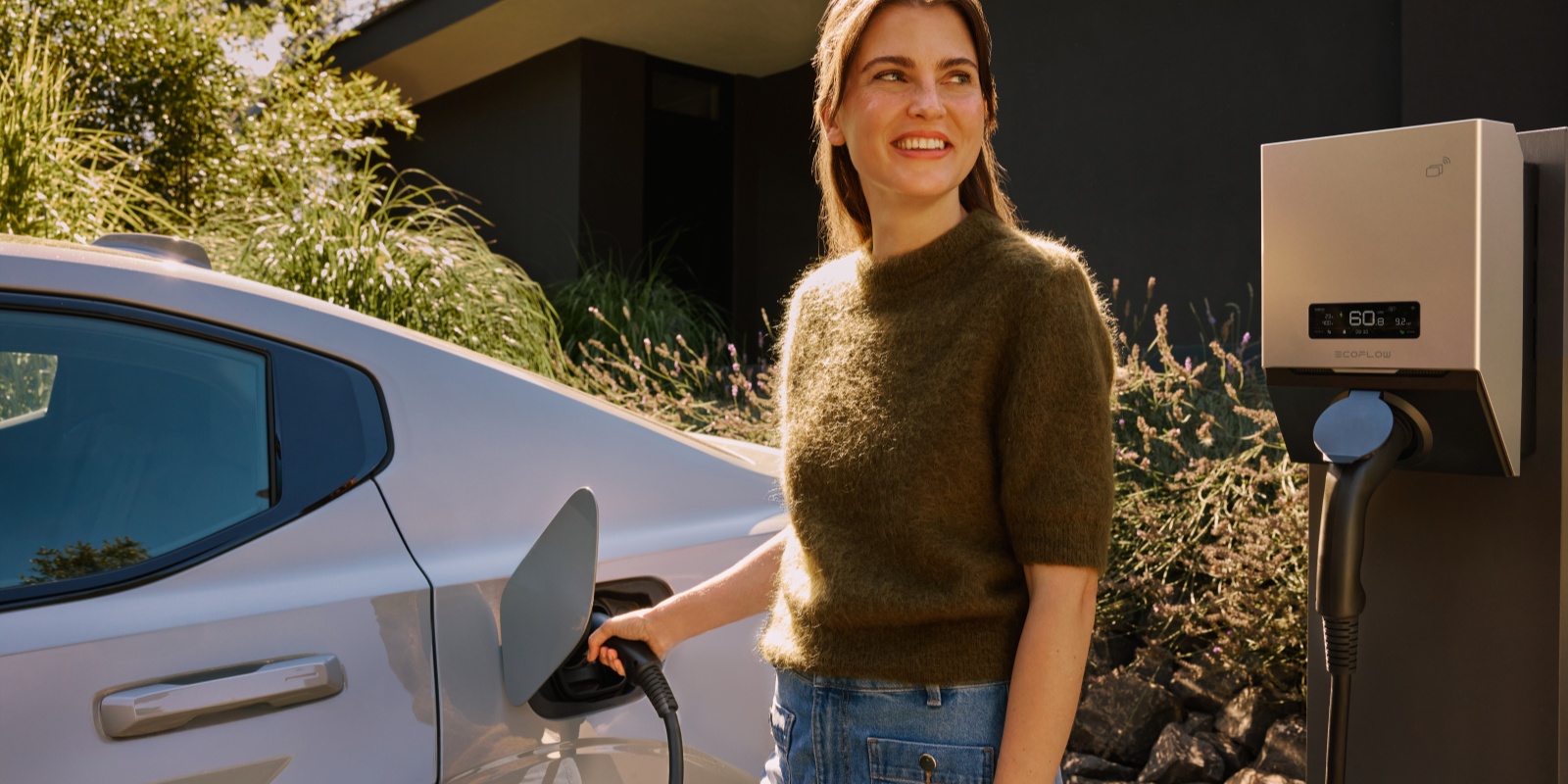
The shift to electric vehicles also changes how households use electricity, particularly for home charging. For many UK homeowners, combining EV charging with solar generation and an EcoFlow Solar Battery can help make better use of renewable energy at home.
How LEZ Rules Are Encouraging EV Adoption
Faced with potential daily driving fees, hundreds of thousands of commuters and families have accelerated their switch to zero-emission mobility. As more households combine EVs, solar panels, and battery storage, a connected Home Energy Ecosystem can help manage energy generation, storage, and consumption more efficiently. Electric vehicle registrations across the UK continue to climb steadily.
Home EV Charging and Household Electricity Demand
Switching from petrol or diesel fuel to electricity changes household energy consumption patterns. An EV travelling around 10,000 miles per year may add roughly 2,500 to 3,300 kWh to annual household electricity demand, depending on vehicle efficiency, driving conditions, and charging habits.
Most EV owners plug in when they get home from work, so charging tends to happen overnight on cheap off‑peak rates. But that creates a problem for homes with solar panels – the sun’s only generated during the day, not when you need the power.
A residential battery can help bridge this gap by storing surplus daytime solar for later use. Systems such as the EcoFlow OCEAN 2 Plus Single Phase allow homeowners to use more of their own solar generation when household or EV charging demand increases. Instead of exporting all excess solar generation back to the grid, stored energy can be used later for EV charging or household appliances, helping improve solar self-consumption.
Smart Energy Management for UK EV Households
As EV adoption grows and households add more energy devices, homeowners need to do more than simply consider charging speed. They also need to better coordinate solar generation, battery storage, and household electricity usage.
Smart EV chargers can coordinate charging with household demand, solar generation and electricity tariffs. For example, EcoFlow PowerPulse 2 integrates with the EcoFlow home energy ecosystem to support solar-based charging and scheduled charging during lower-tariff periods to improve energy efficiency and reduce long-term EV running costs.
Schedule Your Free Consultation Today!
What kind of product or solution are you interested in?

Conclusion
UK clean‑air rules vary by scheme, so it’s always worth checking the requirements for your vehicle and destination before you travel. Switch to an EV, and your household electricity use shifts too, particularly if you’re charging at home. Got solar panels? Battery storage helps you hold onto excess daytime generation for later. And smart energy management makes it easier to balance EV charging with everything else you’re running in the house.
Disclaimer: The information in this guide is intended for general informational purposes only and is based on publicly available guidance at the time of writing. Low Emission Zone rules, charges, exemptions, and enforcement policies may vary by location and can change over time. Always check the latest guidance from the relevant local authority or official government websites before making decisions about vehicle use or energy upgrades.
FAQ
What Cars Cannot Enter The Low Emission Zone?
Older diesels and petrol cars are the ones that get caught out. If your diesel doesn’t meet Euro 6 – that’s roughly pre‑2015 – or your petrol doesn’t hit Euro 4, typically pre‑2006, you’ll either pay a charge or risk a fine. But the rules aren’t the same everywhere. In Scottish LEZs such as Glasgow and Edinburgh, non-compliant vehicles generally cannot be driven within the zone without risking enforcement penalties. Unlike charging schemes such as London’s ULEZ, Scottish LEZs operate primarily through access restrictions and penalties rather than a daily charge. In England, it’s a bit different. London’s ULEZ or Birmingham’s CAZ let you in, but you’ll have to cough up the daily charge.
What Happens If You Enter a Low Emission Zone?
ANPR cameras can record a vehicle’s number plate when it enters a controlled zone and check its details against the relevant emissions requirements. If your vehicle meets the required Euro standards, you don’t need to do anything and you won’t be charged. If the vehicle does not meet the applicable standard, the consequences depend on the scheme. Some zones require a daily charge, while others restrict access and may issue a penalty for non-compliant vehicles entering the zone.
How Long Do You Have To Pay For A Low Emission Zone?
It depends on the zone. For London’s ULEZ, you have until midnight on the third day after your trip (e.g., drive on Monday, pay by midnight Thursday). For regional English Clean Air Zones (like Birmingham or Bristol), you have a wider window of up to 6 days after your journey to pay via the GOV.UK portal.
How do EV chargers work with solar panels?
An EV charger connects into your home’s electrical setup so it can send surplus solar straight into your car’s battery. During the day, a smart charger can prioritise solar over grid power. Or, if you’ve got battery storage at home, you can hold onto that extra daytime solar and use it to charge the car overnight.

