
Is Electricity Cheaper at Night? Off-Peak Rates and Best Times to Use Electricity
Some UK households can pay less for electricity overnight, but the saving depends on their tariff. Economy 7, EV and smart time-of-use plans offer cheaper periods; a standard single-rate tariff charges the same unit rate all day. This guide explains how the main options work, which household tasks are easiest to move overnight, and how to check whether the savings would outweigh the extra daytime cost for your home.
Key Takeaways
Tariff structure dictates pricing: Electricity is only cheaper overnight if you have an Economy 7, Economy 10, EV-specific, or smart time-of-use tariff paired with a compatible dual-rate or smart meter.
The day-rate trade-off: Off-peak tariffs balance bargain night units by charging daytime rates and daily standing charges that are noticeably higher than standard flat-rate plans.
Tariff-specific break-even point: The off-peak share needed to save depends on the quoted day and night rates, standing charges and your actual usage.
High-impact shiftables: Storage heaters, immersion tanks, electric vehicles, and residential battery systems offer the highest cash returns from overnight rate arbitrage.
How Do Electricity Rates Work in the UK?
Your tariff determines whether the time you use electricity affects what you pay. Most households have one rate all day, while time-of-use tariffs charge different rates at different times. A home energy ecosystem can coordinate compatible storage, charging and heating devices around your tariff.
Standard Tariffs Charge the Same Rate Day and Night
On a single-rate variable or fixed tariff, the unit rate stays the same throughout the day. Ofgem’s energy price cap protects eligible standard variable tariffs in Great Britain; it does not apply to agreed fixed tariffs.
Time-of-Use Tariffs Have Different Peak and Off-Peak Rates
Time-of-use (ToU) tariffs introduce distinct pricing windows across a 24-hour cycle. When the national grid experiences surplus generation and subdued commercial demand after midnight, suppliers drop unit costs to incentivise consumption. Conversely, during the evening rush between 4:00 PM and 7:00 PM—when dinner is cooking, lights are on, and kettles are boiling—electricity costs climb to peak levels.
Off-Peak Hours Vary by Supplier and Tariff
Off-peak electricity hours are not the same across all UK suppliers and tariffs. Even among Economy 7 customers, the exact start and end times can vary depending on the supplier, region and meter configuration. Some tariffs offer a continuous overnight period, while smart time-of-use plans may have several cheaper windows throughout the day. Always check your supplier’s tariff information and electricity bill to confirm your specific off-peak hours.
It is also important to consider how British Summer Time (BST) affects your off-peak schedule. Older mechanical or clock-based meters may remain set to Greenwich Mean Time (GMT), meaning the actual off-peak period can appear one hour later on your clock during BST. For example, a 00:00–07:00 GMT window may correspond to 01:00–08:00 BST. Always check with your electricity supplier to confirm how your meter handles seasonal clock changes and when your off-peak rates apply.
Knowing how to read a smart meter helps you identify the separate readings used to record peak and off-peak consumption.
Which UK Electricity Tariffs Offer Cheaper Night Rates?
Economy 7, Economy 10, EV and smart tariffs all offer ways to pay less at certain times. Their off-peak hours and daytime rates vary, so check the details before deciding which one suits your home.
| Tariff Type | Typical Off-Peak Window | Best Suited For | Key Consideration |
|---|---|---|---|
| Economy 7 | 7 hours overnight (e.g., 00:00–07:00 GMT) | Homes with storage heaters & immersion tanks | Daytime rates are substantially higher than the price cap SVT. |
| Economy 10 | 10 hours split (e.g., 7 overnight, 3 afternoon) | Existing legacy properties with specialized dual-rate heating setups | Largely closed to new customers. Only retained by select suppliers for existing legacy meters or specific regional networks. |
| Smart Time-of-Use | Dynamic half-hourly or multi-tier time blocks | Tech-savvy homes with automation & smart meters | Requires active management to dodge steep evening spikes. |
| EV Tariffs | 4 to 5 hours overnight (e.g., 00:30–05:30) | Electric car owners & home battery systems | Typically requires an active smart meter and compatible charger or car. |
Economy 7 Tariffs for Overnight Electricity Use
Economy 7 has been a fixture of British housing since the late 1970s. Designed primarily for homes without mains gas access, it delivers seven continuous (or occasionally split) off-peak hours overnight, letting households charge heat-retaining bricks inside night storage heaters at reduced prices.
Economy 10 Tariffs for Extended Off-Peak Periods
Economy 10 expands on this concept by adding three afternoon or evening hours to seven overnight hours. This midday boost is particularly handy during bitter UK winters, keeping storage heaters and hot water tanks warm enough for evening routines without resorting to full peak daytime prices.
Check directly with suppliers whether an Economy 10 tariff is available for your meter and address before planning a switch.
Smart Time-of-Use Tariffs for Flexible Energy Consumption
Enabled by a compatible smart meter that the supplier can read half-hourly, dynamic smart tariffs track wholesale electricity market prices. Some tariffs offer fixed cheap windows, while agile structures publish day-ahead rates for each 30-minute block. On windy weekend nights when renewable generation outstrips national demand, rates can plunge into single digits or occasionally drop into negative pricing, effectively paying households to absorb power.
EV Tariffs for Cheaper Overnight Car Charging
EV tariffs can offer discounted charging periods, but eligibility, timings and whether the discount covers the whole home depend on the plan. Check the supplier’s current tariff terms and compatible vehicle or charger requirements before switching.

How Can You Save Money by Using Electricity at Night?
For homes with rooftop panels, solar battery storage can retain daytime generation for use later, alongside tariff-based charging where supported.
The biggest savings come from shifting appliances that use a lot of electricity. Storage heaters, hot water cylinders, EVs and home batteries are often easier to schedule than everyday tasks like cooking or making tea.
Schedule Washing Machines and Dishwashers During Off-Peak Hours
Setting delay-start timers on dishwashers and washing machines allows them to run between 1:00 AM and 5:00 AM. Understanding how much electricity a washing machine uses helps estimate the saving per cycle before changing its schedule. However, exercise caution with unattended overnight cycles: UK Fire and Rescue Services and electrical safety bodies strongly recommend avoiding running high-power wet appliances—especially tumble dryers—unsupervised or while the household is asleep due to the heightened risk of electrical fires. If you do take advantage of overnight timers, stick to low-risk appliances, keep filters clean, and ensure working interconnected heat and smoke alarms are installed directly above utility areas.
Use Electric Storage Heaters and Hot Water Cylinders Overnight
In properties relying on electric heating, water cylinders and storage heaters represent the heaviest continuous loads. Heating an entire 210-litre unvented cylinder on an immersion timer overnight locks in hot water for morning showers and evening washing-up at off-peak rates, eliminating the need for expensive daytime heating boosts.
Charge EVs and Home Batteries During Off-Peak Hours
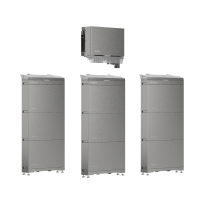
Vehicle chargers naturally pull immense amounts of power, making an overnight schedule essential. Beyond transport, stationary home batteries offer an effective way to arbitrage pricing. By capturing surplus cheap electricity overnight and storing it on-site, a home storage setup allows you to run cookers, lighting, and home offices the following afternoon without drawing from the grid at full rate. For UK households balancing time-of-use tariffs, the EcoFlow OCEAN 2 Plus Single Phase fits neatly into a modern domestic energy setup. It lets homeowners capture and store cheaper grid electricity during designated off-peak hours, then deploy that reserved power during costly daytime and evening peaks. This active buffering lessens reliance on high grid tariffs throughout the day, helping extend the benefit of cheaper electricity, subject to usable capacity, conversion losses and household demand.
Track Electricity Use to Measure Off-Peak Savings
Shifting consumption without tracking output can lead to disappointing surprises on quarterly statements. A household must see how much energy is drawn during peak versus off-peak periods to verify whether changed habits are actually moving the financial needle.
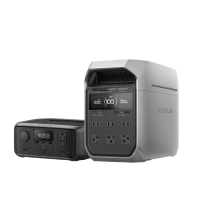
For those wanting a clearer, real-time window into their power flows, the EcoFlow PowerInsight 2 offers dedicated monitoring. Acting as a central display for compatible setups, it maps solar generation, live household consumption, and battery performance side by side. By showing exactly where energy is moving across different hours of the day, it removes the guesswork, helping families fine-tune timers and adapt their daily routines when assessing potential tariff savings.

Is an Off-Peak Electricity Tariff Worth It for Your Home?
A cheaper night rate can still leave you with a higher bill if you use most of your electricity during the day. Compare the day and night rates, standing charge and the amount of energy you could realistically shift before switching.
Comparing Off-Peak Savings With Higher Peak Rates
Suppliers recoup discounted night rates by charging an inflated daytime unit rate. If standard electricity sits around 24p per kWh, an Economy 7 day rate might reach 28p to 32p, alongside an off-peak price around 12p to 14p. If your household is out at work all day, this structure works nicely. But if family members work from home, brew tea constantly, and run power-hungry computers during daylight hours, higher day rates can quickly swallow up overnight savings.
How Household Electricity Usage Affects Potential Savings
A good rule of thumb for Economy 7 is the 35% threshold: unless your household can reliably shift roughly 35% to 40% of its total monthly kilowatt-hours into the off-peak bracket, you risk paying more overall than you would on a standard flat rate. Households with electric vehicles, dedicated home battery systems, or storage heaters can comfortably clear this threshold. (In contrast, modern heat pumps run most efficiently when heating continuously throughout the daytime; homes with heat pumps usually see better returns on specialized heat pump tariffs like Cosy Octopus rather than standard Economy 7.) Smaller flats on gas central heating rarely hit the mark.
Standing Charges and Other Tariff Costs
The daily standing charge, the fixed cost paid just to stay connected to the electrical network, can vary between tariff types. Some specialised multi-rate options feature elevated standing charges that add several pence to your daily baseline before you flick on a single switch. Factoring these fixed standing costs into your monthly projections prevents marginal unit savings from being eroded by connection fees.
Schedule Your Free Consultation Today!
What kind of product or solution are you interested in?
Conclusion
An off-peak tariff is most useful when you can move a substantial share of your electricity use to cheaper hours. Check your meter and bill, compare the tariff’s day rate and standing charge with your current plan, then estimate the savings using your actual usage. If the numbers work for your household, timers, EV charging and battery controls can help you make the most of the cheaper window.
FAQs
How much electricity does an average UK household use overnight?
Between 1 and 2 kWh of electricity is consumed overnight by an average UK home on baseline background loads, such as fridge-freezers, broadband routers, and devices in standby mode. This baseline increases considerably to 15–30 kWh if an electric vehicle is plugged in, a storage heater is charging, or a home battery is replenishing from the grid.
How do I switch from a peak-and-off-peak tariff to a single rate?
Contact your current energy supplier and request a tariff transfer to a standard single-rate plan. If your property uses a modern smart meter, the supplier can usually reprogram the metering profile remotely, but confirm meter compatibility, any engineer visit and the expected timescale with your supplier.
How do I know if I'm on an off-peak tariff?
Check your latest electricity bill for two distinct meter readings and separate unit rates labelled “Day” (or Normal) and “Night” (or Low). A single unit rate across your billing breakdown indicates you are currently on a standard flat-rate tariff.
Is electricity cheaper on weekends?
No, electricity is not cheaper on weekends under standard UK tariffs or traditional Economy 7 plans. Only select smart time-of-use tariffs track half-hourly wholesale trading conditions, which can produce lower daytime rates on windy, sunny Saturdays and Sundays when industrial demand subsides.
Is a home battery worth it for saving on electricity?
A home battery may reduce electricity costs by shifting grid purchases to cheaper periods or storing rooftop solar generation. Whether it is worth the investment depends on installation cost, usable capacity, efficiency, tariff differences and household consumption; compare these factors before estimating payback.

