
IET Wiring Regulations Explained: What UK Homeowners Need to Know About Electrical Safety
The IET Wiring Regulations – known as BS 7671 – provide the recognised standard for electrical installation safety in UK homes and commercial buildings. You don’t need to be across every technical clause in detail, but making sure any electrical work carried out on your property meets these standards is crucial for safety, getting through property surveys, and supporting insurance requirements and avoiding issues during claims or property checks
Key Takeaways
National Industry Standard: The IET Wiring Regulations (BS 7671) define recommended practices for safe electrical installations across UK homes.
Comprehensive Scope: They cover everything from earthing and consumer units to RCD protection and how cables should be routed.
Pre‑Upgrade Checks: Older UK properties often need a proper electrical check before you add modern high‑draw appliances or green tech.
Practical Knowledge: You don’t need to know every clause, but it pays to understand how the regs affect any work you’re having done and what certification you should get.
Future‑Proofing: As homes get more connected, making sure your installation meets the standards – and managing your energy smartly – is key to keeping things safe and reliable for the long term.
What Are IET Wiring Regulations and Why Are They Important for UK Homeowners?
Understanding the backbone of British electrical standards helps demystify why tradespeople work the way they do and why shortcuts can prove dangerous.
Understanding IET Wiring Regulations and BS 7671
The official name for the UK’s electrical safety standard is the IET Wiring Regulations, formally known as BS 7671. It’s kept up to date by the IET and the BSI, with regular revisions to reflect new technology, fresh safety research, and changing energy needs across Great Britain. Electricians, building inspectors, and installers many professionals use it as the recognised benchmark for electrical installation practices. While it’s not a statutory document itself, meeting BS 7671 is generally accepted as demonstrating good practice and can support compliance with relevant requirements, including Part P of the Building Regulations in England and Wales.
The Role of BS 7671 in Safer Electrical Installations
Rather than restricting what you can do at home, BS 7671 works as a safety blueprint – it helps reduce the risk of electrical fires, reduces the risk of shocks, and helps reduce the risk of equipment damage caused by electrical faults. By setting clear rules on cable sizes, isolation distances, and trip mechanisms, it keeps your everyday power use safe and transparent. For homes with outdated fuse boxes or limited protection devices, understanding the potential consumer unit replacement cost can help homeowners plan electrical upgrades that improve safety and bring installations closer to current standards.
| Area Covered under BS 7671 | Why It Matters for UK Homeowners |
|---|---|
| Thermal & Fire Protection | Helps reduce the risk of overheating cables inside walls or loft spaces, lowering potential fire hazards. |
| Shock Protection & Earthing | Provides a safer path for fault currents, helping reduce the risk of electric shock. |
| Circuit Overload Safeguards | Helps protect circuits from excessive loads that could contribute to overheating or faults. |
| Special Locations (Bathrooms/Outdoors) | Includes additional requirements for protection in higher-risk areas such as bathrooms and outdoor locations. |
Changing Electrical Demands in Modern UK Homes
Step inside a classic Victorian terrace or a 1970s semi, and you’ll find electrics that were never designed for today’s demands. Back then, a house might’ve run a telly, a few lamps, and a fridge. Now, you’ve got heat pumps, a high‑power kitchen kit, home servers, and EV chargers all pulling juice at once. That kind of continuous load really tests older wiring. The latest versions of BS 7671 specifically address these high‑draw scenarios, making sure modern consumer units can handle multiple heavy loads safely.
What Electrical Safety Requirements Do IET Wiring Regulations Cover?
Delving into the technical layers of BS 7671 reveals a layered defence system designed to catch electrical anomalies before they turn into emergencies.
Protecting Homes Against Electrical Faults and Overloads
One of the key things BS 7671 focuses on is making sure protective devices are designed to disconnect circuits quickly when faults are detected – often within fractions of a second when operating correctly. That’s where RCDs or RCBOs come in. They constantly check the balance between live and neutral. If a fault occurs, such as damage to a cable or accidental contact with live parts, the RCD is designed to disconnect the circuit quickly, helping reduce the risk of serious electric shock.
The Importance of Earthing, Bonding and Wiring Conditions
Earthing gives stray electrical currents a safe, low‑resistance route back to the earth terminal. Supplementary bonding links metal pipework – gas meters, copper water pipes, heating loops – to the main earth. That helps reduce the risk of exposed metal parts becoming dangerously live if a fault occurs. Over time, cable insulation can degrade, so regular checks help make sure hidden wires under the floorboards are still in good nick and doing their job.
Electrical Inspection and Certification Requirements
Whenever electrical work gets done, you need proper paperwork to show it’s up to standard. Depending on the size of the job, a qualified sparky will issue the relevant statutory certificates to prove the installation meets BS 7671.
| Document Type | Primary Purpose & Domestic Application |
|---|---|
| Electrical Installation Certificate (EIC) | Required for major works, including complete rewires, new consumer unit upgrades, or brand-new circuit additions. |
| Minor Electrical Installation Works Certificate (MEIWC) | Used for smaller modifications that do not add a new circuit, such as adding extra sockets or light fittings to an existing ring main. |
| Electrical Installation Condition Report (EICR) | An in-depth health check assessing the safety condition of existing wiring, highlighting faults or degradation over time. |
How Do IET Wiring Regulations Affect Home Improvement Projects?
Planning a kitchen revamp, loft conversion, or eco-retrofit requires early coordination with your electrical layout.
Electrical Planning During Renovations and Extensions
Knocking walls through or adding extra space will always change the electrical setup in a property. Under Part P of the Building Regs, major alterations have to be certified. Sorting out the electrical layout early on helps you avoid common headaches – like running out of circuit capacity at the consumer unit, or burying cables outside the safe zones in plastered walls.
Electrical Capacity Considerations for High-Power Appliances
Things like induction hobs, electric showers, or multi‑room air con usually need their own dedicated high‑amp circuits – you can’t just run them off the existing ring mains. Using extension leads for high-power appliances can increase the risk of overheating, circuit faults, and repeated breaker trips. Get a registered sparky to do a quick check and they’ll tell you if your board can cope with the extra draw.
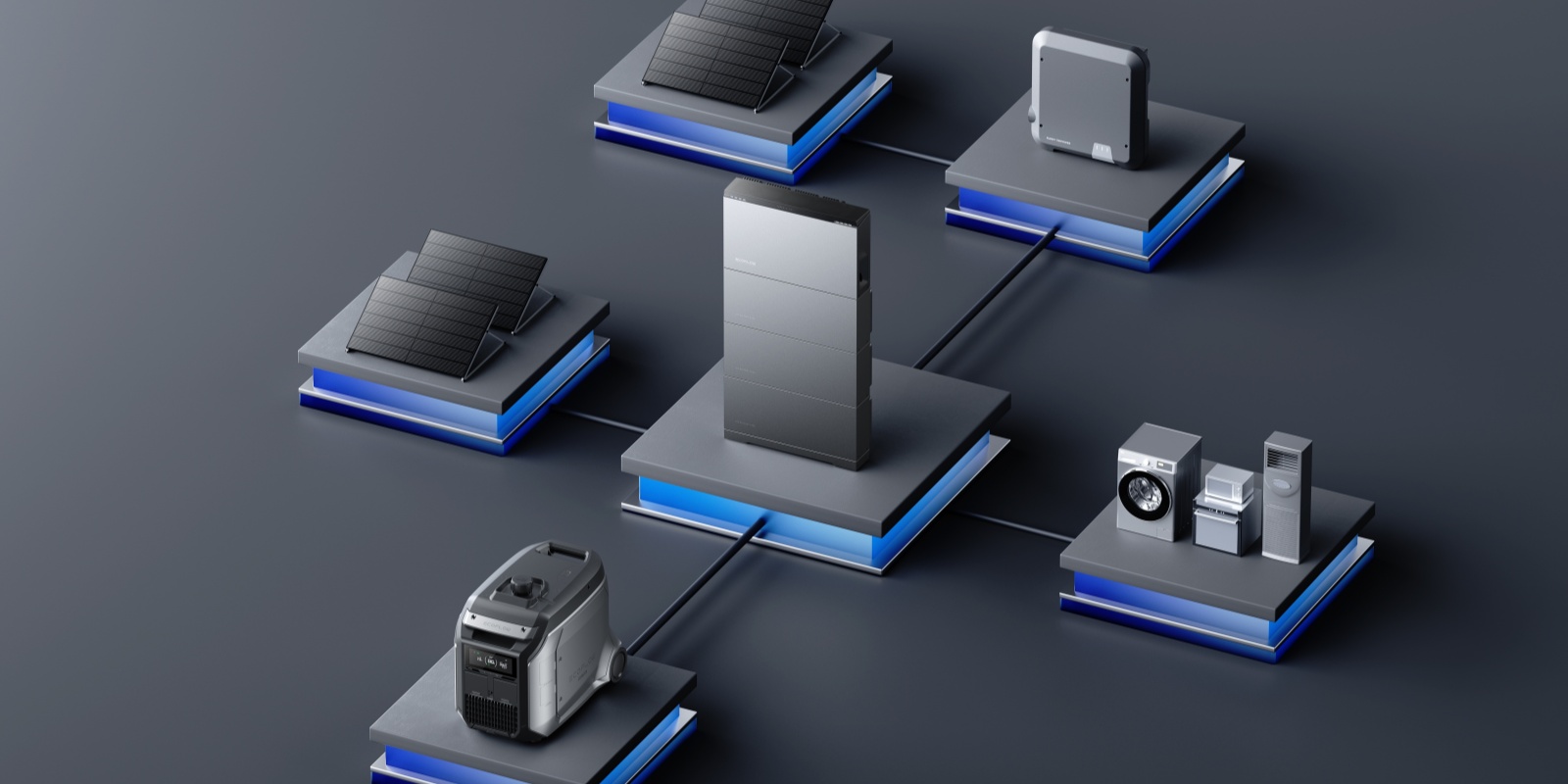
As more homeowners add solar generation and battery storage, checking electrical capacity before installation becomes increasingly important. A properly designed EcoFlow Solar Battery system can work alongside modern home energy setups, but the existing consumer unit, protection devices, and wiring configuration should always be assessed to ensure compatibility with BS 7671 requirements.
Preparing Electrical Systems for Renewable Energy Upgrades
Planning a green energy setup for a UK home isn’t just about slapping solar panels on the roof. For homeowners wanting to cut bills and keep the lights on during the odd power cut, your renewable system needs to work properly with your existing consumer unit – and it’s got to meet BS 7671 rules. Systems like the EcoFlow OCEAN 2 Plus Single Phase show how modern storage can bridge the gap between generation and your home’s circuits, when installed within a properly designed electrical system following BS 7671 requirements.
How Can Homeowners Check If Their Electrical System Is Safe?
Recognising early warning signs enables proactive maintenance before minor faults evolve into expensive emergencies.
Warning Signs That Indicate Electrical Assessment Needs
Electrical systems frequently give subtle signals when struggling under load or suffering from degraded components. Watch out for these warning indicators in your property:
Flickering or dimming lights when heavy appliances switch on.
Persistent tripping of RCDs or circuit breakers on the consumer unit.
Scorching, discolouration, or warm plastic casing around wall sockets and switches.
A faint buzzing or humming sound originating from light switches or fuse boxes.
Old-style fuse boxes featuring wooden backs, cast-iron switches, or replaceable fuse wire.
Understanding EICR Reports and Inspection Results
An Electrical Installation Condition Report (EICR) acts as an MOT for your property’s wiring. A qualified inspector tests circuits under dead and live conditions, culminating in an overall assessment of either Satisfactory or Unsatisfactory. For older properties with repeated electrical faults or outdated wiring systems, an EICR may highlight whether larger improvements, such as partial rewiring or a complete rewire, are needed. In these situations, homeowners often look into how much it costs to rewire a house before deciding whether to repair individual issues or invest in a complete upgrade. Any identified faults carry standardized observation codes:
Code C1 (Danger Present): Immediate risk of injury; requires urgent remediation before the system can be considered safe.
Code C2 (Potentially Dangerous): Urgent remedial action required to eliminate a significant prospective risk.
Code C3 (Improvement Recommended): Does not pose an immediate danger, but upgrading would enhance overall safety to modern BS 7671 standards.
Code FI (Further Investigation Required): The inspector found an anomaly that demands deeper investigation without delay.
Selecting Qualified Electricians for Electrical Work
Avoid using unqualified individuals for fixed wiring work. In the UK, make sure you use an electrician registered with an accredited competent person scheme – like NICEIC, NAPIT, or ELECSA. They can self‑certify their work under Part P of the Building Regs, notify your local council automatically, and give you the proper safety certificates when the job’s done.
.png)
How Do Modern Energy Technologies Change the Way Homeowners Manage Electricity?
As more UK homes move over to electric heating, cars, and appliances, keeping track of your energy flows and having some control over them is becoming a key part of running the household.
The Growing Need for Smarter Energy Management in Connected Homes
When you’ve got rooftop solar, a battery, a heat pump, and a time-of-use tariff like Octopus Agile all in the mix, your home turns into an active energy hub. Trying to juggle all those power flows manually is a nightmare, which is why there’s growing demand for a central, easy-to-use monitoring system that pulls everything together. Modern solutions built around a Home Energy Ecosystem help homeowners connect generation, storage, and consumption data in one place, making it easier to manage energy use while maintaining a safe and efficient electrical setup.
Understanding Energy Use in More Complex Home Systems
When multiple energy sources interact, understanding live household consumption is key to maximising savings and preventing accidental grid imports during peak price windows. Utilizing smart management interfaces—such as the EcoFlow PowerInsight 2—provides homeowners with clear, real-time visualisations of solar generation, battery reserve levels, and household power consumption, helping households better understand their energy use while staying within safe electrical load boundaries.
Schedule Your Free Consultation Today!
What kind of product or solution are you interested in?
Conclusion
BS 7671 might read like a boring technical manual, but it affects every socket, switch, and appliance in your home. Keep your consumer unit up to scratch, get the right EIC and EICR paperwork sorted, and always use registered sparkies. That way you’re protecting your home’s value and keeping your family safe. And as more UK homes adopt smart technologies and battery storage, having a compliant electrical setup can help ensure your home remains safer and better prepared for future energy upgrades.
Disclaimer: Electrical regulations, installation requirements, and certification processes may change over time. BS 7671 provides recognised guidance for electrical installation practices, but compliance depends on the specific property, system design, and installation conditions. Homeowners should always consult a qualified electrician or registered installer before carrying out electrical work, installing renewable energy systems, or making major electrical upgrades. Requirements such as Part P, DNO notifications, and certification may vary depending on location and project scope.
FAQ
Is an EICR a legal requirement in England?
Yes, if you’re a landlord renting out a property – it’s the law. For owner‑occupied homes, it’s not compulsory, but it’s still well worth doing. Landlords need a valid EICR every five years or at the start of a new tenancy. Many homeowners choose to arrange an EICR roughly every 10 years, or sooner when buying an older property or before major electrical upgrades – it gives you peace of mind and keeps your insurer happy.
Do old homes need electrical upgrades to meet BS 7671?
No, you don’t have to rewire your whole house just because the regs get updated. Standards aren’t applied retrospectively. But if your existing wiring is unsafe, or you’re doing major renovations or adding new circuits, then that new work has to meet the current BS 7671 standards.
What are the requirements to install solar panels?
Fitting solar panels means you need to comply with BS 7671, check your building structure where necessary, and follow the relevant DNO notification process, such as G98 or G99 requirements depending on system size. The wiring between the inverter and consumer unit also requires appropriate circuit protection and isolation measures.
What's the difference between BS 7671 and an EICR?
BS 7671 is the rulebook – it sets out how electrical systems should be designed and installed. An EICR is the inspection report that checks whether an existing system measures up to those rules. Think of BS 7671 as the law and the EICR as the report card.
What electrical work can be done without qualifications in the UK?
Homeowners may carry out some small, non-notifiable jobs, such as replacing socket faceplates or light fittings on existing circuits, depending on local regulations. But anything involving new circuits, replacing the consumer unit, or work in special areas like bathrooms needs a qualified electrician or building control sign‑off.

