
Ideal Freezer Temperature Guide for UK Homes
Proper freezer temperature is critical for food safety, energy savings and extended freezer life. Whether you have a freestanding freezer or a fridge-freezer, it's essential to keep it at the correct temperature to ensure that frozen foods stay good and you don't use too much electricity.
In the UK, freezer performance is influenced by changing seasonal temperatures, energy-efficient appliances and sometimes power failures. Knowing the best freezer temperatures and how to keep them cold can prevent food waste and make freezers more reliable.
What temperature should a freezer be?
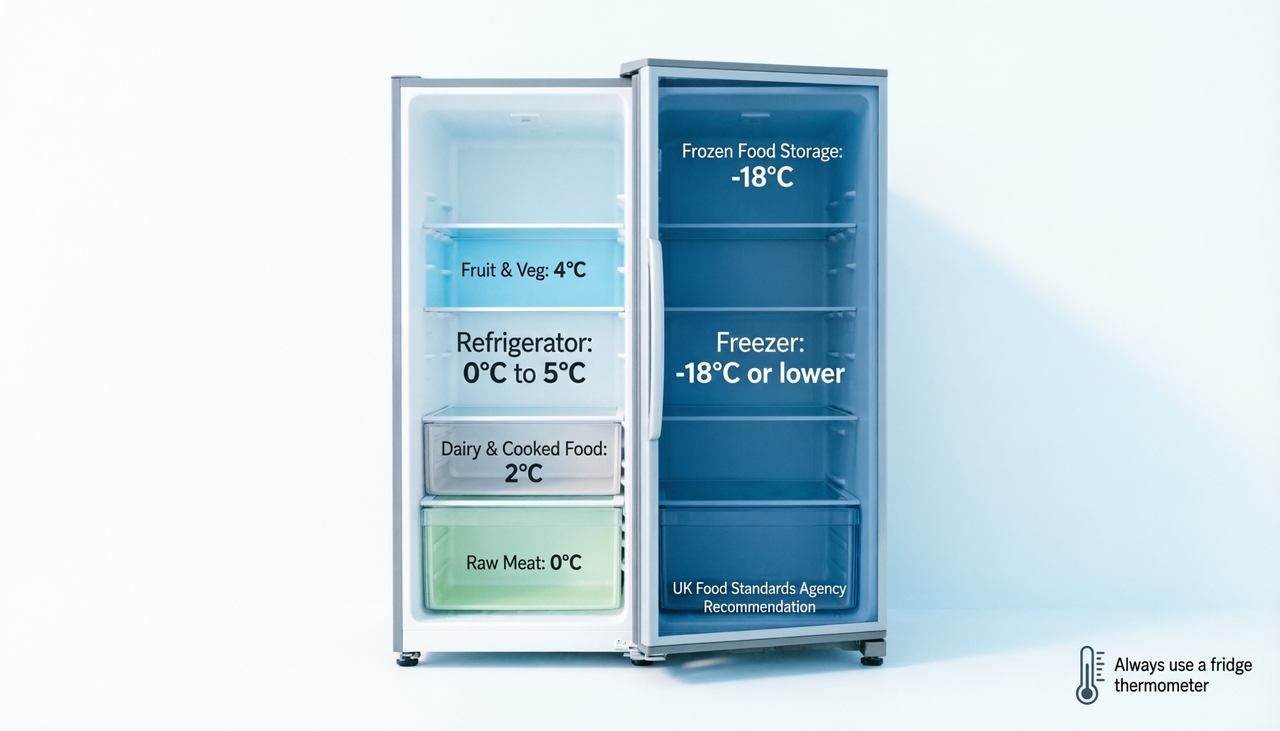
The ideal temperature for a freezer in most UK households is -18°C (0°F). This temperature is generally recommended for food safety, appliance efficiency, and long-term frozen food storage.
At around -18°C:
Frozen foods stay frozen.
The bacterial activity is drastically reduced
Improved food texture and flavor is achieved
Ice crystal growth is reduced
Most modern freezers are optimized to function within this temperature range. Reducing the temperature any further can increase electricity consumption, but may not provide much extra food preservation.
Recommended fridge and freezer temperatures in the UK
A stable refrigeration temperature is necessary for food safety and the performance of the appliance. Freezers are used to store frozen foods; refrigerators should be cold enough to inhibit bacterial growth but not to freeze fresh food unnecessarily.
The usual suggestions for setting your house temperature are:
Appliance | Recommended Temperature |
Freezer | -18°C |
Refrigerator | 3°C to 5°C |
Fridge Freezer Combination | Fridge: 3°C–5°C / Freezer: -18°C |
Appropriate temperature control also ensures that appliances function efficiently and do not waste energy.
Why correct freezer temperature matters
The temperature of a freezer is more than just for food storage. Appropriate temperature management can help keep food safe, minimise energy loss, enhance the performance of food appliances, and ensure uniform freezing temperatures across different climate conditions.
Food safety and bacteria prevention
Proper freezing of food will limit bacterial growth and reduce the likelihood of spoilage in the long term. Freezing does not kill all bacteria, but the stable, low temperatures help prevent bacterial growth and make food safer for longer.
Properly frozen and refrigerated foods that are not kept at the recommended freezer temperature can become unsafe if left in the freezer for an extended period or if they are repeatedly thawed and refrozen.
Preserving food quality and freshness
Freezer temperatures help to preserve:
Food texture
Flavor
Nutritional quality
Moisture balance
If freezers are allowed to exceed the recommended temperature, ice crystals may form more quickly, leading to freezer burn and poor food quality. For meat, vegetables, store-bought frozen foods and other home foods, stable freezing temperatures will help to preserve storage performance.
Energy efficiency and appliance performance
Stable freezer temperatures typically result in higher efficiency than freezers that are constantly trying to catch up with variable temperatures. Bad settings can cause compressors to operate more often, thereby consuming more electricity and putting further stress on appliance components.
Keeping recommended temperatures is a good idea:
Reduce energy usage
Improve appliance lifespan
Lower electricity costs
Reduce the cooling lag in the system.
Temperature stability during power interruptions
Short power outages can cause energy-efficient freezers to thaw, and even if power returns, they may still reach unsafe temperatures. It is important to keep the temperature stable during outages, to help prevent unnecessary spoilage to frozen food.
For households in locations vulnerable to brief power outages, additional backup power planning can help keep their refrigerator running during a disaster.
How to check and adjust freezer temperature
potential problems before they get worse.
Using built-in freezer controls
Homeowners can adjust cooling settings directly in most modern freezers, which have digital displays or adjustable temperature controls. Digital temperature systems can be more accurate in readings than older dial systems.
To adjust freezer temperatures:
Do not put the equipment into or out of the freezer or refrigerator too quickly.
Give several hours to settle down
Monitor internal temperatures regularly
Ensure adequate ventilation of the appliance.
Checking temperature with a thermometer
An appliance thermometer is one of the most reliable ways to verify the real temperature of the refrigerator freezer. This is particularly helpful with older freezers or those that do not cool at a consistent rate.
Check freezer temperature:
Put the thermometer in the middle of the freezer.
Set aside for a few hours.
Make recommendations on how to read the file
Adjust controls as needed
Periodic temperature checks will help detect cooling problems before food safety is compromised.
Common signs your freezer temperature is incorrect
Freezer temperature issues can be detected from a number of warning indicators, such as:
Frozen food that has partially thawed or is soft.
Excessive frost build-up
Ice melting or refreezing
Increased compressor noise
Higher electricity usage
Leakage of water or condensation
Early solutions to temperature problems will avoid food spoilage and will decrease the long time consumption damage to the appliance.
Common freezer temperature problems and solutions
Freezer problems may still occur even if the appliances are set up properly, such as when airflow is hindered, the set temperature is incorrect, frost accumulates, or power is temporarily lost during a power outage. If this understanding of these problems is lacking, the household can have optimal conditions for food safety handling and appliance efficiency. When in doubt about a freezer's temperature, it is important to recognize the most common cooling issues and prevent costly food spoilage and undue strain on the appliance.
Freezer too warm
If the freezer is not cold enough, it can be difficult to maintain a low enough temperature to keep food frozen safely, particularly on warmer days or when the freezer is used frequently. If any of the following is observed, the internal temperature of the food may have exceeded the recommended level: soft frozen foods, leaking water, or melted ice.
Common causes include:
Frequent door opening
Blocked air vents
Faulty door seals
Overloaded freezer compartments
Incorrect thermostat settings
If you have a freezer and are wondering, "What is a good freezer temperature?," keep it at or near -18°C for optimal food storage. Vent cleaning and limiting extra door openings can often yield results quickly.
Freezer too cold
It is important to keep foods frozen, but extremely low temperatures can increase electrical usage and place undue stress on components. Frost build-up is another problem that can occur in freezers, especially if they are kept at very cold temperatures, below -18°C, which may also contribute to inefficient compressor cycling.
When checking the temperature of a freezer, do not set it too cold unless it is for a short term only, due to extreme weather, or if a lot of fresh food has been placed in the freezer.
There are a number of indications that a freezer may be too cold:
Thick frost accumulation
Ice-covered food packaging
Increased energy bills
Constant compressor operation
Balanced temperature control settings help ensure long-term appliance efficiencies and unnecessary energy waste is avoided.
Frost build-up and uneven cooling
If there is too much frost inside the freezer, airflow may be impeded, leading to uneven cooling and inconsistent temperatures. Warm air is usually let into the appliance by damaged seals or opening the door frequently, which causes frost issues.
The uneven cooling may lead to:
Some food items are not completely thawed
Vent ice blocks
Reduced cooling efficiency
Higher electricity usage
Households checking the temperature their fridge-freezer should be at should also ensure there is no obstructed airflow inside the fridge-freezer. Allowing proper spacing between the frozen foods will help the air circulate more freely within the unit.
Power outages and temperature stability
Freezer temperatures can be drastically affected by power outages, particularly in the heat of summer or when power is out for an extended period. Refrigeration systems can remain without power for extended periods, even when set to the proper temperature, causing potential food safety issues in the home.
Usually, most unopened freezers will keep food safely frozen for about 24 – 48 hours, depending on:
Outdoor temperatures
Freezer insulation quality
How full is the freezer
How many times are doors opened
To assist in the maintenance of temperature stability during the outages:
Minimize the opening of freezer doors
Don't use appliances unless it's necessary.
Employ appliance thermometers (if available)
Plan for back-up power support for refrigeration
Reliable backup power for refrigeration and food safety
The need to keep homes refrigerated during power outages is becoming a significant aspect of household energy planning, as homes become more reliant on electricity. What temperatures refrigerators and freezers should be is not just an issue for households, but backup energy is also being considered more widely as households look to maintain the quality of their food and minimize waste during brief power outages.
Reliable backup energy can assist with:
Refrigerators and freezers
Essential kitchen appliances
Internet and communication devices
Medical refrigeration needs
Basic household electricity
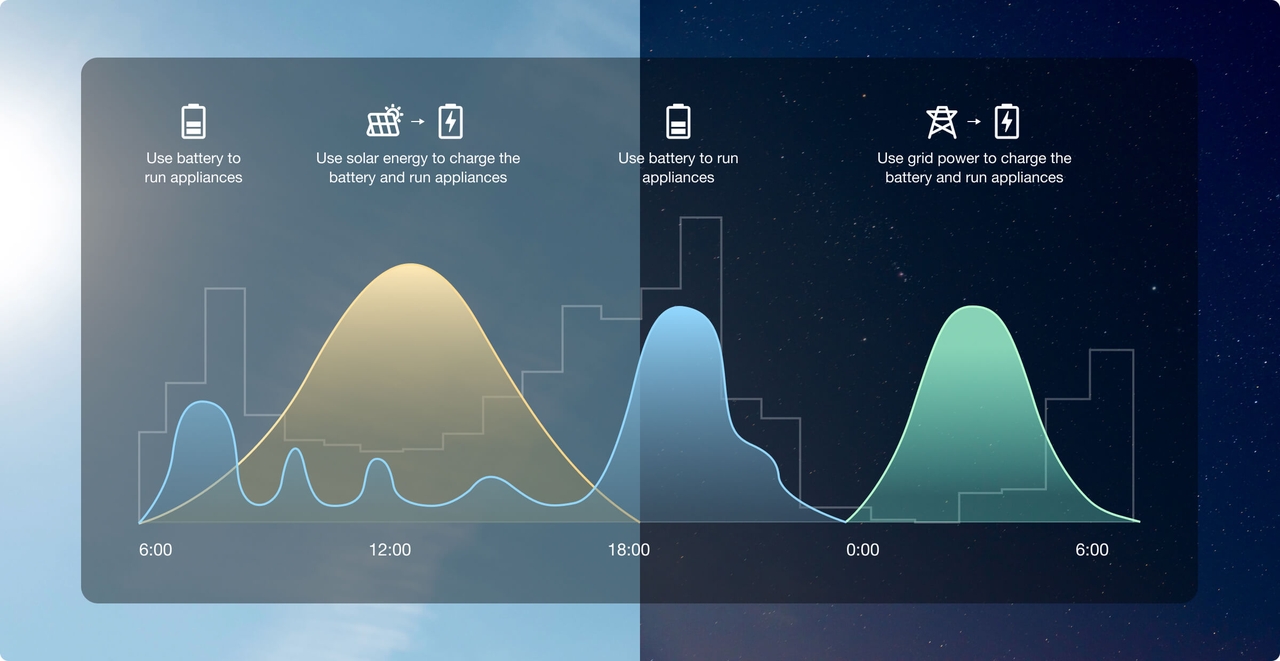
With smart energy management systems, residential battery storage will become increasingly valuable to households seeking greater resilience to energy interruptions.
Why backup energy matters during outages
Power outages, no matter how short, can cause freezer temperatures to exceed the safe storage range, leading to food spoilage and unnecessary waste. Backup electricity can help households maintain refrigeration stability and provide greater overall emergency preparedness.
Backup energy planning can be useful:
Keep the freezer at a constant temperature
Protect refrigerated medications
Reduce food waste
Support essential appliances
Protect residents' health and safety with medical requirements during a power outage.
With growing concerns about electricity reliability, households are increasingly embedding backup power systems into broader home energy management strategies.
Home backup protection with EcoFlow PowerOcean Single-phase
Modern residential battery systems are designed to help local homes maintain a stable power supply during power outages and to improve overall energy performance. For home backup planning, solutions like EcoFlow PowerOcean Single-phase can offer power storage to ensure critical home functions, such as refrigeration and freezer protection.
Residential energy systems can benefit by incorporating battery storage, which can enhance:
Appliance reliability
Solar self-consumption
Backup power availability
Long-term energy flexibility
When homes are considering what temperature a freezer should be, consistent performance in the event of an outage is increasingly becoming a valuable piece of energy resiliency planning.

Smart appliance energy management with EcoFlow Intelligent HEMS
The smart home energy management system can enable homeowners to track their appliances' electricity consumption and distribute energy to the house more efficiently. During normal operation and temporary power outages, platforms like EcoFlow Intelligent HEMS enable home users to better control the refrigeration performance.
Smart monitoring systems could be beneficial:
Prioritise essential appliances
Monitor energy consumption
Enhance battery charging efficiency
Utilise backup energy in an optimal way
Provide long-term energy planning for households
With the advancement of refrigeration systems toward more energy-efficient operation, intelligent energy management is becoming increasingly important to ensure stable operation of refrigeration appliances and waste reduction of electricity.
Tips to improve freezer efficiency and reduce energy use
Freezer efficiency not only saves electricity but also helps to ensure the long-term efficiency of the appliance and the quality of food stored in the freezer. Households that have read this question should also take the time to do some basic maintenance to ensure their fridge-freezer operates more efficiently and stays cooler.
To optimise freezer performance:
Do not overfill the freezer, and prevent the circulation of air
Seal the door securely, so warm air will not enter the door
Defrost periodically if excessive frost builds up.
Keep freezer temperatures as recommended -
Avoid needless opening of doors where possible
There are simple ways we can help ensure the freezer functions at its best and keep families safe and stable food storage areas.
Conclusion
Ensuring a proper freezer temperature is crucial for food safety, long-term energy performance and the efficiency of the freezer. Households can be concerned about the freezer temperature or the need for backup power for refrigeration; in both cases, it is crucial that cooling remains stable to safeguard the quality of frozen food and minimise food waste.
The ideal freezer temperature for most homes in the UK is -18°C. Proper freezer maintenance, reliable backup energy planning, and regular temperature monitoring can also help increase refrigeration stability during outages and emergencies.
Combining efficient refrigeration methods, intelligent home energy management, and backup power systems can help households keep the food they store in both their home and refrigerator cool, safe, and energy-efficient as they become more energy-dependent.
FAQs
What temperature should a freezer be in the UK?
For most households, the recommended answer to what temperature should a freezer be UK is around -18°C. The ideal temperature will keep your food frozen safely and help keep your appliance running efficiently. A freezer temperature maintained at this level decreases bacterial growth, helps maintain the quality of food and enhances storage quality. If temperatures are much higher than this, the risk of food spoilage will be higher over time.
What temperature should a fridge freezer be set at?
If you're unsure about what the correct temperature should be for a fridge freezer, the following are the recommended settings:
Fridge section: 3°C to 5°C
Freezer section: -18°C
This balance will help maintain the safety of storage for both fresh and frozen foods. Using a thermometer to regularly check the temperature of the appliances can also help improve cooling accuracy and energy efficiency.
Is -18°C the ideal freezer temperature?
Yes, the temperature that a freezer is kept at is usually -18°C as this is the most safe and will help the appliance to run efficiently. Frozen foods will stay in good condition at this level, while reducing freezer burn and energy consumption.
What happens if the freezer is too cold?
A freezer not set to the recommended temperature will require more electricity and produce excessive frost. Households looking at what the freezer temperature should be should not set the freezer temperature below the recommended setting, as it can be less energy-efficient and strain the compressors without providing any benefits to the food.
How can I keep my freezer running during a power outage?
During an outage, freezer performance will be maintained by reducing temperature swings and safeguarding freezer refrigeration equipment from extended power outages. Households investigating the question of "What temperature should a freezer be kept at?" should also be ready for emergency situations by:
Using a backup power supply for the refrigerator/freezer
Using appliance thermometers for monitoring
Cleaning up the freezer racks
The first step is to think about a backup energy source for homes. The first step is to look at a home backup power solution. Battery storage systems and intelligent home energy management platforms can also help maintain refrigeration stability during electricity shortages for a few minutes.

