
Home Battery Storage in the UK Without Solar: Is It Worth It?
Yes, a home battery without solar can still be worth it. Especially if you’re on a smart time‑of‑use tariff like Octopus Agile, Intelligent Octopus Go, or British Gas Electric Driver. Charge the battery overnight at lower off-peak rates – which can vary depending on the tariff – and use that stored electricity during more expensive daytime or evening periods. For some UK households, annual savings may range from several hundred pounds depending on electricity usage, battery capacity and the gap between peak and off-peak rates.
This guide looks at whether a battery‑only setup makes financial sense for UK homes. We’ll cover how much you can save, what you need to get it installed, and how to pick the right system for your place.
Key Takeaways
Grid-Only Charging Works Seamlessly: Modern AC-coupled battery storage connects directly to your consumer unit, allowing you to charge 100% of your power from the grid during cheap off-peak windows.
Smart Tariffs Are Essential: The financial case depends entirely on the price gap between day and night electricity rates.
0% VAT Incentive: Battery storage installations may qualify for 0% VAT relief in the UK under current rules, depending on the system type and installation circumstances.
Future-Proof Scalability: Modular batteries allow you to start with modest storage and add capacity later if you install a heat pump, buy an EV, or add rooftop solar panels.
Can You Use Home Battery Storage Without Solar Panels in the UK?
Home batteries don’t need solar panels to do their job. You can charge a standalone unit straight from the grid. Then use that stored power when you need it. Simple as that.
Battery-Only Storage Availability for UK Homes
Standalone battery storage is often called an AC-coupled system. It’s widely available and fully approved for UK homes. The setup is straightforward. Instead of taking DC power from solar panels, the battery hooks straight into your home’s existing AC circuits. That’s done through an inverter. For homeowners planning future renewable upgrades, choosing a compatible EcoFlow Solar Battery system can also provide flexibility to integrate solar generation later.
You don’t need a modern property to make it work. Victorian terrace, suburban semi, new‑build townhouse – as long as your wiring and earthing are up to standard, you can have one installed.
Grid Charging and Energy Supply Without Solar Panels
Operating a battery without solar is straightforward:
Automated Overnight Charging: During the cheapest off‑peak hours, usually between 00:30 and 05:30, the battery pulls power from the grid and charges up to full.
Daytime Power Supply: When household demand picks up in the morning or spikes during the evening peak – typically 16:00 to 19:00 – the battery takes over. It runs your lights, kitchen appliances, and entertainment systems.
Seamless Transition: If the battery runs low, your home switches back to the grid. No interruption. No flickering lights. In most cases, the transition happens automatically with minimal disruption.
Why Is Home Battery Storage Without Solar Worth Considering in the UK?
Installing a standalone battery offers practical and financial advantages, particularly for properties where rooftop solar isn’t feasible or desired.
Lower Energy Bills With Off-Peak Electricity Rates
The core financial driver is electricity price arbitrage. Understanding how much electricity costs per kWh helps households compare standard daytime rates with cheaper overnight tariffs. Instead of buying electricity at standard variable rates throughout the day, you fill your battery at rock-bottom overnight prices.
However, simply installing a battery is not always enough to maximise savings; understanding your daily consumption profile is vital. The EcoFlow PowerInsight 2 functions as an intelligent home energy management console. Featuring an 11-inch touchscreen display, it provides real-time visibility into home energy flows. Powered by AI Energy OS, it analyses your household consumption patterns to tailor charge and discharge cycles, ensuring you extract maximum financial value from low off-peak rates.Alt: EcoFlow PowerInsight 2 Home Energy Monitor
.png)
Greater Protection From Peak Electricity Prices
Energy price volatility has made winter heating and daytime cooking expensive. With an adequately sized battery, you insulate your home against high daytime and evening rates. When your neighbours are running kettles, washing machines, and ovens at peak tariffs, your home runs primarily on electricity bought hours earlier at a fraction of the cost.
A Suitable Option for Homes Without Solar Roof Space
Rooftop solar isn’t an option for every UK home. A standalone battery is ideal if:
Your roof faces north or suffers from heavy shading by mature trees or neighbouring buildings.
You live in a conservation area, listed building, or leasehold property where exterior roof alterations face strict planning constraints.
The structural design, pitch, or roof space is insufficient to accommodate a standard 4kWp solar array.
How Much Can a Home Battery Without Solar Save in the UK?
How quickly you see a return depends on a few things. Your daily usage in kilowatt‑hours. The usable capacity of your battery. And the tariff you choose. Get those right, and the numbers start to stack up.
Potential Annual Savings From Battery-Only Storage
To illustrate how tariff spreads can affect the economics, the table below uses a simplified scenario with an off-peak charging rate of about 8p/kWh and a higher rate of about 26p/kWh. These figures are examples rather than typical savings: actual results depend on the tariff, how much consumption can be shifted through the battery, round-trip efficiency, battery operating limits and household demand.
| Household Profile | Average Daily Usage | Recommended Battery Capacity | Estimated Annual Electricity Cost (Standard Rate) | Estimated Annual Cost With Battery | Illustrative annual savings |
|---|---|---|---|---|---|
| Small Flat / 1–2 Bed Home | 6–8 kWh | 5–7 kWh | £600 – £800 | £350 – £450 | £250 – £350 |
| Medium Home (3 Bed Semi) | 10–14 kWh | 10–12 kWh | £1,000 – £1,400 | £550 – £750 | £450 – £650 |
| Large Home (4+ Bed / EV / Heat Pump) | 18–25 kWh | 15–20 kWh | £1,800 – £2,500 | £950 – £1,300 | £850 – £1,200 |
Note: Illustrative calculations only. They are not forecasts or guaranteed savings. Actual electricity costs and savings can differ substantially depending on tariff rates, charging windows, household consumption, battery efficiency, usable capacity and system configuration.
Factors That Affect Your Battery Savings
How much you can save with a home battery depends on more than its storage capacity. The value comes from how well the battery works with your electricity tariff, household demand and daily energy use. Several factors can affect how much of your potential savings you actually realise.
Tariff Price Differential
The bigger the gap between off‑peak and peak rates, the more you can save each cycle. A battery really earns its keep when it can charge cheaply and cover a decent chunk of your home’s power use during expensive periods.
Battery Round‑Trip Efficiency
Some energy gets lost as it passes through the battery and inverter. Higher‑efficiency systems lose less. With LFP batteries, you can get 90% or more efficiency, meaning most of the cheap power you buy actually makes it to your appliances.
Daily Energy Matching
Think about your typical demand, not just getting the biggest battery you can afford. Understanding how many kWh a house uses each day helps you choose the right battery size. Too small and it’ll run out before the expensive period ends. Oversized and you’re paying for capacity you don’t use, with no real savings to show for it.
Seasonal Changes in Energy Use
Your savings shift through the year. Winter sees higher consumption, heating, immersion heaters, tumble dryers all drain the battery faster. Summer demand is lower, so you might end up with surplus storage. Smart charging and discharging helps the battery adapt to those changing patterns.
Typical Payback Period for a Home Battery System
The payback period for a battery-only system varies significantly. It depends on the installed cost, usable battery capacity, round-trip efficiency, household consumption and, above all, the difference between the rates used to charge and discharge the battery. Current VAT treatment can also affect the upfront cost of qualifying installations. Before buying, compare the total installed cost with an estimate based on your own half-hourly consumption data and the specific tariff you plan to use.
What Should You Consider Before Installing Home Battery Storage Without Solar?
Before booking an installer, several practical and technical factors must be evaluated to ensure seamless performance and safe operation.
Pre-Installation Checklist:
Smart Meter Installed (SMETS2 preferred for time-of-use tariffs)
Adequate Wall/Floor Space (Utility room, garage, or sheltered outdoor area)
DNO Approval (G98 or G99 notification to your local network operator)
Future Capacity Planning (Account for future EV chargers or heat pumps)
The Right Battery Capacity for Your Energy Usage
For UK households without solar panels, choosing an energy storage system requires balancing current daily electricity consumption against anticipated future demand, such as adding an electric vehicle (EV) or installing a heat pump.
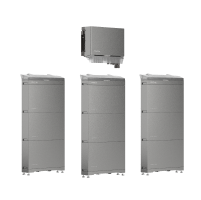
The EcoFlow OCEAN 2 Plus Single Phase offers an adaptable solution, supporting scalable storage up to 60kWh with a single inverter. This modular architecture allows households to expand their storage capacity step-by-step as their energy needs grow. Built on advanced Lithium Iron Phosphate (LiFePO4) battery chemistry, it delivers up to 10,000 cell life cycles. This extended endurance makes it suitable for regular off-peak charging and peak-time discharging, helping improve the system’s long-term value over its operating life.
Smart Tariff and Meter Compatibility Requirements
Most time-of-use tariffs need a compatible smart meter. But the exact requirements vary by supplier and tariff. Octopus, OVO, and British Gas all offer plans that let you charge your battery during cheap periods. It’s also worth choosing a system that can connect with a wider Home Energy Ecosystem, allowing smarter control of charging, discharging, and future household energy devices without manual adjustments.
Installation Space and Electrical Requirements
While standalone batteries require far less hassle than full solar setups, they still demand the right physical and electrical groundwork. Before your installer arrives on site, make sure your home ticks the following boxes:
Location
Batteries can be mounted in garages, utility rooms, loft spaces (subject to weight limits and ambient temperatures), or on sheltered external walls with appropriate IP weather ratings.
Consumer Unit & Earthing
Your domestic consumer unit must accommodate an additional dedicated circuit breaker, and your earthing arrangements (PME / TT) must meet current IET Wiring Regulations (BS 7671).
DNO Permissions
Installers must register systems under G98 regulations (for systems under 16A per phase / 3.68kW) or apply for G99 approval for larger multi-unit inverters.
Is Home Battery Storage Without Solar the Right Choice for Your Home?
Choosing between a standalone battery and a full solar-plus-storage setup comes down to your property type, upfront budget, and living arrangements.
Homes That Benefit Most From Battery-Only Storage
Battery‑only storage works well in homes where solar panels are tricky. Conservation areas. Heritage properties. Roofs that are shaded, awkward, or just too small. It’s also a good fit if you want to make the most of time‑of‑use tariffs without paying for a full solar install. Households that use more power in the morning and evening tend to benefit most. Charge up when rates are low, use the battery when prices spike. Simple as that.
Battery-Only Storage vs Solar Battery Systems Comparison
| Comparison Feature | Battery Storage Without Solar | Solar Panels + Battery Storage |
|---|---|---|
| Primary Power Source | Low-cost off-peak grid electricity | Self-generated solar energy + off-peak grid |
| Upfront Cost (Inc. VAT relief) | £3,000 – £7,500 | £7,500 – £14,000+ |
| Installation Complexity | Low (Internal wiring, compact footprint) | High (Scaffolding, roof work, internal wiring) |
| Roof & Space Dependency | None (Needs small floor or wall area) | Requires unshaded, structurally sound roof |
| Weather Dependency | Less affected by weather conditions | Dependent on daylight and seasonal sunlight |
| Carbon Footprint Reduction | Moderate (Shifts demand to cleaner night grid) | High (Generates on-site renewable energy) |
| Typical Payback Period | 7 – 10 Years | 8 – 11 Years |
Schedule Your Free Consultation Today!
What kind of product or solution are you interested in?

Conclusion
Battery storage without solar is a proven, cost‑effective strategy for UK homes. Pair a decent LiFePO₄ battery with a modern time‑of‑use tariff, and you can sidestep those steep daytime peak prices. Save hundreds on your annual bills. And build a flexible base for future clean‑energy upgrades. If solar panels aren’t practical for your property, a standalone battery is still a solid, accessible way to take control of your energy.
FAQs
Do I need a smart meter and a special tariff to run a battery without solar?
Yes. You’ll need a working SMETS2 smart meter and a time‑of‑use tariff. Without those, it can be harder to achieve meaningful savings. The whole point of a standalone battery is price arbitrage: charge when it’s cheap, discharge when it’s expensive. No differential tariff means no benefit.
Can I install a battery‑only system in a flat or rented property?
In an owner‑occupied flat, yes – but you’ll need freeholder permission and fire safety sign‑off. Rented properties are trickier. Since the battery has to be hardwired to your fuse box and mounted on a wall, you’ll need written landlord consent. For renters, portable power stations are usually a more practical option.
Can a battery without solar keep my lights on during a power cut?
Yes, but only if it has an Emergency Power Supply or an automated gateway. Standard systems shut down during blackouts for safety reasons. An EPS setup isolates your home and keeps essential circuits running – lighting, internet, the fridge.
Can I add solar panels to a battery‑only system later?
Yes, It is usually simpler compared with installing a complete solar-plus-storage system. If you go for a hybrid or expandable AC‑coupled system, adding panels and a PV inverter later is simple. No major changes needed to your existing battery setup.
How long does it take to charge a home battery from the grid?
Most domestic home batteries charge from empty to full in 2.5 to 4 hours. Charging speed depends on your inverter’s power rating (typically 3.6kW to 5kW on single-phase UK supplies) and easily completes within standard 4- to 5-hour off-peak night windows.

