
Home Battery Installation: A Complete Guide for UK Homeowners
A home battery lets you store excess solar electricity or charge from the grid during cheaper off-peak periods for use later. For UK homeowners, the right setup depends on how much energy the household uses, what solar generation is already installed, where the system can be safely located, whether backup power is required, and the applicable grid connection rules.
This guide covers what to consider before installing a home battery, how the installation process works, what paperwork may be required, and how to manage the system after installation.
Key Takeaway
Match the capacity to your usage: Choose a battery size based on your daily electricity use, solar generation and typical periods of higher demand.
Check your existing solar setup: Your existing inverter and panels will help determine whether AC or DC coupling is more suitable.
Plan where it will be installed: The battery needs adequate clearance, ventilation where required, and suitable protection from the elements.
Decide if you want backup power: Not every battery provides backup during a power cut, so check whether the system includes EPS or another backup function.
Think about future demand: If you may add an EV charger or heat pump later, consider a modular or expandable system.
Why Consider Installing a Home Battery in Your UK Home?
A home battery can help you use more of your own solar generation, make use of cheaper off-peak electricity, and keep selected essential loads running during some power cuts, provided the system has suitable backup functionality.
Store Excess Solar Energy for Later Use
Solar panels can generate more electricity than your home needs during the day. With solar battery storage, a battery can store some of that surplus for use later, reducing the amount of electricity you need to import from the grid.
Use Electricity When Energy Prices Are Lower
Even without solar, a battery can be used with time-of-use tariffs such as Octopus Agile or Economy 7. Depending on the tariff and system settings, it can charge during lower-price periods and discharge when electricity prices are higher, which may help reduce overall electricity costs.
Consider Backup Power for Power Cuts
Some home batteries include emergency power supply (EPS) functionality. When correctly configured, they can keep selected essential circuits running during a power cut, such as refrigeration, broadband equipment, lighting or heating controls.
What to Consider Before Installing a Home Battery
Before choosing a battery, consider how much electricity your home uses, whether you already have solar panels, where the system can be installed, and whether you need backup power. These factors affect the system size, configuration and installation requirements.
How Much Energy Does Your Home Use?
Your household’s electricity consumption is an important starting point for estimating the usable battery capacity you may need. The guide to how many kWh does a house use provides a useful comparison. Reviewing your recent energy bills can help you understand your typical daily electricity use and identify periods of higher demand:
The following ranges are illustrative rather than fixed sizing rules. Actual battery capacity should also account for solar generation, tariff structure, inverter power, backup requirements and the household’s load profile.
| Household Size | Daily Consumption | Typical Appliance Profile | Suggested Battery Usable Capacity |
|---|---|---|---|
| Small (1–2 occupants) | 6–8 kWh | Standard lighting, refrigeration, modest appliance use | 5–8 kWh |
| Medium (3–4 occupants) | 10–13 kWh | Daily wash cycles, entertainment, electric cooking | 10–15 kWh |
| Large (Family + EV / Heat Pump) | 18–30+ kWh | Regular EV charging, heat pump heating, high electrical demand | 15–30+ kWh (modular/expandable) |
A system that is too small may run out of usable stored energy before the end of a high-price period, while an oversized system can increase upfront costs without necessarily delivering proportional savings.
Do You Already Have Solar Panels?
The system architecture depends in part on whether solar generation is already in place:
Retrofitting with AC coupling: If you have an established solar array, particularly one covered by an older Feed-in Tariff (FiT) arrangement, an AC-coupled battery can be added alongside the existing solar system without necessarily replacing the solar inverter. Your installer should also check whether the proposed battery configuration affects any existing FiT arrangements or metering requirements.
New installations with DC coupling (Hybrid): If you're fitting solar panels and storage at the same time, a hybrid inverter can manage both the solar generation and battery within the same system. This can reduce the number of separate components and may reduce conversion losses compared with some AC-coupled configurations. You can compare EcoFlow Solar Battery options with your installer when planning panels and storage together.
Where Can a Home Battery Be Installed?
Modern lithium iron phosphate (LFP) batteries are designed to operate across specified temperature ranges, although low temperatures can affect charging and discharging performance. Suitable installation locations can include:
Utility rooms and hall cupboards: These can provide a convenient indoor location, provided there is adequate clearance, ventilation where required, and a suitable wall or floor structure to support the equipment.
Attached garages: These can simplify cable routing to the main electrical equipment while providing shelter from direct exposure to rain and wind, subject to the battery manufacturer's installation requirements.
Loft and roof spaces: These locations require particular care and may be unsuitable depending on the building, system and installation requirements. PAS 63100:2024 sets out specific requirements and recommendations for the location and fire safety of domestic battery energy storage systems, including considerations around escape routes and roof or loft spaces. Installers should assess the proposed location against the applicable standard, manufacturer instructions and building requirements rather than assuming that every loft or roof-space installation is permitted or prohibited. Non-compliant installation can also affect certification, warranty or insurance arrangements, depending on the circumstances.
External walls: Some batteries have IP65, IP66 or similar ingress-protection ratings and may be suitable for outdoor installation. However, the exact rating, temperature limits, clearances and mounting requirements should be checked against the manufacturer's instructions.
Do You Need Battery Backup During a Power Cut?
Not all home batteries provide backup power as standard. Grid-connected systems generally disconnect from the grid during an outage to avoid energising the network. If you require backup power, the battery system must be designed and installed with the appropriate backup or islanding equipment, which may include dedicated backup circuits or an automatic transfer arrangement, depending on the system.
What Happens During a Home Battery Installation?
A typical installation includes a site survey, system design, DNO notification or application where required, equipment installation, electrical testing and final commissioning. The exact process depends on the battery system, existing electrical installation and applicable DNO requirements.
Site Assessment and Energy System Planning
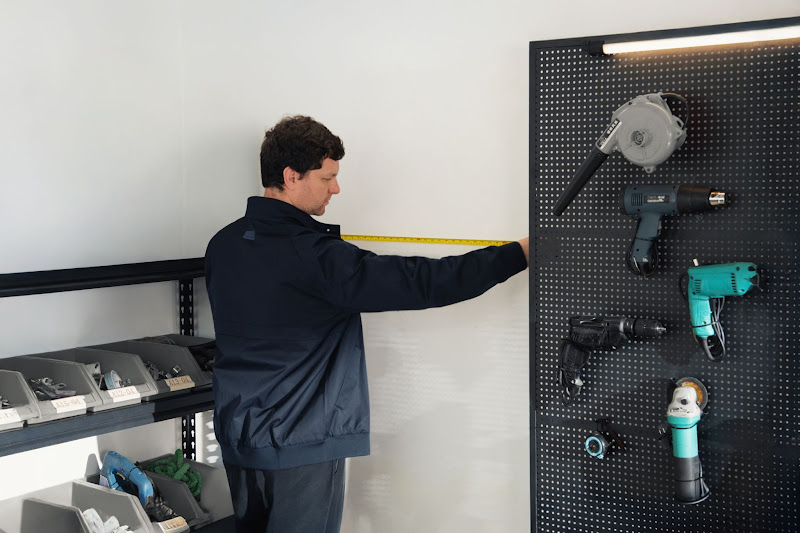
An appropriately qualified installer will review the incoming mains supply, check the main fuse rating, inspect the earthing arrangements, and assess available ways in the consumer unit. They may also measure cable run lengths and check the structural suitability and required clearances of the intended mounting surface. Where the installation is being carried out under an MCS scheme, the installer should follow the applicable MCS installation requirements.
DNO Registration and Installation Documentation
Before a battery storage system is connected to operate in parallel with the UK electricity network, the installer needs to determine the applicable DNO connection route. Depending on the system and connection characteristics, this may involve notification after installation or an application for approval before connection. Relevant DNO requirements should be checked for the specific property.
Engineering Recommendation G98: For eligible smaller installations within the applicable 16A-per-phase threshold (3.68 kVA on a typical single-phase connection), the system can generally follow a connect-and-notify route rather than requiring prior DNO approval. The installer must submit the relevant G98 notification documentation within the deadline specified by the applicable DNO.
Engineering Recommendation G99: Where the proposed installation exceeds the applicable G98 threshold or otherwise falls within a G99 route, a G99 application may be required before connection or commissioning. The DNO assesses the proposed equipment and network connection and may impose technical or export conditions depending on the circumstances.
Choosing the Battery, Inverter and Other Components
The balance between inverter continuous output power and battery storage capacity affects how well the system can handle simultaneous loads, such as running an induction hob while a tumble dryer is operating.
For homeowners, energy storage capacity does not necessarily need to be configured all at once. If you plan to add high-consumption equipment such as an electric vehicle or a heat pump in the future, prioritizing a modular, expandable storage system is sensible. For instance, the Ecoflow OCEAN 2 Plus single phase allows a single inverter to pair with up to 6 battery packs per tower, reaching up to 96 kWh of storage in a dual-tower setup. This flexible scalability makes it well suited for growing families or properties with escalating energy demands.
Connecting the Battery to Your Home Energy System
On installation day, qualified installers mount the battery and inverter, install the required protective devices, and connect the system to the home’s electrical installation in accordance with the manufacturer’s instructions and applicable wiring requirements. Depending on the system design, CT clamps or other metering equipment may be installed to monitor household consumption and grid import or export.
Electrical Testing, Commissioning and Safety Checks
Once the system is connected, the installer carries out the electrical inspection and testing required for the installation, which may include insulation resistance, polarity, earth fault loop impedance and RCD testing where applicable. The system can then be commissioned, including configuration of communications, firmware updates where required, and checks of charging and discharging functions. The handover documentation will depend on the installation and certification route but may include an Electrical Installation Certificate, MCS documentation where applicable, DNO confirmation and system manuals.
What Should You Consider After Installing a Home Battery?
Once the battery is installed, it is worth monitoring how the system performs across different seasons and tariff periods. Adjusting charging schedules and household usage patterns may help you make better use of the available battery capacity over time.
Monitor and Manage Your Home Energy in Real Time
Home energy systems generate a wide range of operational data, including solar generation, battery charge and discharge cycles, household demand, and grid imports or exports. When this information is spread across different devices, inverter portals or third-party apps, it can be harder to get a clear view of how the system is performing.
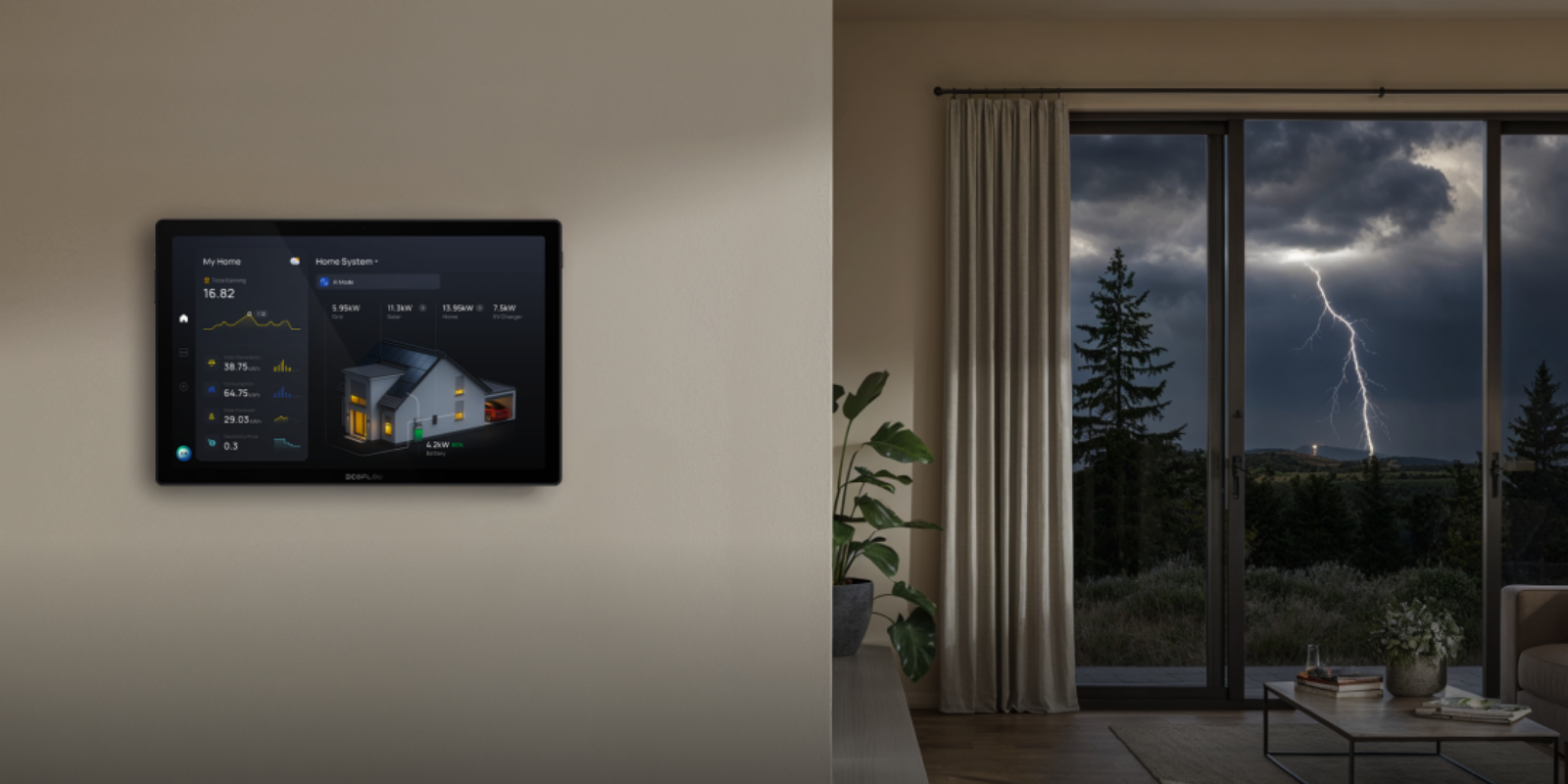
Centralized management simplifies this oversight. The EcoFlow PowerInsight 2 features a 10.95-inch, 1920 × 1200 HD touchscreen that displays comprehensive real-time energy flows—including solar generation, domestic consumption, and battery status—all in one place. Supporting Matter 1.4, it can connect with and automate compatible smart home hardware, alongside offering voice query support so you can check system performance without reaching for your phone.
Review Battery Performance and Energy Trends
Spend a few minutes each month reviewing the battery’s round-trip efficiency, state-of-charge patterns and charging behaviour across different seasons. If the battery regularly reaches 100% before midday in spring, there may be opportunities to use surplus solar electricity elsewhere, such as through an immersion heater or by shifting some household loads earlier in the day. Conversely, if the battery regularly reaches its minimum state of charge by early evening in winter, adjusting the charging schedule may help cover periods when electricity prices are higher.
Follow Maintenance, Warranty and Installation Requirements
Modern lithium battery systems generally require limited routine maintenance, but following the manufacturer's maintenance and operating requirements can help keep the system in good working order and support warranty compliance:
Clearance and airflow: Keep required ventilation openings and clearance areas unobstructed, following the manufacturer's installation requirements.
Firmware Maintenance: Keep the system firmware up to date and follow the manufacturer's guidance on automatic or manual updates.
Documentation: Keep digital copies of your MCS certificate, relevant DNO documentation and warranty records together for future reference, including insurance or property conveyancing where relevant.
Review Your Energy Strategy as Your Household Changes
A domestic battery system may need to be reassessed as household electricity use changes. If you add an EV charger, switch to a heat pump, create a home office, or household occupancy changes, your load profile may change as well. Review your supplier’s current tariff terms periodically and compare them with suitable time-of-use or smart tariffs. If your electricity demand consistently exceeds the battery’s useful storage during relevant periods, you can also discuss whether additional battery capacity is appropriate.
Schedule Your Free Consultation Today!
What kind of product or solution are you interested in?


Conclusion
A home battery can help UK households store solar electricity, use electricity during lower-price tariff periods, and maintain selected loads during a power cut when suitable backup functionality is included. Before installing one, make sure the battery capacity, inverter output, installation location and grid connection requirements are suitable for your home.
After commissioning, monitor how the system performs, review charging schedules as tariffs change, and reassess your storage needs if you later add equipment such as an EV charger or heat pump.
Disclaimer: The information in this guide is for general guidance only and does not constitute electrical, legal or professional installation advice. DNO requirements, standards, tariffs and installation costs may vary by property, system configuration and location and may change over time. Always check the latest requirements with your DNO and use a suitably qualified installer before installing or modifying a home battery system.
FAQs
Can I add a battery to my solar system in the UK?
Yes. A battery can be added to an existing UK solar PV system, for example through an AC-coupled battery system or, where appropriate, by replacing the existing solar inverter with a compatible hybrid inverter. The most suitable option depends on the existing system and installation requirements.
Can I charge my home battery from the grid?
Yes. Many modern home battery systems can be configured to charge from the grid during lower-price periods, provided the battery and tariff support this operating mode.
Can I use a home battery without solar?
Yes. A standalone battery can operate without solar panels. Where the battery and electricity tariff support it, it can charge during lower-price periods and discharge during higher-price periods.
How much does it cost to install a home battery in the UK?
A residential home battery installation in the UK can cost several thousand pounds, with the final price depending on battery capacity, equipment, inverter configuration, installation complexity and other site-specific factors. Current consumer guidance from the Energy Saving Trust puts typical battery storage costs at around £5,000–£8,000, while broader system prices can range from about £1,500 to £10,000 depending on the system and installation.
How long does a home battery usually last after installation?
Many domestic LFP batteries are designed for around 10 years or more of service, but actual lifespan depends on the battery chemistry, usage, operating conditions and manufacturer specifications. Some products are rated for thousands of charge cycles and may have warranties tied to a specified number of cycles or a minimum retained capacity. Check the individual manufacturer’s warranty and performance specifications for the exact figures.

