
Heat Pump Heating System: How It Works and Whether It's Right for Your Home
Heat pumps run on electricity to move heat from the air or ground into your home. They can cut your reliance on gas or oil, but performance hinges on insulation, radiator size and how well the system’s installed. This guide covers how heat pumps work, what to check in a typical UK home, and how to weigh up the costs and practical requirements.
Key Takeaways
Heat pumps move heat, they don’t burn fuel. For every 1 unit of electricity, you get 3 to 4 units of heat, that’s 300–400% efficiency.
They run best at lower flow temperatures (35–45°C). Think steady, gentle warmth rather than the short, fierce blasts you get from a conventional boiler.
The property matters more than its age. Good loft and cavity wall insulation, pipework sized correctly, and radiators matched to the system (or underfloor heating) all keep running costs down and noise low.
The Boiler Upgrade Scheme (BUS) softens the upfront cost. It knocks up to £7,500 off eligible installs in England and Wales.
Pair with home solar storage to get the most out of it. Charge a high-capacity battery during off-peak hours or sunny spells, and you’ll dodge peak electricity prices when the heat pump is running.
What Is a Heat Pump Heating System?
A heat pump uses electricity to transfer heat into your home instead of generating it by burning fuel. Understanding this difference helps explain how heat pumps work and why they operate differently from boilers.
How Heat Pumps Differ From Traditional Boilers
For decades, British houses have relied on combi, system, or regular boilers firing natural gas to heat water quickly to searing temperatures (often 60°C to 75°C). The differences between the two approaches shape how you experience warmth indoors:
| Feature / Metric | Traditional Gas Boiler | Heat Pump (Air Source) |
|---|---|---|
| Operating Style | Sprinter: Rapid cycling on and off at peak power | Marathon runner: Continuous, gentle low-and-slow operation |
| Water Flow Temperature | High (60°C – 75°C) | Low (35°C – 50°C) |
| Indoor Warmth Feel | Intermittent peaks and dips; scalding-hot radiators | Even, steady baseline warmth with no cold spots |
| Efficiency (COP) | ~88% – 92% (fuel lost via flue) | 300% – 400% (COP 3.0 – 4.0) (3–4 kWh heat per 1 kWh power) |
| Direct Fuel / Energy Source | Natural gas, LPG, or heating oil | Electricity (compatible with grid and rooftop solar) |
| Carbon Footprint | On-site hydrocarbon combustion emissions | Zero on-site emissions; decarbonises as the UK grid goes green |
| Typical Lifespan | 10 – 15 years | 15 – 20+ years with annual servicing |
Air Source vs Ground Source Heat Pumps
| Feature | Air Source Heat Pump (ASHP) | Ground Source Heat Pump (GSHP) |
|---|---|---|
| Heat Source | Ambient outside air | Underground soil or bedrock |
| Typical Efficiency (COP) | 2.8 – 3.8 | 3.5 – 4.5+ (Stable ground temps) |
| Outdoor Space Required | Modest exterior wall/patio space (~1–2 m²) | Large garden for trenches or drill rig access |
| Installation Disruption | Low to moderate (1–3 days typical) | High (extensive groundworks or boreholes) |
| Average Installed Cost (pre-grant) | £9,000 – £14,000 | £18,000 – £35,000+ |
| Suitability | Most detached, semi-detached, & suburban homes | Rural homes, acreages, and large plots |
How Does a Heat Pump Heating System Work?
A heat pump moves heat through a refrigerant cycle, then transfers it to the water used for heating and hot water. The main components each play a part in collecting, raising and delivering that heat.
Absorb Heat From the Air or Ground
Liquid refrigerant flows through an outdoor heat exchanger (the evaporator). Because this specialised chemical mixture boils at sub-zero temperatures (frequently below -20°C), even a freezing British morning at -2°C contains ample thermal energy to cause the liquid to absorb heat and evaporate into a cold gas.
Transfer Heat Through a Refrigerant Cycle
Once vaporised, the gas enters an electrically driven compressor. By squeezing the gas molecules tightly into a smaller volume, the compressor drives up the pressure and temperature substantially.
From there, the superheated vapor passes through the condenser (a plate heat exchanger). Here, the heat transfers across into the home’s water circuit, warming water for your taps and heating loops. Having surrendered its heat, the refrigerant condenses back into liquid, passes through an expansion valve to shed pressure, and cycles back to collect more outdoor warmth.
Distribute Heat Through Radiators or Underfloor Heating
Unlike conventional gas boilers that scorch water up to 75°C, a heat pump circulates gentle warmth at 35°C to 50°C, meaning room comfort relies on a broader surface area rather than blistering heat. This makes spacious underfloor heating loops the natural partner for low-temperature running, though swapping compact single panels for modern double- or triple-convector steel radiators (Type 22 or 33) provides an equally effective, snug heat across typical British living spaces without needing boiling pipework.

What Are the Advantages and Disadvantages of Heat Pump Heating Systems?
Heat pumps can use electricity efficiently and reduce on-site emissions, but they also involve upfront costs and changes to how a home is heated. Understanding the potential heat pump cost alongside these benefits can help you decide whether the system suits your property and budget.
Key Benefits of Heat Pump Heating
Far more efficient. A heat pump turns 1 kWh of power into 3 to 4 kWh of heat, well ahead of direct electric heaters or old gas and oil boilers.
Big cut in carbon. Replacing a gas or oil boiler with a heat pump can significantly reduce heating-related carbon emissions, depending on the system’s efficiency, the existing heating setup and the electricity supply.
Longer service life. A modern heat pump runs 15 to 20+ years with an annual service. A standard gas combi often needs major work after 10 to 12.
Grants to help with the cost. The Boiler Upgrade Scheme (BUS) puts £7,500 towards the kit and labour for eligible homes in England and Wales.
Steadier comfort. Keeping the house at a stable temperature means no cold corners and no chilly mornings, the usual story in homes where the heating switches on and off.
Main Drawbacks of Heat Pump Heating
It’s a big upfront spend. Even after the BUS grant, you’ll likely pay for pipework changes, a hot water cylinder or new radiators.
You’ll need room for a cylinder. Combi boilers heat water on demand from a box on the wall. A heat pump needs an unvented hot water cylinder, so clear space in an airing cupboard, garage or utility room.
The house needs to hold its heat. Draughty homes with uninsulated cavity walls or single glazing force the heat pump to run hotter, which drags down its COP and pushes up running costs.
Outdoor units need space and a thought for noise. The compressor has to sit clear of obstructions and stay within permitted development noise limits for neighbouring boundaries.
Is a Heat Pump Heating System Right for Your Home?
A heat pump can work in many types of UK homes, but the right setup depends on heat loss, existing radiators, available space and household demand. These checks can help identify what may need attention before installation.
Assess Home Insulation and Heat Loss
Before calling an installer, inspect your thermal envelope. Heat pumps excel when heat stays indoors rather than slipping through uninsulated ceilings or loose sash windows.
If your loft has thin 50mm insulation, rolling out modern mineral wool to reach 270mm is cheap and high-impact. Addressing draughty exterior doors, sealing floorboards, and verifying wall insulation will ensure you install a smaller, cheaper heat pump that runs efficiently.
Check Radiator and Underfloor Heating Compatibility
Heat pumps work best with lower flow temperatures, so radiators need enough surface area to keep rooms warm. An engineer can compare each room’s heat loss with its existing emitters; some older homes with narrow microbore pipes or small single-panel radiators may need a few larger radiators, but not necessarily throughout the house.
Consider Outdoor Space and Installation Requirements
An air source heat pump needs a suitable outdoor location, such as beside an external wall or on a level concrete pad, with enough clearance around the unit. You’ll also need space indoors for a hot water cylinder, especially if a previous combi boiler installation meant removing the airing cupboard.
Size the Heat Pump for Heating Demand
The heat pump should be sized to match your home’s heating demand. An oversized unit may switch on and off too often, while an undersized one may rely more on its immersion heater during cold weather. A qualified engineer can calculate heat loss room by room to determine the right size.
Choose a Qualified Heat Pump Installer
Always hire an installer certified under the Microgeneration Certification Scheme (MCS).
MCS accreditation ensures your installation complies with strict technical, noise, and performance benchmarks. Crucially, in England and Wales, you cannot claim the £7,500 Boiler Upgrade Scheme grant unless your installer is MCS-certified and applies for the voucher on your behalf.

How Can You Get the Most Out of a Heat Pump Heating System?
Once installed, a heat pump’s performance depends partly on how it is set up and used. Heating schedules, flow temperatures and energy monitoring can all help you manage comfort and electricity use. For households combining solar power with electric heating, solar battery storage may help make use of surplus solar electricity when it is available.
Adjust Heating Schedules and Flow Temperatures
Ditching the traditional British routine of firing the boiler for two quick blasts morning and evening is essential, as heat pumps perform best when left to glide steadily in the background. By letting weather compensation automatically dial down flow temperatures on milder days and using a modest night setback of just 1°C to 2°C, the system holds your home at an effortless, steady 19°C–20°C—consuming far less electricity than repeatedly dragging cold brickwork back up to temperature from scratch.
Use Solar Power to Support Heat Pump Operation
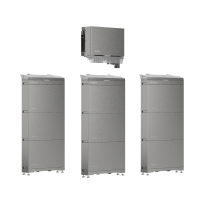
Pairing a heat pump with rooftop solar panels is one of the most effective ways to lower your winter running costs. For British households seeking to curb winter heating bills, storing daytime surplus solar power reduces the amount of expensive electricity you need to buy from the grid when running the heat pump through chilly evenings. The EcoFlow OCEAN 2 Plus Single-Phase supports up to 96 kWh of storage capacity in a dual-tower configuration, making it well-suited to tailoring battery reserves around your household’s winter heating load and overall power profile. By banking excess clean energy during off-peak windows or rare bright winter days, you can smooth out the grid demands of heat pump operation.
Track Household Energy Use and Solar Generation
When a home uses solar panels, battery storage and electric heating, understanding how these systems work together becomes increasingly important. A connected home energy ecosystem can help coordinate compatible energy devices and make household energy data easier to understand.
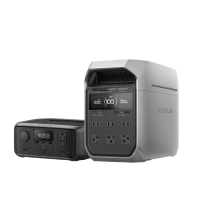
Managing an efficient electric heating setup depends on understanding when and where power flows throughout your home. For UK households using heat pump heating, tracking aggregate domestic electricity demand alongside solar output reveals straightforward ways to align heating schedules with daily habits. The EcoFlow PowerInsight 2 features a 11-inch touchscreen that consolidates home energy data from compatible systems into a single view. Having immediate, clear visibility over solar yields, real-time household consumption, and battery state of charge lets homeowners make informed, sensible adjustments to their heating cycles and energy routines.
Schedule Your Free Consultation Today!
What kind of product or solution are you interested in?
Conclusion
A heat pump may suit your home if it can meet your heating needs at lower flow temperatures and you have space for the required equipment. Before committing, ask an MCS-certified installer to assess room-by-room heat loss, radiators, hot-water storage and outdoor placement, then compare the full installation cost with any available grant. Good preparation can help you judge whether a heat pump is a practical long-term replacement for your boiler.
FAQs
Can You Use Existing Radiators with a Heat Pump?
Yes, in many cases you can keep some or all of your existing radiators, provided they are large enough to heat your rooms at lower water flow temperatures. During the pre-installation heat loss survey, an engineer checks whether certain radiators need upgrading to double-convector units (Type 22) or if adding underfloor heating in high-use areas is advisable.
Are Heat Pumps Noisy at Night?
Modern heat pumps are generally designed for quiet operation, but noise levels vary by model, operating conditions and installation location. Choosing a suitable outdoor position and following the relevant noise requirements can help minimise disturbance to neighbouring properties.
How Long Does a Heat Pump Usually Last?
A well-maintained heat pump typically lasts between 15 and 20 years. Because they use durable, sealed refrigeration circuits with fewer burnable components than gas boilers, scheduling an annual check of refrigerant pressure, glycol levels, and system filters will keep the system operating smoothly for decades.
Do Heat Pumps Work at Freezing Temperatures?
Yes, domestic heat pumps function reliably in freezing temperatures, continuing to extract usable heat down to -15°C or -20°C. While their efficiency drops slightly during extreme cold snaps compared to a mild spring afternoon, modern systems readily handle standard British winters and frosty mornings without trouble.

