
Government Grants to Replace Storage Heaters: UK Eligibility and Options
Replacing old storage heaters can be expensive, but some UK households may qualify for help with the cost. The options vary across England, Scotland, Wales and Northern Ireland, and eligibility can depend on your income, home and current heating system. This guide explains which schemes may apply, what they can fund and how to start an application.
Key Takeaways
Substantial financial support is available: Warm Homes: Local Grant, the Boiler Upgrade Scheme and Home Energy Scotland can help eligible households. Amounts vary by measure; heat-pump awards are different from storage-heater awards. ECO4 runs until 31 December 2026, but check whether your supplier is accepting applications.
Location dictates your route: Funding works differently depending on whether you’re in England, Scotland, Wales, or Northern Ireland.
Low EPC ratings can affect eligibility: Some schemes target homes rated D to G, but a mains gas connection does not automatically exclude a home from England’s Warm Homes: Local Grant.
Long-term running costs matter: New hardware is only step one. Pair it with smart monitoring and a home battery to keep your bills low long after the installers have gone.
Which Grants and Funding Options Are Available for Replacing Storage Heaters in the UK?
Available support depends on where you live and which scheme fits your circumstances. Some programmes focus on low-income households, while the Boiler Upgrade Scheme supports eligible property owners installing a heat pump. Any solar battery storage considered alongside a heating upgrade should be budgeted separately unless the funding provider explicitly confirms support.
Warm Homes: Local Grant in England
England’s Warm Homes: Local Grant targets eligible low-income households in privately owned or rented homes with EPC ratings D to G. A mains gas connection does not automatically exclude a home. Following a survey, the council agrees suitable funded improvements, such as insulation, an air-source heat pump, solar panels or smart controls.
Boiler Upgrade Scheme in England and Wales
Under the Boiler Upgrade Scheme (BUS), eligible property owners in England and Wales can receive £7,500 towards an air-to-water or ground-source heat pump. BUS is not means-tested; an MCS-certified installer should check the current property and installation criteria. The temporary £1,500 uplift for qualifying off-gas oil or LPG homes does not apply simply because a property has electric storage heaters.
Home Energy Scotland Grant and Loan Scheme
Home Energy Scotland offers eligible owner-occupiers grants and optional interest-free loans. Heat-pump grants can reach £7,500, or £9,000 with the rural uplift. High heat retention storage heaters have separate limits of £2,500 grant and £5,500 loan, subject to scheme conditions.
Welsh Government Warm Homes Programme (formerly Nest)
The Welsh Government’s Warm Homes Nest scheme provides advice and, for eligible households, a tailored package of free energy improvements. Measures could include a heat pump, insulation or solar panels. An assessment determines the suitable package; replacement of storage heaters with a particular technology is not guaranteed.
Energy Efficiency Funding Options in Northern Ireland
In Northern Ireland, support runs primarily through the Affordable Warmth Scheme (operated by local councils and the Northern Ireland Housing Executive) and the Northern Ireland Sustainable Energy Programme (NISEP). Support is aimed at eligible households and approved energy-efficiency measures. Check the current provider’s rules: eligibility and the heating technologies supported differ between schemes.
| Scheme Name | Region | Primary Heating Measures Supported | Income / Means-Tested? |
|---|---|---|---|
| Warm Homes: Local Grant | England | Heat pumps, High Heat Retention Storage Heaters (HHRSH), insulation | Yes (means-tested or low-income area) |
| Boiler Upgrade Scheme (BUS) | England & Wales | Air-source heat pumps, ground-source heat pumps | No (open to all eligible property owners) |
| Home Energy Scotland | Scotland | Eligible heat pumps, high-retention electric heaters | No benefit requirement; conditions apply |
| Nest Scheme | Wales | Air-source heat pumps, smart heating, insulation | Yes (means-tested benefits or health criteria) |
| Affordable Warmth / NISEP | Northern Ireland | Eligible heating and insulation measures | Yes (income thresholds apply) |

What Are the Eligibility Requirements for Storage Heater Replacement Grants?
Each scheme sets its own rules, but eligibility commonly depends on household income, the property’s energy rating, the existing heating system and whether you own or rent the home. Check the details for your region before applying, as meeting one scheme’s criteria does not guarantee eligibility for another.
Income and Benefit Requirements
Income and benefit rules differ between programmes. For England’s Warm Homes: Local Grant, household income is usually £36,000 or less, with additional qualifying routes through benefits or postcode. Check the relevant scheme’s current list; examples of benefits used by some schemes include:
Universal Credit
Income Support or Jobseeker’s Allowance (income-based)
Pension Credit (Guarantee Credit or Savings Credit)
Income-related Employment and Support Allowance
Housing Benefit
Note: The Boiler Upgrade Scheme (BUS) does not have any income or benefit requirements.
Property Eligibility Requirements
Your home’s Energy Performance Certificate (EPC) rating plays a pivotal role. Funding programmes prioritise the coldest properties: Understanding how to improve EPC rating can help you discuss insulation and heating priorities with an assessor.
Most local authority grants require an EPC band of D, E, F, or G.
Gas-grid and existing-heating rules vary by scheme; do not assume storage heaters put your household at the front of a funding queue.
Under BUS, an MCS-certified installer checks the current property and installation criteria; an EPC alone does not establish eligibility.
Eligible Heating Systems and Replacement Measures
Some schemes support replacement of inefficient existing heaters, but there is no universal heater-age or model requirement. Examples to discuss with the assessor include:
Old, manual, or broken slimline storage heaters (typically pre-Lot 20 models manufactured before 2018).
Inefficient electric panel radiators without thermostatic controls.
Funded replacements generally include air source heat pumps, ground source heat pumps, or Lot 20-compliant High Heat Retention Storage Heaters (HHRSH), which retain heat much longer into the evening. If you are asking “how do heat pumps work”, the guide explains the principles to help you compare them with resistance heating before the survey.
Eligibility Rules for Homeowners, Tenants and Landlords
Owner-Occupiers: Freest standing to claim both means-tested council grants and non-means-tested schemes like BUS.
Private Tenants: Can benefit if they meet income/benefit criteria, but work requires written consent from the landlord.
Landlords: Private landlords can access certain schemes, including BUS for eligible heat-pump installations. Contributions under local grants depend on the scheme and property; confirm the amount with the council.
Social Housing Tenants: Typically covered by dedicated Social Housing Decarbonisation Funds managed directly by local councils and housing associations.
How Do You Apply for Storage Heater Replacement Funding?
It usually kicks off with an eligibility check, then someone assesses your home and confirms the funding. The exact steps depend on the scheme. For some, an approved installer or local delivery partner handles the application for you.
Check Eligibility for Available Grant Schemes
Start by using the official government energy grant checkers or consulting your local council’s energy efficiency portal:
For England: Visit the UK Government’s gov.uk energy efficiency service.
For Wales: Contact the Nest advice helpline.
For Scotland: Reach out to Home Energy Scotland advisors.
For BUS: Find an MCS-certified heat pump installer directly; they will verify property eligibility on the national database.
Arrange a Home Energy Assessment
Once initial paperwork is cleared, an accredited retrofit assessor visits your property. They inspect room volumes, existing radiator wiring, insulation levels, and fuse box capacity to calculate exact heat loss. This survey determines whether your property can accommodate a low-temperature heat pump system or requires advanced high-heat-retention electric units.
Confirm Funding Approval and Installation Arrangements
After the assessment, the installer or delivery partner submits the grant claim. Once the funding allocation is locked in:
You receive an official grant approval or voucher confirmation.
A certified electrician and heating technician remove your old storage heaters (safely handling legacy materials, as very old units may contain asbestos insulation blocks).
The new system is fitted, commissioned, and handed over with manufacturer warranties and updated building regulations certificates.

How Can You Manage Energy Costs After Replacing Storage Heaters?
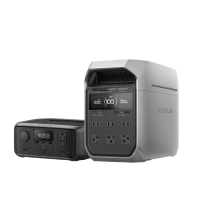
A new heating system can change when and how your home uses electricity. Monitoring consumption, reviewing your tariff and making good use of solar or stored energy can help you understand the running costs after installation. An EcoFlow home battery can be considered as part of that wider plan, with the costs and expected savings assessed separately.
Monitoring Household Energy Consumption
Replacing old heaters changes how your home draws power. Charging times vary by tariff, and a heat pump may run for longer periods at lower output than an older storage-heater setup. An energy monitor like the EcoFlow PowerInsight 2 can display energy information from compatible connected equipment. The detail available depends on the installed system and device integration. That takes the guesswork out of seeing how your new heating setup affects your bills.
Using Solar Generation and Battery Storage Together
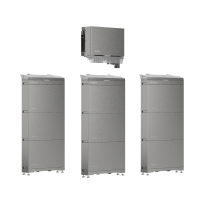
For homes that want to go further after a heating upgrade, rooftop solar plus a home battery is the next step. Electric heating peaks in the winter mornings and late afternoons, when daylight is limited, so storing surplus daytime solar or cheap off-peak power really matters. An all-in-one battery setup like the Ecoflow OCEAN 2 Plus single phase lets you bank cheap overnight electricity or capture your own solar for use during those chilly peak-rate evenings. It’s a practical buffer against winter price spikes, with savings depending on the tariff, system sizing and household demand.
Understanding Electricity Tariffs After Heating Upgrades
Traditional storage heaters relied on the legacy Economy 7 or Economy 10 tariffs, which offered cheap nighttime power paired with painfully expensive daytime electricity. Once modern heating is in place:
Smart Time-of-Use Tariffs: Compare tariffs suited to your heating pattern. Cosy Octopus offers scheduled cheaper periods, while Agile Octopus has half-hourly prices that vary; check current terms and rates before switching.
Standard Variable Tariffs: If you upgrade to an ultra-efficient heat pump that runs continuously at low outputs, an Economy 7 tariff might actually cost you more due to high peak day rates. Reviewing your smart meter data and switching to a suitable tariff can help you assess the system’s running costs; savings depend on your usage and tariff.
Schedule Your Free Consultation Today!
What kind of product or solution are you interested in?
Conclusion
The right replacement depends on your home, budget and available funding. Start by checking your EPC rating and the current rules for your part of the UK, then speak with the relevant scheme or an approved installer before committing to work. Comparing the likely installation cost, grant amount and ongoing electricity tariff will help you decide which option makes sense for your household.
Disclaimer: Government grants, eligibility criteria, funding amounts and application procedures may change over time and vary across England, Scotland, Wales and Northern Ireland. The information in this article is for general guidance only and does not guarantee eligibility or funding approval. Check the latest requirements with the relevant government department, local authority or official scheme provider before making any decisions or committing to installation work.
FAQs
How Much Does It Cost to Replace Old Storage Heaters?
Energy Saving Trust gives typical electric storage-heater installation costs of £900–£1,400 per room. Heat-pump conversion costs depend on the property and installation; obtain an itemised quote showing any eligible BUS grant separately.
Can I Combine a Storage Heater Replacement Grant with Other Energy Grants?
Separate insulation and heating support may sometimes be combined, but each scheme’s funding rules must be checked before work starts. The Great British Insulation Scheme ended on 31 March 2026, so it should not be treated as a current route for new installations.
Are storage heaters being phased out?
Storage heaters are not subject to a general phase-out. New products must meet the applicable ecodesign rules for their market; requirements differ between Great Britain and Northern Ireland. Check current product compliance rather than assuming every model requires the same set of controls.
Why is my storage heater using so much electricity?
High consumption can reflect the heater’s size, charge settings, heat demand, tariff or use of a daytime boost. Older models may release heat before it is needed. Check the controls and charging times, and ask a qualified professional to inspect suspected faults; immersion heaters normally heat domestic hot water rather than provide a storage heater’s boost.

