
UK Energy Management Systems: Innovative Energy Data Solutions 2026
Sky-high energy bills and inefficient power options have made managing home electricity a real challenge for UK households. Relying on outdated energy sources only drives costs higher. Taking greater control over residential energy consumption has become a priority for many homeowners.
In this article, we introduce the best energy management systems UK homeowners can use in 2026. These systems offer detailed, real-time tracking of electricity flows that highlight where and when energy use peaks. This helps you make informed decisions that can save energy cost and expenses.
What Is an Energy Management System?
An energy management system (EMS) is a comprehensive program that tracks and manages a household's storage, usage, and production of energy. The system collects data (regarding energy usage) from various sources, like smart meters and connected appliances, to show where energy goes and when they are utilized.
Upon collection of data, homeowners may configure the system in a way that it can automate or schedule devices, shift usage to cheaper times, and control batteries or solar panels for maximum benefit.
How an Energy Data Management System Fits In Your Home
The main function of an EMS is to provide accurate data on your home energy production and usage. It reveals every aspect that can be helpful to you in achieving an efficient use of energy at home, such as patterns of waste and usage trends. It can also calculate costs and measure efficiency.
The energy data management system acts as the intelligence layer inside the EMS. It provides near real-time power tracking and historical analytics to turn raw information into useful insights.
With an EMS, homeowners can address common questions for the achievement of energy efficiency. For instance, homeowners may determine the times at which the household consumes the most power. Or, identify appliances that drive up energy bills. Other relevant questions that can be addressed are as follows: How much of solar generation must be used directly? How much energy can be exported back to the grid? Should you move certain activities to off-peak hours for lower costs?
Key Benefits of Modern Energy Management Solutions
So, why invest in an EMS? Upon acquisition of this modern solution, you can significantly cut your home’s energy bills and achieve less reliance on the grid.
Lower energy bills
An EMS automatically shifts energy usage to periods when electricity is cheapest. It also optimises the use of self-generated solar energy, cutting expensive grid imports and maximising the value of every kilowatt-hour produced at home.
The system can also schedule high-energy tasks like EV charging or laundry for periods with lower tariffs. This reduces your electricity costs over time.
Increased energy independence and resilience
With home energy storage like EcoFlow PowerOcean, your home relies less on the external grid. This protects you from price hikes and supply interruptions. The system also manages battery reserves to keep essential appliances running during outages.
Better use of renewable energy
Most modern EMS are designed to prioritize using solar generation and battery charging. This minimizes the use of fossil-fuel-based grid electricity. With this approach, you are directly supporting sustainability goals and reducing your household’s carbon footprint.
System lifespan improvements
An EMS can control charging cycles and balancing loads. Hence, it can extend the life of batteries and other components. This proactive management approach lowers maintenance costs as well as delays the need for costly replacements.
2026 Energy Management Systems UK Trends
The future of the UK’s energy management system landscape seems to be promising, with a lot of innovative changes to expect.
Smart Meters
Smart meter adoption in the UK has grown steadily, and by the end of 2025 around 75% of UK households had one installed. Government targets are set at 85 to 100% coverage by 2030, with new regulations launching in early 2026. SMETS2 meters already enable real-time energy monitoring, helping users understand and reduce their consumption.
Time-of-Use (ToU) Tariffs
ToU tariffs can encourage users to shift their electricity source to cheaper options during off-peak periods. In the UK, only 9% of households currently use these plans. However, it is estimated that the adoption of ToU will grow steadily as smart meters become common.
Energy companies, such as E.ON, now offer mass-market ToU tariffs, combining fixed plans with time-sensitive pricing. Households can save up to £760 annually by adjusting their usage to off-peak periods.
EV Integration
Electric vehicles are increasingly central to home energy management. Vehicle-to-grid (V2G) technology lets users send stored electricity back into the grid. But most EVs will soon support ISO 15118 communication standards by 2026 to 2027, which can enable secure and two-directional energy transfers. Through V2G, some users could earn as much as £1,500 each year while helping stabilize the grid.
Virtual Power Plants (VPPs)
VPPs aggregate thousands of small energy resources, like home batteries and solar panels, to function as one large power source. This model helps balance grid demand during peak hours. One example of a VPP in the UK is Octopus Energy. Already operating with more than 100MW capacity, Octopus Energy rewards participation and boosts overall grid efficiency.
Schedule Your Free Consultation Today!
What kind of product or solution are you interested in?
The Role of Home Battery Storage in Energy Management
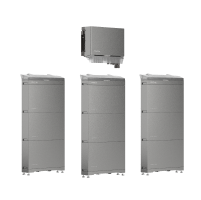
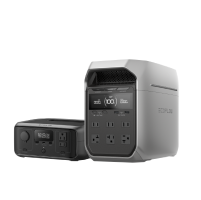
Again, the main function of an EMS is to determine the optimal times to charge (as well as which appliances to charge). One way to level up your EMS capability is to invest in home battery storage that stores the cheapest energy for later use.
When demand rises (which often results in grid rate spikes), the EMS automatically draws power from the battery. This ensures a constant supply to your home with stored power instead of expensive grid electricity. This strategy maximizes solar self-consumption for your home’s energy needs and contributes to lowering your energy bills.
EcoFlow's Home Energy Management System (HEMS) is an AI based energy management system that integrates with your home's renewable power sources. It uses AI-driven monitoring and control to optimise energy efficiency, maximise solar utilisation, and increase energy autonomy for more cost-effective consumption.
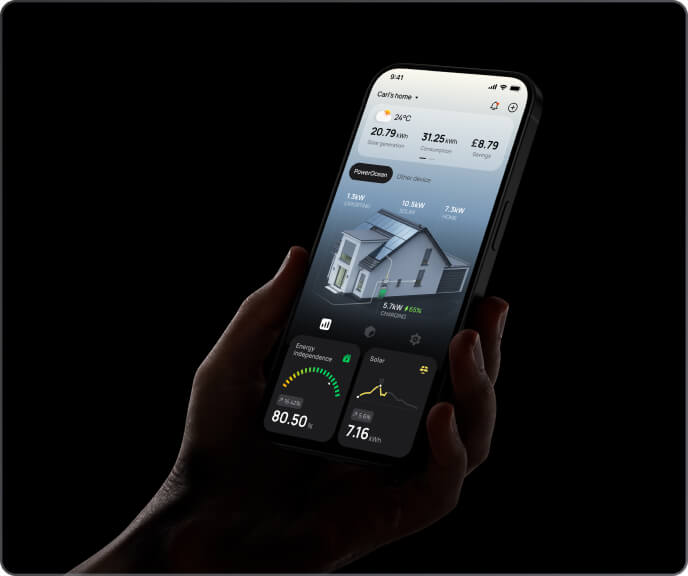
Consult with EcoFlow today and start striving for smart and sustainable home energy solutions.
FAQ
What is Energy Management?
Energy management refers to the process of monitoring energy to enhance usage efficiency and reduce costs. This covers any strategy that can be implemented for energy-saving, such as constant energy usage evaluation and optimal usage timing.
What is the ISO 50001 Energy Management System?
ISO 50001 is a global standard that provides a framework for organizations to manage energy more efficiently. It helps homeowners to establish systems that improve energy performance, reduce costs, and lower greenhouse gas emissions.
How much is an Energy Management System?
An energy management system typically ranges from £5,000 to £20,000, depending on the building’s size and required features. Smaller systems may cost around £5,000 to £10,000, while larger, more complex systems can exceed £20,000.
What are the benefits of smart energy monitoring in the UK?
Smart energy monitoring gives you a clear view of how and when your home uses electricity. You can track consumption in real time, spot wasteful patterns, and shift usage to cheaper periods. This is particularly useful when combined with a time-of-use tariff, as you can act on live data to cut your bills. You can learn more about home energy management systems to see how monitoring fits into a broader strategy.
Can I control my usage with a smart energy supplier app?
Yes. Many smart energy suppliers now offer apps that let you monitor consumption, review tariff rates, and adjust settings remotely. An energy management system app goes further, letting you control solar panels, battery storage, and home devices from a single interface. This gives you direct control over when and how your home draws from the grid.

