
Electricity for Heating in the UK: Costs, Options and Energy-Efficient Solutions
Heating your home with electricity can be convenient, but the running costs can add up quickly, especially during a cold British winter. With electricity typically costing more per unit than gas, choosing the right heating system matters. A heat pump, storage heater and electric radiator can all keep your home warm, but they come with very different costs. This guide compares electricity prices for heating in the UK, explains how much different systems cost to run, and looks at practical ways to reduce your heating bills.
Key Takeaways
High unit rates, superior efficiency: Electricity costs around 3 to 4 times more per kilowatt-hour (kWh) than mains gas under the Ofgem energy price cap, but modern systems like heat pumps extract multiple units of heat per unit of power consumed.
System variety matters: Options range from budget-friendly plug-in infrared panels and storage heaters to capital-intensive air source heat pumps and electric wet boilers.
Fabric first: An electric heating setup will only be as cost-effective as your home’s insulation, glazing, and draft-proofing.
Whole-home visibility: Winter heating demands collide with lighting, cooking, and hot water. Holistic monitoring tools (like the EcoFlow PowerInsight 2) help balance peak electrical loads.
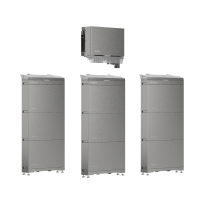
Renewables bridge the gap: Pairing electric heat with solar PV and domestic battery storage (such as the EcoFlow OCEAN 2 Plus Single Phase) substantially cushions the blow of winter electricity tariffs.
How Much Does Electricity for Heating Cost in the UK?
Electric heating costs depend on how much power your system uses, how long it runs and what you pay per kWh. Here’s how to work out what heating your home could cost. If you are also comparing solar generation and tariffs, solar battery storage can shift stored electricity to later heating hours.
Average Electricity Prices per kWh in the UK
Electricity pricing in England, Scotland, and Wales is primarily governed by the Ofgem energy price cap for standard variable tariffs. From October to December 2026, the average electricity unit rate is 26.32p per kWh, compared with 7.97p per kWh for mains gas under the Direct Debit price cap. This means electricity costs approximately 3.3 times more per unit than gas. However, households on multi-rate tariffs such as Economy 7 can access cheaper off-peak electricity, typically overnight, although daytime rates are usually higher. The actual rates depend on the supplier, region and tariff.
Calculating the Electricity Cost of Home Heating
Working out what a heater costs to run does not require a maths degree. The formula is straightforward: To understand the unit rate used in this calculation, see how much is electricity per kwh.
Running Cost (£) = Power Rating (kW) × Hours in Use × Electricity Rate (£/kWh)
Take an oil-filled radiator rated at 2,000 Watts (2 kW). If you run it on full blast for 5 hours an evening at a tariff of 26p per kWh:
2 kW × 5 hours × £0.26 = £2.60 per day
Over a cold 30-day month, keeping just that single room warm costs £78. Scale that across three or four rooms, and electric bills can spiral without careful zoning.
How Much Do Different Electric Heating Systems Cost to Run in the UK?
Not all electric heating systems cost the same to run. A heat pump uses electricity very differently from a standard electric radiator, while storage heaters can take advantage of cheaper overnight rates. The table below compares common options and their typical running costs.
| Heating System | Typical Heat Output / Efficiency | Estimated Running Cost (per hour / typical use) | Best Suited For |
|---|---|---|---|
| Air Source Heat Pump | 300%–400% (COP 3.0–4.0) | £0.60 – £1.10/hr (Whole house) | Well-insulated houses, long-term retrofits |
| Electric Storage Heaters | 100% (Off-peak charging) | £1.20 – £2.20/day per unit | Flats and homes on Economy 7 tariffs |
| Panel Heaters & Radiators | 100% (Direct resistive) | £0.26 – £0.52/hr per room | Occasional heating, spare bedrooms, home offices |
| Infrared Heaters | High perceived warmth | £0.10 – £0.25/hr per panel | Targeted spot heating, high-ceiling rooms |
| Electric Underfloor Heating | 100% (Direct floor mats) | £0.04 – £0.08/hr per m² | Bathrooms, en-suites, tiled kitchen zones |
| Electric Boilers | 99%–100% | £2.30 – £3.20/hr (Whole house) | Small off-gas properties with wet radiators |
Note: These running costs are illustrative estimates, not fixed market averages. Actual costs depend on heater capacity, operating hours, electricity tariffs and seasonal efficiency. Heat pump estimates should account for SCOP, while storage heater costs should use the applicable off-peak charging rate and charging duration. Use the household’s actual tariff and equipment specifications for a more accurate comparison.
Air Source Heat Pumps
Air source heat pumps (ASHPs) are the gold standard for low-carbon heating. Instead of generating heat directly through resistance, an ASHP absorbs ambient heat from the outside air and compresses it. With a Seasonal Coefficient of Performance (SCOP) between 3.0 and 4.0, every 1 kWh of electricity inputs 3 to 4 kWh of heat into your central heating circuits. Even with higher electricity tariffs, an efficient heat pump can match or beat a standard condensing gas boiler on running costs.
Electric Storage Heaters
Long a fixture of purpose-built British flats, storage heaters use internal ceramic or clay bricks to soak up thermal energy overnight during cheaper off-peak hours. Modern High Heat Retention (HHR) models feature automated thermostats and internal fans, avoiding the age-old problem of running out of heat by 7 PM on a chilly winter evening.
Electric Panel Heaters and Radiators
Wall-mounted panel heaters and oil-filled radiators convert electricity straight into convective heat. While they boast 100% operational efficiency at the point of use, running several 1.5 kW or 2 kW units throughout the day quickly becomes expensive on standard flat-rate tariffs. They work best for top-up heating or rarely used guest rooms.
Infrared Heaters
Rather than warming the ambient air in a draughty room, infrared panels emit radiant waves that directly warm solid objects, walls, and people. Because you feel warm quickly without needing to heat the entire air volume, infrared panels can often be specified at slightly lower wattages than convection radiators and run for shorter periods, trimming power draw for targeted spot heating.
Electric Underfloor Heating
Electric underfloor mats are beloved for taking the morning bite off cold bathroom porcelain or kitchen tiles. However, because they draw between 100W and 200W per square metre, heating an entire open-plan ground floor exclusively with electric underfloor wires will result in steep quarterly bills.
Electric Boilers
Electric boilers power wet radiator systems or underfloor manifolds just like a conventional gas boiler, without the flue requirements or gas safety checks. That said, whole-house electric boilers require a hefty 9 kW to 14 kW power supply. Running one continuously on standard peak electricity tariffs can prove prohibitively costly unless paired with aggressive insulation and off-peak tariffs.

How Can You Choose the Right Electric Heating System for Your Home?
The best heating system for a small flat may not be suitable for a large detached house. Before choosing one, consider your home’s insulation, how often you need heating and how much you’re prepared to spend on installation. A home energy ecosystem can coordinate compatible heating, solar generation and storage around household demand.
Property Type and Heating Requirements
A compact, modern two-bedroom apartment has vastly lower heat demands than a detached stone cottage in the Cotswolds. Flats and well-shielded mid-terraces often thrive on modern panel heaters or smart storage heaters, avoiding the disruption of major pipework. Larger detached homes often have higher heating demands, making a suitably sized central heat pump worth considering. Its suitability and running costs depend on the property’s heat loss, insulation, existing heating system and electricity tariff.
Home Insulation and Heat Retention
Heat pumps and low-wattage radiant panels perform at their best in homes that hold onto their warmth. If your property features uninsulated cavity walls, single glazing, or a draughty loft, low-temperature systems like air source heat pumps will struggle to keep rooms comfortable unless radiators are substantially oversized or fabric upgrades come first. Prioritise insulating the building envelope before sizing or swapping heating hardware. Our guide on how to improve epc rating explains how insulation, glazing and heating controls can be considered together.
Daily Heating Habits and Energy Needs
Are you working from home five days a week, or is the property empty from 8 AM until 6 PM?
Continuous occupancy: Systems that run at low, steady temperatures (like heat pumps or high-retention storage heaters) are ideal.
Intermittent occupancy: Fast-acting systems (like infrared panels or modern smart electric radiators with precision timers) prevent paying for heat while you are out.
Installation Costs and Long-Term Affordability
Upfront quotes can be deceptive. A simple set of wall-mounted smart electric radiators might cost under £1,500 to buy and install with minimal fuss. A complete heat pump retrofit could run between £9,000 and £14,000 before government subsidies. Look past day-one expenditure: calculate the estimated 10-year total cost of ownership, factoring in maintenance, replacement cycles, and projected energy tariffs.

How to Reduce Electricity Costs for Home Heating
You don’t necessarily need to replace your heating system to cut your electricity bills. Better insulation, heating rooms only when needed and making more of cheaper electricity rates can all help bring costs down.
Improve Insulation and Reduce Heat Loss
The cheapest kilowatt-hour is the one you never have to pay for. Simple measures—such as fitting thermal-lined curtains, adding draught excluders to external doors, and topping up suitable lofts to 270 mm of mineral wool insulation—can reduce heat loss. Savings depend on the property and its existing insulation.
Heat Rooms Only When Needed
Central thermostats that heat unused dining rooms or spare bedrooms waste valuable power. Take advantage of individual thermostatic room controls or smart multi-zone radiator valves. Keeping bedrooms at a crisp 16°C to 18°C while concentrating daytime heat at 20°C in your living areas or home office directly trims energy waste.
Monitor and Optimise Household Energy Use
Winter heating can push up household electricity use, especially in the evening when cooking, lighting and other appliances are all running at once. Knowing when your home uses the most power helps you adjust heating schedules and avoid unnecessary costs. A home energy monitor makes these patterns easier to spot. The EcoFlow PowerInsight 2 displays real-time household electricity consumption, solar generation and battery status in one place, helping you identify periods of high demand and plan energy-intensive activities around cheaper tariff hours.
Combine Electric Heating with Renewable Energy
Solar panels can help offset the electricity you use for heating, but generation tends to be limited during a UK winter. Adding battery storage lets you save surplus solar power for later, or charge from the grid when off-peak rates are cheaper. For households wanting to make better use of both, the EcoFlow OCEAN 2 Plus Single Phase combines solar generation, home battery storage and smart energy management. It can store excess solar electricity or cheaper overnight grid power for use during higher-cost periods, helping cut reliance on expensive peak-rate electricity.
Schedule Your Free Consultation Today!
What kind of product or solution are you interested in?
Conclusion
Electric heating can work well in UK homes, but running costs vary a lot between systems. Heat pumps are generally the more efficient choice for heating a whole house, while electric radiators and infrared panels can be more practical for single rooms or occasional use. Whichever you go for, good insulation and the right electricity tariff help keep bills down. If you already have solar panels or are thinking about home battery storage, making better use of your own electricity could also cut what you pay for heating over time.
FAQs
How Long Do Electric Heaters Last?
The heating elements and aluminium bodies of electric radiators can easily last 15 to 20 years with no moving parts or water pipes to corrode, though smart thermostats and electronic display boards may need attention around the 10- to 12-year mark. Air source heat pumps typically deliver an operational lifespan of 15 to 20 years, provided they receive regular annual servicing and filter maintenance.
Is Electric Heating Cheaper Than Gas Heating in the UK in 2026?
Standard electric resistance heating is still noticeably more expensive to run than mains gas, as electricity unit rates are roughly three to four times higher per kWh than gas. That said, modern air source heat pumps with high efficiency ratings (COP 3.5+) can match the running costs of modern condensing gas boilers, especially when paired with cheap off-peak time-of-use tariffs or home solar power.
What Government Grants Are Available for Electric Heating in the UK in 2026?
The Boiler Upgrade Scheme (BUS) offers £7,500 towards eligible air-to-water and ground-source heat pumps in England and Wales. Eligible off-gas-grid properties can receive £9,000 from 21 July 2026 to 31 March 2027. Scotland has separate Home Energy Scotland support, with its own eligibility and funding conditions. Eligible households in Great Britain may also qualify for ECO4 upgrades until 31 December 2026 or local authority retrofit support. Check current funding and availability before applying.
Can Electric Heating Work in an Older UK Home?
Yes, electric heating works in older properties, but fabric improvements are vital to keep running costs manageable. Solid-brick Victorian and Edwardian homes lose a lot of heat, so loft insulation, double glazing and thorough draught-proofing should come first before you specify heat pumps or direct electric systems.
Is It Safe to Leave Electric Heaters on Overnight?
Fixed electric radiators and storage heaters should only be used overnight in accordance with the manufacturer’s instructions and with a suitable, correctly installed electrical supply. Overheat protection and conformity marks do not guarantee risk-free use. Electrical Safety First recommends avoiding portable heaters overnight; keep heaters clear of bedding, curtains and furniture.

