
Electric Underfloor Heating in the UK: Is It Worth Installing?
Yes, electric underfloor heating is worth installing in the UK if you want targeted, luxurious warmth for small-to-medium spaces like bathrooms, kitchens, or home extensions without raising floor levels or replumbing. However, because UK electricity costs more per kWh than mains gas, it is rarely cost-effective as a whole-house primary heat source unless paired with excellent floor insulation, off-peak tariffs, or rooftop solar and home battery storage. This comprehensive guide walks you through how electric UFH works, installation and ongoing costs across the UK, its genuine pros and cons, and smart energy strategies to keep your heating bills firmly in check.
Key Takeaways
Ideal for targeted zones: Electric systems shine in smaller spaces like bathrooms, kitchens, and ground-floor extensions where retrofitting pipework is impractical.
Low installation disruption: Ultra-thin heating mats add virtually no floor height and avoid the boiler plumbing required by hydronic (wet) setups.
Insulation determines your bills: Without quality sub-floor insulation boards, substantial heat simply leaches down into the foundation rather than warming your room.
Tariffs and storage are game changers: Pairing off-peak electricity tariffs, rooftop solar, and smart home battery setups substantially offsets standard grid rates.
What Is Electric Underfloor Heating and How Does It Work?
Electric UFH warms the floor through cables or mats beneath the floor covering. The system you choose depends on the room’s shape and the type of flooring being installed.
How Electric Underfloor Heating Generates and Distributes Heat
Electric underfloor heating uses resistance cables under the floor to generate heat. As electricity passes through the cables, the floor warms up and releases heat into the room. Radiators mainly warm the air around them, whereas underfloor heating spreads warmth across a much larger area. The floor can take longer to heat up, depending on the floor covering and insulation.
Different Types of Electric Underfloor Heating Systems
Depending on your room layout and subfloor construction, installers usually pick from three distinct electric setups:
Pre-Spaced Heating Mats: Resistance wire pre-attached to a fibreglass mesh roll. These suit square, open layouts such as standard dining rooms or straightforward galley kitchens, and speed up installation.
Loose Cable Systems: Flexible, continuous heating wire supplied on a drum, fastened down using fixing strips. If your en-suite is packed with irregular nooks, freestanding bathtubs, or awkward vanity alcoves, loose wire allows custom shaping.
Foil Heating Mats: Continuous heating cables enclosed between twin layers of aluminium foil. Specifically engineered for “dry” installations beneath engineered hardwood, laminate, or luxury vinyl tiles (LVT) without pouring wet screed.
Key Differences Between Electric and Wet Underfloor Heating Systems
Choosing between electric (dry) and water-based (wet) underfloor heating usually comes down to room dimensions, floor build-up tolerance, and budget. For the wet-system alternative, the guide “how do heat pumps work” explains how heat can be transferred into water-filled underfloor pipes.
| Feature | Electric Underfloor Heating | Wet (Hydronic) Underfloor Heating |
|---|---|---|
| Heat Source | Mains electricity | Central heating boiler or heat pump |
| System Profile | Ultra-thin (typically 2mm–4mm) | Deeper build-up (typically 50mm–80mm including screed) |
| Installation Speed | Quick, straightforward, DIY-friendly for laydown | Complex plumbing, manifolds, screed curing required |
| Upfront Cost | Low to moderate initial spend | Higher upfront system and labour costs |
| Best Suited For | Retrofits, bathrooms, small-to-mid zones | New builds, whole-house systems, ground floors |
How Much Does Electric Underfloor Heating Cost in the UK?
The initial cost is only part of the budget. You’ll also need to account for floor preparation, fitting and the electricity used to heat the room.
Average Installation Costs per Square Metre
Labour rates vary considerably between London, the South East, and northern regions, but the hardware itself remains remarkably consistent. For an average UK installation, expect:
Heating Mats/Cables: £25 to £65 per m² depending on system wattage (commonly 150W/m² to 200W/m²).
Thermal Insulation Boards: £12 to £20 per m² (essential to prevent heat loss downwards).
Thermostat Controls: £60 to £180 for a modern, programmable Wi-Fi or smart unit.
Qualified Electrician & Fitting: £200 to £450 per day is an indicative allowance, subject to a local quotation, for testing, connection and certification. In England, Part P notification requirements depend on the work, including new circuits and alterations in defined bathroom special locations; check the applicable rules elsewhere in the UK.
Overall, outfitting a standard 5m² UK family bathroom typically comes in between £450 and £850 all-in, including basic materials and professional sign-off.
Is Electric Underfloor Heating Expensive to Run?
Electric resistance heating can be costly across a draughty whole house. As an illustrative calculation, 4m² of 150–200W/m² heating operated at full power for four hours uses 2.4–3.2kWh; thermostat cycling may reduce actual consumption. At Ofgem’s average Direct Debit electricity rate of 26.32p/kWh for England, Scotland and Wales from 1 October to 31 December 2026, that is about 63p–84p per day, excluding the standing charge. Rates vary by region, payment method and tariff; Northern Ireland has separate arrangements. The guide “how much is electricity per kwh” helps you apply your own tariff to this calculation.

What Are the Advantages and Disadvantages of Electric Underfloor Heating?
Warm floors and clear wall space can make electric UFH appealing, particularly in rooms with hard flooring. Its main trade-offs are the cost of electricity and the preparation needed beneath the floor. Where the home already has solar PV, solar battery storage can shift some daytime generation to later heating periods; savings depend on available generation, capacity and demand.
Key Benefits of Electric Underfloor Heating
Unrivalled Floor Comfort: Hard stone, ceramic tiles, and porcelain retain thermal energy beautifully, banishing morning chill from bare feet.
Reclaimed Wall Space: Removing bulky radiators frees up room for fitted wardrobes, kitchen cabinets, or minimalist interior arrangements.
Rapid Response Times: Sitting just under the surface tile adhesive, electric mats can reach comfortable temperatures in 20 to 40 minutes, whereas wet systems buried in thick concrete screed take several hours to respond.
Zero Servicing Hassle: No airlocks to bleed, no valves to seize, and no annual servicing callouts.
Main Drawbacks of Electric Underfloor Heating
Electricity Tariffs: Relying exclusively on peak-rate grid electricity can drive up bills if used as a primary heating source across broad floor plans.
Sub-floor Preparation: Existing doors may need trimming, or thresholds raised, if floor levels creep up due to insulation boards and levelling compounds.
Permanent Fixture Constraints: Once cables are embedded beneath tiles, heavy flat-bottomed furniture without raised feet cannot sit directly on heated areas without creating thermal hotspots that could damage the elements.
Which Types of Homes Are Best Suited to Electric Underfloor Heating?
Electric UFH is often easiest to consider when a room is already being renovated. Insulation, available floor space and the condition of the rest of the home all affect whether it will work well.
Well-Insulated Homes with Low Heat Loss
Modern homes built to tight building standards or renovated properties with cavity wall insulation, double or triple glazing, and draught-proofing hold warmth remarkably well. In these thermally tight environments, electric floor systems easily achieve and sustain ambient comfort without drawing continuous current.
New-Build Homes and Homes Undergoing Renovation
Whenever floors are already stripped back to joists or concrete during a kitchen revamp, en-suite overhaul, or conservatory build, adding heating mats adds minimal labour. Laying insulation boards and cables before retiling is far simpler than trying to thread wet pipe manifolds through finished living rooms.
Homes with Limited Wall Space for Radiators
Compact London flats, narrow Victorian terrace bathrooms, and open-plan kitchen-diners with floor-to-ceiling bi-fold doors rarely offer generous wall space. Swapping out a pressed-steel panel radiator for sub-floor wiring preserves every usable centimetre for storage, counters, or clean lines.

How Can You Reduce Electric Underfloor Heating Costs?
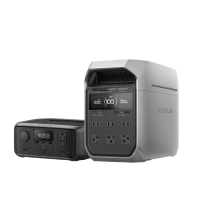
A few choices made before and after installation can affect both comfort and running costs. Insulation, heating schedules and how you use electricity at home all matter. A home energy ecosystem can bring compatible solar, storage and monitoring equipment together when planning electricity use around heating.
Improving Floor Insulation to Minimise Heat Loss
Never lay electric heating elements directly onto bare concrete or uninsulated floorboards. Investing in high-density extruded polystyrene (XPS) or cement-coated insulation backing boards ensures heat radiates upward into the living space rather than sinking into the subfloor foundation, cutting warm-up times from over an hour down to under 25 minutes.
Scheduling Heating Around Off-Peak Electricity Tariffs
Pairing your system with smart time-of-use tariffs (such as Octopus Agile or dynamic off-peak rates) allows you to align warm-up cycles with cheaper energy windows. Because ultra-thin systems heat up in just 20 to 40 minutes, you do not need to leave them running for hours overnight; instead, program a smart thermostat to warm the floor shortly before your morning routine starts, cutting peak-rate consumption without wasting heat.
Using Solar Panels and Battery Storage to Support Electric Heating
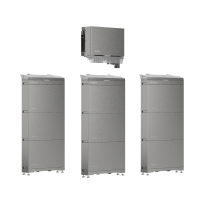
For UK homeowners who have already invested in rooftop solar panels, integrating a dedicated domestic battery storage system makes electric heating remarkably cost-effective. Storing surplus solar energy generated through midday brightness allows you to discharge that stored power across chilly evenings when space heating demand naturally peaks—all while sidestepping expensive peak-rate grid imports. Systems such as the EcoFlow OCEAN 2 Plus Single Phase unite high-efficiency solar capture with scalable home battery storage. By serving as an intelligent energy buffer, it delivers the flexibility needed to power electric underfloor heating runs and wider household loads from your own clean reserves, insulating your family from seasonal utility price shocks.
Using Smart Energy Monitoring to Optimise Heating Schedules
Managing multiple energy elements, from roof arrays and storage cells down to discrete heating circuits, calls for transparent, actionable performance data. Guesswork rarely keeps utility bills low. With a dedicated interface like the EcoFlow PowerInsight 2, tracking real-time generation, current household consumption, and battery state-of-charge becomes effortless. Having clear operational data at your fingertips lets you fine-tune floor heating timer blocks around real production trends, ensuring your home stays snug without running up unnecessary kWh charges.
Schedule Your Free Consultation Today!
What kind of product or solution are you interested in?
Conclusion
Electric underfloor heating can be a practical way to make a bathroom or kitchen more comfortable, especially when you’re already replacing the floor. Before choosing a system, check the insulation, ask for a realistic running-cost estimate and confirm whether it will provide enough heat for the room. For larger areas or a whole-house retrofit, compare it with other heating options before committing.
FAQs
What Is the Lifespan of Electric Underfloor Heating?
Electric underfloor heating systems are designed for long-term use, with heating cables typically installed beneath the floor covering and requiring little routine maintenance. Their actual lifespan depends on the quality of the components, installation standards, floor insulation and how the system is operated. Proper installation and avoiding damage to the heating elements during floor work can help maintain reliable performance over time. However, repairs can be disruptive if a fault develops beneath tiled flooring.
Should I Leave Electric Underfloor Heating on All the Time?
No, leaving electric underfloor heating running continuously is generally inefficient and unnecessary for most UK households. Thanks to quick warm-up times (averaging 30 to 45 minutes), scheduling your smart thermostat to fire an hour before wake-up and shut down before you leave home will dramatically lower your electricity consumption.
Can Electric Underfloor Heating Replace Radiators as the Main Heating System?
Yes, but primarily in open-plan, well-insulated rooms where at least 80% of the floor space is uncovered and heated. In compact bathrooms, however, unheated fixtures (baths, toilets, and vanities) typically limit usable floor coverage to around 50% to 60%. In those spaces, electric UFH provides warm tiles underfoot but often needs a heated towel rail to meet total space-heating demands in midwinter.
Is Electric Underfloor Heating More Expensive to Run Than Gas?
Yes, per unit of raw heat produced, standard electricity remains significantly more expensive than mains gas across the UK. However, because electric systems are strictly zoned and switched on only when occupying specific rooms, overall day-to-day costs in compact spaces like bathrooms remain modest and manageable.
Does Electric Underfloor Heating Require Regular Maintenance?
No, electric underfloor heating needs no routine maintenance or annual safety servicing. Gas boilers and hydronic systems call for periodic pressure checks, bleeding and chemical flushes, but an electric system just sits silently under your floor without any routine attention.

