
EICR Meaning: What UK Homeowners Need to Know About Electrical Safety Checks
An EICR is basically a health check for your property’s electricity. It looks at the fixed wiring, the consumer unit, and the sockets, checking for anything that could give you a shock or start a fire. Landlords have to get one done every five years – it’s the law. Homeowners don’t have to, but it’s a smart move before you buy a house, do any major renovations, or get things like an EV charger or battery storage fitted. This guide runs through what you need to know – the rules, the fault codes, how much it costs, and what actually happens during the inspection.
Key Takeaways
An EICR is a proper electrical safety check. It finds dodgy wiring, outdated gear, and anything else that could be a hazard.
Landlords of most private rentals in England have to get one done – it’s the law. Homeowners don’t have to, but it’s a good idea if you’re buying a house, doing up the electrics, or live in an older place that might need a once‑over.
The inspection looks at the wiring, the fuse box, earthing, bonding, and all the protective bits.
What Does EICR Mean and Why Is It Important?
Before you sell up or start renovating, get your head round what an EICR is and why electrical safety checks matter so much in UK homes.
Electrical Installation Condition Reports Assess Household Electrical Safety
EICR stands for Electrical Installation Condition Report. You might hear it called a “landlord safety check”, “fixed wire testing”, or just an electrical safety certificate. It’s an official document that a qualified electrician gives you after a proper inspection of your property’s fixed wiring.
It’s not the same as PAT testing, which looks at plug‑in stuff like kettles and microwaves. An EICR checks the hidden bits – the bones of your electrical system. That means the consumer unit (your fuse box), cables buried in walls, light fittings, switches, and sockets. The main aim is to spot any potential danger, like worn insulation, overloaded circuits, or missing earthing, that could cause shocks, trips, or even a fire.
EICRs Help Homeowners Understand the Condition of Their Electrical Systems
Electricity’s invisible, so it’s easy to forget about until something goes wrong. In a lot of UK homes built before the 1990s, the original wiring and fuse boxes are still in place, well past their best. Older setups often don’t have modern safety kit like RCDs or surge protection, which leaves you more exposed if things go wrong.
An EICR gives you a proper look at what’s going on behind the walls. It picks up on hidden wear and tear or any dodgy DIY from previous owners. This can help homeowners identify issues earlier and address potential problems before they become more serious – and it gives you some proper peace of mind.
What Are the UK EICR Requirements for Different Property Types?
Electrical safety rules vary quite a bit across the UK, depending on whether you rent the place out, live in it yourself, or which nation you’re in – England, Scotland, Wales, or Northern Ireland.
Private Rental Properties Must Follow Mandatory Inspection Rules
In England, the rules changed in 2020. Private landlords now have to get an EICR done for pretty much every tenancy. It’s the law. You need a qualified sparky to check the electrics at least once every five years. You’ve also got to give a copy to your existing tenants within 28 days, and to new tenants before they move in.
| Property Type / Tenure | Legal Status | Recommended Inspection Frequency |
|---|---|---|
| Private Rented Sector (England & Wales) | Mandatory by law | Every 5 years or at change of tenancy |
| Owner-Occupied Residential Homes | Voluntary (Strongly Recommended) | Every 10 years (or every 5 years for older homes) |
| Houses in Multiple Occupation (HMOs) | Mandatory by law | Every 5 years (stricter local council licensing rules apply) |
| Properties Being Sold / Purchased | Voluntary (Requested by buyer/lender) | Prior to exchange of contracts |
Homeowners Usually Arrange EICRs Voluntarily
If you own and live in your own house or flat, there is currently no legal requirement to hold a valid EICR certificate. However, electrical industry guidelines (BS 7671 IET Wiring Regulations) recommend inspection intervals of around 10 years for owner-occupied homes, with shorter intervals often considered for older or higher-risk properties, timber-framed homes, or properties with outdoor power feeds and swimming pools.
Even without being forced by law, arranged EICRs are increasingly popular among proactive homeowners. Many home insurance policies require proof that electrical systems are maintained in a safe condition, especially when submitting claims related to fire damage.
Electrical Safety Requirements Vary Across UK Regions
While England enforces strict 5-year landlord checks, Scotland introduced mandatory EICR rules for private rentals under the Housing (Scotland) Act earlier in 2015. Wales integrated EICR mandates into the Renting Homes (Wales) Act 2016, requiring periodic testing every 5 years including portable appliance tests for landlord-supplied goods. Northern Ireland continues to update its private tenancy legislation to align closely with the UK mainland standards. Homeowners across all regions should ensure their electrician is registered with an approved body such as NICEIC, NAPIT, or SELECT (in Scotland).
When Should UK Homeowners Consider Getting an EICR?
While owner-occupiers aren’t legally required to have an EICR, there are key moments during home improvements or life changes when getting one is a smart, cost-saving move.
When Buying or Selling a Property, Electrical Checks Can Reduce Unexpected Risks
Standard homebuyer survey reports (RICS Level 2 or 3) only visually inspect visible light fittings and consumer units; surveyor reports specifically state that electrical systems have not been tested. Ordering an independent EICR before exchanging contracts on a house purchase helps reduce the risk of unexpected electrical repair costs. If major issues are discovered, homeowners can research how much does it cost to rewire a house before deciding whether to negotiate the purchase price or arrange necessary upgrades. As a buyer, finding electrical defects allows you to negotiate the purchase price or request that the seller fix critical faults before completion.
Electrical Upgrades Often Require a Review of Existing Installations
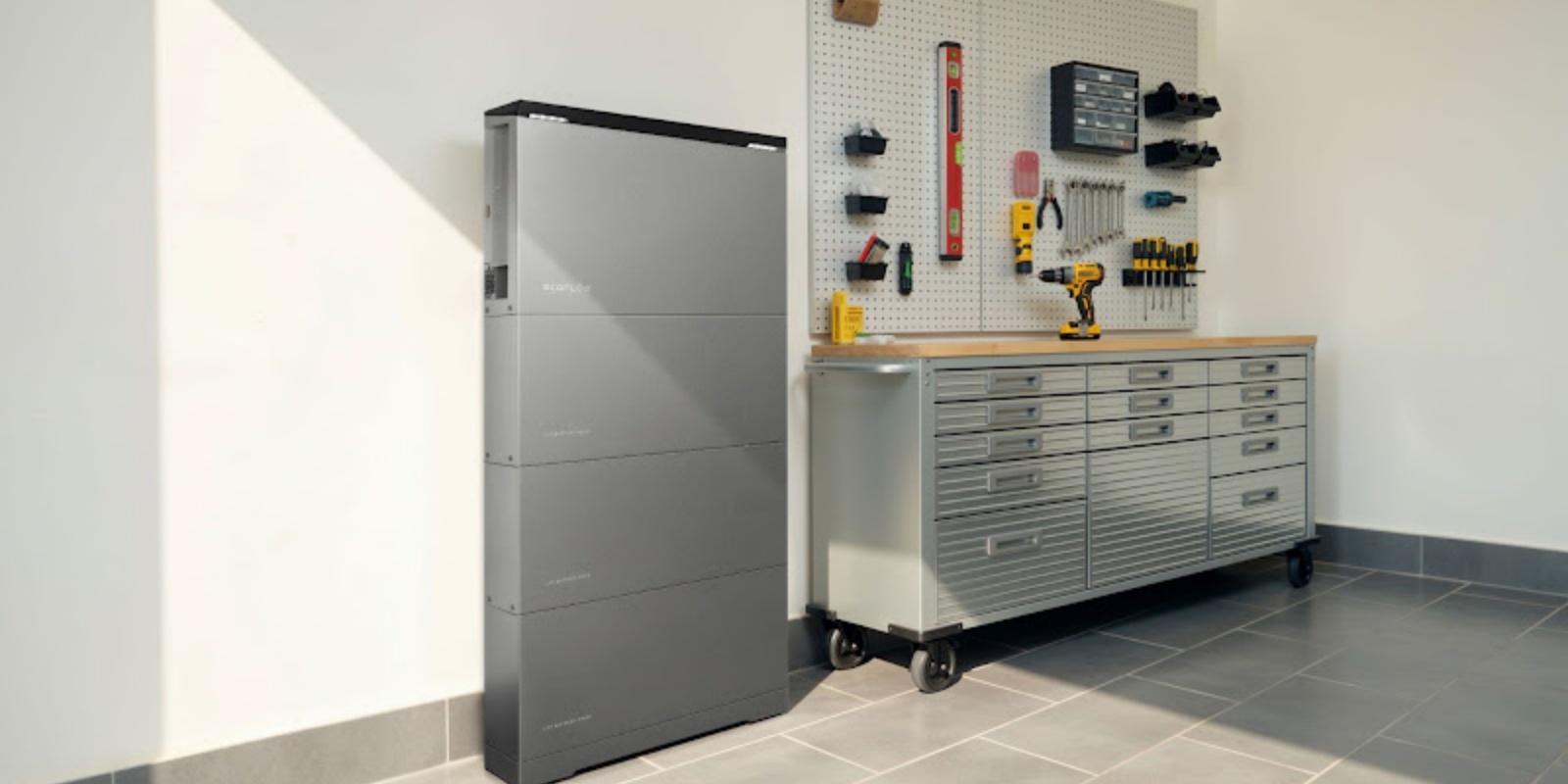
Getting an EICR done before any energy upgrades is a wise move. It tells you what your home’s electrics can cope with – whether your fuse box, earthing, and wiring are up to scratch for EV chargers, heat pumps, solar panels, or battery storage. Sort any problems out early and this can help reduce potential delays, unexpected costs, and safety concerns, and safety worries further down the line.
And if battery storage is on your list, getting an EICR done early makes integrating a system like the EcoFlow OCEAN 2 Plus Single Phase much simpler. It helps your installer assess whether your home’s wiring and electrical infrastructure are suitable for the additional load.
Older Properties May Benefit From Additional Electrical Inspections
If your home’s over 30 years old and hasn’t had a proper electrical overhaul, it may be worth considering an EICR. Things like rubber‑insulated cabling, wooden‑backed fuse boxes, round‑pin sockets, or breakers that keep tripping are all signs your setup’s past its best and needs a professional once‑over.
What Does an EICR Check During an Electrical Inspection?
An EICR is a detailed inspection that combines visual examination with advanced dead and live electrical testing across your property.
Wiring, Circuits and Consumer Units Are Examined
Many domestic EICRs take around 2 to 4 hours, depending on the property’s size and complexity. During the inspection, a certified electrician tests circuits for continuity, insulation resistance, earthing adequacy, and RCD tripping speeds. For homeowners planning future electrical upgrades, checking the condition of the consumer unit, wiring, and protective devices can help determine whether the existing installation is suitable for additional loads. This is especially important when adding systems that connect to the home’s electrical supply, including solar generation and battery storage solutions such as EcoFlow Solar Battery. They examine:
The Consumer Unit (Fuse Box): Checking for modern circuit breakers, correct labeling, and RCD protection.
Earthing and Bonding: Ensuring main gas and water pipes are properly bonded to prevent lethal shocks.
Switches, Sockets and Fittings: Inspecting for scorch marks, loose wiring, or damage.
Concealed Cabling: Verifying cables are correctly routed through safe zones in walls and ceilings.
Electrical Defects Are Categorised by Risk Level
Any hazards discovered during testing are classified under specific standardized defect codes, which determine whether the overall report passes (“Satisfactory”) or fails (“Unsatisfactory”). For homes adding battery storage, electrical safety also depends on how the system manages charging, discharging, and protection. Features such as an advanced EcoFlow BMS help monitor battery performance and support safer battery operation alongside proper electrical installation standards.
| Defect Code | Classification Meaning | Severity Level | Action Required |
|---|---|---|---|
| C1 | Danger Present | Immediate Risk | Immediate remedial action required (electrician may isolate circuit on site). |
| C2 | Potentially Dangerous | High Risk | Urgent remedial action required to make safe. |
| C3 | Improvement Recommended | Low Risk | Not unsafe, but upgrading would improve safety (e.g., adding SPDs). |
| FI | Further Investigation | Unknown Risk | Electrician could not fully verify safety; requires deeper inspection without delay. |
Inspection Results Determine Recommended Actions
If your report contains any C1, C2, or FI codes, the overall EICR result is automatically marked as Unsatisfactory. Homeowners must carry out necessary repair work to resolve C1 and C2 issues before the installation can be deemed safe and Satisfactory.
.png)
How Much Does an EICR Cost and What Happens Afterwards?
Knowing how EICR pricing works and what happens after the inspection helps you budget for electrical maintenance more effectively.
Inspection Costs Depend on Property Size and Complexity
In the UK, a domestic EICR commonly costs around £120 to £300+ VAT, depending on property size, location, and complexity:
Property Size: A 1-bedroom flat requires less testing time than a 5-bedroom detached house with multiple sub-boards.
Number of Circuits: Homes with extensive lighting, outbuilding power, and dedicated appliance circuits take longer to inspect.
Location: Prices in London and the South East are generally higher than in Northern England or Wales.
Electrical Repairs May Be Needed After an Unsatisfactory Report
If your EICR comes back as Unsatisfactory, the electrician will give you a breakdown of what needs fixing and how much it’ll cost. Common repairs may include replacing outdated protective equipment or upgrading the consumer unit. Homeowners dealing with an outdated system may want to understand the consumer unit replacement cost before planning essential electrical improvements after an unsatisfactory report. Once all C1 and C2 issues are sorted, they’ll issue a written confirmation or a new Electrical Installation Certificate (EIC) to show the property now meets BS 7671 safety standards.
Improving Electrical Awareness After an EICR Supports Long-Term Safety
An EICR offers a snapshot of your home’s electrics at the time of the inspection. But keeping on top of things after that matters just as much – especially as more households add EV chargers, heat pumps, and battery storage. Monitoring your usage can help you spot unusual power demand and manage your energy more efficiently over time.
For homes with solar or battery systems, energy management platforms like the EcoFlow PowerInsight 2 provide real‑time visibility into your consumption, battery performance, and household loads. That makes it easier to make smarter decisions about how you use energy day to day.
Schedule Your Free Consultation Today!
What kind of product or solution are you interested in?
Conclusion
Whether you’re buying a place, planning upgrades, or just keeping an older home in check, regular inspections help you spot problems before they turn into something serious. Paired with good maintenance and a bit of smart energy management, an EICR is a practical move towards keeping your home safe and ready for whatever upgrades come next.
FAQ
Is an EICR legally required for homeowners in the UK?
No, it’s not a legal requirement if you own your home and live in it. That said, it’s still a good idea to get one done every 10 years or so. Landlords have to get one every five years. Homeowners tend to arrange them voluntarily, usually for peace of mind, to satisfy insurance conditions, or when selling up or upgrading electrics.
How long does an EICR last?
For rental properties, an EICR is generally valid for up to 5 years. For owner‑occupied homes, it’s usually up to 10 years. But the sparky doing the inspection might recommend a shorter period – say 2 or 3 years – if your electrics are older or showing signs of wear.
What happens if an EICR fails?
If you get an Unsatisfactory result, you’ll need to get a qualified electrician in to fix all C1, C2, and FI issues. Once the work’s done, they’ll give you proof that it’s been sorted, or issue a new certificate confirming the system’s safety.
Does an EICR certificate prove my whole home is electrically safe?
It confirms that your fixed wiring, consumer unit, and builtin fittings are safe at the time of the test. But it doesn’t cover portable stuff you plug in – kettles, TVs, heaters, that sort of thing. That falls under PAT testing.
Can I get an EICR before installing solar panels?
Yes, getting an EICR before installing solar panels is a smart practice that helps assess whether your home’s existing wiring and consumer unit are suitable for the additional load. Identifying required consumer unit upgrades or earthing improvements before installation can help address potential issues early and reduce the risk of delays during the solar installation process.

