
Demand Flexibility Service UK: What Is It and How Does It Work in 2026?
Energy bills remain a pressure point for many UK households, especially during the winter evening peak when heating, cooking, lighting, and appliances all draw power at once. The Demand Flexibility Service, run through National Energy System Operator-approved providers, gives households a way to earn small rewards by using less electricity during selected peak periods.
In 2026, the scheme is becoming more than a winter “use less” programme. With more renewables on the grid, flexibility can also mean shifting demand into periods when wind or solar generation is high. This guide explains how the DFS works, who can join, what rewards to expect, and how smart meters, energy monitors, and home batteries can help households make better use of flexible power.
Key Takeaways
Paid peak shifting. The UK Demand Flexibility Service (DFS) pays households to cut electricity use during peak grid-strain events, usually 4pm to 7pm on winter weekdays.
Turn-down first. The DFS still mainly pays households to cut electricity use during peak or system-stress periods. Using more power when it’s cheap or renewables are surplus usually comes through dynamic tariffs or supplier flexibility offers, not the standard DFS.
What you need. An eligible smart meter with half-hourly readings (SMETS2, or an upgraded SMETS1) and sign-up through a licensed supplier or flexibility app.
What you’ll actually earn. Participating households may earn modest rewards over the winter, depending on the number of events, their provider’s rates and how much electricity they can shift. It’s a handy seasonal rebate, not an income stream.
Getting more out of it. Track your household draw with a smart monitor such as the EcoFlow PowerInsight 2, or pair the scheme with home solar storage like the EcoFlow OCEAN 2 Plus Single Phase and skip grid demand altogether.
What Is the Demand Flexibility Service in the UK?
The Demand Flexibility Service is a grid-balancing scheme that rewards households and businesses for changing when they use electricity. For most homes, this means cutting demand during busy evening periods when the grid is under pressure.
How the DFS Helps Balance the Grid
Great Britain’s electricity demand often peaks between 4:00 PM and 7:00 PM, especially on cold winter weekdays. Demand rises as households return home, cook dinner, use heating, charge devices, and run appliances. During tight periods, the grid may need extra generation or demand-side support to keep supply and demand balanced.
The DFS changes how peak demand is managed. Instead of paying generators to generate more power during stress events, the system operator pays consumers to use less. Shifting just a few kilowatt-hours across several hundred thousand terraced and semi-detached homes frees up massive capacity, reducing both wholesale market spikes and national emissions.
What Changed in 2026: Bidirectional Flexibility
In April 2026, NESO expanded the DFS beyond its original winter peak-reduction role. Registered providers can now offer both demand reduction and demand increase where this helps the electricity system. In simple terms, DFS is no longer only about using less power during tight evening periods; in some cases, it can also support extra demand in the right place and at the right time. For households, though, the experience is still provider-led. Your supplier or flexibility app decides which events you can join, how rewards are calculated, and whether an event is about reducing or increasing demand. This is also separate from everyday dynamic tariffs, where customers respond to cheap or negative prices by charging an EV, running appliances, or topping up a battery.
The main 2026 updates include bidirectional flexibility, zonal procurement, lower eligibility thresholds for aggregated assets, and new baseline options. DFS is becoming a broader flexibility service, but household access and earnings still depend on the provider running the event.
How Does the Demand Flexibility Service Work?
For households, the process is usually simple. You sign up through an energy supplier or approved flexibility provider, receive event notifications, adjust your electricity use during the event window, and get rewarded if your usage drops below your normal baseline.
| Step | Action Taken | Who Handles It? |
|---|---|---|
| 1. The Call-Out | Event window announced (usually 24 hours ahead) | National Energy System Operator & Energy Supplier |
| 2. Metering | Half-hourly electricity consumption logged | Second-generation Smart Meter (SMETS2 / upgraded SMETS1) |
| 3. Rewarding | Baseline compared against event usage | Energy Supplier / Flexibility App |
Invite Customers to Participate
Whenever system forecasters spot an upcoming imbalance, a DFS event is triggered. Your registered energy provider or flexibility app (such as Octopus Energy, British Gas, or Loop) will send a notification straight to your smartphone, typically the day before. The notification outlines the event duration (usually one to two hours) and the financial incentive on offer. Participation is entirely voluntary; opting out of an individual session carries no penalty.
Record Electricity Consumption
Your smart meter records your usage during the session. It logs your energy draw in half-hourly intervals and transmits the readings back to your supplier. To calculate what you saved, the system establishes a personal “baseline” by analysing your typical electricity consumption at that exact time over the previous ten weekdays.
Receive Rewards Based on Participation
If you consume less electricity than your established baseline during a turn-down event, you get paid for every kilowatt-hour saved. Rewards arrive in various forms depending on your provider:
Direct credits applied against your monthly energy bill
Bank transfers or cash payouts via PayPal
Loyalty points redeemable for high-street vouchers or account credits
Beyond individual DFS events, a connected home energy ecosystem can help households gain a clearer view of their energy use and coordinate compatible energy devices. This broader approach can make it easier to understand consumption patterns and plan when to use electricity, particularly for homes with solar panels, battery storage, or smart energy management systems.

How Can Households Participate in the DFS?
Joining the DFS depends on your meter, your location, and whether your supplier or a third-party provider supports the service. Most eligible homes need a working smart meter that can provide half-hourly readings.
Check Eligibility With Your Energy Supplier
A working smart meter configured to send half-hourly meter readings is the primary hurdle. Most SMETS2 meters—and modernised SMETS1 units—meet this standard. Knowing how to read a smart meter can also help households better understand their electricity consumption and identify opportunities to reduce demand during DFS events. You will also need to be on a domestic electricity supply in England, Scotland, or Wales. Northern Ireland operates on an independent single-electricity-market framework and does not fall under the GB DFS.
Sign Up Through a Participating Provider
Because the system operator does not interface directly with individual households, you must join through an approved intermediary. Many major suppliers (including E.ON Next, OVO Energy, and EDF) offer native schemes, while independent apps like Hugo and Equiwatt allow you to join even if your primary energy retailer does not run its own campaign. Keep in mind that regulations restrict each smart meter to a single registered flexibility provider per event.
Adjust Household Electricity Use During DFS Events
Delaying a tumble dryer cycle, turning off an immersion heater, or waiting until 7:30 PM to plug in the EV will reduce your draw. For EV owners, the cost of charging an electric car is another factor to consider when deciding whether to charge during peak hours or take advantage of cheaper off-peak tariffs.
Understanding specific consumption habits allows households to plan these adjustments without disrupting evening routines. For UK residents seeking a clearer view of real-time power flows, EcoFlow PowerInsight 2 serves as a practical home energy monitor, helping you track household power usage and schedule shifts more effectively.
Review Your Results and Rewards
Within a few days of the event, your provider will update your online dashboard. You will see your recorded consumption plotted against your historical baseline, alongside the total points or sterling value credited to your account.

What Are the Benefits and Limitations of the DFS?
The DFS can be useful, but it is not a major income source. It works best for households that can shift a few high-load activities without much inconvenience.
Lower Electricity Costs Through Flexible Energy Use
For conscious consumers, the scheme offers a painless way to trim winter electricity bills without major changes to your routine. Shifting dinner prep slightly earlier or running appliances on a timer quickly adds up to modest, welcome savings.
For households with rooftop solar panels, solar battery storage can help make better use of electricity generated during the day by storing surplus energy for evening use. This can reduce reliance on grid electricity during peak periods, although the savings depend on household consumption, system size, and electricity tariffs.
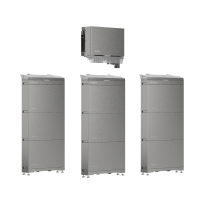
Beyond the DFS, households with rooftop solar arrays can significantly boost self-consumption by integrating dedicated energy storage. The EcoFlow OCEAN 2 Plus Single Phase offers a robust residential battery storage solution, capturing surplus solar energy generated during the day for evening use or providing stored power to minimise grid draw during peak pricing and flexibility windows.
Support a More Flexible and Efficient Electricity Grid
Every kilowatt-hour shaved off national demand directly prevents fossil-fuel peaker plants from firing up. Participating in flexibility events shrinks Britain’s collective carbon footprint and accelerates the transition towards a low-carbon grid.
Limited DFS Events and Uncertain Financial Rewards
Financial expectations must remain grounded. DFS events are not daily occurrences; during mild winters, the grid may call fewer than a dozen sessions across the entire season. Payouts per event typically range between £1.00 and £4.00 for an average household, meaning the service serves as a modest seasonal discount rather than a substantial revenue stream.
Smart Meter Requirements and Restrictions on Participation
Some households may be unable to participate in DFS events due to smart meter limitations. Properties with traditional meters or smart meters that cannot reliably provide half-hourly readings may not meet the eligibility requirements. Households should check their meter compatibility and participation requirements with their chosen provider. It works best for households that can delay a few high-load activities, such as tumble drying, EV charging, immersion heating, or dishwashing, without disrupting the evening too much.
Schedule Your Free Consultation Today!
What kind of product or solution are you interested in?
Conclusion
The Demand Flexibility Service gives UK households a practical way to support the grid and earn modest rewards for using electricity at better times. It will not transform your annual energy bill, but it can make peak-time energy use more visible and encourage smarter habits around high-load appliances.
For most homes, the best approach is simple: join through an eligible provider, watch for event alerts, and shift the biggest loads when it is easy to do so. Homes with EVs, smart energy monitors, solar panels, or battery storage may have more flexibility, but even small changes across many households can help reduce pressure on the grid.
FAQs
How Much Can You Earn From the Demand Flexibility Service?
Most UK households that take part earn £15 to £45 across a typical winter. What you make comes down to how many events your provider runs, the rate per kilowatt-hour, and how many high-draw appliances you can switch off during the window.
Which Appliances Use the Most Electricity in the UK?
EV wall chargers, tumble dryers, immersion heaters and electric showers top the list in British homes. Anything with a high-wattage heating element will pull 2 kW to 9 kW while it’s running.
How Much Does It Cost to Install a Home Battery in the UK?
A domestic battery system in the UK usually costs £4,000 to £9,000, depending on usable capacity, brand and how fiddly the install is. Energy storage currently carries 0% VAT across Great Britain.
What Is the Lifespan of a Home Battery?
A modern lithium iron phosphate (LiFePO4) home battery generally lasts 10 to 15 years. Most reputable makers warrant 6,000 to 10,000 charge cycles, with 70% to 80% capacity left at the end of the term.
Can Smart Home Devices Help Me Save Electricity?
Yes. Smart devices automate your power use so you don’t have to think about it. Smart plugs, automated thermostats and energy monitors let you run heavy appliances on off-peak timers, spot vampire draw and join grid-balancing events without lifting a finger.

