
How to Cut Energy Bills by Reducing Thermostat Use
Turning your thermostat down by a single degree can knock a bit off your heating bill. But the actual saving varies, it depends on your insulation, your boiler setup, and how cold it actually is outside. You might see a 10% drop; you might see less. So treat any exact figure you come across with a healthy pinch of salt.
What we’re looking at here is how a few small thermostat adjustments, a bit of common-sense timing, and smarter day-to-day management can trim your heating costs without leaving anyone feeling the chill.
Key Takeaways
Small drops make a big difference. Knock your thermostat down by one degree and you'll see the savings add up across a whole heating season.
Consistency beats erratic adjustments. Cranking the heating up to warm the place faster doesn't actually work. It just burns more energy and pushes your bills up.
Zoning and insulation protect your heat. Draught -proof sash windows, close curtains at dusk, and bleed radiators. Small fixes that keep warmth where it belongs.
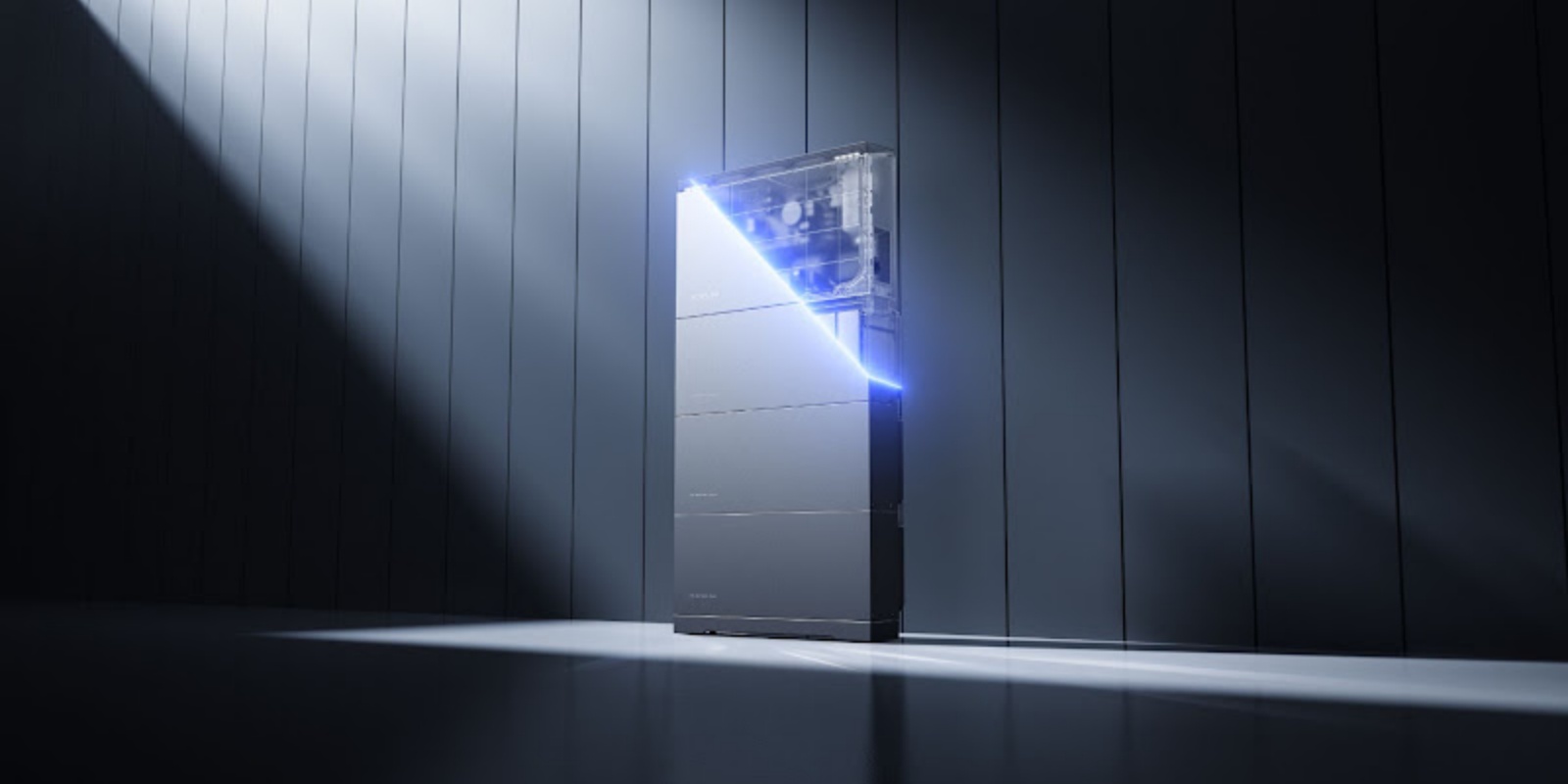
Smart visibility transforms efficiency. A home energy monitor like the PowerInsight 2, paired with a solar battery like the OCEAN 2 Plus, helps you spot waste and shift high heating loads out of expensive peak grid hours.
Can Using Your Thermostat Less Lower Energy Bills?
Understanding how your boiler responds to temperature targets is the first step toward lowering your monthly direct debits.
How thermostat settings affect energy use
Your thermostat is basically a gatekeeper. It tells the heating system whether the room has hit the temperature you’ve set. Crank it to 24°C on a cold morning? That doesn’t get the place warm any faster. The speed depends on your radiators, the water temperature, and how well your home holds heat. All a higher dial does is raise the finish line, forcing the boiler or heat pump to run longer until it gets there.
In draughty Victorian terraces and uninsulated semis, that means your heating system works overtime just to keep up with the heat escaping through walls and ceilings. So the temperature you set is about how hard your system has to work and what you’ll pay for it.
Why small temperature changes matter
Turning the heating down a notch can save you money across the year. But how much actually depends on your property, the insulation, your heating setup, and what you’re paying per unit. So don’t take any quoted figure as gospel—it’s never that straightforward.
When reducing heating saves the most
You’ll save the most in the depths of winter, November to March, when the temperature gap between inside and out is at its widest. Turning the thermostat down on a mild autumn day still helps, but it’s during freezing spells that those disciplined setbacks really cut your usage.
| Action | Typical Temperature Shift | Estimated Annual Impact | Best Suited For |
|---|---|---|---|
| Baseline dial drop | 21°C down to 20°C | Can reduce heating demand; actual savings vary by home and heating system | All day-to-day living |
| Overnight setback | 20°C down to 15°C–16°C | Can reduce heating use during sleeping hours | Sleeping hours |
| Away mode | 20°C down to 12°C–14°C | Reduces unnecessary heating while the home is unoccupied | Workdays / Holidays |
These temperature ranges are illustrative rather than universal recommendations. The appropriate setting depends on the home’s insulation, heating system, occupants, weather and risk of damp, condensation or frozen pipes.
How to Use Your Thermostat More Efficiently
A few deliberate changes to your daily heating schedule will prevent your system from running when nobody is around to enjoy it.
Set practical temperatures for each season
In the UK, public health advice considers 18°C to 20°C perfectly adequate and comfortable for living spaces where people are moving about, while older or more vulnerable household members may feel better off with the thermostat closer to 21°C. Through the autumn shoulder months, keeping things steady at 18°C and reaching for a jumper or a pair of woolly socks stops your boiler from firing up and cooling down more than it needs to before winter properly sets in. Households supporting older residents may also benefit from practical pensioner energy saving advice when choosing safe comfort settings.
Adjust temperatures when you are away
Leaving the heating chugging away on its usual timetable when everyone’s out at work or school is one of the quickest ways to burn through fuel for nothing. When the home is unoccupied, a lower setback temperature may reduce unnecessary heating while maintaining some background warmth. The appropriate setting depends on the property, weather, insulation, ventilation and occupants, so avoid relying on a single temperature to prevent damp or condensation.
Use setback temperatures overnight
A decent tog duvet means you can get away with running the house cooler overnight. Dialling the thermostat down to 15 or 16°C trims your heating use while you’re tucked up in bed. That said, there’s no one-size-fits-all number. Where you land depends on your property, your boiler setup, who’s living there, and how quickly the place sheds heat. Some homes lose warmth fast and call for a slightly higher set-point; others hold onto it for hours. Best bet—tweak it until you find what suits yours.
What Else Can Reduce Heating Energy Use?
Improving thermal retention lets you run your heating less without feeling the chill.
Improve insulation and reduce heat loss
If your loft and cavity walls aren’t insulated, your heat disappears fast. Lay 270mm of loft insulation and add reflective foil behind radiators on outside walls. It pushes heat back into the room and keeps things warmer longer after the heating’s off. Simple fix, big difference.
Seal drafts around doors and windows
Cold air sneaking under doors or through rattling windows makes your thermostat think it’s colder than it is, and that keeps the heating running longer. Stick some self-adhesive rubber weatherstrips around window frames, fit a brush draught excluder to the letterbox, and drop a heavy draught snake across external doors. Keeps the cold out and the heat in.
Use curtains to retain indoor heat
Sunlight warms your rooms for free, but bare glass lets that heat right back out. Open curtains on south-facing windows during the day to let the sun in, then draw heavy curtains at dusk to trap it.
Maintain your heating system regularly
Air trapped in radiators creates cold spots at the top, so your system has to work harder to heat the room. Bleeding them with a standard key at the start of autumn, and booking an annual boiler service, keeps heat transfer and combustion efficiency where they should be.
How Smart Monitoring and Solar Storage Can Reduce Heating Costs
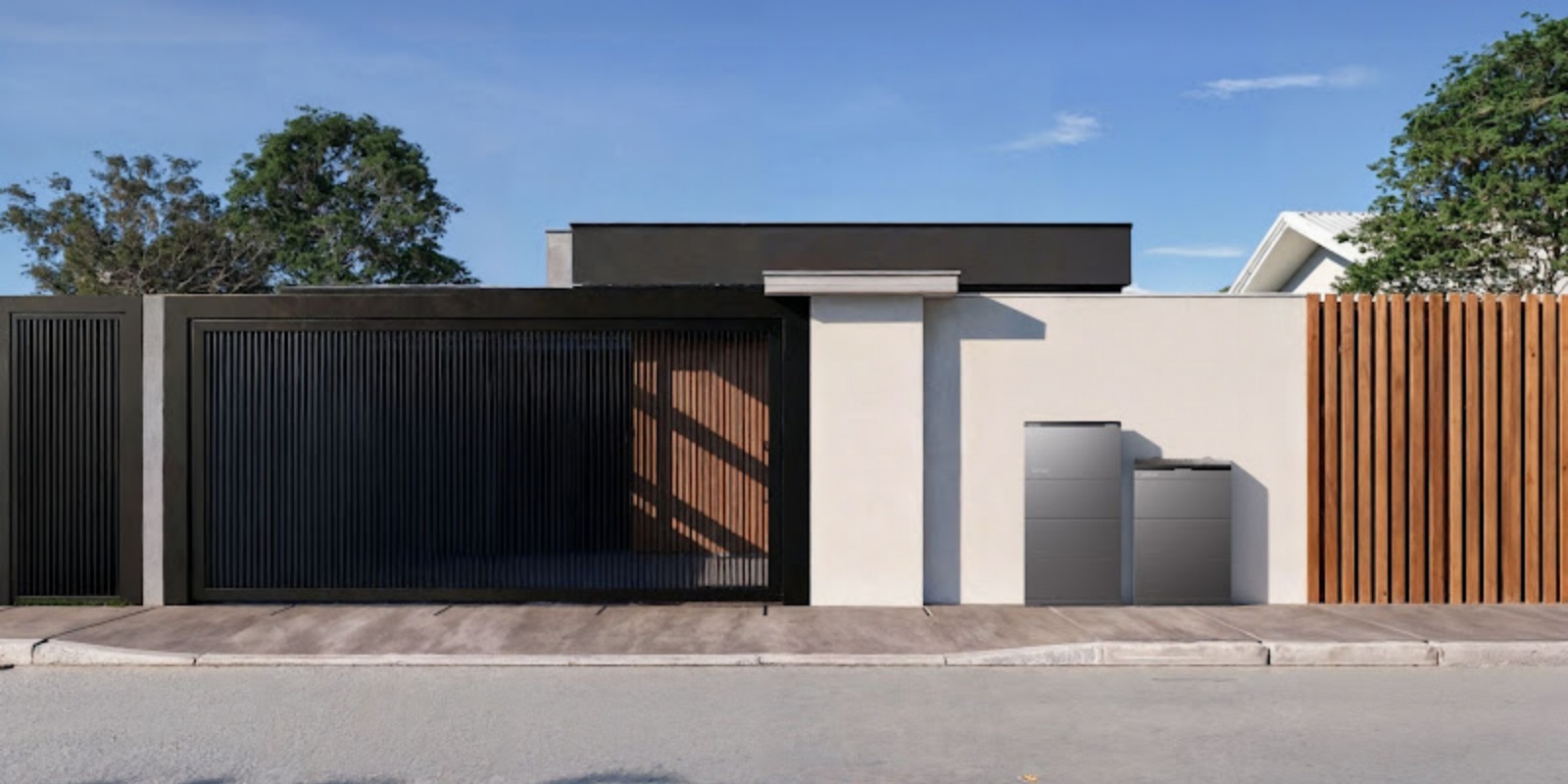
Modern energy management platforms bridge the gap between dialling down thermostats and cutting household running costs. A connected Home Energy Ecosystem can bring heating, monitoring and storage data into one coordinated view.
Monitor Household Energy Use and Identify Waste
In UK homes with heavy winter heating loads, turning down the thermostat often isn’t enough to catch the real energy drains. The EcoFlow PowerInsight 2 shows you live energy flows and overall electricity use, so you can see exactly what’s going on across your heating gear and other power-hungry appliances. The AI Energy OS digs into your habits, highlighting the biggest consumers and helping you streamline your daily management.
With real-time data, you stop guessing. You can spot standby power leaks, track portable heaters, and check whether your thermostat adjustments are actually delivering the savings you expected.
Optimise Heating and Electricity Use Around Daily Routines
Tariffs like Agile and Economy 7 make it cheaper to run your heating outside the peak period, usually 4 PM to 7 PM. Pair a smart monitor with your heating schedule, and you can warm the house up earlier when power’s cheaper, then let it ride through the expensive hours. An EcoFlow Home Battery can store lower-cost electricity for use when heating demand and tariff rates rise.
Reduce Grid Electricity Dependence With Battery Storage
While gas boilers still handle the main heating load in many UK homes, more households are now turning to heat pumps, electric underfloor heating, or portable panel heaters for zoned warmth. For those making the shift to electric heating or aiming for full-home efficiency, adding a solar battery makes a real difference. It cuts your reliance on expensive peak grid power when you need it most. Understanding how do heat pumps work can also help households plan thermostat settings and electricity use around low-carbon heating.
The EcoFlow OCEAN 2 Plus Single Phase stores surplus solar from the day, or cheap overnight electricity on off-peak tariffs, and puts it to work when your heating and electrical loads climb in the evening. With storage that scales up to 60 kWh, it adapts to homes of different sizes, giving you long-term control over your bills and some protection against the higher demand winter brings
Schedule Your Free Consultation Today!
What kind of product or solution are you interested in?

Conclusion
Cutting your energy bill doesn’t mean sitting in a freezing house. A few simple moves help. Drop the thermostat by one degree. Set back the temperature overnight. Block drafts where you can. These things show up on your next bill.
Add real‑time monitoring and battery storage, and you get more control. Devices like the EcoFlow PowerInsight 2 show you where the power’s going. The EcoFlow OCEAN 2 Plus Single Phase stores cheap energy for when you need it. Heating stops being something you just react to. It becomes something you manage. Set it up right, and you stay warm without overpaying. That’s the goal. Simple adjustments. Smarter equipment. Better control.
FAQ
Is it better to run the heating on a timer or set the thermostat?
Truth is, you get the most out of both. Running the heating off a timer and a thermostat works out cheaper than leaving it ticking over on low all day. Modern condensing boilers use less gas bringing a house up to temperature on a timed schedule than they do chugging away constantly just to top up heat that’s forever leaking out.
Is it cheaper to heat just one room?
Yes, provided you turn down the radiators in rooms you’re not using. That’s where TRVs come in. Wind them back and you take the load off your boiler straight away. Just keep doors shut, otherwise colder air from unheated rooms will drift in and undo the good work.
How soon will a lower thermostat setting show up on my bill?
Pretty much straight away, actually. The boiler fires up less often, so your next bill should already come in lower, assuming nothing else changes.
Should I crank the thermostat up during a cold snap?
No. Leave it where it normally sits. When temperatures drop outside, your boiler’s already working harder just to keep pace. Bumping it up only burns more gas without doing much extra for comfort.
How do smart thermostats save money?
They do the thinking for you, dialling the heat back when rooms are empty, adjusting on the fly, and letting you make changes from your phone while you’re out. The better ones even learn how your home behaves and only fire the boiler when they know it’ll count.

