
Cost of Charging an Electric Car at Home: Rates and Examples
Charging an EV at home in the UK costs far less than pulling up at a public rapid charger, but what you pay comes down to your tariff, battery size and how long you charge for. A 60 kWh EV, for instance, might cost around £5 on a cheap overnight tariff, against more than £17 on a standard household rate. This guide shows you how to work out home charging costs, compare tariffs and trim your monthly bill.
Key Takeaway
Home charging costs. A full charge on a 60 kWh EV battery comes to about £17.33 at 26p/kWh, or £5.33 at 8p/kWh, assuming 90% charging efficiency.
Cost per mile. At 3.8 miles/kWh and 90% home charging efficiency, you’re looking at roughly 2.3p per mile on an 8p/kWh overnight tariff, or 7.6p per mile at 26p/kWh.
Off-peak savings. EV tariffs can bring charging costs down a lot, but check the daytime rate and standing charge before you switch.
Solar charging. If your EV sits on the drive during the day, rooftop solar can cut how much you pull from the grid. A home battery can help with evening charging too, depending on its capacity and setup.
How Much Does It Cost to Charge an Electric Car at Home in the UK?
Home charging costs depend mainly on how much electricity your EV needs and the rate you pay per kWh. The examples below show how those costs change by battery size, mileage and tariff.
Average Cost of a Full Home ChargeAverage Cost of a Full Home Charge
The total cost to charge from near-empty to full hinges directly on two variables: your battery capacity and the unit rate of your electricity tariff.
For a typical EV with a 60 kWh usable battery (requiring ~66.7 kWh from the meter at 90% charging efficiency), charging from empty to full costs approximately £17.33 at a standard 26p/kWh rate, compared with £5.33 on an 8p/kWh off-peak tariff (or £5.00 at 7.5p/kWh). These estimates assume 90% charging efficiency to account for energy lost during the charging process. Actual costs depend on the vehicle, charger, electricity tariff and starting battery level.
A larger electric SUV with a usable battery of 77 to 85 kWh will cost around £6.85 to £7.56 for a full charge at an 8p/kWh overnight rate, assuming 90% charging efficiency. What you actually pay comes down to battery size, charging losses and your tariff.
Cost to Charge an EV for 100 Miles
Many modern EVs achieve around 3.5 to 4 miles per kWh in mixed driving conditions, using approximately 25 to 29 kWh of battery energy per 100 miles. At 90% home charging efficiency, replenishing 26 kWh of battery energy would require approximately 28.9 kWh from the electricity meter.
| Charging Scenario | Unit Rate | Billed Energy | Cost per 100 Miles |
|---|---|---|---|
| Home Off-Peak | 7.5p/kWh | 28.9 kWh | £2.17 |
| Home Standard | 26p/kWh | 28.9 kWh | £7.51 |
| Public Rapid | 75p/kWh | 26 kWh* | £19.50 |
| Petrol Car (45 mpg, 140p/L) | 140p/L | 10.1 L | £14.15 |
Public charging assumes 26 kWh of billed electricity for illustration. Actual DC charging costs depend on the provider’s billing method and charging losses. Petrol calculation uses UK imperial gallons.
Monthly and Annual Home Charging Costs
For a driver covering approximately 7,800 miles annually (650 miles per month), an EV averaging 3.8 miles/kWh would use around 171 kWh of battery energy each month. Assuming 90% home charging efficiency, approximately 190 kWh would be drawn from the electricity meter.
Monthly Cost (Off-Peak at 8p/kWh): Approximately £15.20
Monthly Cost (Standard at 26p/kWh): Approximately £49.42
Annual Cost (Off-Peak): Approximately £182
Annual Cost (Standard): Approximately £593
These estimates exclude any changes to standing charges or daytime electricity rates when switching tariffs.

What Electricity Rates Do You Pay for Home EV Charging?
UK households can charge an EV on a standard tariff or move to a plan with cheaper overnight rates. For anyone charging regularly, the gap adds up fast.
Standard Electricity Rates for Home Charging
Ofgem’s average unit rate for households on default tariffs paying by Direct Debit sits at 26.32p/kWh from 1 October to 31 December 2026, with a daily standing charge of 54.83p across England, Scotland and Wales. Your actual rate depends on where you live and how you pay. Dedicated EV tariffs can offer cheaper overnight power, though their daytime rates and standing charges often differ from the standard. The default rate keeps things predictable and needs no timers, but charge only at 26p and you’re paying full domestic price for sessions that run several hours at a time.
Off-Peak Rates on EV Electricity Tariffs
Several UK suppliers run dedicated EV tariffs, Octopus Energy and British Gas among them. They tend to offer cheaper power during set overnight hours, though the charging window, who qualifies and the rates all differ by supplier.
Off-peak rates. Some EV tariffs drop to around 7p to 9p/kWh during designated overnight periods.
Daytime rates. Power used outside the cheap window can cost more than on a standard household tariff.
Eligibility. Some plans need a compatible smart meter, an EV or a home charger.
Check the supplier’s current terms and compare your total household costs before you switch.
When comparing EV tariffs, it’s also worth considering whether solar battery storage could help you use surplus solar electricity for charging rather than relying entirely on grid power. The potential benefit depends on when your solar panels generate electricity, your household demand and your battery capacity.
How Standing Charges Affect Your Electricity Bill
The daily standing charge is what you pay for your electricity supply no matter how much you use. On your existing household tariff, the extra cost of charging an EV comes down mostly to the power you use and the unit rate. Switch to a dedicated EV tariff, though, and you need to weigh the standing charge as well as the rates. A cheaper overnight rate can be wiped out by pricier daytime power or a different standing charge.

How Do You Calculate the Cost of Charging an Electric Car at Home?
You can estimate charging costs using your battery capacity, electricity rate and expected charging losses.
Calculate Costs Using Battery Capacity and Electricity Rates
To work out how much it costs to charge an electric car, consider your battery’s usable capacity, the percentage you need to recharge and your electricity rate. To estimate the amount added to your electricity bill, also account for charging losses.
Formula:
Charging Cost (£) = Battery Capacity (kWh) × Percentage Recharged ÷ Charging Efficiency × Electricity Rate (£/kWh)
Example 1: Charging a 64 kWh EV from 0% to 100%
At an off-peak electricity rate of 8p/kWh and 90% charging efficiency:
64 ÷ 0.90 × £0.08 = £5.69
Example 2: Charging from 20% to 80%
Charging from 20% to 80% adds 60% of the battery’s usable capacity:
64 × 0.60 = 38.4 kWh
38.4 ÷ 0.90 × £0.08 = £3.41
These estimates assume 90% charging efficiency. Actual costs vary depending on the vehicle, charging equipment, temperature and electricity tariff.
Account for Charging Losses
No electrical circuit is 100% efficient. Converting AC electricity from your home consumer unit into DC energy stored inside your vehicle’s battery cells involves thermal and conversion losses:
Home EV charging involves some energy loss as electricity is converted and stored in the vehicle’s battery. A dedicated 7 kW to 7.4 kW AC charger may achieve around 90% overall charging efficiency under typical conditions, although results vary by vehicle, charging power and temperature.
Charging through a standard three-pin socket can be less efficient because the vehicle’s onboard electronics remain active for longer relative to the energy delivered. For a practical estimate, divide the energy added to the battery by 0.90 to approximate electricity drawn from the meter.
To estimate the electricity drawn from your home meter, divide the energy added to the battery by the charging efficiency.
Electricity Drawn From the Meter (kWh) = Energy Added to Battery (kWh) ÷ 0.90
For example, adding 50 kWh to your EV battery at 90% charging efficiency requires approximately 55.6 kWh from your home electricity meter. At an electricity rate of 8p/kWh, the charging session would cost around £4.44.
Compare Charging Costs Across EV Models
| Vehicle Model | Usable Battery | Approx. Real-World Range | Cost to Full (8p) | Cost to Full (26p) | Cost per 100 Miles (8p) |
|---|---|---|---|---|---|
| Fiat 500e | 37 kWh | ~140 miles | £3.26 | £10.58 | £2.33 |
| MG4 EV (SE) | 51 kWh | ~215 miles | £4.49 | £14.59 | £2.09 |
| Tesla Model 3 RWD | 57.5 kWh | 250 miles | £5.06 | £16.45 | £2.02 |
| Kia EV6 RWD | 77.4 kWh | ~300 miles | £6.81 | £22.14 | £2.27 |
| BMW iX xDrive50 | 105.2 kWh | ~340 miles | £9.26 | £30.09 | £2.72 |
How Can You Reduce the Cost of Charging an Electric Car at Home?
The biggest savings usually come from charging at lower electricity rates. Smart charging schedules and solar generation can also help reduce costs.
Switch to an EV-Friendly Electricity Tariff
If you rely on your domestic supply for motoring, staying on a standard variable tariff simply leaves money on the table. UK energy suppliers require a working smart meter (SMETS2) to track half-hourly consumption. Once installed, moving to an off-peak dual tariff slashes per-charge expenses by roughly two-thirds right out of the gate. A home energy ecosystem can also help coordinate household energy use.
Schedule Charging During Off-Peak Hours
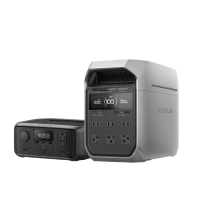
A smart EV charger can help you make better use of cheaper electricity rates without manually starting each charging session. For example, the EcoFlow PowerPulse 2 supports scheduled charging and dynamic electricity tariffs, allowing drivers to plan charging around lower-cost periods. It also offers a solar charging mode for households with compatible solar systems. Actual savings depend on your tariff, charging schedule and home energy setup.
Use Solar Panels to Reduce Grid Electricity Use
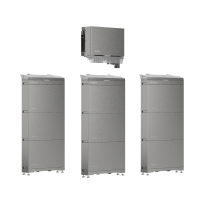
If your EV is usually away from home during the day, a home battery can help you use more of the solar electricity generated while you’re out. The EcoFlow OCEAN 2 Plus Single-Phase combines solar generation and battery storage, allowing compatible home energy systems to store surplus solar power for later household use, including EV charging.
However, charging an EV requires considerably more energy than running most household appliances. The amount of solar electricity available for evening charging depends on your battery’s usable capacity, household demand and system efficiency. It’s also worth comparing the value of stored electricity with any payments you could receive for exporting surplus solar power to the grid.
Weigh Up Home Charger Installation Costs
The electric car charger installation cost for a dedicated 7.4 kW smart home charger is roughly £800 to £1,200, including installation by a qualified electrician (such as one registered with NICEIC or NAPIT). While that looks like a notable upfront expense compared with plugging into an ordinary 3-pin socket, consider the potential benefits:
Three times faster charging: A 7.4 kW unit adds around 25 to 30 miles of range per hour (compared to 7 to 9 miles on a 3-pin plug).
Capturing off-peak slots: Because a 3-pin plug charges slowly, it cannot fully recharge a modern 60 kWh battery inside a tight 4-to-5-hour off-peak window, spilling expensive charging hours into peak morning rates.
Safety and durability: Dedicated EV chargers are engineered to sustain continuous high current draws without overheating domestic ring mains.
A dedicated home charger can make it easier to complete larger charging sessions within discounted overnight hours, particularly for drivers covering higher daily mileages. However, the payback period depends on installation costs, annual mileage, available off-peak hours and the charging options already available at home. Compare the total household electricity bill before switching tariffs rather than assuming the charger will pay for itself within a fixed period.
Schedule Your Free Consultation Today!
What kind of product or solution are you interested in?
Conclusion
What you pay to charge at home in the UK comes down mostly to your tariff, how you drive and how efficiently you charge. At 8p/kWh overnight, 100 miles costs around £2.30 in electricity against roughly £7.60 on a 26p/kWh standard rate. Before you switch tariffs, weigh the daytime rate and standing charge against what you’d save overnight. Smart charging and solar can shave more off your grid costs, depending on what you’ve got at home.
FAQs
How Quickly Can I Get a Home EV Charger Installed?
Most UK home EV charger installations take between one and three weeks from booking to completion. The physical installation process itself usually takes around 2 to 4 hours, provided your existing consumer unit has sufficient capacity and your installer does not identify any complex earthing issues or main fuse upgrades requiring liaison with your local Distribution Network Operator (DNO).
How Long Would It Take to Charge an Electric Car with a Solar Panel?
Charging a standard 60 kWh EV entirely from rooftop solar panels typically takes between 1.5 and 3 full sunny days, depending on system size and weather. A common 4 kWp UK domestic solar array generates around 15 to 25 kWh on a clear summer day. Pairing solar panels with a compatible home battery system can help store surplus solar electricity for EV charging later in the day. The available charging power depends on the battery capacity, inverter output and overall household electricity demand.
Does an EV Charger Increase Home Value?
A modern 7.4 kW smart charger can make a property more appealing — especially to buyers who already run an EV. Off-street parking helps, and it’s a feature that can sway someone who owns or is thinking about buying electric. But don’t count on a guaranteed bump in resale value. It comes down to local demand, how well it’s installed and what buyers want. A good charger is a useful selling point, not a sure-fire investment.
Does Charging EV to 100% Damage the Battery?
Charging to 100% every time and leaving the car sat full can speed up lithium-ion degradation. Most makers suggest setting your daily home limit to 80%, keeping the last 20% for long trips. Cars with Lithium Iron Phosphate (LFP) packs, standard-range Teslas, certain BYDs, cope with 100% far better, and often recommend a weekly full charge to keep the battery management system calibrated.
What Is the Life Expectancy of an EV Charger?
A quality home charging point usually lasts 10 to 15 years with minimal upkeep. Most reputable makers offer a 3-year warranty as standard, and the internals are built to handle typical UK weather (rated IP54 to IP65 for dust and rain). Keep the firmware updated over Wi-Fi and it’ll stay compatible with newer vehicle software.

