
Cheapest Way to Heat a House: Heating Options Compared
The cheapest way to heat a house depends on what’s already installed, how much heat the property loses and the tariff you’re on. Keeping a working boiler may cost less upfront, while a heat pump or storage heaters can offer lower running costs in the right circumstances. This guide compares the main UK heating options, from installation costs to everyday use. It also covers practical ways to cut your bills before you commit to a new system.
Key Takeaways
Gas boilers: Mains gas is still one of the cheaper ways to heat a home, with an average gas unit rate of 7.97p/kWh for Direct Debit default tariffs in Great Britain for 1 October–31 December 2026, excluding standing charges.
Heat pumps: They deliver 3–4 kWh of heat for every kWh of electricity, and on the right tariff they can compete with gas.
Insulation: Poor insulation pushes up heating costs no matter what system you’re running.
Smart energy management: Solar panels, battery storage, and off-peak tariffs can all help bring electric heating costs down.
Government grants: The Boiler Upgrade Scheme offers £7,500 for eligible air-to-water or ground source heat pumps in England and Wales, or £9,000 for qualifying replacements of oil or LPG heating.
What Are the Different Home Heating Options in the UK?
UK households have a few options when it comes to heating: gas boilers, heat pumps, electric heaters, and oil or LPG systems. Installation costs, efficiency, and running expenses all vary depending on what you go for.
Gas Central Heating
Gas central heating uses a combi, system or regular boiler to heat water for radiators. Modern condensing boilers operate at around 90–94% efficiency. Lower gas unit prices make them economical to run, although costs remain sensitive to fuel price changes and future heating regulations.
Air Source and Ground Source Heat Pumps
Heat pumps pull heat from the outside air or the ground to warm your home. Air source systems usually give you 3–4 kWh of heat for every kWh of electricity, which is a SCOP of 3–4. Ground source systems are more efficient and hold their performance more steadily, but they need outdoor space for ground loops or boreholes, so the install costs more. For a step-by-step explanation of the heat-transfer cycle, read “How do heat pumps work”.
Direct Electric Heating
Panel heaters, oil-filled radiators, and infrared panels turn electricity directly into heat at virtually 100% point-of-use efficiency. They’re cheap to install and need very little maintenance. But with electricity prices where they are, running them for the whole house gets expensive. They’re better suited to occasional use or heating a single room.
Electric Storage Heaters
Storage heaters use cheaper off-peak electricity, typically overnight, to store heat for daytime use. Modern high heat retention (HHR) models feature improved insulation, precision thermostats, and controlled heat release to minimize standing heat loss during the day, making them a practical choice for flats without mains gas.
Oil and LPG Boilers
Oil and LPG boilers are common alternatives for rural homes without mains gas. Both supply hot water to conventional radiator systems but require fuel storage and regular deliveries. Running costs depend on fuel prices, while tanks need periodic inspection and maintenance.
Heating Systems Comparison
| Heating System | Typical Installed Cost | Fuel Cost | Efficiency | Best Suited For |
|---|---|---|---|---|
| Gas Boiler | £2,000–£4,000 | 7.97p/kWh | 90–94% | Homes with mains gas |
| Air Source Heat Pump | £8,000–£14,000 | 26.32p/kWh | SCOP 3–4 | Insulated homes, smart tariffs |
| Ground Source Heat Pump | £18,000–£35,000 | 26.32p/kWh | SCOP 3.5–4.5 | Detached homes with outdoor space |
| Storage Heaters | £700–£1,500/unit | Check off-peak tariff | ~100% point-of-use; retention varies | All-electric flats |
| Direct Electric Heaters | £100–£400/unit | 26.32p/kWh | ~100% (point-of-use) | Individual rooms |
| Oil/LPG Boilers | £3,000–£6,000 + tank | Supplier quotation | 88–92% | Rural off-gas homes |
Costs are approximate figures retained from the original draft, not independently verified October 2026 quotations. Heat pump costs are before grants; Boiler Upgrade Scheme grants in England and Wales are £7,500 for eligible air-to-water or ground source systems, or £9,000 for qualifying replacements of oil/LPG heating. Gas and single-rate electricity figures in the table use Ofgem’s Great Britain Direct Debit averages for 1 October–31 December 2026 and exclude standing charges; off-peak and delivered-fuel prices require individual quotes.

Which Heating Method Is Cheapest for Different Types of Homes?
The cheapest way to heat your home depends on its size, how well it’s insulated, and what system you’ve already got. Here’s how the main options compare for different UK homes.
Heating a Small Flat or Apartment
One- or two-bedroom flats usually need less heating because of shared walls. If mains gas is available, a compact combi boiler keeps running costs low. For all-electric flats where leasehold or planning rules make a heat pump tricky, modern Lot 20-compliant high heat retention storage heaters on an off-peak tariff are a practical alternative.
Heating a Large Detached House
Bigger homes need more heat, so efficiency really matters. An air source heat pump paired with solar panels and a battery can bring long-term costs down, especially with the Boiler Upgrade Scheme grant for eligible homes in England and Wales. If the budget’s tight upfront, an A-rated gas boiler with weather-compensating controls is usually the cheaper option to install. For homes with solar panels, solar battery storage can shift some electricity use away from expensive periods, although savings depend on the tariff and system costs.
Heating a Poorly Insulated Home
Older properties, like Victorian terraces and stone cottages, tend to lose a lot of heat through the walls, roof, and windows. Heat pumps can still work in these homes, but poor insulation will push running costs up and you may need to upgrade the radiators. Sorting the insulation first is usually the most cost-effective move, and in the short term, an existing gas or oil boiler may still be the practical choice. Our guide on how to improve EPC rating explains how insulation and heating upgrades can be prioritised together.
Heating One Room or the Whole House
If it’s just one room, a portable electric heater or infrared panel can work out cheaper than firing up central heating for the whole house. But once you’re heating several rooms, a gas boiler or heat pump usually delivers better value per unit of heat. Actual costs come down to how long you’re heating, your tariff, and which rooms you’re warming.
How Do You Choose the Most Cost-Effective Heating System?
Compare the installation, running, and maintenance costs, plus any upgrades your home might need. A quote tailored to your property will give you a clearer picture of the total expense. For homes combining solar, storage and smart heating, the home energy ecosystem shows how compatible technologies can work together.
Compare Installation and Running Costs
A cheap install doesn’t always mean cheap to run. Electric panel heaters might only cost a few hundred pounds to fit, but they can set you back around £1,842 a year in an illustrative 7,000 kWh heating-use example at 26.32p/kWh, excluding standing charges. Heat pumps cost more upfront, but with an illustrative seasonal efficiency of 350%, they can bring running costs down, especially on off-peak tariffs.
Assess Your Home’s Heating Requirements
Heat loss calculations and radiator sizing are what tell you whether a heat pump will work in your home. Places with underfloor heating or big Type 22 radiators are well suited to running at 35°C–45°C flow temperatures. If your radiators are small and old, you may need to upgrade them to keep the rooms comfortable.
Explore Grants for Heating Upgrades
Government grants can take the sting out of installation costs. In England and Wales, the Boiler Upgrade Scheme offers £7,500 for eligible air-to-water or ground source heat pumps, or £9,000 for qualifying replacements of oil or LPG heating. The higher grant is available until 31 March 2027, subject to the scheme’s conditions. In Scotland, Home Energy Scotland provides grants and interest-free loans for qualifying improvements. Low-income households may also get heating and insulation support through ECO4, depending on the property assessment and what funding’s available. The scheme is currently set to end on 31 December 2026.

How Can You Reduce Home Heating Costs Without Replacing Your System?
If your heating system works reliably, improving insulation, adjusting heating controls and reviewing your energy tariff can help reduce costs without replacing equipment.
Improve Insulation and Reduce Heat Loss
Cutting heat loss means your heating system doesn’t have to work as hard.
Top up loft insulation: Taking mineral wool up to 270mm reduces heat loss; savings depend on existing insulation depth, property type and fuel prices.
Seal draughts: Fit draught excluders around doors, letterboxes, and floorboard gaps to stop heat escaping.
Install radiator reflector foil: Put reflective panels behind radiators on external walls to cut heat loss.
Optimise Heating Temperatures and Schedules
Turning your thermostat down by 1°C can reduce heating costs, provided the temperature remains comfortable. And if you’ve got a condensing combi boiler, dropping the central heating flow temperature to around 55°C–60°C can improve efficiency, as long as your radiators still heat the rooms properly. Boiler and heat pump schedules should be set differently: heat pumps may benefit from longer, steadier operation.
Switch to a More Suitable Energy Tariff
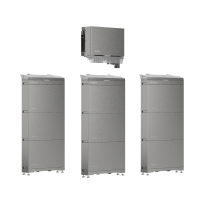
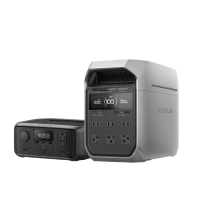
Time-of-use tariffs such as Economy 7 offer cheaper electricity in specified off-peak periods; Agile Octopus prices vary with the market and can also be high. If you’ve got electric heating or a heat pump, shifting your usage to those windows can pay off. For homes with solar, the Ecoflow OCEAN 2 Plus single phase supports up to 24 kW of solar input, depending on the inverter model. Paired with a battery and a time-of-use tariff, it lets you store surplus solar or cheap off-peak power for the hours when electricity costs more, potentially reducing grid costs for electric heating after storage losses and tariff differences are considered.
Monitor Energy Use and Identify Waste
Tracking electricity consumption can help identify unnecessary usage and adjust heating schedules. The EcoFlow PowerInsight 2 displays real-time household electricity consumption and solar generation data across compatible home energy systems. Homeowners can use this information to identify peak consumption periods, monitor energy use and make adjustments to reduce electricity costs.
Schedule Your Free Consultation Today!
What kind of product or solution are you interested in?
Conclusion
The cheapest option is whatever meets your home’s needs at the lowest overall cost. That might mean keeping your current system and improving the controls, or replacing it when the running costs and the quote stack up. Start by cutting avoidable heat loss and checking how much energy you actually use. If you do need a replacement, compare quotes that include any radiator, pipework, or electrical upgrades, and work out running costs using your own tariff. That gives you a clearer basis for deciding than efficiency ratings or installation prices on their own.
FAQs
Is It Worth Replacing a Gas Boiler with a Heat Pump?
Yes, it is often worthwhile if your property is reasonably well-insulated and you qualify for a Boiler Upgrade Scheme grant in England or Wales. While a heat pump won’t always cut running costs dramatically compared to cheap mains gas on standard electricity rates, combining it with a smart off-peak tariff and solar storage can lower operational emissions and running costs, depending on system performance, tariffs and installation costs.
Should a 20 Year Old Boiler Be Replaced?
A 20-year-old boiler may merit replacement, depending on its efficiency, condition and repair costs; age alone does not determine efficiency. Replacing it with a modern A-rated condensing boiler or an alternative low-carbon system can reduce fuel consumption; the savings and payback depend on the existing system and installation costs.
How Much Does a Heat Pump Cost for a 2000 Sq Ft Home?
An illustrative £10,000–£15,000 air source heat pump installation would leave £2,500–£7,500 to pay after a £7,500 Boiler Upgrade Scheme grant in England or Wales. A 2,000 sq ft (around 185 m²) floor area alone cannot determine the quote: heat loss, radiator and pipework upgrades also matter. Qualifying oil/LPG replacements may receive £9,000 instead; confirm eligibility and obtain a property-specific quote.
What Is the Major Disadvantage of a Heat Pump?
The primary disadvantage of a heat pump is its high upfront installation cost compared to a traditional boiler. Heat pumps also deliver water at lower flow temperatures, which means homes with inadequate insulation or undersized radiators will struggle to warm up quickly during sudden cold snaps unless those elements are upgraded.
Is It Cheaper to Keep My Heating on Low All the Time?
For boiler heating, it is generally cheaper to schedule heat when you need it rather than leave it on low all day. Homes continuously leak heat to the colder outside air; keeping the heating on continuously increases total heat loss throughout the day, meaning your system burns more overall fuel than one managed by a responsive timer and thermostat. Heat pumps can be different: longer, steadier operation at lower flow temperatures may be more efficient, so follow the installer’s recommended controls.

