
Calculating Solar Power: A Step-by-Step Guide for Homeowners
Thinking of joining the thousands of UK homeowners swapping unpredictable energy bills for the quiet hum of solar power? Smart move. But before you start ordering panels, you need a proper plan.
Working out your solar potential is about matching your household’s unique energy fingerprint to the right kit. This guide walks you through the key numbers, the common slip-ups to avoid in our British climate, and how to future-proof your setup, so you’re never left short on a drizzly Tuesday.
How Do You Actually Calculate Solar Power for Your Home?
Getting your numbers right starts with looking back at your past usage to predict your future savings. Here is the logical flow to find your ideal system size.
Calculate Daily Demand from Annual Usage
Grab your last four energy bills. In the UK, a typical semi-detached home runs to about 2,700–3,000 kWh per year. Divide your annual total by 365 – that gives you your average daily burn rate.
Estimate System Size Based on Sunlight Hours
We’re not exactly the Costa del Sol, are we? On average, the UK gets about 2.5 to 4 peak sun hours per day, depending on the season. Need to cover a 10kWh daily habit? You’re theoretically looking at a 4kWp system (10 ÷ 2.5 = 4).
Subtract System and Inverter Efficiency Losses
No system runs at 100% efficiency. Between the DC-to-AC conversion in the inverter and heat loss in the cables, knock off about 15–20% from your theoretical output.
Calculate How Many Solar Panels You Need
To calculate how many solar panels are needed to power a house, you should at least know that modern high-efficiency panels usually come in around 400W to 450W. For a 4kW system, you’re looking at roughly 10 panels.
Adjust for Roof Space And Layout Limits
A standard panel measures about 1.7m². Make sure your roof has enough clear space and watch out for shadows from chimneys or neighbouring trees. They’ll tank your efficiency.
.png)
Why Do Most Solar Calculations End up Inaccurate?
Many homeowners get a nasty surprise when their real-world generation doesn’t match the sales brochure. Usually, it’s because the “ideal conditions” used in calculations rarely exist in a typical British garden.
| Factor | Why it causes inaccuracy |
|---|---|
| Seasonal Variation | Solar output in December can be as little as 1/10th of July’s peak. |
| Roof Overestimation | Forgetting to account for "setback" distances required for wind loading or building regs. |
| Round-Trip Loss | Batteries lose energy when charging and discharging, usually about 5-10%. |
| Surge Demands | Appliances like kettles or power tools pull massive "spikes" that small systems can't handle. |
To truly tighten your calculations, you must also stop energy waste from vampire appliances. Those standby lights on your TV and microwave can easily add 10% to your baseline “phantom load,” making your solar system work harder for no reason.
What Are You Missing in Your Solar Calculation?
Beyond the basic math, several “invisible” factors determine whether your investment pays off in 7 years or 15.
First, you must map appliance-level energy consumption patterns. It’s not just how much you use, but when. If you’re at work all day, your panels are generating for an empty house unless you have storage. You should also check DNO grid export limits; your local District Network Operator might limit how much power you can “push” back to the grid, which affects your system design.
Don’t forget to include future EV home charging needs or the possibility of switching to a heat pump. Planning for today’s usage is a common mistake. Instead, choose battery storage for night usage to capture that free daytime energy. Finally, account for summer heat efficiency drops—ironically, solar panels actually lose efficiency when they get too hot, a factor becoming more relevant with our increasingly warm UK summers.
How Do You Size Your Solar System Without Guesswork?
The secret to a stress-free transition is choosing technology that adapts to you, rather than forcing you to adapt to it. A robust home energy management system acts as the brain of your house, ensuring every watt generated is used efficiently.
Choose a Modular Battery for Future-Proofing
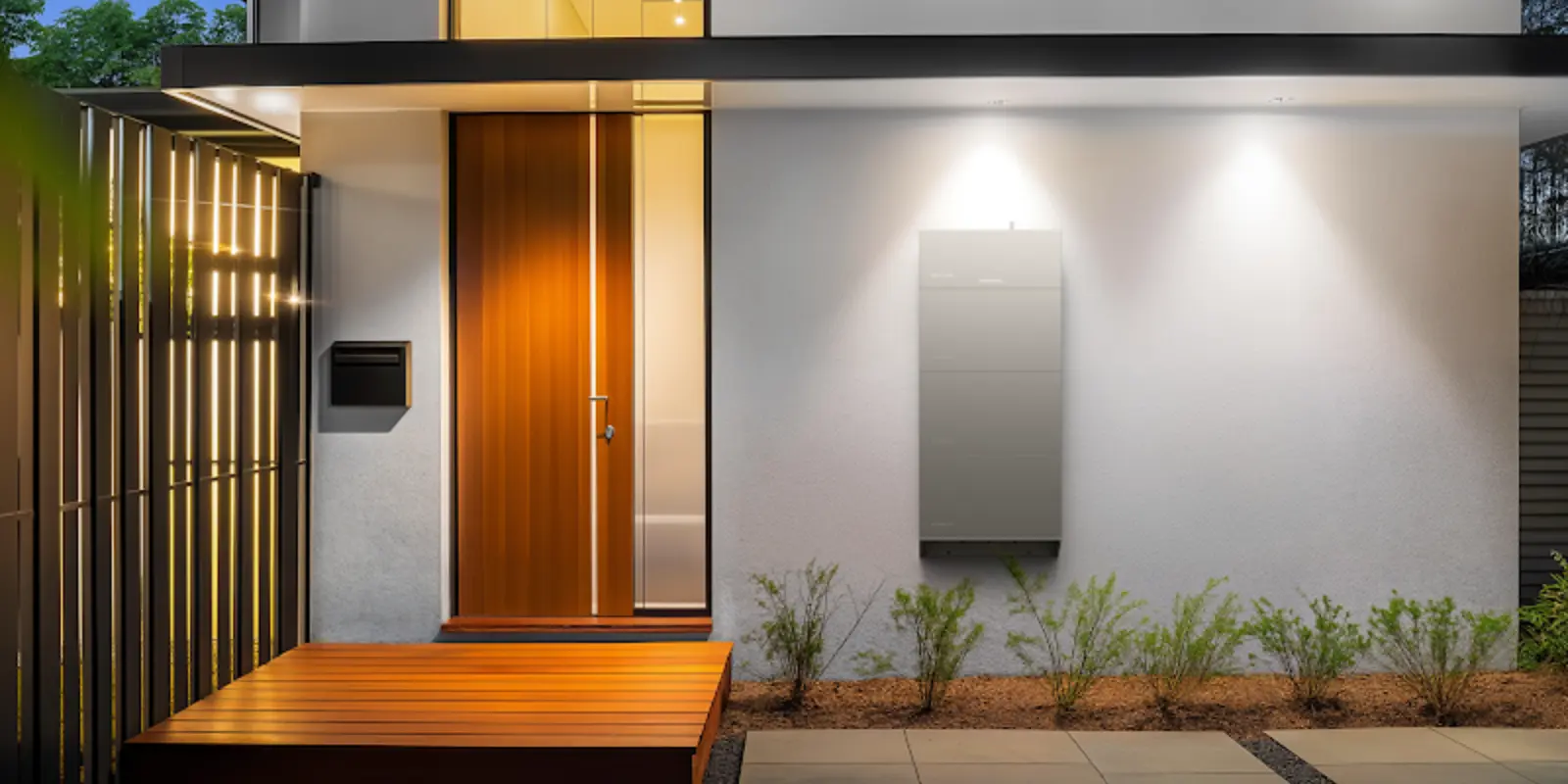
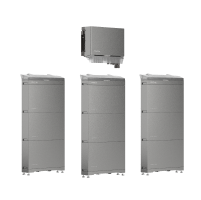
In the UK, pinpoint accuracy is tough because your life changes. The EcoFlow PowerOcean uses a flexible modular design—think of it as a “grow-as-you-go” power bank for your home. You can start with a 5kWh base, and if you later install a heat pump or buy an EV, you simply stack more battery packs like Lego bricks. Crucially for our climate, its built-in auto-heating technology ensures it keeps humming even during those freezing January nights. Plus, a 15-year warranty offers long-term peace of mind in a volatile energy market.
Use a Centralised Energy Management Dashboard
Staring at a confusing paper bill won’t save you money; you need a “brain” for your home. The EcoFlow PowerInsight 2 turns complex energy data into an intuitive 11-inch touchscreen on your wall. For UK homeowners on dynamic tariffs like Octopus Agile, it can automatically sense when electricity is cheap to charge your batteries and switch to battery power during peak “standing charge” hours. You stop squinting at spreadsheets and start seeing your energy flow in real-time.
Automate Power Priorities for Critical Appliances
By using smart automation, you can ensure that if the sun goes down, your fridge and home office take priority over the tumble dryer. Always verify roof and panel compatibility with your installer and ensure you have access to remote technical support and optimisation so your system can be “tuned” via the cloud without a technician visiting your attic.
Pro Tip: How to Slash Your Payback Period with Dynamic Tariffs
If you’re on a standard flat-rate tariff, your solar system is a passive saver. But combined with a dynamic tariff like Octopus Agile, it becomes an active income generator.
Here is how the math changes for a typical 4kWp system with a 10kWh battery:
The “Smart Energy” ROI Comparison
| Feature | Standard Flat Tariff | Octopus Agile + Smart Storage |
|---|---|---|
| Average Electricity Cost | ~24p - 26p / kWh | ~12p / kWh (via overnight/off-peak charging) |
| Peak Avoidance | Limited to solar generation | 100% Avoidance (using battery during 4-7 PM peaks) |
| Export Earnings (SEG) | Fixed ~5p - 15p / kWh | Dynamic (Selling back when grid demand is highest) |
| Estimated Payback | 9 - 11 Years | 6 - 8 Years |
A Quick Calculation Example:
Imagine a rainy Tuesday in London. Your solar panels are barely ticking over, but you still need 10kWh of power.
Without smart storage: You purchase the full 10kWh from the grid at peak rates, for example, 25p per kWh. That comes to £2.50.
With EcoFlow PowerOcean and an agile tariff, your system automatically tops up the battery at 2 am, when prices might drop as low as 8p per kWh. Then you run off that stored energy all day. Total cost: £0.80.
The result: You’ve saved 68% on that day’s bill without a single ray of sunshine. Over a year, those smart wins knock years off your break-even point.
What Are the Next Steps after Sizing Your Solar System?
Once you’ve got your numbers, it’s time to move from theory to installation. In the UK, that means navigating a few regulations and technical checks to make sure your investment stays safe and pays its way.
Book a Site Survey with MCS-Certified Installers
This one matters for any UK homeowner. An MCS-certified installer makes sure the job meets proper safety standards. More importantly, you generally can’t claim Smart Export Guarantee (SEG) payments or get the 0% VAT rate unless an MCS professional commissions your system. They’ll also check that your roof can handle the extra weight and wind load.
Navigate Dno Applications and Seg Tariffs
Your installer needs to notify the District Network Operator (DNO) before connecting to the grid. Small systems – typically under 3.68kW – just need a simple G98 notification. Larger setups require G99 prior approval. Once that’s sorted, compare SEG tariffs. Some suppliers pay noticeably better rates for the surplus you export.
Confirm 0% Vat and Local Incentives
The UK government set a 0% VAT rate on energy-saving materials, currently running until March 2027. Make sure your quote shows that 0% on both hardware and labour. Also, check with your local council for any green loans or regional grants that could cut your upfront costs further.
Lock in Your Hardware and Storage Capacity
Use your survey results to finalise your kit list. When selecting your home battery storage, pick a starting capacity that covers your current needs but leaves room to grow. Make sure you’ve got a suitable, ventilated space that meets UK fire safety guidance for lithium-ion battery storage.
Audit Your Wiring and Consumer Unit
A good installer will check whether your consumer unit (fuse box) meets the current 18th Edition Wiring Regulations. Older boards might need an upgrade to include proper RCD protection for your solar circuit. Also, plan your cable runs carefully to minimise voltage drop; you don’t want to lose power between your roof and your battery.
Schedule Your Free Consultation Today!
What kind of product or solution are you interested in?
Conclusion
Calculating solar power for your home comes down to balancing where you are now with where you want to be. Know your daily demand, factor in the usual British weather quirks, and pick a modular, intelligent system like the EcoFlow PowerOcean. That way, your setup grows with your family.
Want to see what you could save with a tailored solar-plus-storage setup? Check out our latest guide to smart home energy management.
FAQ
1. Do Solar Panels Work on Cloudy Days in the UK?
Yes, solar panels work on cloudy days because they use light (photons), not just direct heat or “blue sky” sunlight. While output drops to about 10-25% of their peak capacity during heavy overcast, the UK’s long daylight hours in summer often compensate for the grey skies.
2. How Much Roof Space for a 4kw Solar System?
You will typically need about 20 to 25 square meters of roof space for a 4kW system. This usually equates to 10 high-efficiency panels, though you must leave a small “border” around the edges of the roof for safety and wind regulations.
3. How Long Before Solar Panels Pay for Themselves in the UK?
Most UK solar installations currently pay for themselves within 7 to 10 years, depending on usage patterns and export rates. This “payback period” has shortened recently due to the 0% VAT incentive, the rise in standard electricity tariffs, and the availability of SEG payments for exported power.
4. Can I Mix Different Brands of Solar Batteries?
Generally, no, you cannot safely mix different brands of solar batteries within the same direct DC-coupled system. It is much safer and more efficient to use a dedicated, expandable system like the EcoFlow PowerOcean, where the battery modules and inverter are designed to communicate perfectly with each other.

