
How to Avoid Overpaying Energy Bills in the UK: Practical Ways to Save
Energy bills are still a big household cost in the UK, especially in the colder months when heating and hot water use goes up. But paying more doesn’t always mean you’re using more energy. Estimated meter readings, the wrong tariff, high standing charges and inefficient heating settings can all push your costs up. The good news is that some of these are fairly easy to fix. This guide shows you how to check your energy bill, avoid unnecessary charges and make practical changes to cut your gas and electricity costs.
Key Takeaways
Check your monthly statements: look for an “E” next to the meter readings — estimated charges often inflate your standard direct debit payments.
Weigh up both charges: a rock-bottom electricity unit rate can easily be cancelled out by a punishingly high daily standing charge if your overall usage is modest.
Go for the easy heating wins: dropping your condensing boiler’s flow temperature to 60°C and balancing your TRVs can cut gas use without making rooms any less comfortable.
Put your solar to work overnight: pair rooftop panels with a home battery so you can store midday generation for the evening cooking peak, or take advantage of cheap off-peak night tariffs.
What Makes Up Your UK Energy Bill?
Your energy bill covers more than just the gas and electricity you use. Standing charges, VAT and other costs all feed into the total. Getting to grips with these charges shows you where your money actually goes.
Electricity and Gas Unit Rates
The unit rate is what you pay for each kilowatt-hour (kWh) of gas or electricity you use, shown in pence per kWh (p/kWh). Every time you run appliances, heat water or put the heating on, that usage adds to your bill. Gas unit rates are usually lower than electricity rates, but gas use can be far higher in homes that lean on it for heating and hot water.
Daily Standing Charges
Standing charges are fixed daily fees that help cover energy network maintenance, metering and other system costs. You pay them even when you use no energy, unless you’re on a tariff without standing charges. For households with low energy consumption, these fixed fees can account for a significant share of the total bill.
VAT and Other Charges on Energy Bills
Domestic energy VAT depends on the fuel and applicable period. Use the VAT-inclusive rates in your supplier’s current tariff information and check Ofgem’s current guidance, rather than adding VAT twice.
How Can You Check Whether Your Energy Bill Is Accurate?
An unexpectedly high bill may be due to estimated readings or high direct debit payments. Check your meter readings and payment amount.
Comparing Actual Meter Readings with Billed Energy Usage
Learning how to read a smart meter helps you identify the correct import register before comparing it with your bill.
Your bill shows the meter readings used to calculate your energy use. Compare them with the figures on your meter, allowing for any electricity or gas you’ve used since the billing date. If a reading looks wrong, send your supplier an up-to-date meter reading so it can correct your bill.
Checking for Estimated Readings and Incorrect Charges
Check the letters next to your meter readings, though codes can vary by supplier:
A (Actual): a recorded meter reading.
C (Customer): a reading you’ve submitted yourself.
S (Smart): a reading sent automatically by your smart meter.
E (Estimated): a reading worked out from previous usage.
If your bill uses an estimated reading, the amount charged may not match what you’ve actually used. Send in an up-to-date reading and ask your supplier to correct the bill if needed.
Reviewing Direct Debit Payments and Account Credit
Monthly direct debits spread your energy costs across the year, usually building up credit in the warmer months to cover higher winter bills. But payments can sometimes be set too high. If your account is sitting on a substantial credit balance, review your usage and ask your supplier whether a refund or a lower monthly payment is in order.

What Should You Consider When Choosing an Energy Tariff and Supplier?
A low unit rate may come with high standing charges. Off-peak rates may also save little if you use most of your electricity during the day. Compare the total cost before you switch.
Fixed and Variable Tariffs and Their Pricing Risks
A standard variable tariff (SVT) tracks Ofgem’s default tariff price cap, rising and falling with quarterly reviews. Fixed tariffs, on the other hand, lock in your unit rates and standing charges for a set duration—typically 12 or 24 months. While a fix shields your budget from global wholesale shocks, signing up just before market rates dip leaves you trapped paying above-market prices unless you pay to break the contract.
Single-Rate and Time-of-Use Electricity Tariffs
Most conventional tariffs charge one flat unit rate throughout the entire 24-hour cycle. In contrast, modern time-of-use tariffs (such as dynamic or two-tier EV plans) split the day into distinct pricing bands. Overnight hours frequently offer rock-bottom rates—often less than a third of normal daytime costs—while peak twilight windows (typically between 16:00 and 19:00) carry hefty premiums. If you can automate major electrical loads, time-of-use tariffs offer massive savings; if you cannot, peak penalties can quickly backfire.
For homes with solar panels, solar battery storage can reduce the electricity bought during expensive periods by storing daytime generation for later use. Compare tariffs against the electricity you would still need to import.
Comparing Unit Rates and Daily Standing Charges
A tariff with a competitive unit rate may still cost more overall if it comes with a high daily standing charge. The best option depends on how much energy your household uses each year.
When comparing tariffs, start with a simple question: how much is electricity per kWh? Then factor in the daily standing charge to compare the total cost.
Annual Cost = (Annual kWh × VAT-inclusive Unit Rate) + (365 × VAT-inclusive Daily Standing Charge)
Low-consumption homes (e.g., modern flats): Look for lower standing charges, as fixed daily fees can account for a larger share of your bill.
High-consumption households (e.g., detached, all-electric homes): Pay closer attention to unit rates, as even small differences can add up over a year.
Contract Lengths, Exit Fees and Switching Conditions
Before switching, always read the tariff information label for exit fees. Many 12-month fixes impose penalties of £25 to £75 per fuel if you leave early. Under Ofgem’s switching regulations, you are free to switch without penalty once you enter the final 49 days of your fixed-term contract.

How Can You Save Money on Energy Bills in the UK?
Cutting your energy bills doesn’t always mean big home improvements. Small tweaks to your heating, insulation and electricity use can bring costs down and solar panels and home batteries could save you even more.
For homes combining solar panels, battery storage and compatible smart devices, a coordinated home energy ecosystem can help manage when electricity is generated, stored and used.
Optimising Central Heating and Hot Water Settings
Many condensing combi boilers in the UK run with radiator flow temperatures set between 70°C and 80°C, which stops them from reaching their most efficient condensing mode. Turn the heating flow temperature down to 55°C–60°C and the boiler can recover more latent heat from the flue gases, burn less gas, and still keep rooms warm.
A note on hot water cylinders: this adjustment only applies to your space-heating circuit. If you have a system or regular boiler with a separate hot water cylinder, keep the cylinder thermostat at 60°C or above to stop harmful Legionella bacteria from growing. Fitting and balancing thermostatic radiator valves (TRVs) will also stop rarely used rooms from wasting heat.
Improving Home Insulation to Reduce Heat Loss
Heat can escape through the loft, floors and gaps around windows and doors, leaving your heating system to work harder. If your loft insulation is below 270 mm, topping it up may help reduce heat loss and heating costs; the savings depend on what’s already there. Sealing draughts around doors and skirting boards is another simple way to keep rooms warmer.
Monitoring Household Energy Consumption to Identify Waste
Appliances left on standby and older electrical devices can add unnecessary costs to your bill. Monitoring when and where you use electricity helps you spot waste and find ways to save. The EcoFlow PowerInsight 2 gives you a central dashboard for tracking household energy use, solar generation and battery performance in compatible systems, which makes it easier to pick up unusual usage patterns and adjust your daily habits.
Shifting Electricity Use to Cheaper Off-Peak Periods
If you’re on a time-of-use tariff, shifting some electricity use to cheaper hours can cut your costs. Many dishwashers, washing machines and tumble dryers have delay timers, so you can schedule cycles outside peak periods. Check your tariff’s off-peak hours and rates first, since savings depend on the price gap and how much electricity you can shift. Run appliances when it’s safe to do so rather than leaving them running unattended overnight.
Using Solar Panels and Home Battery Storage to Reduce Grid Electricity Use
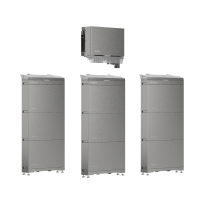
Solar panels often generate more electricity during the day than a household needs, and the surplus gets exported to the grid. In the evening, solar output drops while demand goes up, so households may end up buying electricity at higher rates. A home battery can store that excess solar energy for later, cutting reliance on grid electricity. The EcoFlow OCEAN 2 Plus Single Phase works with compatible rooftop solar systems to help households use more of their own generation. In winter, when solar output is lower, compatible battery systems can also charge on cheaper off-peak electricity for use during more expensive periods. Actual savings depend on your electricity tariff, battery efficiency and how your household uses power.
Schedule Your Free Consultation Today!
What kind of product or solution are you interested in?
Conclusion
Cutting your energy bills in the UK starts with knowing where your money goes. Check your meter readings, compare tariffs and make a few small changes to how you heat your home and use electricity, that’s how you avoid paying over the odds. After longer-term savings? Better insulation, or adding solar panels and a home battery, may be worth a look.
Take a look at your latest bill and see where you could be paying less. You can also explore EcoFlow’s home energy solutions to find out how smarter monitoring and storage could help you get more out of the electricity you use at home.
FAQs
How Long Does It Take for a Solar System to Pay for Itself?
A standard home solar PV system in the UK usually pays for itself within 7 to 11 years. That depends on where you live, which way your roof faces, and whether you use most of the electricity yourself or lean heavily on Smart Export Guarantee (SEG) payments.
What's the Current Energy Price Cap in the UK?
Ofgem updates the price cap every three months in January, April, July and October to reflect wholesale gas and electricity prices and updated network distribution allowances. Check Ofgem’s official portal or your supplier’s latest tariff information label for the current quarterly figure. It sets the maximum unit rates and standing charges suppliers can charge on standard default tariffs.
Should I Fix My Energy or Stay on the Price Cap?
Fix if you can find a competitive 12-month deal priced at or below the current price cap, and you’d rather have a set budget than gamble on wholesale prices. If market forecasts point to wholesale costs falling over the coming quarters and fixed deals come with hefty exit fees, staying on the flexible standard variable tariff is often the safer bet.
Can I Get Help with Energy Bills in the UK if My Household Income Is Low?
Yes, eligible UK households can tap into targeted government support schemes. These include the Warm Home Discount (a one-off seasonal credit paid straight onto electricity accounts), the Winter Fuel Payment for pensioners on means-tested benefits such as Pension Credit, and Cold Weather Payments triggered by sustained sub-zero temperatures. On top of that, many major suppliers run hardship funds offering non-repayable grants to customers struggling with energy debt.
Is It Worth Having a Home Battery Without Solar Panels?
Yes. A standalone home battery can pay its way if you pair it with a smart time-of-use electricity tariff. The battery charges overnight on cheaper off-peak grid electricity, then discharges that stored power during peak hours, cutting your daytime grid costs significantly, even without rooftop panels.

