
Air Source Heating 2026 Guide for Efficiency and Costs
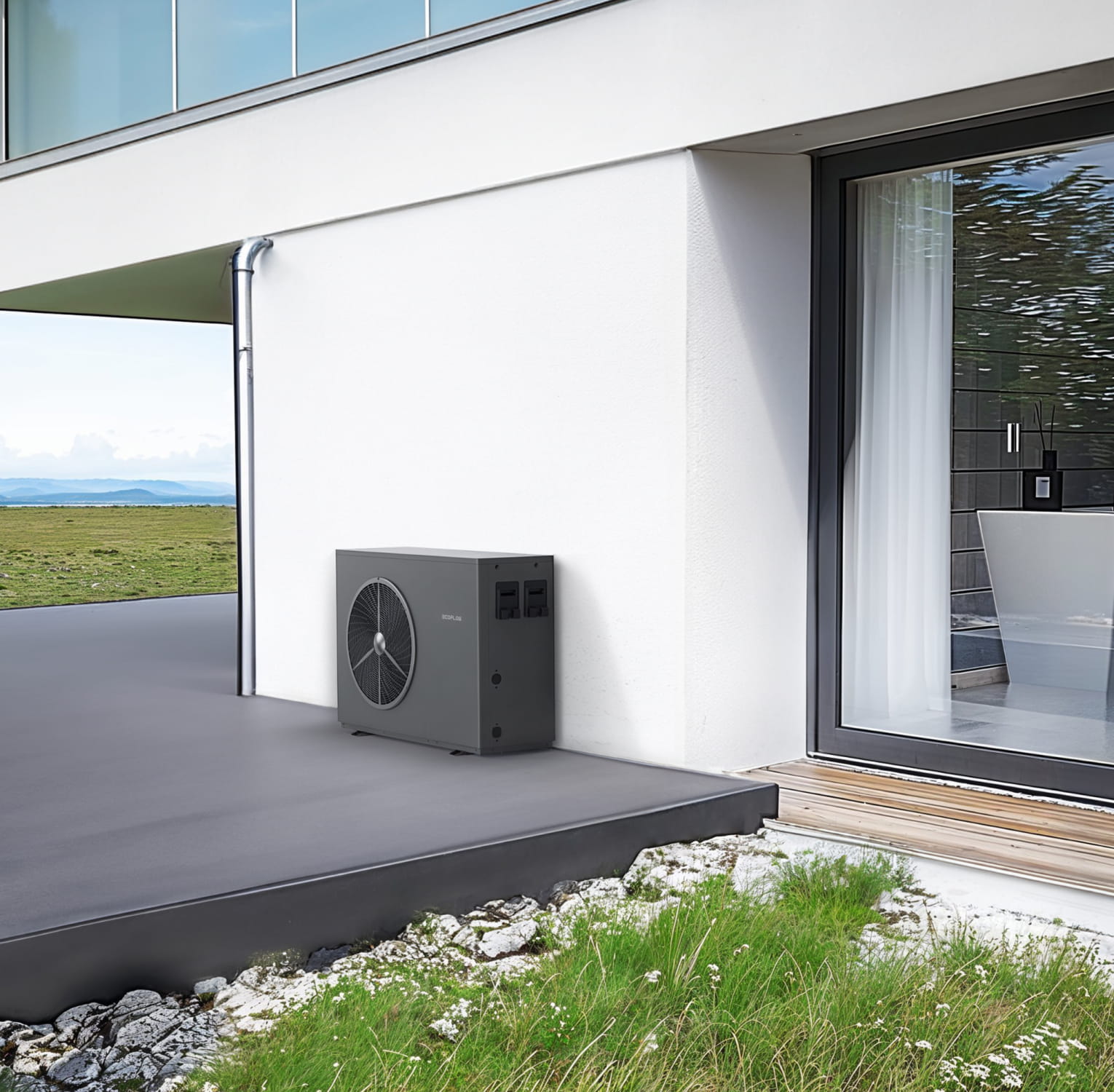
Air source heating is fast becoming the go-to solution for UK homeowners who want to cut energy bills and reduce their carbon footprint in 2026. Often referred to as an outdoor air heat pump, this technology delivers consistent warmth while significantly lowering long-term running costs. But how much better is it compared to a traditional gas or oil boiler?
What Is Air Source Heating or an Outdoor Air Heat Pump?
Air source heating works by extracting heat from the outside air to warm your home and heat up your water, even if temperatures drop to -15°C. There are two main types of air heat pump: air-to-air systems, which circulate warm air through your rooms, and air-to-water heat pump systems like the EcoFlow PowerHeat, which heat radiators, underfloor systems and your domestic hot water.
These systems are actually ideal for UK homeowners who want a low-carbon alternative to standard electric, gas, or oil heating, without compromising heating performance and reliability.
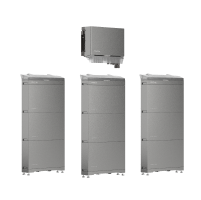
For maximum efficiency, pair your outdoor air heat pump with the EcoFlow PowerOcean home battery to store solar energy and power your heating day or night.
How Does Air Source Heating Work?
An air source heating system works by absorbing heat from the outside air using an evaporator coil. A refrigerant inside the heat pump compresses the absorbed heat to raise its temperature even more, then transfers it to your home through underfloor heating, radiators, or hot water tanks.
The efficiency of an air source system is typically measured by the Coefficient of Performance (COP). For instance, a COP of 2.5-4.5 means 1 kWh of electricity generates about 3-4 kWh of heat.
It’s also measured by another metric called Seasonal COP (SCOP), which tracks efficiency figures more accurately than COP alone. For UK winters, SCOP averages around 3.2, making air source heating systems highly efficient and a smart choice for homeowners focused on long-term savings. Understanding how heat pumps work at a technical level can also help you get the most out of your system.
How Efficient Is Air Source Heating Compared to Gas and Oil?
Air source heat pumps are renowned for their efficiency. A deeper look at heat pump efficiency explained can help you understand why they outperform traditional systems. Their COP/SCOP figures hover between 3 and 4, delivering 300-400% of efficiency, which dominates gas boilers (around 90%) or conventional electric ones (~100%).
With this efficiency, homeowners can save up to £500 in a single year compared to gas heating, depending on home size and usage pattern. But if you compare it with oil or standard electric systems, air source heating offers two primary benefits: environmental and financial.
Its smart design ensures consistent performance in cold winters with minimal carbon emissions, even rivalling ground-source heat pumps in efficiency. For homeowners looking for eco-friendly heating that does not overstretching the household budget, air source systems are difficult to beat.
Factors Affecting Air Source Heat Pump Efficiency
Though air source systems are highly efficient, there are several factors that influence how efficient it is. Understanding these can help you save energy at home and maintain an eco-friendly heating system.

Outdoor Temperature
Colder temperatures naturally reduce system efficiency. At -10°C, an air source heat pump’s COP can drop to around 2.0, in contrast with roughly 4 at a milder 7°C temperature. The reason for this is that the pump needs to work harder to extract heat from the air, which increases power consumption during the chilly UK winters. (Tip: Consider keeping a solar generator handy for any winter grid outages).
Home Insulation
Poor home insulation is one of the biggest drains on heat pump performance. Without adequate wall, loft and window insulation, the warmth your air source heating system generates escapes faster than it can be replaced. Upgrading your insulation can improve savings by up to 20%, according to Energy Saving Trust. By investing in better insulation or a solar panel system, you can complement the efficiency of your air source heating and save hundreds of pounds a year on your energy bill.
System Sizing
Incorrectly sized pumps reduce efficiency, so it’s best to aim for a balance of unit size and your heating demand. For example, oversized pumps tend to short-cycle, leading to wasted energy. On the contrary, undersized ones struggle to meet the heat demand, leading to wasted power too.
With balanced and professional sizing, you can achieve an optimal SCOP rating of around 3.2 for UK conditions, as demonstrated by the EcoFlow PowerHeat. For a typical 80m2 three-bedroom home, a correctly sized air source heat pump of around 5-8 kW should comfortably meet heating demands.
Installation Quality
Poorly installed outdoor units can impede airflow and reduce the performance of your system. To guarantee proper installation and placement, only transact with MSC-accredited installers. Plus, you get to avoid voiding your EcoFlow warranty policy.
Usage Patterns
Very high output temperatures, like setting radiators to 65°C instead of 45°C, can lower COP figures by as much as 10-15%. Fortunately, this is easy to fix: just choosing a lower heating setting can help the heat pump operate more efficiently.
Maintenance
Just like traditional HVAC systems, heat pumps get efficiency losses of up to 15% if the coils and filters are dirty. Yearly maintenance, which typically costs around £100-150, can keep your heat pump running as it should be, while also maximising its lifespan.
Schedule Your Free Consultation Today!
What kind of product or solution are you interested in?
How Much Electricity Does a Heat Pump Use?
How much electricity does a 3 bedroom house use varies, but typically around 2,000–3,000 kWh/year is needed for air source heating systems, according to Energy Saving Trust. However, keep in mind that this is a ballpark figure and actual consumption depends on home size, insulation levels, and temperature settings.
For instance, raising the thermostat just 2°C warmer adds around 15% more power usage. At a typical rate of 20p/kWh (Octopus standard rate, October 2025), this translates to about £400-600/year, which is still significantly cheaper than using traditional electric or oil heaters.
Systems like the PowerHeat are highly efficient, and are designed from the get-go to maximise heating output while keeping power costs manageable and easily trackable. With EcoFlow’s ai based energy management system and PowerInsight, you can optimize and manage your home’s heating system to get maximum savings.
Through these management systems, you can also analyze PowerHeat’s and your home’s heating data, and adjust room temperatures and hot water schedules. PowerHeat also comes with an integrated inverted so your home gets constant temperature control for efficient comfort.
2026 Air Source Heating Cost: Installation and Running
The typical air source heating cost for an air-to-water system ranges from £8,000 to £15,000 installed. With the Boiler Upgrade Scheme (BUS) grant, the upfront investment can drop to around £3,000 to £8,000, making the switch far more accessible for most households.
As for operational costs, running costs sit around £400-600/year, compared to gas, which costs around £900/year, and oil, which costs around £1,200/year. Maintenance costs also remain low, far less than maintaining traditional boilers.
For a larger property using around 8,000 kWh per year for heating, running costs at current electricity rates would sit at approximately £1,600 annually, still considerably less than the equivalent oil or LPG bill.
In the long term, air source heating systems clearly outperform traditional alternatives by combining affordability, efficiency and lower carbon emissions in one package.
Is Air Source Heating Right for You?
If you want to switch to a system that can cut your energy bills further, lower carbon emissions, and you want to enjoy efficient and dependable home heating, air source systems are your best bet.
We suggest assessing your home insulation, getting advice from an MCS-accredited installer, and how to apply for a heat pump grant to reduce your upfront costs.
FAQs
How much electricity does a heat pump use?
The average UK home uses roughly 2,000–3,000 kWh/year for air source heating. Power usage varies with home size, insulation, and thermostat settings. At 20p/kWh, this costs around £400–600 annually. But keep in mind that actual costs fluctuate.
What is the typical cost of air source heating?
Air-to-water installations cost £8,000–15,000. With the BUS grant, prices drop to £3,000–8,000. Running costs average £400–600/year, offering bigger savings compared to gas or oil systems. Considering maintenance, it can add £100-150 a year.
How does air source heating work?
A heat pump extracts warmth from outside air, compresses refrigerant to raise the temperature, and delivers it via radiators, underfloor heating, or hot water. COP is usually 2.5–4.5, giving more heat compared to the electricity used.
Is air source heating suitable for older UK homes?
Yes, in many cases. Older homes can still benefit from air source heating, especially if insulation is improved and the system is correctly sized for the property’s heat demand.
Does air source heating still work in very cold weather?
Yes. Modern air source heat pumps can continue operating in sub-zero temperatures, although efficiency may drop in colder conditions as the system works harder to extract heat from the air.

