What is Renewable Energy and How Can You Use It in Life
Understanding what renewable energy is has become increasingly important. People around the world are looking for cleaner and more reliable ways to power their homes. Rising electricity costs, climate concerns, and the need for energy independence are pushing both governments and individuals toward cleaner energy options.
Renewable energy is no longer just an idea for the future. Clean energy is being integrated into everyday life. It ranges from rooftop solar panels to small-scale wind turbine systems. The idea that only a few years ago was considered a future invention is nowadays gradually becoming a common reality.
What is renewable energy?
Renewable energy is the type of energy produced from natural resources. These are replenished continuously, such as sunlight, wind, water, biomass, and geothermal heat. These sources are naturally replenished on a human timescale, making them suitable for repeated and sustainable use when properly managed.
On a global scale, the move to renewables is mainly pushed by the need to meet strict climate targets. Australia, for example, has decided to cut emissions by 43% by the year 2030. It is also aiming for a 62-70% reduction by 2035. It shows that countries are quickly changing their energy systems to cleaner ones.
Contrast with fossil fuels (Non-renewable energy):
Fossil fuels like coal, oil, and natural gas are non-renewable energy sources. Their supply is limited. Burning them releases large amounts of carbon dioxide and other pollutants.
Burning fossil fuels releases several harmful pollutants:
Carbon dioxide (CO₂)
Carbon monoxide (CO)
Sulfur dioxide (SO₂)
Nitrogen oxides (NOx)
Particulate matter (PM2.5 and PM10)
Methane (CH₄)
VOCs
On the contrary, renewable energy produces minimal or no greenhouse gas emissions.
How does renewable energy work?
Renewable energy harnesses energy from the environment. It converts it into electricity, and then manages its storage or delivery to the point of demand. Fossil fuel power plants only generate electricity by burning fuel for heat. Renewable energy systems depend on ongoing natural phenomena such as the sun, wind, and water flow.
Renewable energy operates by extracting energy from natural sources. Then it turns it into electricity that powers homes, workplaces, and cities.
Essentially, the procedure comprises three phases.
First, natural energy is harvested from sources such as sunlight, wind, and moving water.
After that, using the appropriate technologies, the energy is transformed into electricity.
Finally, the produced power is fed directly into the grid.
Benefits of renewable energy
Wondering why we should use renewable energy? Here are a few benefits:
Lower carbon emissions
Since renewable energy is not only renewable but also clean. It hardly has any greenhouse gas emissions. It's a key element in the effort to achieve global climate targets, such as those set in the Paris Agreement.
Energy cost savings
When residential solar energy storage is included, it is possible to greatly decrease the cost of electricity. Usually, solar systems pay for themselves in the first few years, and after that, electricity is extremely cheap or even close to free.
Energy independence
Solar, wind, and hydro power create electricity locally. This helps homes and countries use less imported fossil fuel. It also reduces the impact of changing global fuel prices.
Job creation
The renewable energy sector is the main driver of jobs. It produces up to 3 times more jobs per dollar invested as compared to fossil fuel industries. It is especially in the areas of installation, maintenance, and manufacturing where jobs are created.
Improved air quality
As renewable energy does not involve burning fuel, it cuts back the release of pollutants. These include sulfur dioxide and particulate matter. These are known to cause respiratory and cardiovascular ailments.
Long-term reliability
Because renewable energy sources such as the sun, wind, and water are naturally replenished, they offer an evergreen and non-stop source of energy for the long run.
Types of renewable energy
Here are a few main renewable energy examples:
Solar energy
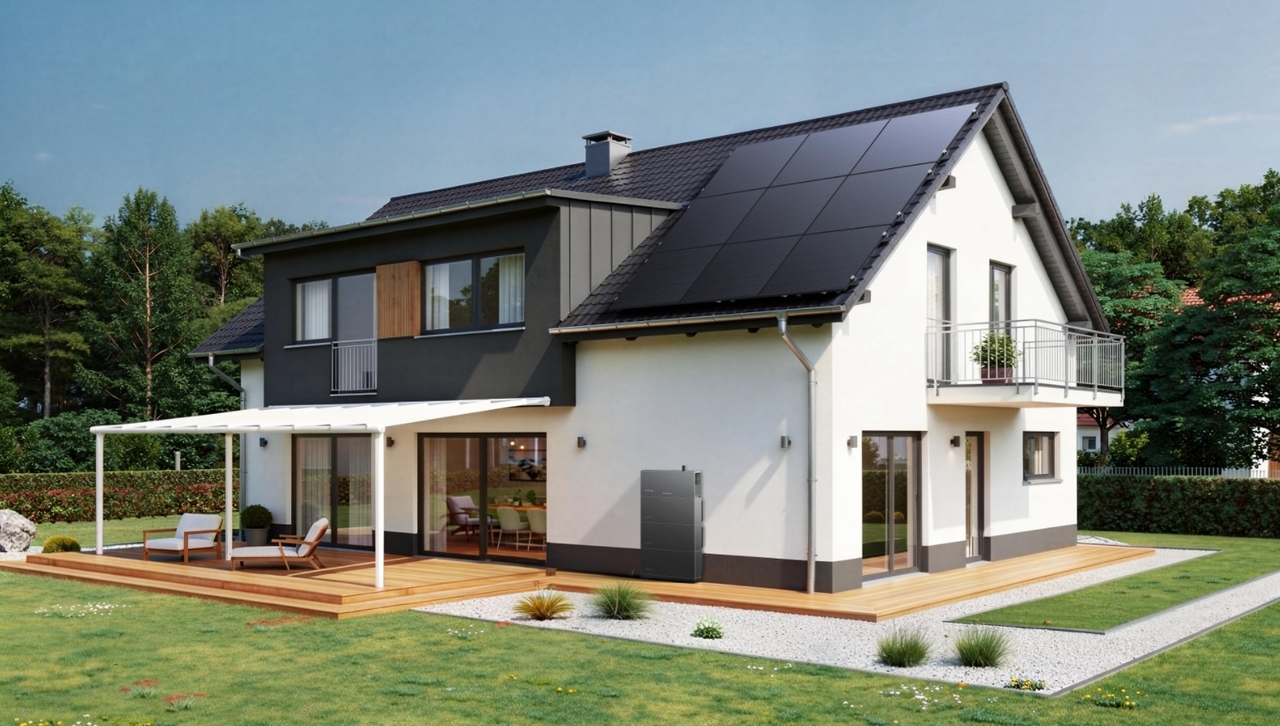
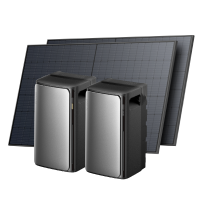
Solar energy is Earth's most plentiful energy source by far. In fact, the Earth is exposed to sunlight at a rate more than 10,000 times our total energy usage. Solar panels are also known as photovoltaic (PV) panels. They make this energy usable by converting sunlight directly into electricity. An everyday example of rooftop solar installation alongside the use of a home battery. For example, the OCEAN 2 Plus Single-phase and the PowerInsight 2 Monitor are great offerings for homeowners. It helps save leftover solar energy, monitor electricity consumption in real time, and maintain power during a blackout.
Wind energy
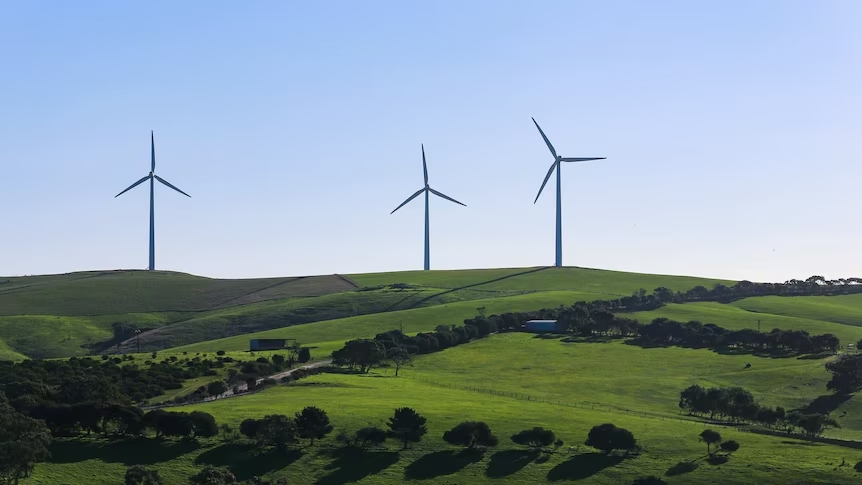
Wind power generates electricity by capturing kinetic energy in moving air by large turbines. Wondering how a wind turbine works? Rotation of blades driven by wind results in the production of electrical energy by a generator. South Australia's wind energy farms are an excellent example. These farms have achieved some of the most impressive levels of wind energy worldwide.
Hydropower
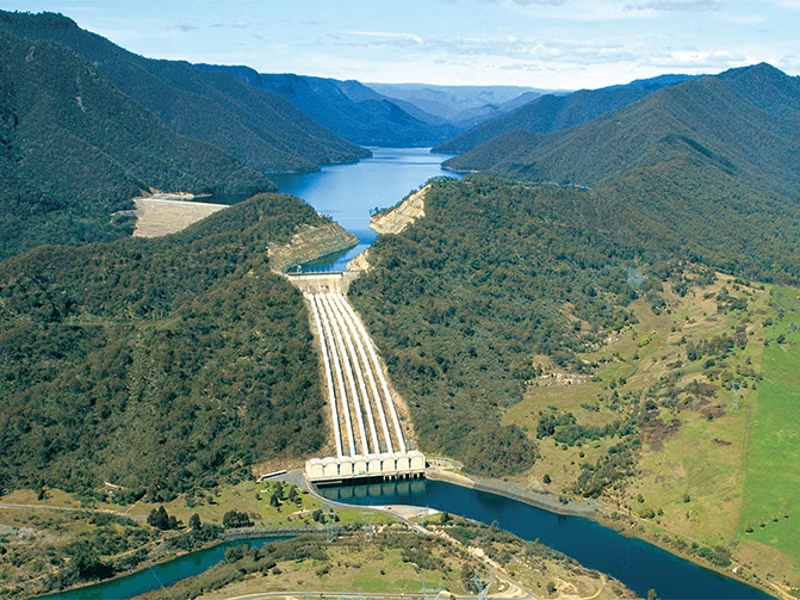
Hydropower makes electricity by harnessing the power of flowing water. At present, due to its consistency and very high capacity for production, it stands as the number one source of renewable electricity worldwide. One famous example is the Snowy Mountains Hydro Scheme, a key project in terms of renewable energy and water management in Australia.
Geothermal energy
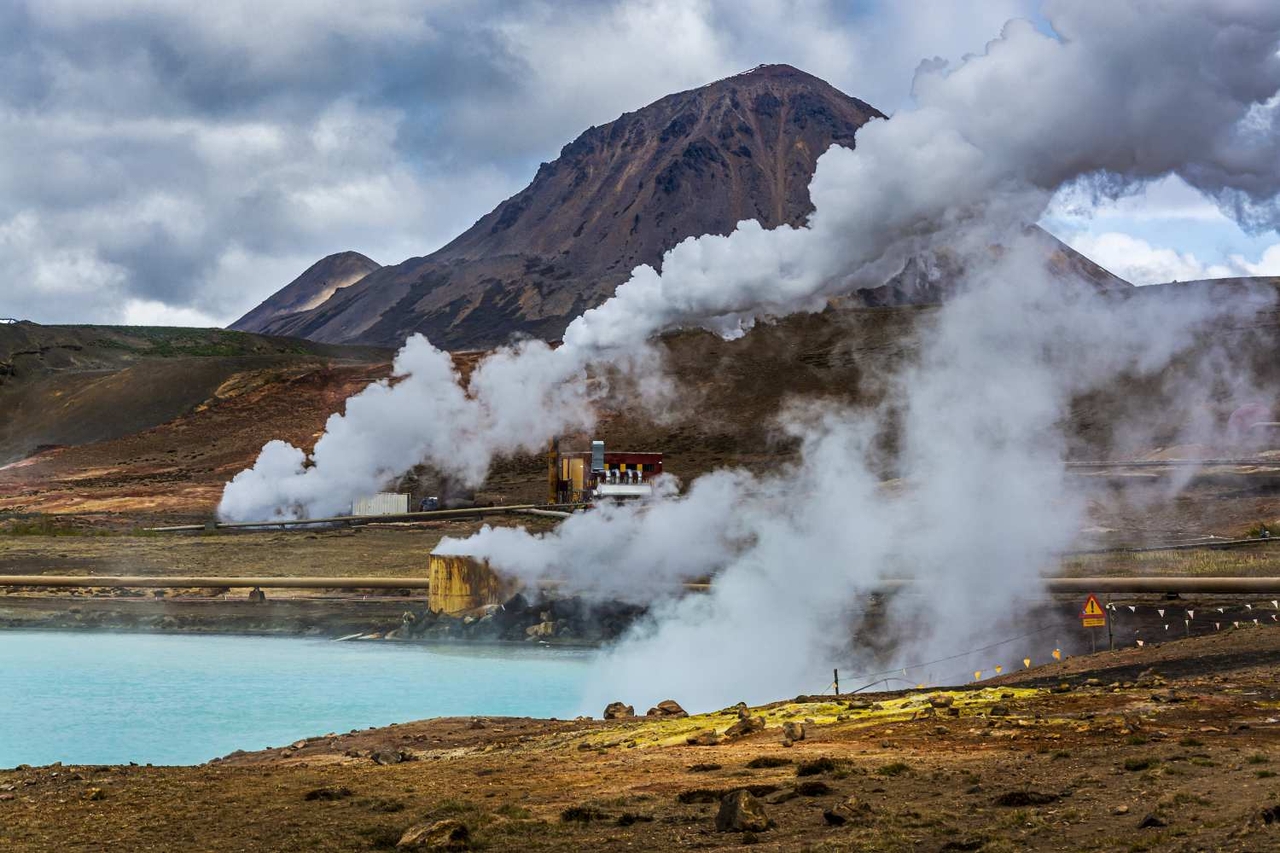
Geothermal energy harnesses the heat naturally stored in the earth's underground geothermal reservoirs. That heat is then used either to produce electricity or to heat buildings and industrial systems directly. The technique has been dependable and unchanged for over 100 years. Iceland is a prime example, as the country's geothermal energy supply meets about 65% of its primary energy requirements.
Bioenergy
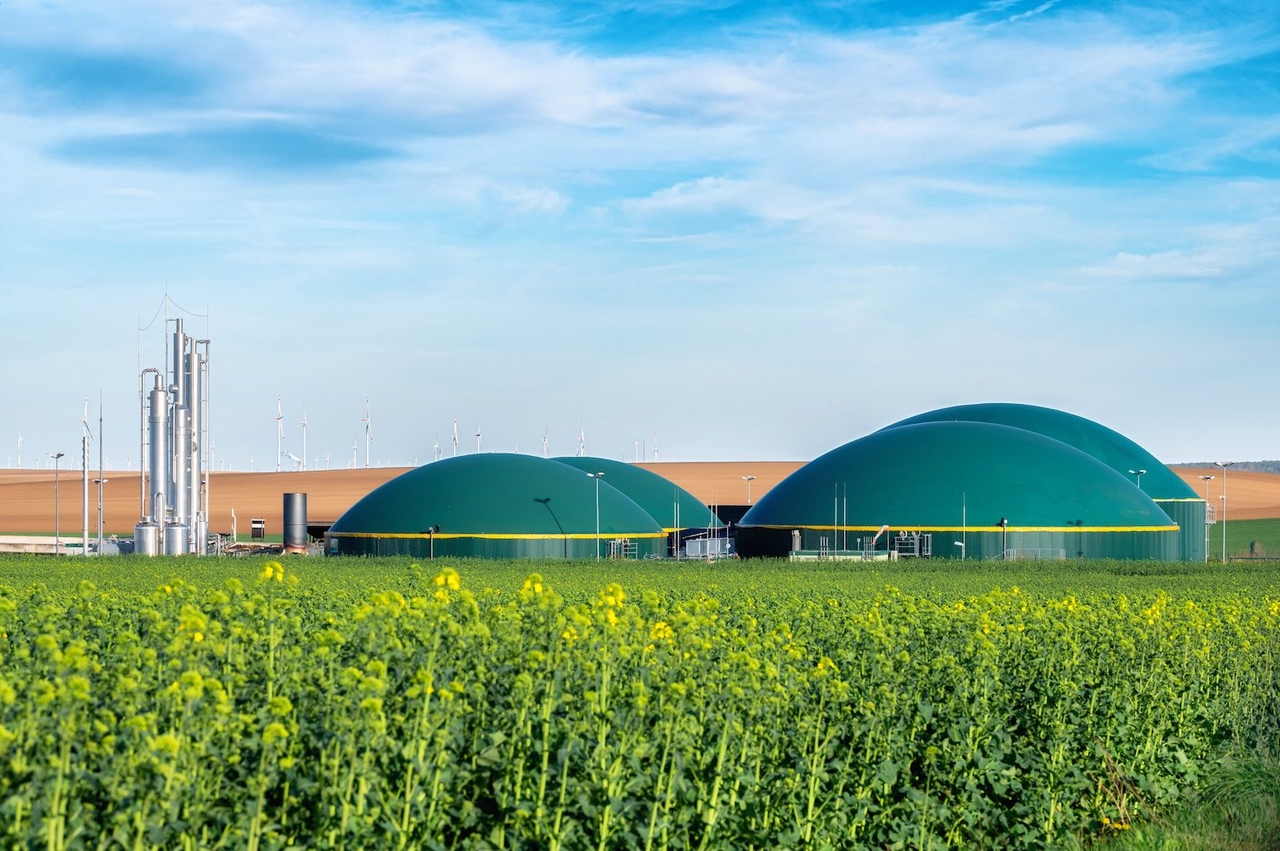
Bioenergy is derived from organic matter. This includes wood, agricultural waste, food waste, and crops grown primarily for biofuel. Even though bioenergy releases carbon when combusted. It generally produces less carbon than fossil fuels, if done sustainably. However, due to issues with land use and deforestation, bioenergy should be used on a limited basis.
Ocean/Tidal energy
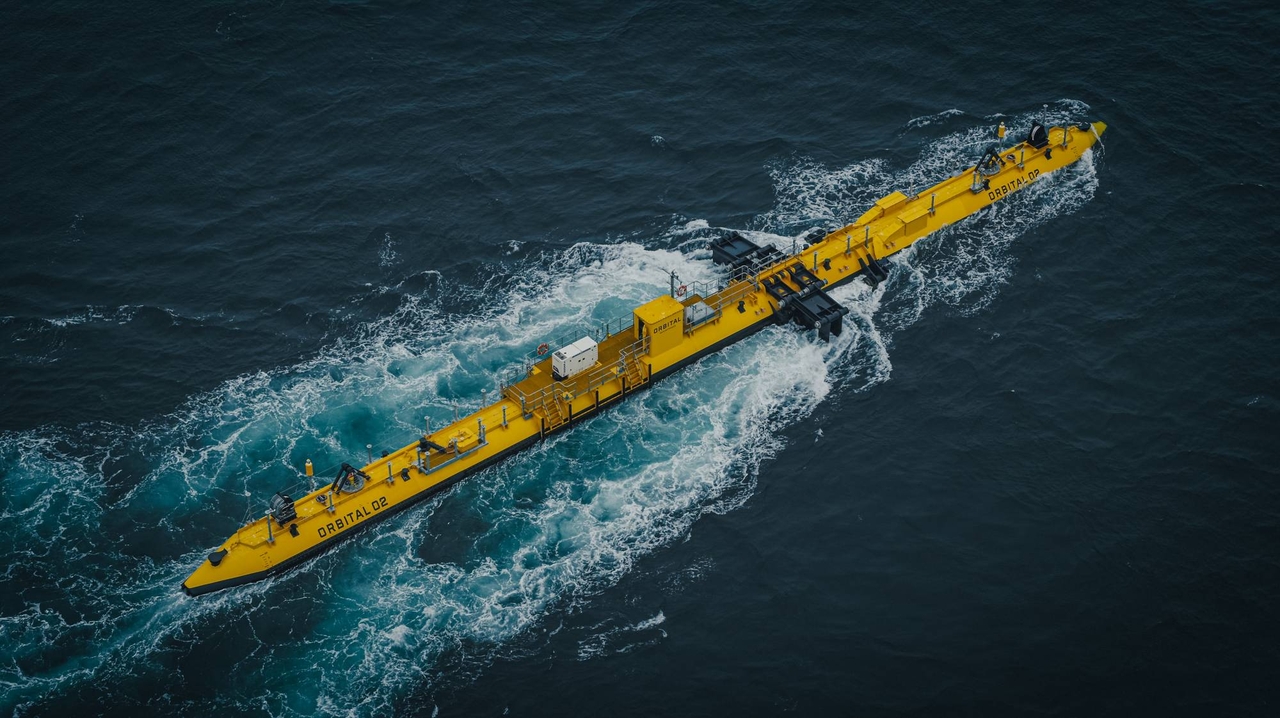
Ocean and tidal energy utilize the kinetic and thermal energy of seawater, leveraging waves, tides, and ocean currents. The technologies in these areas are still in the developmental phase, but are showing a great capacity for future expansion. Researchers believe the ocean holds huge energy potential. It could produce far more energy than the world currently uses. This makes ocean energy a promising renewable source for the future.
How to start using renewable energy at home
Assess your energy use
First, get a grasp of your home's monthly electricity usage, which is generally measured in kilowatt-hours (kWh). Reviewing utility bills or deploying smart energy meters can help identify peak usage times. It gauges the size of the renewable system you may require.
Consider rooftop solar
Housing solar panels is the most convenient and efficient method for residential owners. One of the advantages of solar power is that a good number of areas receive ample sunlight.
Add battery storage
With solar battery storage, one can store excess solar energy generated during the day and use it when it is dark or during a power failure.
Monitor and optimize
Intelligent monitoring devices such as EcoFlow HEMS enable one to keep an eye on electricity generation, storage, and usage in real time.
Explore government incentives
Australia provides various renewable energy incentives. These aim to encourage households to adopt a renewable-energy lifestyle. For example, the Small-scale Renewable Energy Scheme (SRES) and different state-level rebate and support programs. As households move to clean energy, integrated home energy systems are becoming important.
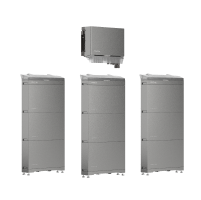
Smart integrated solutions, such as the OCEAN 2 Plus Single-phase, enable homeowners to construct a renewable energy ecosystem at home that is both intelligent and efficient. It is an all-in-one LFP home battery system designed for intelligent, scalable clean energy storage.

To make the most of this smart storage system, PowerInsight 2 Monitor serves as its intuitive command center. It displays real-time solar production, consumption, and battery flow.
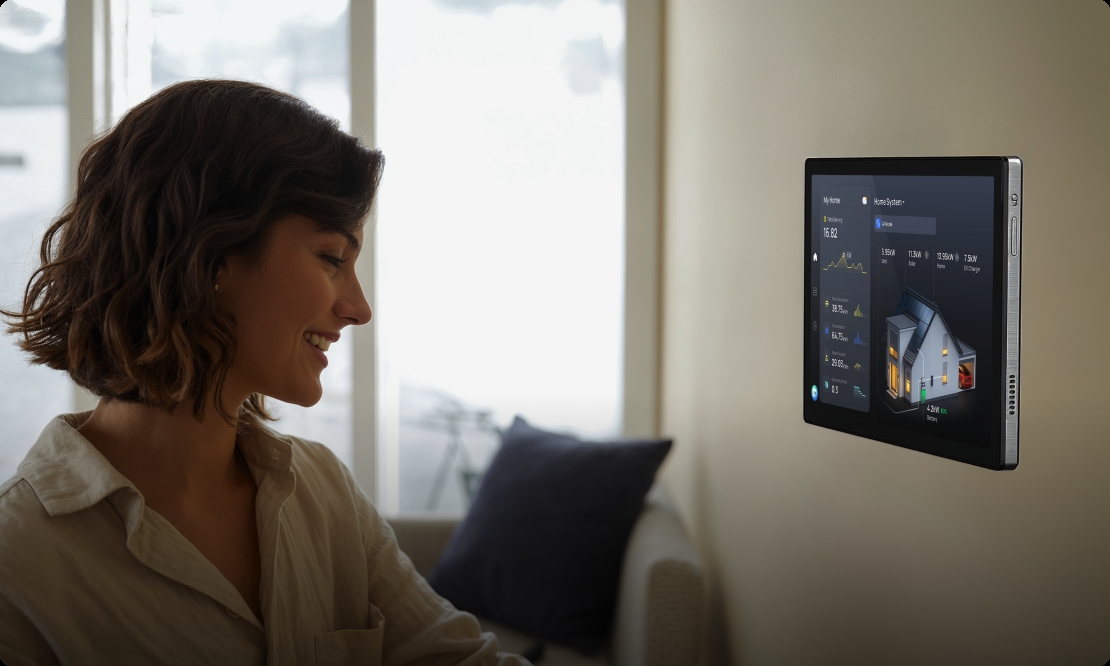
With modern technology, households now have more options to generate, store, and manage renewable energy at home. Exploring solar, battery storage, and energy monitoring solutions can help support a more sustainable lifestyle.
Schedule Your Free Consultation Today!
What kind of product or solution are you interested in?

Challenges of renewable energy and how technology solves them
Intermittency (sun and wind are not always available)
Battery storage systems solve this problem. They store extra energy when production is high. They release it when production is low. EcoFlow OCEAN 2 Plus Single-phase offers reliable whole-home backup. They help keep power running without interruption.
Grid instability and supply-demand mismatch
Smart energy management systems make the energy flow-balancing process easier and faster. PowerInsight 2 Monitor, for example, is a device that allows users to clearly see their energy production and consumption to better control the situation.
Return on investment on installation is prolonged
Newly developed, highly efficient technologies have been continuously lowering costs, along with market expansion and continued policy support from governments.
Space and installation constraints
The compact and modular design of contemporary renewable energy systems make themselves easily installable.
Lack of real-time monitoring and control
Live data on energy production, storage, and consumption are at users' disposal. So that they can pinpoint inefficiencies and limit their losses.
Conclusion
Knowing what is renewable energy will open new ways of progress. Renewable energy isn't only a future concept anymore. In fact, many homes are already benefiting from it, with cleaner, more efficient systems. Thus, helping people to raise a more sustainable lifestyle. Moreover, one should keep in mind that clean energy isn't necessarily renewable energy. To illustrate, nuclear energy is clean, yet it's not classified as a renewable source. With modern technology, people can now produce, store, and manage electricity at home more easily than before. Check out EcoFlow OCEAN 2 Plus Single-phase and PowerInsight 2 Monitor. Explore how smart home energy storage and monitoring can simplify your shift toward renewable energy.
FAQs
What is renewable energy?
Renewable energy is the energy obtained from natural resources. These include sunlight, wind, water, and the earth's heat without being exhausted through use.
What energy cannot be replaced?
Non-renewable energy sources, such as coal, oil, and natural gas, are not considered replenished within a human lifetime. They require several million years to form and are available only in limited quantities.
How does battery storage help reduce electricity bills?
By using battery storage, consumers can store leftover solar energy during the day and use it later at night. This lessens their dependence on the grid electricity. As it tends to be more expensive, resulting in lower total electricity bills.
Is nuclear energy renewable energy?
No, nuclear energy is not considered a renewable resource. It indeed results in low carbon emissions. The production process requires uranium, which is limited and not renewed naturally.
Is China leading in renewable energy?
Indeed, China is a leader in the field of renewable energy worldwide. It has made significant investments in large-scale solar, wind, and hydro projects. It is also responsible for a major portion of global growth in renewable energy capacity.