How Does a Virtual Power Plant Work?
A VPP is a software- and communications-based system that aggregates distributed home energy resources, including solar panels, batteries, smart EV chargers and other controllable devices, and coordinates them as a single virtual resource. Depending on the program, the operator can use software to charge or discharge participating batteries and adjust flexible loads in response to grid conditions, market signals or other requirements. Participants may receive bill credits, incentives or other financial benefits depending on the VPP program. This guide explains how a VPP works, which devices can participate, and how joining one may affect your energy bills, battery use and reliance on the grid.
Key Takeaways
• Connected energy devices: A VPP links distributed energy resources such as solar systems, batteries, smart inverters and controllable loads through communications technology and an ongoing internet connection.
• Software-based coordination: VPP software can use information such as energy prices, grid conditions and forecasts to coordinate participating devices. Some services can respond quickly to grid events, depending on the VPP and market service involved.
• Potential financial benefits: Participants may receive bill credits, incentives, higher export rates or other benefits, depending on the VPP provider and contract.
• Backup depends on the program: Some VPP programs maintain a minimum battery reserve for the home, while others may offer different arrangements. Check the reserve and backup terms before joining.

What Is a Virtual Power Plant and How Does It Work?
Traditional power generation often relies on large, centralised generation facilities that supply electricity through the grid. A VPP takes a more distributed approach by aggregating consumer-owned resources such as rooftop solar systems, home batteries and controllable loads and coordinating them through software and communications technology. In Australia, VPPs have typically focused on coordinating rooftop PV and battery storage, although other distributed energy resources can also participate.
Connect Distributed Energy Resources
VPPs are built around distributed energy resources (DERs), including rooftop solar, home batteries, EV charging equipment and other controllable household devices. These resources connect to a VPP platform through supported communications technologies, which may include an internet connection such as Wi-Fi or another supported connection method. Once enrolled, compatible devices can be monitored and coordinated by the VPP operator according to the program’s requirements. A Home Energy Ecosystem brings compatible household energy devices together before provider-specific VPP requirements are considered.
Collect Real-Time Energy Data
Smart meters, inverters and battery management systems can provide data on generation, consumption and battery status to support VPP operation. Depending on the program, the VPP platform may monitor:
• Solar output and household load patterns.
• Battery state of charge (SoC) across participating properties.
• Grid conditions, frequency and wholesale National Electricity Market (NEM) price signals where relevant.
This data helps the operator assess available flexibility across the participating fleet and coordinate devices according to the program's requirements. Understanding your smart meter data can also help you follow household imports and exports.
Coordinate Energy Use Through Software
VPP software coordinates participating devices in response to market signals, grid conditions and program requirements. For example, when electricity demand or wholesale prices increase, the platform may instruct participating batteries to discharge stored energy. When surplus renewable generation is available or prices are lower, batteries may instead be charged, subject to the program’s operating rules and the homeowner’s settings. These automated controls can help provide flexibility to the electricity system without requiring homeowners to manually manage every dispatch event.
Which Energy Devices Can Join a Virtual Power Plant?
The devices that can participate in a VPP depend on the program, operator and compatible hardware. Home batteries remain a major VPP resource in Australia, while some programs can also coordinate rooftop solar, EV charging and other flexible household loads.
| Device Category | Role in a VPP | Typical Grid Response |
|---|---|---|
| Home Battery Systems | Flexible storage resource | Discharges during selected grid or market events and can charge when conditions are favourable |
| Rooftop Solar Arrays | Distributed generation source | Supplies household loads and may export surplus electricity |
| Smart EV Chargers | Flexible load | Can adjust charging times in response to grid or price signals |
| Smart Heat Pumps & AC | Flexible load | Can shift some electricity use away from periods of high demand |
Solar Panels and Home Batteries
Residential battery storage is a key flexible resource in many Australian VPPs. During sunny mornings, the battery captures excess rooftop generation that would otherwise earn standard feed-in rates. When evening peak demand arrives and the wider network comes under strain, the system discharges stored energy to the home and the grid.
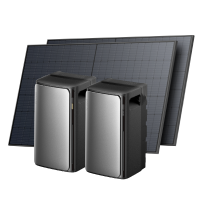
Home battery systems such as the EcoFlow OCEAN 2 Plus Single Phase can store surplus solar energy for later household use. Whether a battery can participate in a VPP depends on the specific VPP program, as well as battery and inverter compatibility, communications requirements and provider support.
Electric Vehicles and EV Chargers
EVs can provide a substantial source of flexible electricity demand, particularly when smart charging is used to shift charging away from periods of high demand. Smart EV chargers can adjust charging schedules in response to electricity prices, grid conditions or other program signals.
Vehicle-to-grid (V2G) technology can also allow compatible EVs to export electricity to the grid. Australia is continuing to expand V2G projects, but availability remains limited and not all EVs or charging systems support bidirectional operation.
Smart Appliances and Flexible Loads
Some household loads can be shifted without significantly affecting everyday routines. Smart heat-pump hot water systems, pool pumps and connected air conditioners can adjust their operating times in response to demand-response signals. For example, a system may heat water or pre-cool a home before a period of high demand, reducing electricity use during more constrained periods. AEMO identifies batteries, air conditioners, pool pumps, hot-water systems and EV supply equipment among the devices that can support demand response.
What Are the Benefits for Households?
Enrolling in a VPP can turn a home battery and other distributed energy resources into more flexible energy assets. Depending on the program, households may benefit through lower grid consumption, additional incentives, improved use of solar generation or backup arrangements.
Reduce Energy Costs
Using stored energy during periods when electricity prices are higher can reduce the amount of electricity a household needs to purchase from the grid. By combining solar self-consumption with automated battery management, households may reduce their exposure to higher time-of-use rates, although the actual savings depend on the electricity plan, battery system and VPP arrangement.
Increase Solar Self-Consumption
Australian distribution networks may apply fixed or flexible export limits to manage network conditions and the amount of solar generation that can be exported. While these limits vary by network and connection arrangement, a home battery can store some excess midday generation instead of exporting it immediately. A VPP may then coordinate the use or export of that stored energy at a later time, depending on the program’s operating rules. This makes solar battery storage useful for retaining generation that cannot be exported immediately.
Earn Payments for Flexibility
Energy retailers and aggregators may compensate participants for making battery capacity available to the VPP. Depending on the provider and contract, incentives can include:
• Upfront discounts or incentives for compatible battery installations.
• Bill credits or ongoing payments.
• Higher export rates or event-based payments for electricity supplied through the VPP.
The amount and payment structure vary significantly between programs, so homeowners should compare the VPP payment terms with the underlying electricity tariff before joining.
Keep Backup Power During Outages
Some VPP programs maintain a minimum battery reserve for household use, but the amount varies between providers and battery systems. Before joining, check whether the agreement specifies a backup reserve and how much battery capacity the VPP can access.
During a grid outage, a battery system with compatible backup and islanding functionality may continue supplying selected household circuits after safely disconnecting from the grid. Backup performance depends on the battery system, installation configuration and the circuits connected to the backup supply.
What Do You Need to Participate in a Virtual Power Plant?
Getting your home ready for VPP participation involves having compatible hardware, a suitable electricity or VPP provider, and the communications capability required by the program. Before signing up, review the equipment requirements, operating conditions and contract terms. Comparing solar battery cost alongside provider terms can also help you assess the overall investment.
Connected Energy Devices
Your home will generally need a compatible battery system and inverter or other approved energy device that can communicate with the VPP operator. Specific hardware, firmware and communications requirements vary between VPP programs and equipment manufacturers. Some systems may use recognised communications standards or manufacturer-specific interfaces to support remote control and monitoring. An ongoing internet connection is also typically required for VPP participation.
Smart Energy Monitoring and Control
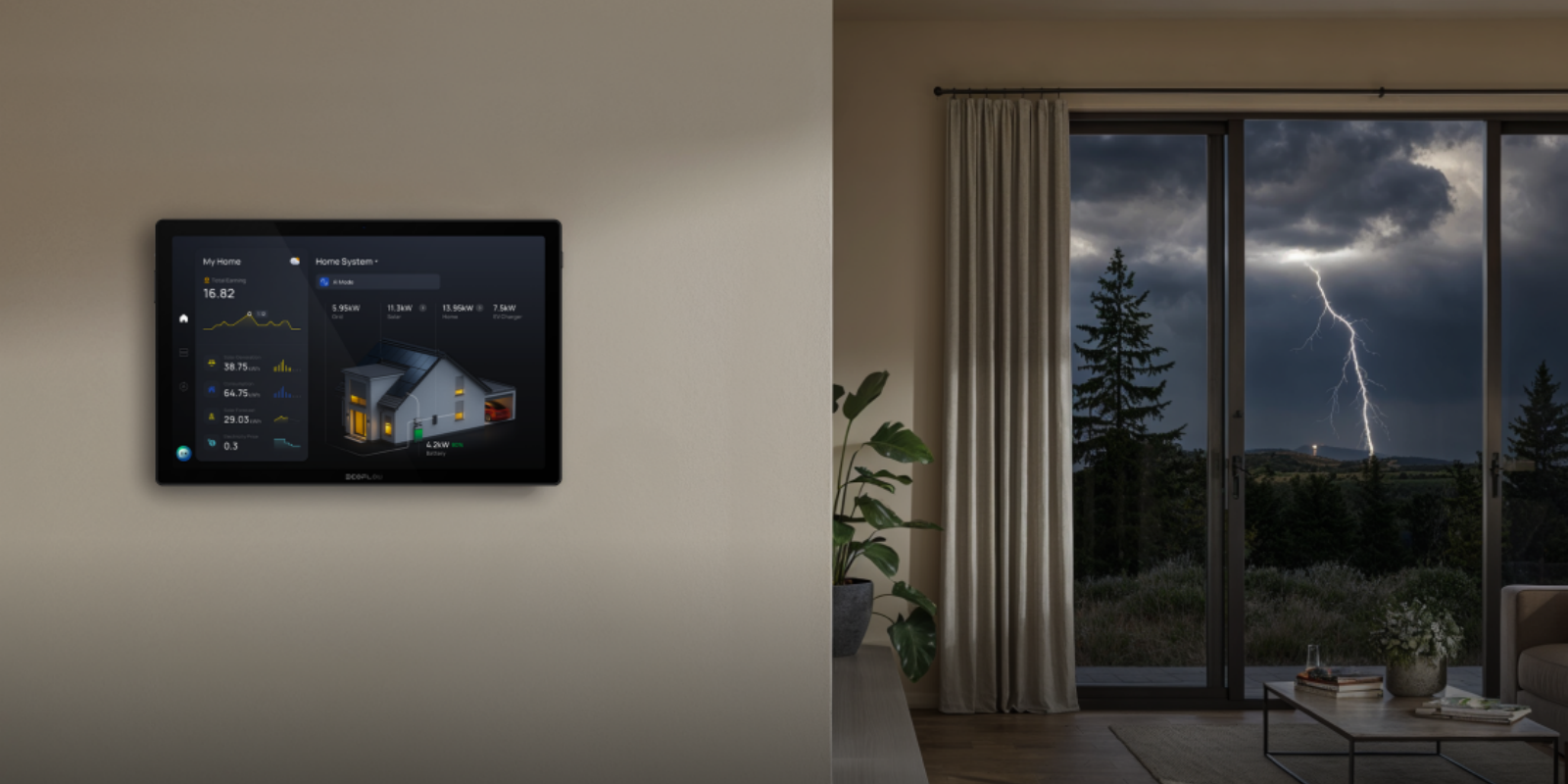
Clear visibility into energy flows can help you understand how your system operates during different charging, discharging and grid events. Depending on the system, energy monitoring hardware can provide information about solar generation, battery charge and discharge, and household energy consumption.
A dedicated energy management console like the EcoFlow PowerInsight 2 serves as a practical command hub here. By consolidating live metrics across solar inputs, battery capacity, and circuit loads onto an integrated dashboard, it lets you see whether your home is drawing from solar, resting on battery reserves, or responding to external network demands.
A Compatible VPP or Energy Management Platform
Compatible hardware alone does not automatically enrol a home in a VPP. You generally need to choose a VPP operator, retailer or aggregator that supports your equipment and offers a suitable VPP arrangement. Programs can have different rules regarding:
• Daily supply charges and electricity rates.
• Event-based payments, bill credits or other incentives.
• Compatible battery and inverter models.
• Battery reserve requirements and access conditions.
Check VPP Requirements and Trade-Offs
VPP contracts can include operating conditions that affect how your battery is used throughout the year. Review the agreement details carefully:
• Reserve capacity: Check how much battery capacity the program can access and whether a minimum reserve is maintained for household use. Reserve levels vary between VPP programs.
• Dispatch frequency: Check how often the operator can access or dispatch your battery and whether there is an annual or contractual limit. Some programs set specific limits, while others use different operating arrangements.
• Contract lock-in: Check the contract length, cancellation conditions and any fees that may apply if you leave the program or move house.
Schedule Your Free Consultation Today!
What kind of product or solution are you interested in?


Conclusion
Virtual Power Plants connect individual energy resources with the wider electricity system through software and communications technology. By coordinating rooftop solar, batteries and other flexible household devices, VPPs can provide additional flexibility to the grid and create potential financial benefits for participating households.
For Australian homeowners, joining a VPP can help make a home battery more flexible by allowing it to respond to selected market or grid events. However, the financial benefits, battery access, backup reserve and contract conditions vary between programs, so it is important to compare the VPP terms before enrolling.
Disclaimer: The information in this article is provided for general informational purposes only and does not constitute financial, energy, legal or technical advice. VPP eligibility, program terms, incentives, electricity rates, export limits, battery operating conditions and backup arrangements can vary by provider, network, location and time. Always check the latest information from your electricity retailer, VPP provider, network operator and relevant Australian authorities before making decisions about VPP participation or installing or modifying an energy system.
FAQs
How much does a VPP cost?
Joining a VPP may have no separate upfront participation fee if you already have compatible equipment, although you may need to change electricity retailers or meet other program requirements. If you do not yet have a battery, some retailer or government programs may offer incentives that reduce the upfront cost of installing compatible storage. Eligibility and incentive amounts vary by state, provider and program.
What Is the Difference Between a VPP and a Power Plant?
A traditional power plant generates electricity from a centralised physical facility, while a VPP aggregates distributed energy resources such as rooftop solar systems, batteries and controllable loads and coordinates them through software and communications technology. A VPP typically does not rely on a single generation site; instead, it coordinates multiple consumer-owned resources to provide energy or grid services.
Does VPP reduce battery life?
VPP participation can increase battery cycling, which may contribute to additional battery degradation over time. The actual impact depends on how often and how deeply the battery is dispatched, as well as the battery technology and manufacturer warranty conditions. Some VPP programs limit battery access or annual dispatches, while others use different operating arrangements. Before joining, check whether VPP participation is covered by your battery warranty and how the program’s operating conditions affect expected battery performance.
Can Solar Batteries Join a VPP?
Yes, grid-connected solar batteries are a major resource used in Australian VPPs. However, eligibility depends on the VPP operator, battery and inverter compatibility, site requirements and communications capability. Your provider will normally confirm whether your equipment is eligible before enrolment.
Do VPPs Work During Power Cuts?
VPP dispatch generally cannot continue in the normal way when the local grid is unavailable, but a compatible battery system may continue powering selected household circuits if it has backup and islanding functionality. During an outage, the system must safely disconnect from the grid before supplying the supported backup circuits. Whether your home remains powered depends on the battery system, installation configuration and which circuits are connected to backup power.