Utility Relief Grant Scheme (URGS) Victoria: Eligibility, Payment Amounts and How to Apply
Falling behind on an electricity, gas or water bill can happen after a job loss, illness, unexpected repair or sharp increase in household costs. For eligible Victorian households, the Utility Relief Grant Scheme (URGS) can help reduce overdue utility debt and prevent a temporary setback from becoming a longer-term financial problem.
The scheme does not provide cash directly to applicants. Instead, approved funding is credited to the outstanding utility account. This guide explains what URGS covers, who may qualify, how much assistance is available, what documents you need and how to apply through your retailer. It also outlines practical steps for managing household energy costs after the immediate debt has been addressed.
Key Takeaways
Direct Debt Relief: URGS provides up to $650 per utility (electricity, gas, and water) within a two-year rolling period.
Single Energy Source Bonus: Homes relying strictly on electricity (no mains gas) can claim up to $1,300 over two years.
Retailer-Initiated for Mains Utilities: For electricity, mains gas, and water, applications must be initiated by contacting your utility retailer. (For non-mains fuel like bottled LPG, firewood, or septic servicing under NURGS, you apply directly to DFFH via a paper or downloadable form).
Broad Eligibility: You don’t strictly need a concession card; low-income earners facing temporary hardship, sudden income loss, or high housing stress may also qualify.
Protection from Disconnection: Once your retailer flags that you are actively applying for URGS, your service cannot be disconnected while the application is being processed.
What Is the Utility Relief Grant Scheme in Victoria?
Before applying, it helps to understand what URGS is designed to cover and how the application is handled. The scheme is intended for households facing temporary financial hardship, rather than as a general discount on regular utility bills.
The Utility Relief Grant Scheme is a Victorian Government program that helps eligible households reduce overdue electricity, gas or water accounts. Approved funds are paid directly to the relevant retailer or utility provider, so the grant lowers the outstanding balance instead of being deposited into the applicant’s bank account.
Bills Covered by the Utility Relief Grant
Assistance isn’t limited to standard power bills. The scheme covers:
Mains Electricity: Outstanding residential power accounts.
Mains Gas: Overdue residential natural gas charges.
Mains Water: Residential drinking water and sewerage usage arrears.
Non-Mains Energy (NURGS): For rural and regional properties off the grid or without reticulated supplies, assistance can cover bottled LPG, bulk heating oil, firewood, generator fuel (diesel/petrol), and even septic tank pump-outs.
When reviewing electricity bills, households may also come across a controlled load, a tariff that applies to specific appliances, such as electric hot water systems, connected to a separate circuit. Checking with the electricity retailer can help clarify whether this tariff applies to the household and how the associated charges appear on the bill.
Which Organisations Administer the Scheme
The grant is funded and overseen by the Victorian Department of Families, Fairness and Housing (DFFH). However, everyday administration is a shared effort between the DFFH Concessions team and licensed energy and water retailers (such as Origin, AGL, EnergyAustralia, Yarra Valley Water, and South East Water). Retailers start the application process, verify account status, and pause debt collection, while DFFH assesses the documentation and approves the funds.
Who Is Eligible for the Utility Relief Grant?
Eligibility is based on more than simply having an overdue bill. Applicants generally need to meet the relevant income or concession requirements, show that they are experiencing financial hardship and confirm that the account relates to their main residence.
Eligible Concession Cards and Low-Income Households
Having a concession card is the quickest way to establish your income tier, but not having one won’t automatically lock you out. You qualify under the income test if you hold one of the following:
Services Australia Health Care Card
Pensioner Concession Card
DVA Gold Card (or specific DVA cards with war widow/TPI entitlements)
What if you don’t hold a concession card? Low-income working households can still qualify. Your income simply needs to sit below the Department’s income thresholds (which align with standard Centrelink benefit rates based on household size and dependent children).
Qualifying Financial Hardship Circumstances
Holding a concession card alone isn’t enough; you must also demonstrate that your household has experienced a genuine financial shock within the last 12 months. Qualifying circumstances include:
Significant Loss of Income: Redundancy, reduced work shifts, business downturn, or unexpected illness.
High Shelter Costs: Rent or mortgage repayments consuming 30% or more of your gross household income.
Unforeseen Out-of-Pocket Expenses: Substantial medical bills, urgent home repairs, funeral costs, or essential vehicle maintenance.
Family Violence: Experiencing family or domestic violence (which has its own streamlined hardship pathways).
Account Holder and Household Requirements
The grant is meant for your primary home. Holiday houses, commercial properties, or vacant investment lots are strictly excluded. You must be the named account holder (or an officially authorized representative), have an outstanding overdue balance, and show that you do not hold cash savings capable of settling the bill.
How Much Can You Receive From the Utility Relief Grant?
The amount of assistance depends on the type of utility, the outstanding balance and the maximum amount allowed under the relevant program rules. A grant may reduce an overdue bill in full or cover only part of the amount owed.
| Utility Type | Standard Max. Grant (2-Year Cycle) | Specific Conditions |
|---|---|---|
| Electricity (Mains) | Up to $650 | Applied directly to electricity arrears. |
| Natural Gas (Mains) | Up to $650 | Applied directly to gas arrears. |
| Residential Water | Up to $650 | Applied via metropolitan or regional water corporations. |
| All-Electric Home (No Gas) | Up to $1,300 | Applies where electricity is the sole household energy source. |
| Non-Mains Fuel (NURGS) | Up to $650 | Covers bottled LPG, firewood, or septic servicing. |
Maximum Grant Amounts for Each Utility
Eligible households can receive up to $650 per utility type within a continuous two-year period. If your overdue balance on your gas bill is $420, the grant will clear the $420. If your power bill is $900, the grant pays the maximum $650 cap, leaving you to manage the remaining $250 with your retailer.
Higher Limits for Households With a Single Energy Source
Modern Australian households are increasingly going all-electric, leaving behind fossil gas. If your home has no mains gas connection and relies entirely on electricity for heating, cooking, and hot water, you can claim up to $1,300 across two years for your electricity account. This doubles the standard limit to ensure all-electric properties receive equitable support. For households exploring ways to manage future electricity bills, understanding the solar battery cost can help them assess whether adding home storage fits their budget.

How to Apply for the Utility Relief Grant
For mains electricity, gas, and water, the application process must begin with your utility retailer rather than directly with the Victorian Government. For non-mains energy (NURGS), you apply directly through the Victorian Department of Families, Fairness and Housing (DFFH).
Contact Your Utility Retailer
Ring the customer service number listed on your bill and ask directly for the hardship team or mention that you would like to apply for the Utility Relief Grant Scheme (URGS). The retailer must run through basic screening questions with you and submit an electronic request via the government portal to start the application.
Prepare the Required Documents
Gathering your paperwork ahead of time speeds up assessment significantly:
Your most recent utility bill showing your account details and balance.
Proof of income (e.g., your latest Centrelink Income Statement, recent pay slips, or a tax return if self-employed).
Evidence of housing costs (tenancy agreement, rent receipts, or bank statements showing mortgage repayments).
Invoices or receipts supporting any sudden financial shocks (like medical bills or car repair statements).
Complete the Application Form
Once your retailer logs your details, you will receive an application link via email or SMS (or a paper form by post if requested). Complete the questionnaire, upload your supporting evidence, and submit it. Make sure all names and addresses match your utility statement exactly to avoid processing delays.
Application Processing Times
Assessments carried out by DFFH typically take three to six weeks. As long as your retailer has officially recorded that your application is in progress, your account will remain protected from late payment fees and disconnection.
Grant Payment After Approval
When your grant is approved, you will receive a confirmation letter or email. The funds are never paid into your personal bank account; instead, DFFH transfers the approved grant amount straight onto your utility account ledger, reducing or clearing your outstanding balance automatically.

How Can Victorian Households Manage Utility Bills Beyond Government Grants?
URGS can help clear existing arrears, but it’s not a long-term fix for managing your bills. Once the immediate pressure’s off, review your payment arrangements, your energy use, and any other support you can access. For eligible homeowners considering solar battery storage, it’s also worth comparing the upfront costs with potential long-term savings. That’s what helps prevent the same problem from coming back.
Arrange a Payment Plan With Your Utility Retailer
Under Victoria’s Payment Difficulty Framework, all licensed energy retailers have to offer payment assistance. That’s enforced by the Essential Services Commission through the Energy Retail Code of Practice. You can negotiate smoothed fortnightly or monthly payment plans that spread out the winter or summer spikes across the year. Retailers can also review your plan to check you’re on their lowest available market offer.
Reduce Energy Use Through Everyday Habits
Simple daily habits go a long way to keeping future bills in check. Set your reverse-cycle air con to around 20°C in winter and 25°C in summer. Wash clothes in cold water where you can. Seal gaps around older doors and windows to stop heat leaking out or cold air creeping in. Monitoring your electricity use helps too, because it shows you the hidden drains. A smart monitor like the EcoFlow PowerInsight 2 gives you a real-time view of compatible systems, so you can see which appliances or time periods are driving demand. It makes energy flows easier to understand, so you can make targeted adjustments instead of guessing. Efficiency without sacrificing comfort.
Explore Long-Term Household Energy Management
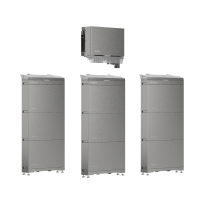
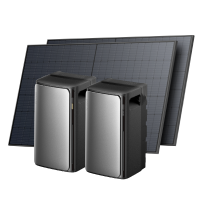
Government grants give you short-term relief when money’s tight. But bringing down your long-term energy costs means looking at your household load, your rooftop solar, and your storage options. For Victorian homeowners wanting to pair solar with reliable storage, the EcoFlow OCEAN 2 Plus Single Phase is a residential system worth considering. Whether it suits your place depends on your roof space, how you use power, and the upfront cost. But pairing local solar with smart battery storage helps you use more of your own green power and shields your budget from rising peak grid tariffs.
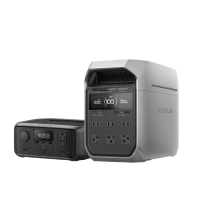
For households looking to take a more coordinated approach to managing energy use, an integrated home energy ecosystem can help bring compatible energy solutions together. The right setup depends on household consumption patterns, existing equipment and budget.
Seek Financial Counselling for Utility Debt
If unpaid bills are stacking up alongside credit cards, car loans, or other debts, professional help is free and confidential. Call the National Debt Helpline on 1800 007 007 to speak with an independent financial counsellor. They can negotiate with creditors on your behalf, explain your rights, and help you set up a household budget that actually works.
Schedule Your Free Consultation Today!
What kind of product or solution are you interested in?
Conclusion
The Victorian Utility Relief Grant Scheme can help eligible households reduce overdue electricity, gas or water debt after an unexpected financial setback. The amount available depends on the utility, the outstanding balance and the applicant’s circumstances, so the first step is to contact the relevant retailer and request a hardship assessment.
Do not wait until a disconnection date is close. Ask about URGS, payment arrangements and other available support at the same time. Once the immediate arrears are under control, reviewing household energy use, tariffs and longer-term options such as solar or battery storage may help reduce future bill pressure.
FAQs
Can I Apply for the Utility Relief Grant Online in Victoria?
Yes, you can fill out the application online, but only after your provider kicks it off on your behalf. Start by calling your electricity, gas, or water retailer. They’ll then send you a secure link by email or SMS so you can upload your documents and finish the form.
Can Your Electricity Be Disconnected if You've Applied for a Utility Relief Grant?
No. While an active application is under review, your retailer can’t disconnect you. Under Victorian energy market rules, once the application is lodged, the retailer has to pause debt collection and keep your power on until a final decision is made.
Is a Solar Battery Worth It in Australia?
For households with high evening power use, or those in areas with low feed-in tariffs, a battery can be well worth it. It captures excess daytime solar to run the house during peak evening rates, cutting reliance on expensive grid power and giving you backup during blackouts. Return on investment depends on your setup costs and tariff structure.
What Government Energy Rebates Are Available in Victoria?
Victoria has several programs, including the Annual Electricity Concession (a 17.5% discount for concession cardholders), the Winter Gas Concession, the Medical Cooling Concession, and solar and battery incentives through Solar Victoria. Households can also get broader federal energy bill relief credits applied directly to their quarterly accounts when active.