Using Solar Power Without Battery: Complete AU Guide
Australia is famous for its bright, sunny weather, making the solar energy landscape boom. As we move through 2026, millions of rooftops across the country feature shiny panels. They turn the intense sun into clean electricity for everyday life.
While storage is very popular right now, it is not your only choice. Many homeowners start their renewable energy journey with a solar system without battery storage. This setup is highly effective.
If you install panels without a storage unit, you are setting up a "grid-tied" system. This means your house stays connected to the main utility grid. This article explores exactly how this setup works. We will look at whether a solar panel without a battery setup is the right choice for your home. We will also share practical tips to help you get the most value out of your investment.
How Does a Solar System Without a Battery Work?
A home solar system without a battery uses a very simple idea. It makes power for you to use right away. Then, it uses the local electricity grid to handle any extra power or shortages.
During sunny hours, your rooftop panels absorb sunlight to generate Direct Current (DC) power. Since your home appliances run on Alternating Current (AC) power, DC power flows into a solar inverter. The inverter converts DC power into usable AC power, routing it directly into your switchboard. If you run your washing machine during the day, it uses this free energy first.
Since you have solar power without a battery, you cannot store leftover power. If your panels make more electricity than your home needs, the excess flows back into the local Australian grid. When this happens, your energy retailer pays you a small credit called a feed-in tariff (FiT).
At night, the sun goes down, and your panels stop making electricity. Because you lack a solar battery, your home draws power from the grid as usual. You will pay standard electricity rates for any power used after dark.
Pros of a Home Solar System Without a Battery
Skipping the storage unit is a smart starting point for many Australian families. A basic grid-tied system offers some big advantages for your budget.
Lower Initial Investment
The biggest benefit of a solar panel without a battery setup is the price. High-quality home batteries are fantastic, but they add thousands of dollars to your quote. By removing the battery, you heavily reduce the upfront cost of the whole installation. This makes clean energy much more accessible for families on a strict budget.
Faster Return on Investment (ROI)
Because your initial costs are much lower, your system pays for itself much faster. You save money by using your own power during the day. If you work from home or run heavy appliances before sunset, you wipe out a large chunk of your daily bill. Combining daytime savings with a low installation cost means many setups pay for themselves in just three to five years.
Reduced Maintenance
A simple system is easy to manage. A solar without battery setup has fewer moving parts. Solar panels are built to be tough, handling harsh Australian summers easily. Most panels last 25 years with almost no maintenance. Without a battery, you do not need to monitor complex chemical cells or clear space in your garage. It is a true "set and forget" solution.
Cons of Using Solar Panels Without a Battery
While affordable, solar power without a battery setup is not perfect. There are some clear limits to understanding before making a final decision.
Zero Blackout Protection
Many people think having solar panels means you always have lights. This is not true. If you have a standard grid-tied setup, your power goes out during a blackout. When the grid fails, utility workers must fix the broken lines. If your panels still pushed live electricity into those lines, it would be extremely dangerous. Therefore, Australian rules require standard inverters to shut down completely during an outage.
Peak Evening Rates
In 2026, most Australian homes are on a Time-of-Use (ToU) energy plan. Electricity is cheap during the day but very expensive in the evening. Peak evening rates happen right when your panels stop working. The sun goes down, and everyone turns on lights and ovens. Because you have a home solar system without battery storage, you are forced to buy this expensive grid electricity.
Declining Feed-in Tariffs
Years ago, energy retailers paid homeowners well for exporting extra power. Today, the grid has too much power during the day. As a result, feed-in tariffs have dropped sharply. You might only get a few cents for every kilowatt-hour you send to the grid. Selling your power is simply no longer lucrative enough to cancel out your high evening bills.
Tips for Maximizing Solar Without Battery
If you choose not to install storage yet, you need a good strategy. Changing some daily habits helps you get the highest return on your investment.
Shift Heavy Appliance Use to Midday
The best way to save money is to consume your free energy directly. Shift your heavy electricity use to peak sunlight hours, usually between 10:00 AM and 2:00 PM. Instead of doing laundry at night, run your washing machine during your lunch break. This stops your power from being exported to the grid for a tiny payout.
Lock In the Best Feed-in Tariffs
Even though feed-in tariffs are dropping, they vary between energy retailers. Regularly compare energy plans in your state. One company might offer 4 cents per exported kilowatt-hour, while another offers 7 cents. Locking in a slightly higher rate ensures you get the best return for your leftover energy.
Invest in Smart Timers and Plugs
You do not have to be home to use your free power during the day. You can easily automate your home appliances to turn on right when solar production is at its peak. Check the manuals for your washing machine and dishwasher, as most modern models have a built-in delay timer. You can load the machine in the morning and set it to start four hours later. You can also buy cheap smart plugs from the local hardware store to turn on a slow cooker in the early afternoon. Automating your home to sync with the sun is a very simple way to slash your electricity bills.
When Is It Time to Add a Home Battery?
There usually comes a time when a basic solar setup is no longer enough. You might notice stubbornly high evening energy bills, shrinking feed-in tariffs, or realise you need backup power during grid blackouts. You also might want to take advantage of local Australian rebates before they expire. These financial and practical tipping points are clear signs that it is time to upgrade from solar without a battery to a hybrid storage system.
You Need Backup Power During Grid Blackouts
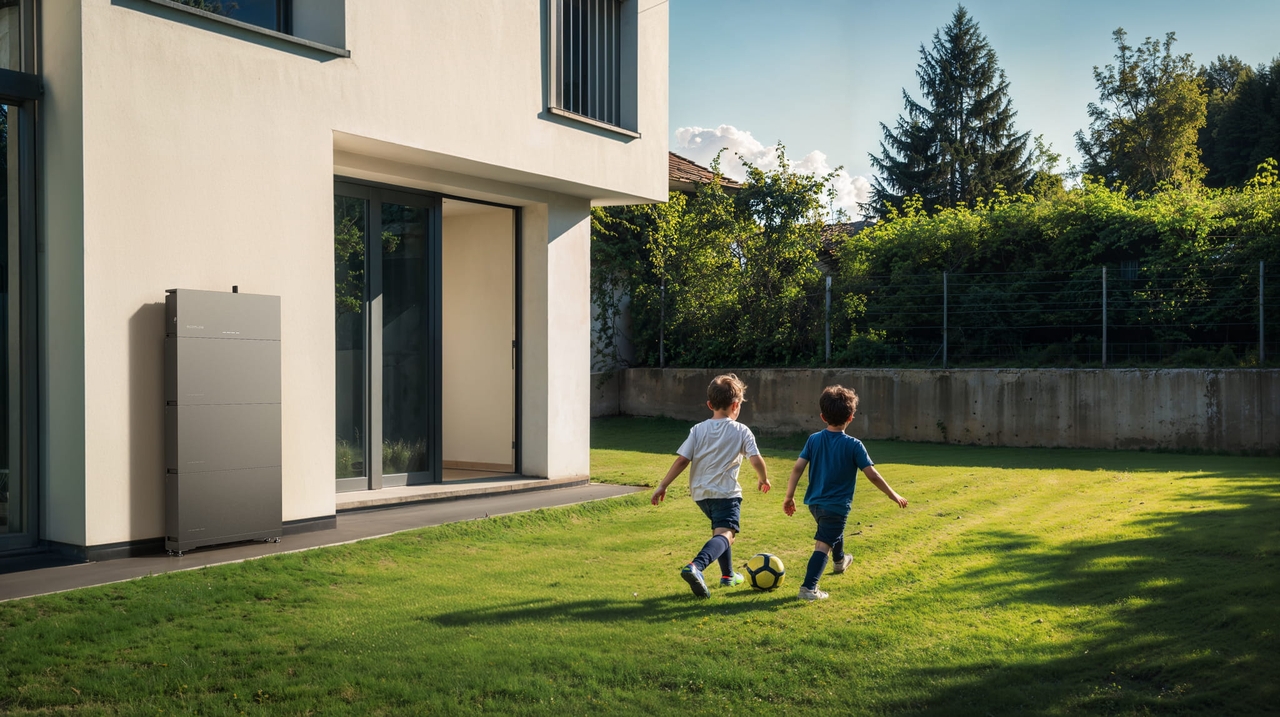
Grid instability is a real problem in parts of Australia. Severe summer storms and heatwaves can easily knock out power lines. If you experience frequent blackouts, you need a backup plan. Upgrading to a hybrid storage system gives you blackout protection that a basic setup lacks. Solutions such as the EcoFlow PowerOcean Single-phase Battery are designed specifically for this, offering a safe way to store power and keep your essential home circuits running safely when the grid fails.
If you want to explore the best setup for your family's needs, feel free to contact professional energy consultants for friendly, expert guidance.
Schedule Your Free Consultation Today!
What kind of product or solution are you interested in?

Australian Feed-in Tariffs Are Dropping
The money you receive for exporting power is shrinking rapidly. A financial shift occurs where giving your power to the grid no longer makes sense. When a retailer pays you 4 cents for your solar power but charges you 35 cents to buy it back at night, the math is broken. Storing your own energy is now vastly more valuable than exporting it for pennies.
High Evening Bills Despite Having a Solar System Without a Battery
If you have panels but your energy bills still hurt, it is time to look at storage. This usually happens because of peak Time-of-Use rates. When the sun goes down, you must buy expensive power from the grid.
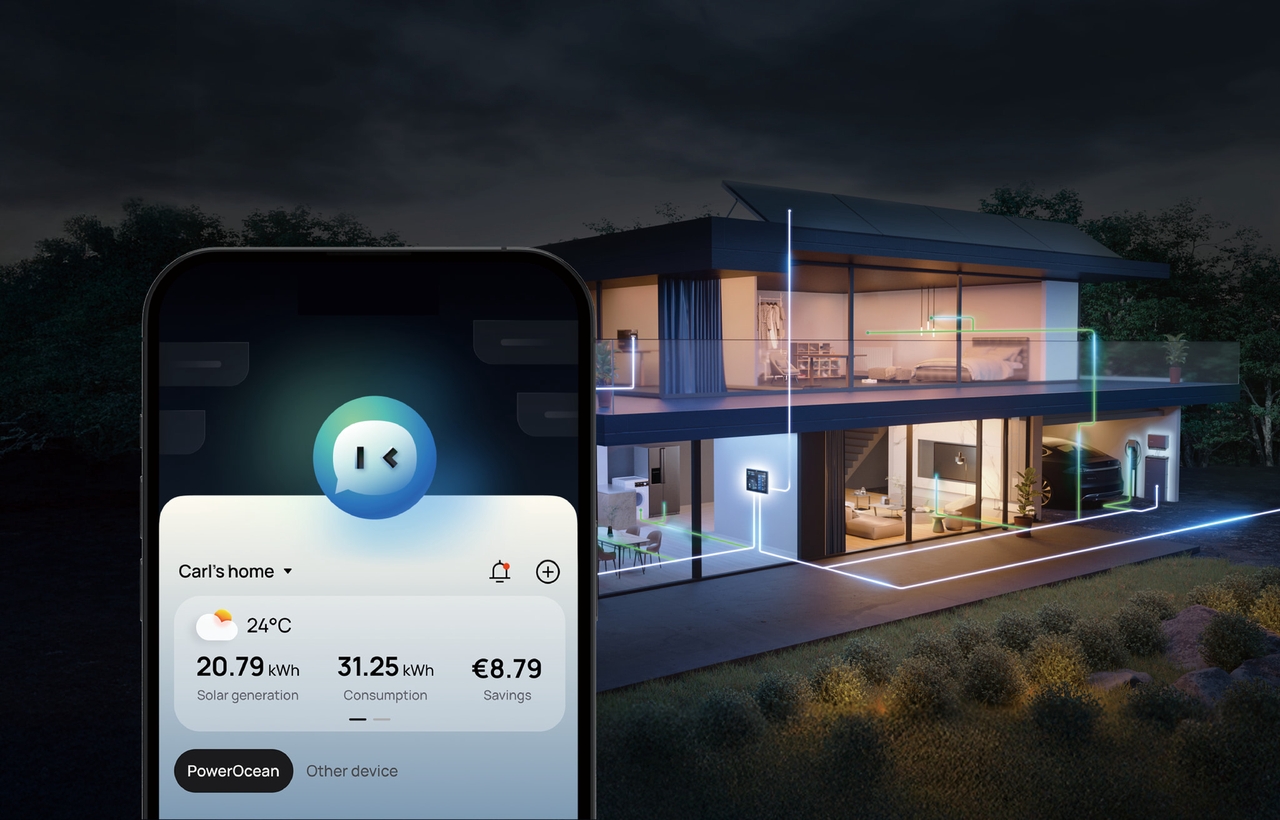
This sudden spike in demand during the evening is a huge pain point. Adding a battery fixes this instantly, letting you store excess daytime energy for night use. To make this easier, smart software like the EcoFlow Intelligent HEMS acts as a brain for your house. It automatically tracks grid prices and weather to manage your energy flow, maximising your savings effortlessly.
State Rebates and VPP Deals Are Expiring
The timing of your upgrade might depend on local incentives. Many Australian states offer generous rebates to lower the cost of buying a battery. Additionally, some providers pay a sign-up bonus if you join a Virtual Power Plant (VPP) network. However, these deals do not last forever. State governments regularly decrease their rebate programs. Taking advantage of these local Australian payouts before they decrease is a very smart financial move.
Conclusion
Starting your journey with solar power without battery storage is an excellent entry point into renewable energy. It is highly affordable, simple to maintain, and offers a fast return on your investment. However, as feed-in tariffs drop and evening grid prices rise, a basic system has limits. Adding solar battery storage unlocks the full financial and practical potential of your panels. Moving from a standard grid-tied setup to a hybrid system unlocks true energy independence. Read more about finding the perfect fit in our guide on the best solar battery Australia.
FAQs
1. Can I use solar panels without a battery in Australia?
Yes, absolutely. A solar system without a battery is currently the most common type of installation in Australia. Your rooftop panels generate power for your house to use directly during daylight hours, and the system exports any leftover power to the grid.
2. What happens to my solar power without a battery at night?
Without storage, your system stops at sunset. You will pull grid electricity and pay standard evening rates. Upgrading to a hybrid setup, such as the EcoFlow PowerOcean, lets you store daytime solar to use at night instead.
3. Will a home solar system without a battery work in a blackout?
No, it will not. Standard grid-tied solar inverters must shut down immediately when the main power grid goes offline. This safety feature protects utility workers fixing the broken power lines.
4. Is it worth getting solar without a battery right now?
Yes, it is a worthwhile investment. Because upfront costs are much lower without a storage unit, you still save a significant amount of money on daytime electricity bills.
5. Can I add a battery to my existing solar setup later?
Yes, you can easily upgrade later. Many modern installations work perfectly with AC-coupled or hybrid setups. Retrofitting a modular storage unit, such as the EcoFlow PowerOcean, is very simple whenever you are ready.