Solar Panel Installation in Australia: Costs, Process and Requirements
Australian solar can cut your power bills, but the savings depend on more than how many panels fit on your roof. System size, installation costs, network export limits and the amount of solar power you use during the day all matter. This guide covers what installation may cost, what to check before work begins and how to get more value from the electricity your system produces.
Key Takeaways
Typical upfront costs vary with system size, equipment, location, roof complexity and available STC discounts. Treat the cost table as indicative budgeting information and obtain current itemised quotes.
Network approval is required for grid connection. SAA accreditation, electrical licensing and compliance with applicable standards are required for eligible STC claims.
Self-consumption can improve savings: feed-in tariffs and retail electricity rates vary by location and plan. Compare your actual import and export rates when deciding when to run appliances.
Hardware visibility and home storage—like monitoring energy flows on an intuitive display or adding an adaptable high-input battery system—turn surplus midday generation into stored electricity for evening use, subject to battery capacity and losses.
How Much Does Solar Panel Installation Cost in Australia?
The price depends on system size, roof access and the condition of your switchboard. Federal STC discounts reduce the upfront cost, but upgrades or difficult roof work can add to the quote. The figures below offer a starting point for comparing common system sizes.
Average Solar Panel Installation Costs by System Size
Most Australian suburban homes install systems between 6.6 kW and 13.2 kW to offset air conditioning, heat pumps, and daytime appliances, often sizing up slightly to accommodate future electric vehicles or home batteries.
| System Size | Typical Panel Count (415W–440W) | Out-of-Pocket Cost (Post-STC Rebate) | Estimated Annual Generation |
|---|---|---|---|
| 5 kW | 12–13 panels | $3,800 – $5,800 | ~7,300 kWh |
| 6.6 kW | 15–16 panels | $4,500 – $7,200 | ~9,600 kWh |
| 10 kW | 23–24 panels | $7,500 – $10,800 | ~14,600 kWh |
| 13.2 kW | 30–32 panels | $9,800 – $14,000 | ~19,200 kWh |
Note: Pricing reflects standard single-storey, tin or concrete tile roofs using Tier-1 panels and CER-approved, AS/NZS 4777.2-compliant inverters. Double-storey access, steep pitches, or slate roofs add labour and scaffolding expenses.
Additional Costs for Roof and Electrical Upgrades
Older Australian homes, particularly brick-veneer builds from the 1970s and 1980s, often hide electrical bottlenecks behind the meter box door. Budgeting for these hidden line items prevents surprises on installation day:
Switchboard Upgrades & RCD Compliance: A licensed electrician should assess whether the existing switchboard, protection and wiring need upgrading. Requirements and costs depend on the installation and local rules.
Three-Phase Upgrades: A larger inverter does not automatically require a three-phase supply. Ask your DNSP and installer about permitted inverter capacity, export limits and any upgrade costs.
Roof Restoration and Tile Repairs: Terracotta tiles are brittle and crack easily when you walk on them during racking install. Before the brackets go on, swap out any broken tiles, repoint the ridge capping, and replace weathered tin screws so the roof stays watertight.

What Are the Requirements for Installing Solar Panels in Australia?
Before you pick a system, check your roof and electrical setup are up to it. How the panels get laid out comes down to roof space, orientation and shade, and your installer has to meet accreditation, safety and local network requirements.
If you plan to add solar battery storage later, ask the installer to allow for suitable equipment space and electrical compatibility.
Roof Condition, Orientation and Available Space
North-facing panels typically generate the most over the day. East-facing panels can help cover morning use, while west-facing panels extend generation into the afternoon, when air conditioning may be running. Your installer should also check the roof’s condition, pitch and shading from trees, chimneys or nearby buildings.
Electrical Infrastructure and Switchboard Compatibility
Your switchboard and wiring must be suitable for a solar system. Installers typically check for:
Space for solar circuit breakers and monitoring equipment.
A compliant earthing system.
A switchboard backing that can be safely worked on. Older asbestos or Zelemite boards may need professional replacement.
SAA-Accredited Installers and Electrical Licensing Requirements
Go with an SAA-accredited solar professional and a licensed electrician. They can check the system meets the applicable requirements, including safe wiring, suitable isolators and roof structural limits, and help make sure the install qualifies for federal STC incentives.
Australian Standards and DNSP Grid Connection Requirements
Grid-connected systems have to meet the relevant standards, including AS/NZS 5033 for PV installation and safety, and AS/NZS 4777.2 for inverter connections. Your local DNSP also sets connection and export limits, and these vary by network and location. Single-phase homes commonly face limits around 5 kW, while three-phase connections can allow larger systems. Some networks also use dynamic export limits to manage local grid capacity.
What Is the Solar Panel Installation Process in Australia?
The process usually starts with a review of your bills and roof, then moves through system design, network approval and installation. The panels may go up in a day, but paperwork, approvals and meter changes can take longer.
Assessing Household Energy Usage and Roof Suitability
Planning a home energy ecosystem means considering solar generation, household loads and future storage together.
Your installer begins by reviewing 12 months of quarterly electricity bills to check overall consumption patterns, measured in kilowatt-hours (kWh) per day. Satellite mapping tools (such as Nearmap or OpenSolar) model seasonal sun angles, determine roof pitch, measure usable area, and calculate tree shading impacts.
Choosing a Solar System and Comparing Installation Quotes
Always obtain three itemised quotes comparing premium versus mid-tier hardware combinations. Avoid aggressive door-to-door sales operations pushing generic, unbranded packages. A transparent quote clearly separates:
The total gross price alongside the transparent STC rebate deduction.
The specific brand and warranty terms of the panels (minimum 25-year performance warranty) and inverter (minimum 10-year warranty).
Any switchboard alteration allowances or scaffolding hire fees.
Obtaining Grid Connection Approval From the Local DNSP
Your installer should obtain the necessary DNSP connection approval before installation. Assessment times and technical requirements vary by network, system size and local conditions; confirm the timeframe with your installer and DNSP.
Installing Solar Panels, Inverters and Electrical Components
On install day, the crew bolts the rails to the roof, then fits and wires the panels, and finally runs them through to the inverter and switchboard. The inverter usually goes somewhere sheltered and easy to get at, like a garage wall or a shaded carport.
Completing System Testing, Commissioning and Meter Configuration
Once all hardware is mounted, the installer performs insulation resistance testing, open-circuit voltage verification, and polar checks before powering on the inverter. The final step is meter reconfiguration: your energy retailer must swap out old mechanical spinning-disc meters or configure existing digital interval units into bidirectional smart meters. Until that meter changeover happens, your solar system should remain switched off to prevent older meters from erroneously charging you for exported power.

How to Maximise the Benefits of Solar Panel Installation in Australia?
Getting the system installed is only part of the job. You’ll get more value when you use solar power while it’s being generated, keep an eye on household energy flows and decide what to do with any excess.
Maximising Solar Self-Consumption Through Daytime Energy Use
Using solar electricity on-site can be worth more than exporting it when your import rate exceeds your feed-in tariff. The difference depends on your location, retailer and tariff period; compare your current rates.
Shift programmable appliances—like dishwashers, washing machines, and pool filtration pumps—to run sequentially between 10:00 AM and 3:00 PM.
Set electric hot water cylinders or heat pump water systems on smart timers to heat up during peak sunlight rather than overnight off-peak cycles.
Pre-cool or pre-heat living areas during the early afternoon while solar generation is strong, reducing evening thermal loads on your air conditioning.
Monitoring Solar Generation and Household Energy Consumption
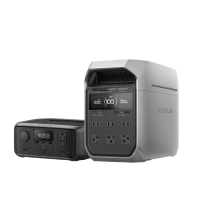
Your solar system may be producing plenty of power, but without a clear view of where it goes, some of that energy can slip back to the grid unused. A real-time monitor helps you spot the best times to run appliances and see how much power your home is using. The EcoFlow PowerInsight 2 puts solar generation, household demand and battery activity on an 11-inch touchscreen, making it easier for the whole family to get more from every sunny day.
Earning Feed-in Tariff Credits From Excess Solar Electricity
Any power generated that your home cannot consume or store flows through your smart meter onto the wider electricity grid. Your energy retailer credits this exported power against your account via a solar feed-in tariff (FiT). Because wholesale energy prices plunge around midday when millions of Australian rooftops pump out gigawatts of renewable power, FiT rates remain modest. Shopping around across energy retailers every 6 to 12 months can help you compare the balance between reasonable feed-in credits and low daily supply charges.
Storing Excess Solar Energy With a Home Battery
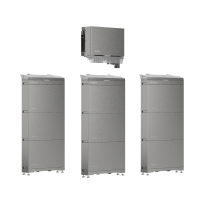
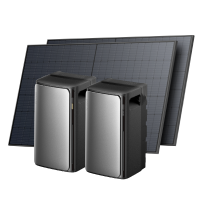
Your panels can work hard through the day, but the savings may feel less impressive when your home draws power from the grid after sunset. A battery stores some of that midday surplus for evening use. For households planning to capture more solar across different roof sections, the EcoFlow OCEAN 2 Plus Single-Phase offers three independent MPPTs and up to 24 kW of solar PV input. Its energy management software can also respond to time-of-use tariffs, helping you put stored power to work when electricity costs more.
Schedule Your Free Consultation Today!
What kind of product or solution are you interested in?
Conclusion
Installing solar panels remains one of the most effective ways for Australian homeowners to regain control over rising cost-of-living pressures. Navigating the requirements—from sizing the array and upgrading older switchboards to selecting SAA-accredited trades and securing network approvals—sets the foundation for decades of trouble-free power generation. By coupling high-output panels with real-time energy monitoring and scalable battery storage, you ensure that every ray of Australian sunshine directly benefits your household bottom line.
FAQs
How Much Can You Save with Solar Panels in Australia?
Savings and payback depend on installed cost, incentives, solar yield, daytime consumption and your electricity plan. Ask for a site-specific estimate using current import and export rates rather than relying on a national savings or payback range.
What Is the Lifespan of Solar Panels Installed in Australia?
Quality panels typically last 25 to 30 years under Australian conditions. Most reputable Tier-1 manufacturers back them with a 25-year performance warranty, guaranteeing at least 80% to 85% of original rated output after a quarter century in the sun.
Do Solar Panels Lose Efficiency over Time?
Yes. Panels lose about 0.4% to 0.5% of output efficiency a year on average. This gradual decline, known as annual degradation, is caused by normal environmental aging (such as UV exposure and thermal cycling). It’s built into long-term yield estimates and manufacturer performance warranties.
Will My Solar Panels Keep Working During a Power Outage or Blackout?
A standard grid-connected solar inverter shuts down during a blackout for safety. Supplying power during an outage requires compatible equipment designed and installed for backup operation, including safe grid isolation. Check which circuits and loads your proposed system can support.
Is It Worth Getting Solar Panels Without a Battery?
Solar without a battery can be worthwhile where daytime self-consumption and electricity savings justify the installation cost. Compare a site-specific solar-only quote and savings estimate with a battery option before deciding.